Gardening Techniques
Choose gardening techniques by your main constraint: space, sun, water, soil, time, or budget, then build around the crops you want with bed prep, planting density, mulch, and watering. I have seen the wrong method waste money fast, crowd plants, turn weeding into a weekly chore, and leave yields low or beds exhausted. This guide compares practical techniques for beds, containers, balconies, and small yards, with clear ways to choose by effort, cost, and crop goals.
How gardening techniques actually work


Gardening techniques work best as a toolkit, not a pile of trends. I start with the site constraint, pick the base growing system next, then add support methods in order: soil building, spacing, watering, and seasonal timing. That order cuts waste and avoids the failure points I run into most often.
Growing systems and supporting techniques are different jobs
A growing system is the base setup that holds roots and sets daily maintenance: in-ground, raised bed gardening, container gardening, hydroponics, or aquaponics. A supporting technique changes how that system performs: mulch, compost, no-dig, square foot gardening, succession planting, companion planting, or vertical gardening.
That distinction matters. Comparing raised beds to companion planting is like comparing a kitchen to a recipe. One sets the working conditions. The other changes what happens inside it.
Start with the constraint, not the trend
If drainage is poor, raised bed gardening moves up the list because lifting the root zone above the surrounding ground often improves drainage and root aeration compared with flat in-ground beds, though results still depend on soil texture, rainfall, and bed fill (University of Maryland Extension on raised bed gardening). If budget is tight, in-ground gardening is usually the cheapest way to start. If the only growing area is a balcony, container gardening works because pots, tubs, and planters can sit on paved surfaces and move with the light, and vertical supports may matter more than bed design (University of Minnesota Extension on gardening in containers).
Most disappointing gardens fail on the first mismatch. Heavy clay plus direct seeding into wet soil. Large thirsty crops in tiny pots. Tall trellises in a windy corner without anchoring. The method was not wrong in general. It was wrong for that site.
A simple decision order: site, system, soil, spacing, season
- Site: check sun, wind, drainage, frost pockets, and access to water.
- System: choose in-ground, raised bed, container, or a protected setup.
- Soil: top-dress with compost where crops will grow, cover the surface with mulch, and if the ground is compacted or weed-heavy, build it as a no-dig bed instead of turning it over.
- Spacing: use row spacing, square foot gardening, or vertical supports based on crop size.
- Season: plan wave planting, crop replacement, and frost protection.
Choose your base system first
In-ground gardening: lowest cost, biggest dependence on native soil
In-ground gardening is the cheapest way to start, and it suits larger spaces well. It also depends most on native soil quality. If that soil is compacted, poorly drained, or low in organic matter, growth can stay slow for a season or two unless compost and mulch go on early.
It is simple to begin with a rake, shovel, compost, and mulch. It usually means more weeding, though, because roots and weed seeds are already present in the ground. For large plantings of pumpkins, sweet corn, potatoes, and sprawling ornamentals, that tradeoff can still make sense.
Raised bed gardening: better drainage and access, higher setup cost
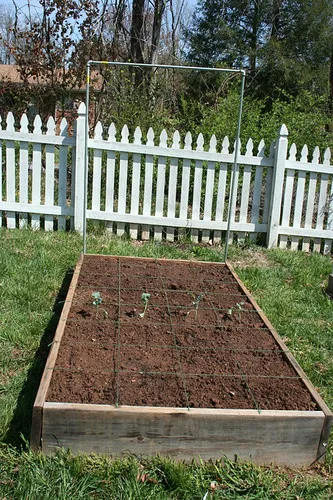
Raised bed gardening works well where native soil is rough, drainage is weak, or foot traffic compacts the growing area. In practice, a raised bed often drains better because the soil sits above grade, water has side routes to escape, and people are less likely to step where roots need air (University of Maryland Extension on raised bed gardening).
The tradeoffs are real. Raised beds can cost more because you must build and fill them. They also dry faster than level ground, especially in heat, wind, or very free-draining mixes. Good yields are common, but only if watering stays steady and the bed is filled with a soil blend that holds moisture.
Container gardening: portable, flexible, and tighter on watering
Container gardening suits patios and balconies because it lets you grow in buckets, nursery pots, window boxes, or half barrels where there is no open soil. It is portable, which helps with frost, heat, and shifting light. It is also one of the fastest ways to run into watering stress, because containers hold a limited volume of rooting media and can dry quickly in sun and wind (University of Minnesota Extension on gardening in containers).
Container gardening needs frequent watering. Root room is limited, so tomatoes, peppers, basil, lettuce, and compact flowers usually adapt better than large corn, pumpkins, or long-season root crops. When containers underperform, the usual cause is not fertilizer. It is dry mix, crowded roots, or a pot that is too small for the crop.
When vertical gardening, square foot gardening, hydroponics, and aquaponics fit
Vertical gardening is a space-saving add-on, not a base system by itself in most home gardens. It fits walls, balconies, fences, and narrow beds. Climbing crops such as peas, beans, cucumbers, and some vining squash respond well, but support weight and wind load must be taken seriously.
Square foot gardening divides space into one-foot increments. It is a layout method for small beds, often paired with raised beds, mulch, and succession planting. It can reduce wasted space and may cut weeding because pathways stay separate from planting blocks.
Hydroponics is soil-less gardening. It can grow clean, fast greens indoors or in protected spaces, but it needs light, consistent nutrient solution management, and a higher setup cost than a basic soil bed (Penn State Extension on hydroponic systems). Aquaponics uses fish as part of the growing system. It adds a water filtration loop and living fertilizer, but complexity rises fast, so it is rarely the simplest beginner default when outdoor growing is available (Oklahoma State University Extension on aquaponics).
How do I choose between raised bed, container, and in-ground gardening?
Choose in-ground for the lowest startup cost and larger plots, raised beds for poor drainage or easier access, and containers for balconies, mobility, or tiny spaces. Then check maintenance tolerance: raised beds and containers often need closer watering, while in-ground gardens usually demand more weeding and more patience with native soil.
Best fit by budget, space, and physical comfort
Tiny budget and open ground usually point to in-ground gardening first. A moderate budget with sore knees, compacted soil, or a need for clean bed edges points to raised beds. No yard at all points to containers.
Physical comfort matters more than many comparisons admit. Raised bed gardening gives easier access for the back and knees. I have watched that one change lead to more timely planting, pruning, and harvesting, which often matters more than theoretical yield per square foot.
Best fit by drainage, compaction, and soil quality
Use in-ground gardening when drainage is decent and the native soil can improve with compost over time. Use raised beds when water stands, clay stays sticky, or foot traffic has compacted the area hard. Use containers when the existing site is paved, contaminated, rented, or impossible to dig.
No system removes the need for soil structure. Poorly filled raised beds can slump and dry out. Cheap potting mixes can repel water after drying. Native soil can be slow, but with mulch, compost, and reduced tilling, it often becomes easier to manage each season.
Best fit by crop type
Vegetables split into groups. Large sprawling crops and bulk staples often fit in-ground. Salad greens, herbs, peppers, and patio tomatoes fit containers well. Roots, onions, beets, carrots, and intensive mixed plantings often do well in raised beds because spacing and moisture are easier to control.
Ornamentals are more flexible. Wind-tolerant perennials often handle in-ground conditions better than containers, while tender annuals and display herbs benefit from containers that can be shifted for sun or shelter.
Common failure points for each system
- In-ground: persistent weeds, poor drainage, and slow early growth in compacted soil.
- Raised beds: higher build-and-fill cost, faster drying, and shallow beds that limit deep-rooted crops.
- Containers: root-bound plants, frequent watering, top-heavy pots, and nutrient swings after heavy watering.
The decision matrix: match the problem to the right technique
Poor soil, low light, drought, small space, heavy rain, wind, and frost
| Garden problem | Best technique or system | Required tools or materials | Expected effort | Likely failure points | Beginner recommendation | Advanced option |
|---|---|---|---|---|---|---|
| Poor soil | Raised bed or no-dig in-ground with compost and mulch | Compost, mulch, fork, rake, bed edging if desired | Medium upfront, lower later | Filling beds with weak mix, planting before soil settles, skipping mulch | Start with one small bed or one no-dig strip and easy crops | Add soil testing, drip irrigation, and planned rotations |
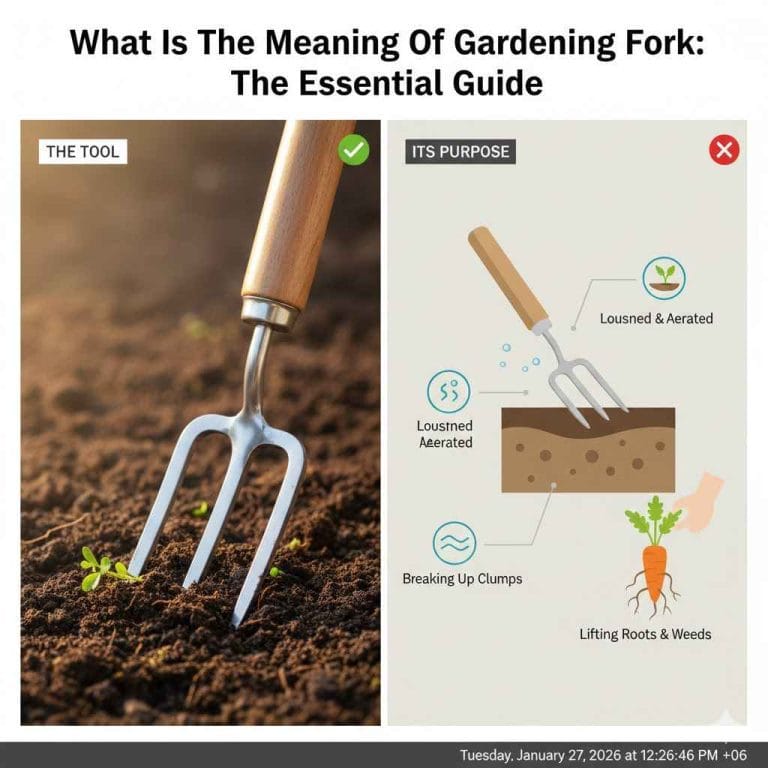
| Clay and compaction | Raised bed gardening or no-till layering on top | Compost, coarse organic matter, broadfork or garden fork, mulch | Medium | Deep digging wet clay, walking on beds, poor drainage left unaddressed | Use permanent paths and mulch heavily | Install drainage improvements and schedule cover crops |
| Low light | Containers or small beds placed in the brightest available spot | Pots, light potting mix, reflective surface if available | Low to medium | Trying to fruit tomatoes or squash in shade, overwatering slow-growing plants | Grow herbs, lettuce, and greens first | Use movable containers and season-specific crop swaps |
| Drought | In-ground or larger raised beds with mulch and simple irrigation | Mulch, compost, hose, watering can, drip line or soaker if available | Medium | Small pots drying by noon, bare soil, shallow watering | Mulch first, then water deeply on schedule | Add drip irrigation zones and drought-tolerant crop planning |
| Small space | Container gardening, square foot gardening, vertical gardening | Buckets or pots, trellis, grid, hand trowel, mulch | Low to medium | Overcrowding, heavy trellises on weak balconies, poor crop choice | Use a few large containers instead of many tiny ones | Layer vertical supports with succession planting and compact varieties |
| Heavy rain | Raised beds with mulch and wide drainage paths | Bed frame, soil mix, mulch, hoe for channels | Medium upfront | Waterlogged paths spilling into beds, nutrient washout, staking skipped | Keep beds narrow and paths clear | Add drainage swales, covers, or protected culture |
| Wind | Low-profile beds plus strong trellising or sheltered containers | Stakes, ties, windbreak material, heavier pots | Medium | Vertical setups toppling, containers tipping, leaf scorch from constant exposure | Choose sturdy crops and short supports first | Build anchored trellises and windbreak planting plans |
| Frost | Containers for mobility, succession planting, quick cover protection | Frost cloth or cover, hoops if available, movable pots | Medium during weather swings | Planting warm crops too early, covers touching tender growth, late replanting | Keep covers ready and plant in smaller waves | Use low tunnels, cold frames, and staged sowing dates |
What gardening techniques improve yields with the least waste?
The techniques that most often improve yields with modest cost are compost, mulch, correct spacing, steady watering, and timely replanting. In many home gardens, those basics prevent the losses I see most often: dry soil, weed pressure, empty bed space, and plants that spend energy recovering instead of producing. Their payoff still varies with crop choice, weather, and site conditions.
Mulch and compost come first
Mulch and compost are foundation practices across almost every system. Compost improves soil structure and adds organic matter. Mulch slows evaporation, reduces weed germination, and buffers soil from heat and pounding rain (University of Minnesota Extension on using mulches; University of Illinois Extension on using compost in the home garden).
If the garden is underperforming, effort spent here usually beats buying new containers or fancy fertilizers. Bare soil is expensive in labor. Covered soil is calmer and easier to manage.
No-dig or no-till for steadier soil structure
No-dig or no-till gardening builds soil by layering organic matter and disturbing the soil as little as possible. It works in raised beds and in-ground plots. Research and extension guidance commonly link reduced tillage with better soil aggregation, less erosion, and improved biological activity over time, though weed pressure and residue management still vary by site (Penn State Extension on no-till gardening; USDA NRCS on soil health basics).
This approach is especially useful in clay, old vegetable patches, and beds that crust after rain. The common mistake is expecting instant perfection. No-dig reduces pressure over time, but perennial weeds and compaction from foot traffic still need attention.
Succession planting for continuous harvest
Succession planting means planting in waves across the season. Instead of sowing every lettuce, bean, or radish at once, plant smaller rounds and replace finished crops with the next one. That keeps beds productive from spring to fall, and extension guides commonly recommend it for steady harvest and better space use in vegetable gardens (University of Minnesota Extension on succession planting).
It also cuts waste. A full bed of overripe greens is often a timing mistake. A half bed replanted on schedule is a yield tool.
Companion planting where it helps, and where it disappoints
Companion planting can help with plant pairing, beneficial insect support, trap crops, and soil health. It is useful when it improves spacing, root use, or habitat. It is less reliable when it is treated as a magic pest shield, since pest pressure, weather, and surrounding habitat still shape the outcome.
A classic example is the Three Sisters system. Companion planting can use the Three Sisters system. Three Sisters combines corn, beans, and squash. Corn can support beans as a natural trellis, and beans can fix nitrogen in the soil. Even so, spacing and timing still decide whether the planting thrives or turns into a crowded tangle.
How do succession planting and companion planting work in practice?
Succession planting works by replacing crops before or right after harvest gaps appear, while companion planting works by matching crops whose growth habits, rooting, or pest relationships help each other. Both techniques fail when timing, spacing, or crop size are ignored, so planning matters more than clever labels.
Wave planting and crop replacement from spring to fall
Use early quick crops first, then follow with heat-tolerant crops, then cool-season replanting if frost timing allows. For example, a bed can move from spring greens to summer beans to fall spinach, provided each handoff is planned before the previous crop is finished.
The weak point is hesitation. If a spent crop stays in place too long, the next wave misses its weather window. Succession planting is a calendar habit as much as a sowing method.
Useful pairings, trap crops, and beneficial insect support
Good pairings usually solve a specific problem. Tall crops can cast light afternoon shade for tender greens in heat. Herbs and flowers can support beneficial insects. Trap crops can draw flea beetles or aphids away from a main crop, but only if the trap crop is placed early enough and monitored.
Companion planting underperforms when pest pressure is already high or when airflow gets worse from cramming too many species together. Mixed planting is not a substitute for spacing, cleanup, or crop timing. If you want a tighter planning framework, compare these pairings with intensive vegetable gardening methods before filling every gap.
Mistakes to avoid
- Planting large feeders too close together and creating nutrient competition.
- Letting squash smother smaller crops before they establish.
- Assuming flowers alone will solve pest outbreaks.
- Sowing all successions at once and calling it a plan.
Which techniques are best for small spaces and vegetable gardens?
For small spaces, the best techniques are usually containers, square foot gardening, and vertical gardening, with succession planting layered on top. For vegetable gardens, the best setup depends on crop type: leafy crops and herbs tolerate intensive methods well, while large fruiting or sprawling crops need more root room and steadier moisture.
Square foot gardening for layout and reduced weeding
Square foot gardening divides space into one-foot increments. It helps beginners avoid wasted gaps and overplanting. In small raised beds, it can reduce weeding because paths are kept out of the growing area and each square has a clear planting job.
It works best for salad crops, herbs, beets, onions, bush beans, and compact roots. It is less convincing for huge brassicas, indeterminate tomatoes without support, or crops that sprawl across neighboring squares.
Vertical gardening for climbing vegetables
Vertical gardening is one of the strongest small-space moves for cucumbers, peas, pole beans, and some vining squash. It clears ground space, improves airflow, and makes harvest easier. It is often paired with containers or narrow raised beds.
The failure case is structure. A light trellis can twist, tip, or rip free in wind once vines gain weight. On balconies and walls, weight limits matter before planting starts, not after vines are loaded.
Containers for herbs, tomatoes, peppers, and salad crops
Herbs often do very well in containers because harvest is frequent and root space demands stay manageable. Salad greens can be rotated fast. Peppers adapt well if moisture is even. Tomatoes can be productive too, but only if the container volume, staking, and watering are adequate.
Root-bound containers stall quickly in hot weather. If lower leaves yellow fast, fruit cracks after watering, or the pot dries by midday, the system is asking too much from too little soil.
When intensive small-space methods stop paying off
There is a point where more density lowers results. Crowded tomatoes become disease-prone. Overstuffed herb pots bolt or mildew. A vertical wall of mixed crops can shade itself and become awkward to water.
For vegetables, intensity pays when harvest is frequent and crop turnover is quick. It pays less for long-season bulk crops that need large root zones and stable moisture. For a simpler starting point, I would pair small-space growing with beginner garden planning basics instead of trying every intensive trick at once.
How can I garden better without buying lots of equipment?
Improve the garden first with compost, mulch, a basic trellis, and simpler watering habits before buying new systems. Most weak gardens suffer from exposed soil, poor spacing, or uneven moisture, and those problems are cheaper to fix than replacing the whole setup with raised beds or indoor gear.
The few tools that change results most
The most useful tools are usually a shovel or spade, hand trowel, pruners, watering wand or can, rake, and something for support such as stakes or twine. Tool quantity matters less than using a few tools on time.
If buying only one upgrade, I would put money into mulch and compost before a new bed frame. If buying a second, a simple trellis or stake set usually gives back more than decorative edging.
Low-cost upgrades that solve real problems
- Compost: improves tired soil and supports organic gardening.
- Mulch: reduces watering frequency and weed pressure.
- Trellis or stakes: keeps vines and tomatoes upright and easier to harvest.
- Basic irrigation routine: deeper, less frantic watering beats frequent splashing.
- Bed layout: narrower reach-in beds and clear paths prevent compaction.
What to fix first in an underperforming garden
- Stop bare soil with mulch.
- Add compost where crops actually grow.
- Thin crowded plants and improve airflow.
- Support tall crops before they flop.
- Replant empty spaces instead of letting them sit.
Stack techniques in the right order
First season setup for a new garden
Pick the site first. If the ground drains reasonably and budget is tight, start in-ground. If drainage is poor, use raised beds. If there is no diggable soil, use containers. After that, add compost, then mulch, then support structures, then a planting plan with room for succession.
Organic gardening fits into this stack as a soil-first approach that avoids synthetic fertilizers and synthetic pesticides. Compost and cover crops are common tools within it. It is less a separate system than a way of making the system work over time.
Recovery plan for poor soil or high weed pressure
For poor soil, first stop repeated digging. Next apply compost and mulch. Then shift to no-dig or no-till management so the soil can rebuild while crops still grow. For high weed pressure, narrow the cultivated area, mulch paths heavily, and stop opening fresh soil unless there is a good reason.
Raised beds help here when native ground stays soggy or compacted. They help less when the real issue is inconsistent watering or too many crops packed into too little soil.
A simple stack for beginners and a tighter stack for ambitious growers
Beginner stack: base system matched to site, compost, mulch, simple spacing, one trellis, one or two successions, and a few reliable crops.
Ambitious stack: site-matched base system, no-dig soil building, square foot layout or planned row spacing, vertical supports, mulch, succession planting, selective companion planting, and frost or heat responses built into the calendar.
Hydroponics and aquaponics fit outside this basic outdoor stack. Hydroponics is best for growers who need soil-free production and can provide light and close monitoring (Penn State Extension on hydroponic systems). Aquaponics uses fish as part of the growing system and can work at small or large scale, but the living system adds enough moving parts that it is better treated as a dedicated project, not a quick fix (Oklahoma State University Extension on aquaponics).
Frequently asked questions
what is the best gardening tool
The best gardening tool for most beginners is the one that fixes the main bottleneck, and that is often a shovel, hand trowel, or mulch fork rather than a specialty gadget. In practical terms, compost and mulch usually change results more than buying more tools.
What gardening techniques actually improve yields?
Compost, mulch, steady watering, correct spacing, and succession planting improve yields most often because they keep plants growing without long stress gaps. Raised beds, containers, or vertical systems can help too, but only when they match the site constraint instead of adding new problems.
Which gardening techniques are best for beginners?
Beginners usually do best with in-ground or raised bed gardening, plus mulch, compost, and a simple planting plan. Containers are beginner-friendly in small spaces, but only if frequent watering is realistic. Hydroponics and aquaponics are better saved for growers who want a dedicated indoor or protected setup.
What gardening techniques help with poor soil?
For poor soil, the strongest combination is compost, mulch, and no-dig or no-till management, with raised beds added if drainage is bad. That approach improves soil structure while still allowing planting. Repeated deep digging often sets progress back, especially in clay or compacted ground.
What gardening techniques reduce weeding and watering?
Mulch does the most for both jobs because it shades weed seeds and slows water loss. No-dig beds, clear paths, square foot layouts, and larger soil volumes also help. Tiny pots and bare beds create the opposite effect, demanding frequent watering and constant cleanup.
Which gardening techniques are best for vegetable gardens?
Vegetable gardens usually perform best with a site-matched base system, then compost, mulch, supports, and succession planting. Raised beds suit intensive mixed vegetables, in-ground suits larger plots and sprawling crops, and containers suit herbs, greens, peppers, and some tomatoes where space is limited.