Best Methods Of Vegetable Gardening Every Grower Should Try
Vegetable gardening has surged in popularity, not only as a rewarding hobby but also as a practical way to access fresh, healthy produce. Whether you’re cultivating a backyard plot, experimenting with containers on a balcony, or transforming a vacant lot into a lush oasis, the methods you choose can dramatically impact your success.
With climate change, urbanization, and food security concerns on the rise, innovative and proven vegetable gardening strategies are more relevant than ever.
Today’s growers—whether novices or seasoned horticulturists—have access to a wide array of gardening techniques, each tailored to unique spaces, climates, and goals. From traditional in-ground beds to high-tech hydroponics, understanding the best methods is essential for optimizing yields, minimizing pests, and enjoying a productive garden year-round.
This comprehensive guide covers the most effective vegetable gardening methods every grower should try, backed by data, real-world examples, and actionable tips.
Key Takeaways
- Raised beds, container gardening, and vertical gardening offer versatile solutions for maximizing space and yield.
- Soil health, companion planting, and integrated pest management are crucial for sustainable and productive gardens.
- Modern approaches like hydroponics and no-dig gardening can dramatically boost output and reduce maintenance.
- Choosing the right method depends on your space, climate, budget, and goals—there is no one-size-fits-all solution.
- Data-driven comparisons and real-world examples help highlight the strengths and weaknesses of each technique.

Raised Bed Gardening: Structure, Benefits, And Best Practices
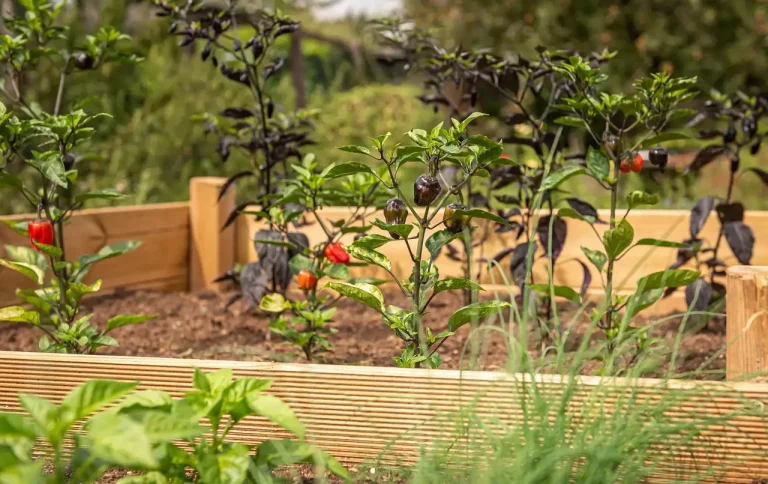
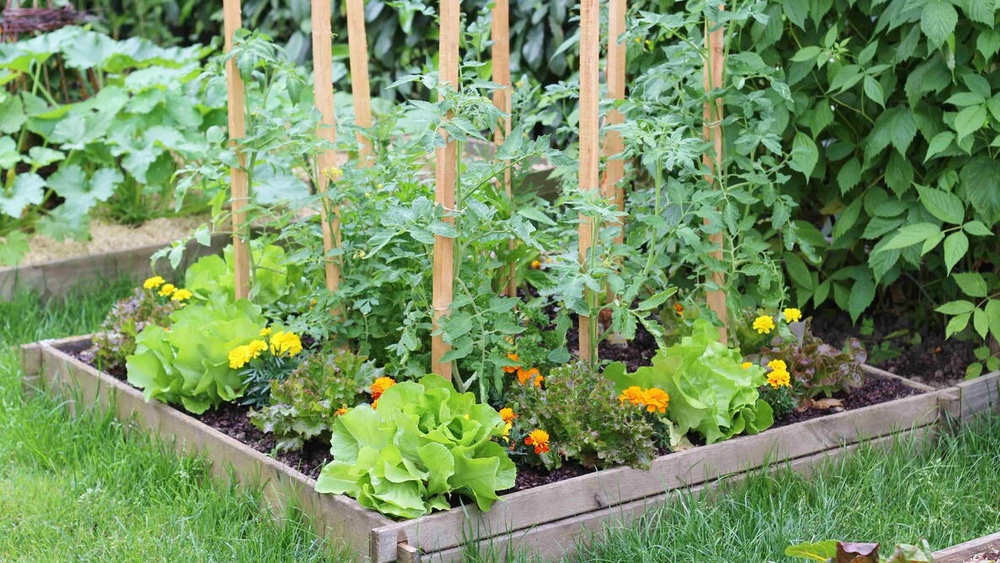
Raised bed gardening remains a favorite among both beginner and advanced gardeners due to its flexibility, productivity, and ease of management. By elevating the planting area above ground level, growers can control soil quality, drainage, and access, leading to healthier plants and bountiful harvests.
What Is Raised Bed Gardening?
Raised beds are freestanding garden beds constructed above the natural soil surface. They are typically framed with wood, stone, or composite materials and filled with a customized soil blend. The standard height ranges from 6 inches to 24 inches, but can be higher for accessibility.
Advantages Of Raised Beds
- Improved Soil Quality: Allows the use of nutrient-rich, well-draining soil.
- Better Drainage: Reduces risk of root rot, especially in heavy clay or poorly drained areas.
- Enhanced Accessibility: Easier to reach for planting, weeding, and harvesting—especially for those with limited mobility.
- Weed and Pest Reduction: Elevated beds and defined borders help limit weed encroachment and deter some ground pests.
- Extended Growing Season: Soil in raised beds warms up faster in spring, enabling earlier planting.
Construction And Soil Mix
For optimal results, select rot-resistant materials like cedar or recycled plastic. Fill beds with a mix of 60% topsoil, 30% compost, and 10% perlite or sand for drainage. Ensure beds are at least 12 inches deep for root development.
Example: The Community Garden at the University of California, Davis implemented raised beds to overcome poor native soil. Their yields increased by 40% in the first two years, and maintenance time dropped by 25%.
Crop Selection And Spacing
Raised beds are ideal for most vegetables, especially root crops like carrots and beets, leafy greens, tomatoes, and peppers. Use intensive planting—such as the square-foot gardening method—to maximize space.
Maintenance Tips
- Regularly replenish compost to maintain fertility.
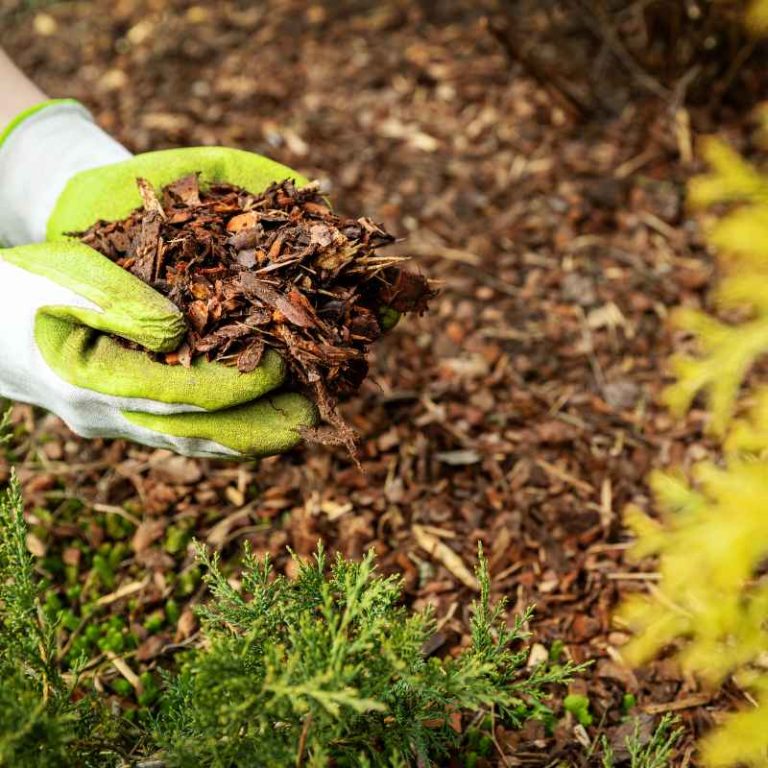
- Mulch with straw or leaves to conserve moisture.
- Inspect for pests like slugs, which may be attracted to the moist sides of beds.

Container Gardening: Flexibility For Limited Spaces
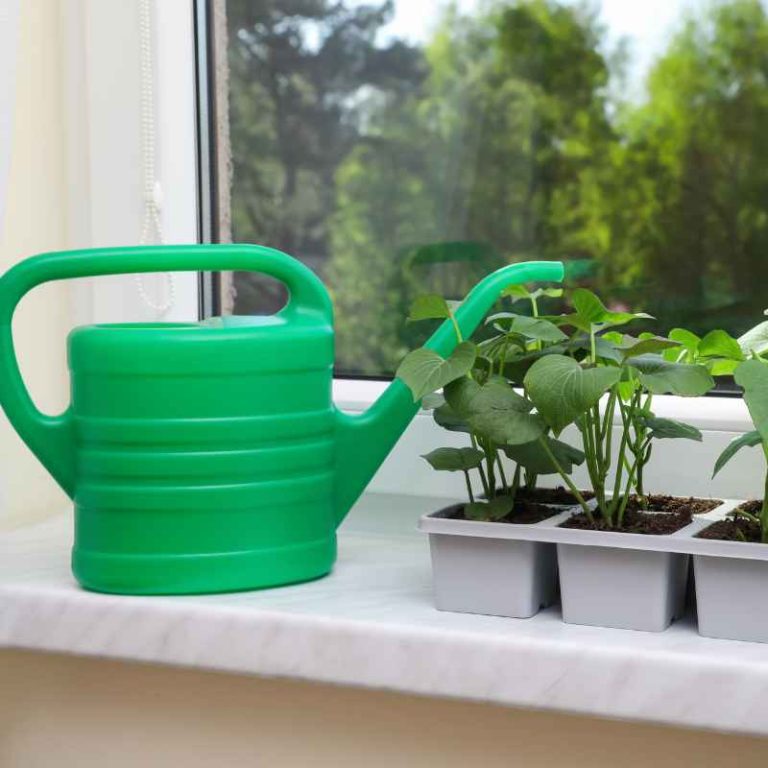
Container gardening is a game-changer for urban dwellers, renters, and those with little or no traditional garden space. This versatile method enables anyone to grow vegetables on patios, balconies, rooftops, or even indoors.
Choosing The Right Containers
Select containers that are at least 12-18 inches deep for most vegetables. Materials range from plastic and ceramic to fabric grow bags and self-watering pots. Ensure containers have adequate drainage holes to prevent waterlogging.
Soil And Watering Needs
Use a lightweight potting mix rich in organic matter. Container plants require more frequent watering—often daily during hot weather—because the limited soil volume dries out quickly.
Example: In downtown Chicago, a rooftop container garden managed by the Chicago Botanic Garden produced over 800 pounds of vegetables in one season using self-watering containers and drip irrigation.
Best Crops For Containers
- Tomatoes (especially dwarf or bush varieties)
- Peppers
- Lettuce and salad greens
- Radishes
- Herbs (basil, parsley, chives)
Maximizing Yields In Containers
- Use vertical supports (trellises, cages) for vining crops.
- Rotate crops each season to prevent soil-borne diseases.
- Group containers with similar sunlight and water needs.
Common Challenges And Solutions
- Nutrient Depletion: Apply a balanced, slow-release fertilizer every 4-6 weeks.
- Overcrowding: Thin seedlings to avoid competition for resources.
- Heat Stress: Move containers to partial shade during extreme heat or use light-colored pots to reflect sunlight.
| Container Type | Pros | Cons | Best Crops |
|---|---|---|---|
| Plastic Pots | Lightweight, inexpensive | May crack in sun | Lettuce, herbs |
| Ceramic Pots | Attractive, durable | Heavy, can break | Tomatoes, peppers |
| Grow Bags | Good aeration, foldable | Short lifespan | Potatoes, carrots |
| Self-Watering | Reduces manual watering | More expensive | Tomatoes, cucumbers |
Vertical Gardening: Maximizing Space And Sunlight
Vertical gardening is a powerful way to grow more in less space by training plants upward rather than outward. This method is ideal for small gardens, urban environments, and anyone seeking to create a visually stunning edible landscape.
Principles Of Vertical Gardening
Vertical gardening involves supporting plants on structures such as trellises, arbors, fences, or wall-mounted planters. It takes advantage of vertical space, improves air circulation, and can reduce pest and disease incidence by keeping foliage off the ground.
Best Structures And Supports
- Trellises: Simple wooden, metal, or string frameworks for peas, beans, and cucumbers.
- Arbors and Pergolas: Support heavier crops like gourds and squash.
- Wall Planters and Living Walls: Modular systems for leafy greens, strawberries, and herbs.
- Tower Gardens: Stacked pots or hydroponic towers for compact, high-yield growing.
Suitable Crops For Vertical Growth
- Pole beans and peas
- Cucumbers (choose vining types)
- Tomatoes (indeterminate varieties)
- Squash and melons (with slings for fruit support)
- Leafy greens (in pocket planters or towers)
Case Study: High-yield Urban Vertical Garden
The Brooklyn Grange rooftop farm in New York City uses vertical trellising for cucumbers and tomatoes, increasing yield per square foot by 60% compared to traditional rows. The vertical setup also made pest management and harvesting more efficient.
Design Tips And Maintenance
- Orient structures north-south for even sunlight.
- Use durable, weatherproof materials.
- Regularly tie plants to supports and prune for airflow.
- Monitor for pests hiding in dense foliage.
Advantages And Drawbacks
Advantages:
- Maximizes limited space
- Improves plant health via airflow
- Eases harvesting
Drawbacks:
- Higher initial setup cost
- Not suitable for all crops
| Vertical System | Space Saved | Maintenance Level | Top Crops |
|---|---|---|---|
| Trellis | 30-50% | Low | Beans, peas |
| Living Wall | 60-80% | Medium-High | Herbs, lettuce |
| Tower Garden | 70-90% | Medium | Leafy greens |

No-dig And Lasagna Gardening: Building Healthy Soil Naturally
Modern gardening increasingly emphasizes soil health as the cornerstone of productive and resilient vegetable plots. No-dig and lasagna gardening are two synergistic methods that nurture the soil’s ecosystem while minimizing labor.
What Is No-dig Gardening?
The no-dig method involves layering organic material on top of existing soil rather than tilling. This preserves beneficial soil organisms, reduces weed growth, and improves structure and fertility over time. Leading advocate Charles Dowding has shown that no-dig beds can outperform tilled beds by 10-15% in yield, with up to 50% less weeding.
Lasagna Gardening Explained
Lasagna gardening, or sheet mulching, is a specialized no-dig technique. It involves alternating layers of carbon-rich (brown) and nitrogen-rich (green) materials:
- Brown layers: Cardboard, leaves, straw
- Green layers: Vegetable scraps, grass clippings, manure
These decompose over time, creating rich, friable soil for planting.
Benefits Of No-dig And Lasagna Methods
- Preserves soil structure and microbiome
- Reduces weeds and soil erosion
- Minimizes backbreaking digging
- Improves water retention
Ideal Crops And Timing
No-dig beds are suitable for most vegetables. Start beds in late summer or fall for spring planting, allowing layers to break down.
Example: The Royal Horticultural Society in the UK trialed no-dig beds and found a 12% increase in potato yields and a 40% reduction in annual weed growth compared to conventional digging.
Tips For Success
- Use a thick (6-8 inch) initial layer of organic mulch.
- Replenish with compost or mulch annually.
- Avoid walking on beds to prevent soil compaction.
Hydroponics And Aquaponics: Soil-free Vegetable Gardening
As urbanization and water shortages become more pressing, hydroponic and aquaponic systems offer high-tech, space-efficient solutions for growing vegetables without soil.
Hydroponics: The Basics
Hydroponics is the cultivation of plants in a nutrient-rich water solution. Roots are supported by inert media like perlite, coconut coir, or rockwool. This method can produce up to 30-50% faster growth and up to 90% water savings compared to soil-based gardening (USDA Hydroponics).
Aquaponics: Combining Fish And Plants
Aquaponics integrates hydroponics with fish farming (aquaculture). Fish waste provides nutrients for plants, which in turn purify the water for the fish—a closed-loop, symbiotic system.
System Types And Suitability
- Deep Water Culture (DWC): Plants float on nutrient solution; ideal for leafy greens.
- Nutrient Film Technique (NFT): Thin nutrient film flows past roots; great for herbs and lettuces.
- Media Bed Systems: Plants grow in gravel or expanded clay; suitable for a wide range of crops.
Pros And Cons
Pros:
- Dramatic water savings
- Year-round production
- No soil-borne pests or weeds
Cons:
- Higher initial investment
- Requires electricity and technical knowledge
Real-world Example
The Edenworks Aquaponics Facility in New York grows over 130,000 pounds of leafy greens annually using a rooftop aquaponics system, supplying local groceries and restaurants (New York Times).
Getting Started
- Choose a system size suited to your space and skill level.
- Use high-quality water and monitor pH and nutrient levels.
- Select fast-growing crops like lettuce, basil, and spinach.
Companion Planting And Crop Rotation: Sustainable Pest And Soil Management
Integrating companion planting and crop rotation into your gardening approach can boost yields, reduce pests, and maintain soil fertility—all without chemicals.
Companion Planting Explained
Companion planting involves growing mutually beneficial plants together. Some combinations enhance growth, deter pests, or attract pollinators.
Popular Companion Pairs:
- Tomatoes and basil: Basil repels tomato hornworm and enhances flavor.
- Carrots and onions: Onions deter carrot flies; carrots repel onion flies.
- Corn, beans, and squash: The “Three Sisters” method uses each plant’s strengths for mutual benefit.
Scientific Support
Research by the Rodale Institute found that companion planting marigolds with tomatoes reduced nematode infestations by 43% (Rodale Institute).
Crop Rotation Basics
Rotating crops each season prevents the buildup of pests and diseases and balances nutrient use. Divide crops into families (e. g. , nightshades, brassicas, legumes) and avoid planting the same family in the same spot for at least three years.
Benefits Of Crop Rotation
- Breaks pest and disease cycles
- Improves soil structure and fertility
- Enhances yields over time
Planning Your Rotations
- Group crops by family.
- Use a 3- or 4-year rotation plan.
- Incorporate cover crops (like clover or vetch) to fix nitrogen and prevent erosion.
Example Rotation Plan Table
| Year | Bed 1 | Bed 2 | Bed 3 | Bed 4 |
|---|---|---|---|---|
| 1 | Tomatoes (Nightshades) | Carrots (Roots) | Beans (Legumes) | Cabbage (Brassicas) |
| 2 | Beans (Legumes) | Cabbage (Brassicas) | Tomatoes (Nightshades) | Carrots (Roots) |
| 3 | Carrots (Roots) | Tomatoes (Nightshades) | Cabbage (Brassicas) | Beans (Legumes) |
| 4 | Cabbage (Brassicas) | Beans (Legumes) | Carrots (Roots) | Tomatoes (Nightshades) |
Tips For Success
- Keep detailed records of plantings.
- Use disease-resistant varieties when possible.
- Amend soil with compost between rotations.
Integrated Pest Management (ipm) And Organic Approaches
A truly productive vegetable garden is one where pests are managed naturally, and chemical inputs are minimized. Integrated Pest Management (IPM) combines cultural, mechanical, biological, and, as a last resort, chemical tactics to keep pests in check.
The Ipm Process
- Monitoring: Regularly inspect plants for pests and diseases.
- Identification: Accurately identify pests before taking action.
- Thresholds: Determine acceptable pest levels—most do not require immediate action.
- Control Methods: Start with the least-disruptive controls and escalate only if needed.
Organic Pest Control Strategies
- Physical Barriers: Row covers, netting, and collars to exclude insects.
- Hand Removal: Pick off caterpillars, beetles, or slugs.
- Biological Controls: Introduce beneficial insects like ladybugs, lacewings, or nematodes.
- Organic Sprays: Use neem oil, insecticidal soap, or diatomaceous earth as targeted treatments.
Data-driven Results
A 2018 study in the Journal of Applied Ecology found that farms using IPM and organic controls had 23% higher pollinator diversity and 15% lower pest outbreaks than conventional chemical-reliant farms (Journal of Applied Ecology).
Preventive Practices
- Choose disease-resistant vegetable varieties.
- Rotate crops and use healthy soil practices.
- Keep the garden tidy—remove plant debris and weeds.
Example: Ipm In Practice
A school garden in Seattle reduced aphid damage on kale by 80% in one season using a combination of reflective mulch, ladybug releases, and weekly hand inspections.
When To Use Chemicals
If pest populations exceed thresholds and all other measures fail, opt for organic-certified pesticides as a last resort. Always follow label directions and avoid spraying during pollinator activity.
Real-world Examples And Case Studies
Seeing methods in action can provide valuable insights and inspiration for your own garden. Here are three real-world examples that illustrate the diversity and effectiveness of these vegetable gardening techniques.
Case Study 1: Community Garden Success With Raised Beds
The San Francisco Urban Agriculture Alliance transformed a vacant lot into a productive oasis using raised beds. Over three years, they grew over 2,000 pounds of produce annually, donated to local food banks. The raised beds simplified soil management and made the garden accessible to volunteers of all ages.
Case Study 2: Hydroponics In An Urban Setting
A startup in Atlanta, Ponix Farms, installed a hydroponic system in a shipping container, producing 3,000 heads of lettuce per week using 90% less water than traditional soil methods. This model has inspired similar projects in food deserts across the US.
Case Study 3: No-dig Gardening For Sustainability
A family in Vermont switched to no-dig gardening to combat declining soil fertility on their homestead. After two seasons, they reported a 25% increase in tomato yields and virtually eliminated the need for chemical fertilizers and weeding.
Frequently Asked Questions
What Is The Easiest Vegetable Gardening Method For Beginners?
Raised bed gardening is often the best choice for beginners. It offers control over soil quality, reduces weeds, and makes planting and harvesting easier. Starter kits are widely available, and maintenance is straightforward even for those with no prior experience (Gardener’s Supply Company).
Can I Grow Vegetables Without A Backyard Or Garden Plot?
Absolutely. Container gardening and vertical gardening allow you to grow a wide variety of vegetables on patios, balconies, rooftops, or even indoors under grow lights. Choose compact or dwarf varieties for best results.
How Do I Improve Poor Or Compacted Soil For Vegetable Gardening?
Adopt no-dig or lasagna gardening techniques. By layering organic matter on top of the soil, you can build fertility, improve drainage, and promote beneficial soil life without heavy tilling. Adding high-quality compost and mulching annually also helps.
What Vegetables Are Best For Hydroponic Systems?
Hydroponic systems excel with fast-growing, leafy vegetables such as lettuce, spinach, Swiss chard, arugula, and basil. Some tomatoes, peppers, and cucumbers can also thrive, provided the system is large enough and properly managed (USDA NIFA).
How Can I Garden Organically And Still Control Pests?
Utilize integrated pest management (IPM) and organic controls. Start with preventative practices (healthy soil, crop rotation, companion planting), use physical barriers, and introduce beneficial insects. Resort to organic-approved sprays only if pest pressure becomes severe.
Growing your own vegetables can be one of the most fulfilling and sustainable choices you make, whether your garden is a sprawling plot or a few pots on a windowsill. By exploring and combining these proven gardening methods—raised beds, containers, vertical systems, no-dig, hydroponics, companion planting, and IPM—you’ll discover the approach that fits your space, goals, and lifestyle. With the right techniques and ongoing learning, your garden can yield abundant, nutritious harvests for years to come. For more in-depth guides, visit trusted resources like the