How to Prepare Sand for Vegetable Gardening: A Step-by-Step Guide
Preparing sand for vegetable gardening is a crucial step for ensuring healthy plant growth and optimal yields. Sandy soils offer excellent drainage and aeration, but they can also lack essential nutrients and retain insufficient moisture for many vegetables. This guide will walk you through the necessary steps to amend your sandy soil, transforming it into a fertile and productive garden bed that your vegetables will love.
Simply put, preparing sand for vegetable gardening involves amending it with organic matter to improve its nutrient retention, water-holding capacity, and overall soil structure, making it ideal for growing a variety of vegetables.
Key Takeaways
- Preparing sand for vegetable gardening requires adding significant amounts of organic matter.
- Focus on improving water retention and nutrient availability in sandy soils.
- Proper amendment will enhance soil structure for better root development.
- A balance of drainage and moisture is key to successful vegetable growth in sandy beds.
What is Sandy Soil and Why Amend It?
Sandy soil is characterized by its large particle size, which creates large pore spaces. This allows water and air to move through it very quickly. While this excellent drainage is beneficial for preventing waterlogged roots, it also means that nutrients and moisture are easily leached away, leaving the soil poor and infertile.
Vegetables, unlike some desert plants, typically require a consistent supply of moisture and nutrients to thrive. Without amendment, sandy soil can lead to stunted growth, wilting, and reduced crop production. Therefore, preparing sand for vegetable gardening is not just about adding something, but about transforming a less-than-ideal substrate into a supportive environment for your chosen crops.
The goal of amending sandy soil is to bridge the gap between its natural drainage properties and the needs of most vegetable plants. This involves introducing materials that can hold onto water and nutrients, effectively creating a more balanced soil ecosystem.
- Large particle size leads to rapid drainage.
- Low nutrient-holding capacity (low cation exchange capacity – CEC).
- Can dry out very quickly.
- Prone to nutrient leaching.
- Often feels gritty to the touch.
- Can be warm up quickly in spring.
Understanding these characteristics is the first step. Once you know what you’re dealing with, you can implement the right strategies to create a fertile growing medium.
peat moss, ready to be mixed into soil. |alt: Various organic soil amendments for gardening |title: Organic amendments for soil improvement–>

The Cornerstone: Adding Organic Matter
The most critical step in preparing sand for vegetable gardening is the generous incorporation of organic matter. This is the catch-all term for materials derived from living organisms that decompose over time, enriching the soil. Organic matter acts like a sponge, absorbing and retaining water and nutrients, while also improving soil structure.
When organic matter decomposes, it creates humus, a stable, dark, nutrient-rich substance that binds soil particles together. This binding action transforms the loose, structureless sand into an aggregate structure, creating smaller pores that hold moisture and larger pores that still allow for aeration. It’s the key to making sandy soil work for vegetables.
The quantity of organic matter needed is significant. For established beds, aim to incorporate at least 3-4 inches of organic material over the entire surface and till it into the top 6-8 inches of soil. For new beds or areas with extremely sandy soil, you might need to apply even more, perhaps up to 6 inches.
- Compost: The gold standard. Well-rotted compost is a balanced source of nutrients and beneficial microbes. It improves soil structure, water retention, and nutrient availability. Aim for finished compost that is dark, crumbly, and smells earthy.
- Aged Manure: Cow, horse, chicken, or sheep manure can be excellent, but it must be well-aged (composted) to avoid burning plants or introducing pathogens. Fresh manure is too potent.
- Leaf Mold: Decomposed leaves create a light, airy organic material that holds water exceptionally well. It’s great for improving soil structure and moisture retention.
- Peat Moss: While effective at holding moisture, peat moss is acidic and its sustainability is a concern for some gardeners. If used, it’s often best mixed with other amendments.
- Cover Crops: Planting cover crops like clover, vetch, or rye and then tilling them into the soil before they seed adds organic matter and nutrients.
The type of organic matter you choose will influence the rate of decomposition and the specific benefits. A mix of several types is often the most effective approach to provide a broad spectrum of benefits.
What to Add: Your Organic Amendments List
When preparing sand for vegetable gardening, the diversity of your organic additions plays a role in long-term soil health. Simply adding one type might address one issue, but a blend tackles multiple challenges simultaneously. Think of it as creating a balanced diet for your soil.
Aim for a variety of textures and decomposition rates. Some materials will break down quickly, releasing nutrients rapidly, while others will break down slowly, providing a sustained release and long-term soil improvement. This ensures your soil has readily available food for plants, as well as the building blocks for a resilient structure.
It’s important to use materials that are free from weed seeds and disease pathogens. If you’re sourcing manure, ensure it’s from a reputable source and has been properly composted. Similarly, if you’re composting yourself, ensure your pile reaches adequate temperatures to kill off unwanted organisms.
Here’s a breakdown of common and effective organic amendments:
- Finished Compost: This is the most universally beneficial amendment. It balances drainage, water retention, and nutrient supply. It’s often dark brown, crumbly, and smells like forest floor.
- Aged Barnyard Manure: Cow, horse, sheep, and chicken manure are rich in nitrogen and other nutrients. Always ensure it’s well-composted for at least 6-12 months to avoid burning plants or introducing weed seeds. Chicken manure is particularly potent and requires thorough composting.
- Worm Castings (Vermicompost): These are the excrement of earthworms and are incredibly nutrient-rich, packed with beneficial microbes, and excellent for improving soil structure and water retention. They can be used as a top dressing or mixed into the soil.
- Grass Clippings: If you mow your lawn, use the clippings! They decompose quickly and add nitrogen. Ensure they are from a lawn that hasn’t been treated with herbicides recently. Apply a thin layer and mix into the soil to prevent matting.
- Shredded Leaves/Leaf Mold: Decayed leaves are fantastic for improving soil structure and water retention. They add carbon and slowly release nutrients. This is especially useful in areas with abundant deciduous trees.
- Straw or Hay: While not as nutrient-rich as compost or manure, straw and hay add organic matter and improve soil structure. Ensure they are free of weed seeds if possible. They decompose slower than other materials.
| Amendment Type | Primary Benefit(s) | Considerations |
|---|---|---|
| Finished Compost | Nutrient-rich, improves structure, water retention | Widely available, diverse benefits |
| Aged Manure | High nitrogen, phosphorus, potassium | Must be well-aged (6-12+ months) |
| Worm Castings | Very nutrient-dense, microbial activity, soil structure | Can be expensive if purchased in bulk |
| Leaf Mold | Excellent water retention, improves structure | Takes time to decompose (months to years) |
Choosing a mix of these will ensure a well-rounded improvement to your sandy soil.
How to Incorporate Amendments into Sandy Soil
Once you have your chosen organic amendments, the next step in preparing sand for vegetable gardening is to physically mix them into the soil. This process is crucial for ensuring even distribution and proper integration, which allows the amendments to begin their work of improving the soil structure and fertility.
For new garden beds or areas that need significant improvement, you’ll want to incorporate the amendments into the top 6 to 12 inches of soil. This depth is important because most vegetable roots will grow and seek nutrients within this layer. Mixing them deeper can be beneficial but is less critical than ensuring the upper root zone is well-amended.
There are several methods to achieve this incorporation, depending on the size of your garden and the tools you have available. The goal is to break up any clods of sand and distribute the organic material thoroughly.
- Initial Spreading: Spread your chosen organic amendments evenly over the entire surface of the sandy area. Aim for a layer that is at least 3-4 inches deep, but up to 6 inches if your soil is extremely sandy and you’re using a good compost or aged manure mix.
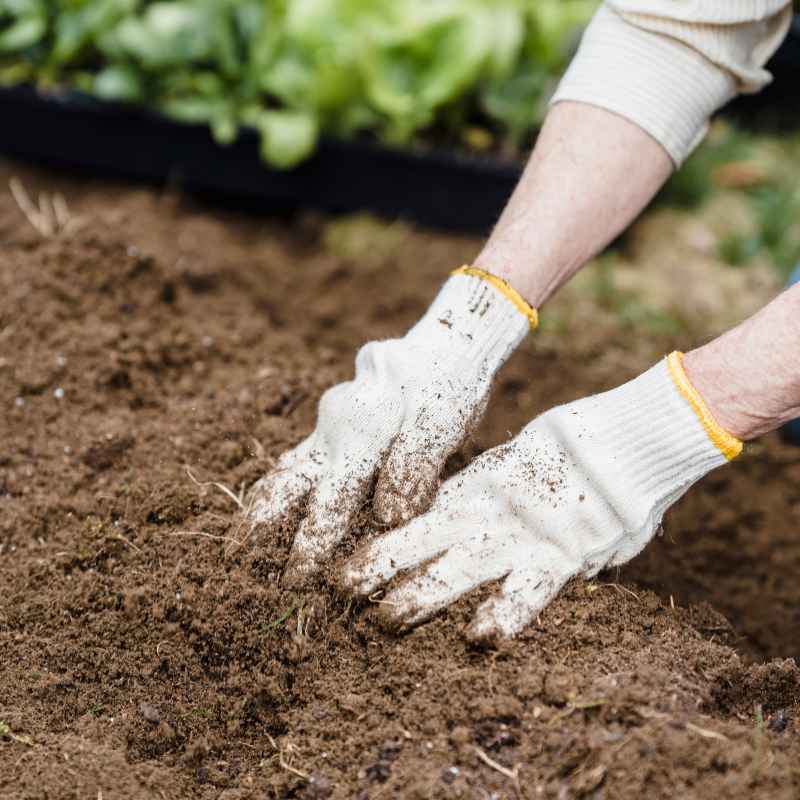
- Rough Tilling/Digging: Use a garden fork or a shovel to begin turning over the soil. For larger areas, a rotary tiller can be used. Start by digging in sections, lifting the sandy soil and dropping it back over the amendments.
- Incorporation Passes: Continue working the soil, mixing the amendments with the native sand. Make several passes, ensuring that the organic material is distributed throughout the entire depth you are working. Break up any large clumps of organic matter or compacted sand.
- Raking and Leveling: Once the amendments are well-mixed, use a sturdy garden rake to smooth out the surface. This helps to break up any remaining large clods and creates a level bed for planting. Rake in multiple directions to ensure an even finish.
- Initial Watering: After incorporating amendments, water the bed thoroughly. This helps to settle the soil and begins the process of decomposition and integration of the new organic matter.
Consider a practice known as “double digging” for ultimate soil preparation. This involves digging out the top layer of soil, loosening the subsoil, then returning the top layer mixed with amendments, and finally adding more amendments to the loosened subsoil. It’s labor-intensive but creates exceptionally well-structured soil.
What Does Good Soil Structure Look Like?
After preparing sand for vegetable gardening, the visual and tactile cues of your soil will tell you a lot about its readiness. Good soil structure in a former sandy bed will feel noticeably different – it will be more cohesive, less gritty, and hold together when squeezed.
You’re aiming for a balance. Sandy soil is too loose; heavy clay soil is too tight. The ideal soil structure, often called loam, has an aggregation of sand, silt, and clay particles, bound together by organic matter.
This creates a structure with both large pores for drainage and aeration, and smaller pores for water and nutrient retention.
Observe your soil: when you grab a handful and squeeze it, it should form a loose ball that crumbles easily when poked. If it stays in a tight, sticky ball, it may still have too much clay or not enough organic matter. If it falls apart immediately into individual grains, it’s still too sandy.
- Appearance: The soil should be dark brown or blackish, indicating a good amount of organic matter. It should look crumbly and not like loose grit.
- Texture: It should feel moist but not soggy. When you rub it between your fingers, it should feel slightly granular but also smooth, with a hint of cohesion.
- Water Retention: After watering, the soil should absorb moisture without immediate runoff. It should remain moist for a reasonable period, not dry out within an hour.
- Aeration: Despite improved water retention, the soil should still feel airy. You should be able to dig into it easily with a trowel without excessive resistance.
- Earthworm Activity: The presence of earthworms is a strong indicator of healthy soil structure and biological activity.
The transition from pure sand to fertile soil takes time and consistent effort, but these visual and textural changes are rewarding indicators of progress.
Mulching for Moisture Retention and Weed Control
Once your sandy soil has been amended and prepared for vegetable gardening, mulching becomes a vital ongoing practice. Mulch is a protective layer of material applied to the surface of the soil. It offers numerous benefits, especially for vegetables grown in soils that naturally tend to dry out quickly.
For sandy soils, mulch is practically a necessity. It acts as a barrier, significantly reducing the rate at which moisture evaporates from the soil surface. This means you’ll need to water less frequently, and your plants will have a more consistent supply of water available to their roots.
Furthermore, mulch helps to suppress weed growth by blocking sunlight from reaching weed seeds.
Beyond moisture and weed control, mulch also helps regulate soil temperature, keeping the soil cooler in hot weather and warmer in cooler weather. As organic mulches decompose over time, they also contribute additional organic matter to the soil, further enhancing its structure and fertility.
Consider these types of organic mulches:
- Straw: A common and excellent choice for vegetable gardens. It’s lightweight, insulates well, decomposes relatively quickly, and is usually free of weed seeds (ensure it’s certified weed-free if possible).
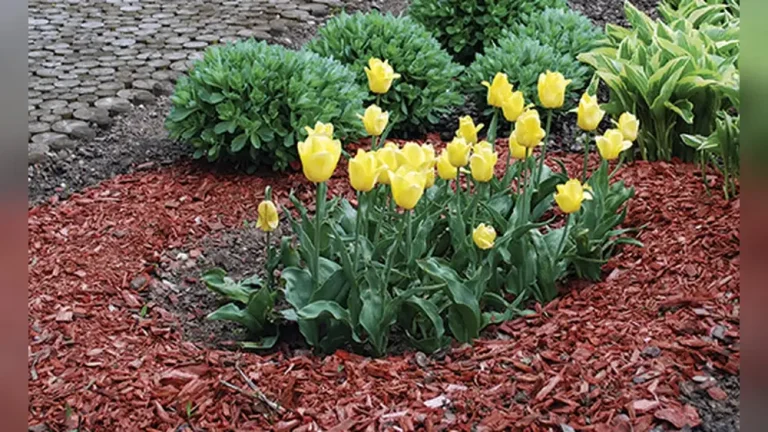
- Shredded Bark/Wood Chips: These are more durable and break down slowly, making them ideal for pathways or around perennial vegetables. For annual vegetable beds, they might decompose too slowly and can temporarily tie up nitrogen from the soil as they break down.
- Grass Clippings: A thin layer of dried grass clippings can be an effective mulch. Avoid thick layers, as they can mat and prevent water and air penetration.
- Compost: A layer of finished compost can also serve as a mulch, providing nutrients as it slowly breaks down.
- Pine Needles (Pine Straw): These are a good option, especially for slightly acidic-loving plants. They decompose slowly and allow water and air to penetrate easily.
The application of mulch is a simple yet powerful technique that complements all the hard work you’ve done in preparing your sandy soil. It’s an ongoing commitment to soil health and plant vitality.
Why Specific Vegetables Might Prefer Sandy Soil
While preparing sand for vegetable gardening generally focuses on adding organic matter to improve its characteristics, it’s worth noting that certain vegetables actually perform quite well, and sometimes even better, in naturally sandy or amended sandy soils. These plants often have adaptations that allow them to thrive in conditions with excellent drainage.
These vegetables typically benefit from the free-draining nature of sand, which prevents root rot. They may also be adapted to environments where nutrients are not overly abundant. Understanding these preferences can help you select the right crops for your garden, especially if you have sandy soil that you’ve only partially amended.
Consider which vegetables are native to or commonly grown in coastal or arid regions. These often have roots that can seek out water and nutrients deep within the soil, and they are less susceptible to the issues caused by overly wet conditions.
- Root Vegetables: Many root vegetables, such as carrots, radishes, beets, and parsnips, appreciate loose, well-drained soil. Sandy soil that has been amended with compost allows these roots to grow straight and develop without encountering hard clods, leading to better shape and quality.
- Certain Legumes: Beans and peas, particularly bush varieties, can tolerate and even prefer well-drained soil. Overly wet conditions can lead to fungal diseases in these plants.
- Heat-Tolerant Crops: Crops like corn, tomatoes, peppers, and squash can benefit from the quick warming properties of sandy soils in the spring. As long as adequate nutrients and moisture are provided through amendments and consistent watering, they can produce well.
- Herbs: Many common garden herbs, such as rosemary, thyme, oregano, and lavender, are Mediterranean in origin and thrive in well-drained, even somewhat lean, soil conditions. While not always grown as “vegetables,” they are frequently found in vegetable gardens.
| Vegetable Type | Why They Benefit | Specific Examples |
|---|---|---|
| Root Vegetables | Loose soil allows for straight, unimpeded root growth; prevents rot. | Carrots, Radishes, Beets, Parsnips, Potatoes |
| Legumes | Less susceptible to root diseases in well-drained conditions. | Bush Beans, Peas |
| Heat-Loving Crops | Sandy soils warm up faster in spring; efficient water use is key. | Tomatoes, Peppers, Corn, Squash, Melons |
| Certain Herbs | Adapted to drier conditions and good drainage; can be more flavorful. | Rosemary, Thyme, Oregano, Sage |
Even for these plants, a moderate amount of organic matter will still be beneficial, ensuring consistent moisture and nutrient availability throughout the growing season.

Frequently Asked Questions
What is the best organic matter to add to sandy soil?
The best organic matter to add is finished compost. It provides a balanced mix of nutrients, improves soil structure, and enhances water and nutrient retention without the risks of uncomposted materials. A blend of compost, aged manure, and leaf mold is also highly effective.
How much organic matter should I add to sandy soil?
For significantly sandy soils, aim to incorporate a layer of 3-6 inches of organic matter over the entire garden bed and till it into the top 6-12 inches. For less sandy soils, 2-4 inches is often sufficient. Consistency is key; annual additions will continue to improve the soil.
Can I use fresh manure in sandy soil?
No, you should not use fresh manure in sandy soil or any soil for vegetable gardening. Fresh manure is too potent and can burn plant roots due to its high nitrogen content and salts. It also may contain weed seeds and pathogens.
Always use well-aged or composted manure.
How often should I amend sandy soil?
It’s beneficial to amend sandy soil every year, especially in the spring before planting. Applying a fresh layer of compost or other organic matter annually will help maintain soil structure, fertility, and moisture-holding capacity as the organic matter naturally decomposes and leaches away over time.
Will sandy soil drain too much even after adding compost?
While adding significant amounts of organic matter dramatically improves water retention in sandy soil, extremely coarse sand might still drain faster than ideal. However, well-composted soil will hold enough moisture for most vegetables. If drainage remains an extreme issue, consider building raised beds with a more balanced soil mix.
Final Thoughts
Preparing sand for vegetable gardening is an investment in your garden’s future. By focusing on incorporating ample organic matter, you transform nutrient-leaching sand into a well-structured, moisture-retentive, and fertile medium. Remember that consistent amendment and mulching are key to maintaining healthy, productive soil for years to come, ensuring your vegetables have the best possible environment to thrive.