Vegetable Gardening Guide
Start a vegetable garden by matching crops to four facts: sun hours, frost dates, space, and how often you’ll harvest; then plant easy, high-return crops first. Ignore that fit, and first gardens slide into weak seedlings, pests, bare spots, and a fridge full of disappointment. This guide gives you a practical system for planning beds, choosing crops, timing planting, and avoiding the beginner mistakes that waste a season.
A useful Vegetable gardening guide starts with the site, because the site decides more than the seed packet does. Illinois Extension breaks home vegetable gardening into stages such as planning, tools, soil, planting, and growing. I’ve found that sequence works because most failures start before sowing, then show up later as poor growth, stress, or pest pressure. (urbanext.uiuc.edu)
Vegetables are the plant parts we eat, roots like carrots, leaves like lettuce, stems like asparagus, flowers like broccoli, fruits like tomatoes and peppers, and seeds like peas and beans. That matters in planning because root crops, leafy crops, and fruiting crops ask very different things from soil, sun, and water. (en.wikipedia.org)
Start with a site audit, not a seed packet


Measure sun hours where you want to grow
Watch the proposed garden area across a full clear day, not just at noon. Track where shade falls in morning, midday, and late afternoon. Fruiting warm-season crops usually want the strongest light, while leafy greens and some roots can handle less.
If a bed gets strong sun only part of the day, that space can work for lettuce, spinach, scallions, beets, or herbs. Put tomatoes, peppers, cucumbers, squash, and beans in the sunniest ground you have. Shade mismatch wastes a season fast.
Check drainage, slope, and wind exposure
Look at the site after a hard rain. If water sits for a long stretch, roots stall, seeds may rot, and disease pressure climbs fast. Slope changes runoff. Low spots stay wet. Exposed corners dry quickly and can tear up tender transplants.
Diagnose drainage before you even think about fertilizer. I’ve seen people feed plants in bad drainage and get soft, stressed growth instead of recovery.
Match space limits to beds, rows, or containers
Small sites usually do better with fewer beds and clear paths than with every inch planted. Beds need reach from both sides, room for airflow, and enough separation that harvest does not mean stepping in soil.
Containers belong in the plan when the site has poor ground, paved surfaces, or patchy sun. Container gardens can solve real site limits, but they also tend to dry faster and need closer watering control.
Set a realistic maintenance budget for time and watering
The real limit in many first gardens is not skill. It is weekday time. A gardener who can check beds every day can manage more direct-seeded crops, succession sowing, and fast summer growth. A gardener who checks twice a week needs simpler spacing, mulch, and fewer thirsty containers.
Choose the garden size by maintenance capacity first. Planting too much is a planning error, not ambition.
What should I do first before planting a vegetable garden?
First, map the growing area, note sun and wet spots, check soil texture and drainage, and decide how water will reach the plants. Then build a short crop list that fits those limits. Choosing crops before checking site conditions leads to crowding, shade problems, and missed planting windows.
Map the garden footprint and walkway access
Draw the site on paper. Mark fences, walls, trees, downspouts, hose access, and paths. Then place beds and walkways before assigning crops.
Walkways are working space, not wasted space. They keep shoes out of beds, reduce compaction, and make weeding and harvest possible after rain.
Test soil texture, organic matter, and pH
Garden soil management belongs near the front of the process. Illinois Extension covers soil management for vegetable gardeners because soil texture, drainage, and organic matter affect almost every later choice. Sandy ground tends to lose water fast. Heavy clay tends to hold water longer and can stay short on air after rain.
Check texture by handling moist soil. Check organic matter by how dark, crumbly, and root-filled the top layer looks. Send a soil sample to a lab or use your extension soil test service for pH and fertility instead of guessing. That keeps amendments from becoming a second mistake.
Choose a watering method before crop selection
Illinois Extension includes irrigation guidance for gardens, and that order makes sense. If watering will be by hand with a can or hose, keep the crop mix compact and close to the house. If drip or soaker lines are possible, larger beds become more manageable.
Do this before buying transplants. Watering reach shapes bed size, crop count, and container use.
Build a first-season crop list you can actually manage
- List household vegetables that get eaten often.
- Cross out crops that need more sun than the site has.
- Cross out crops that need more harvesting than the schedule allows.
- Keep crops with high return for the space available.
- Limit the first season to a short list with one warm-season anchor crop, a few direct-sown crops, and a few quick cool-season crops.
How do I choose what vegetables to grow?
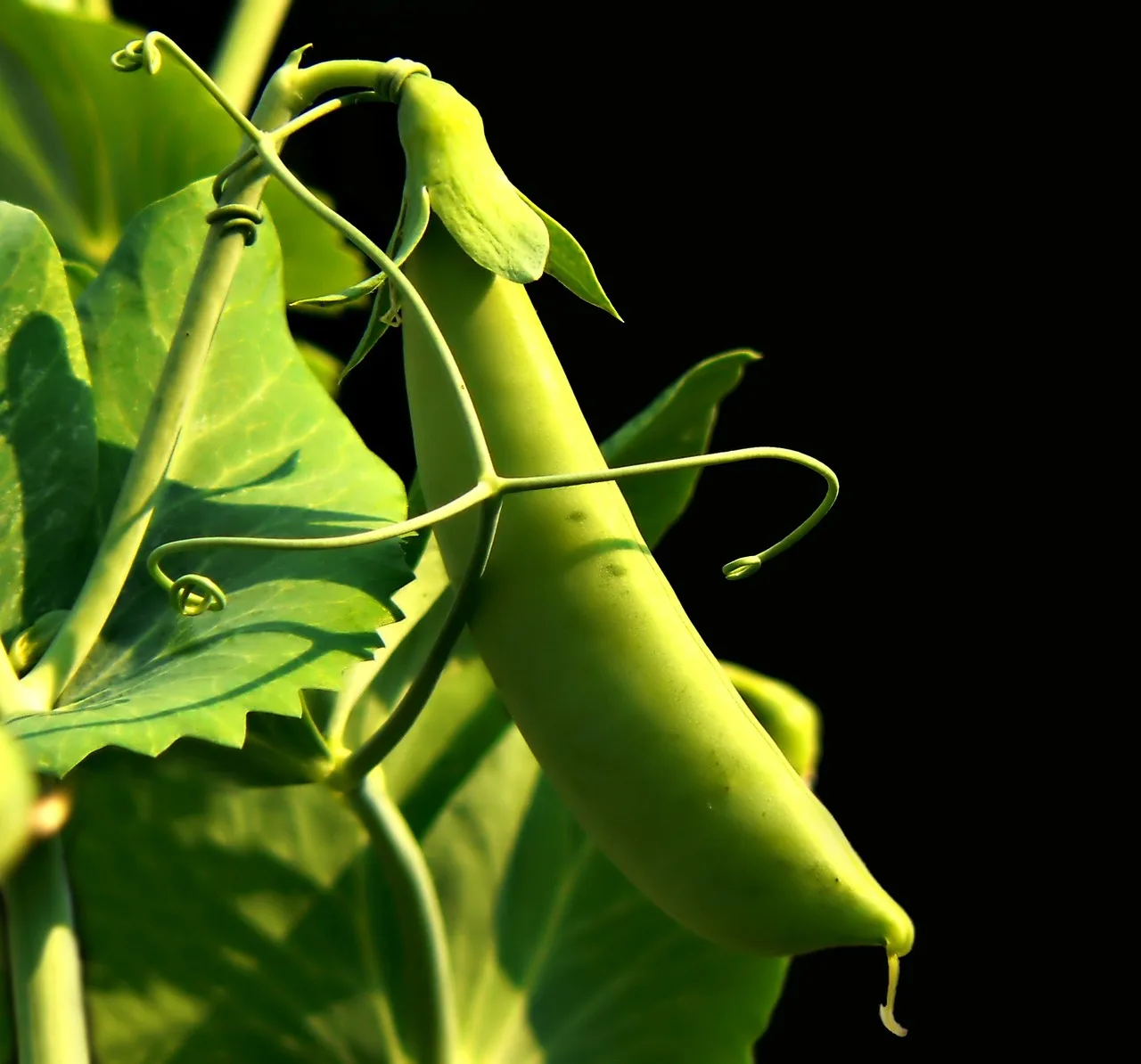
Choose vegetables by matching crop type to sun, season, rooting depth, watering capacity, and what the household will actually eat. Then screen for labor. Fast, productive crops with simple care beat a long wish list. Good crop choice is mostly about fit, not novelty.
Pick crops by sun, season, and rooting depth
Cool-season crops generally do well in cooler temperatures and can often take light frost that would damage warm-season crops. They fit spring and fall. Think peas, spinach, lettuce, radishes, carrots, beets, and brassicas. Warm-season crops need heat and are frost sensitive. Think tomatoes, peppers, beans, cucumbers, squash, and basil.
Rooting depth matters in containers and shallow beds. Carrots need deeper, looser soil than lettuce. Tomatoes and squash take more root room, more feeding, and steadier water than bush beans.
Choose by eating habits and harvest volume
Yield per square foot matters. A small bed of cut-and-come-again greens can feed a household often. A sprawling squash can swallow the same footprint. Crops that produce over time usually give beginners a better return than crops harvested once.
A crop nobody likes is maintenance with no payoff. Skip it.
Use direct sowing for some crops and transplants for others
Direct sow crops that tend to dislike root disturbance or that usually germinate well outdoors in suitable soil. Radishes, carrots, beets, peas, beans, and many greens fit here. Use transplants for crops that need a long season, slow early growth, or a head start before warm weather fully arrives, such as tomatoes, peppers, eggplant, and many brassicas.
Illinois Extension explicitly includes seed starting as a home gardening topic, along with supplemental lighting for indoor seed starting and hardening off indoor seedlings. Indoor starts earn their space when outdoor seasons are short or when warm-season crops would lose too much time waiting for soil to warm.
Start with reliable crops and avoid high-maintenance traps
Easier first choices at home usually include leaf lettuce, bush beans, radishes, peas, zucchini if space allows, kale, and cherry tomatoes if full sun is available. Crops that often punish weak planning include cauliflower, large pumpkins, water-hungry container tomatoes, and sprawling vining crops in cramped beds.
Illinois Extension provides crop-specific vegetable pages from asparagus through watermelon. Use crop references after the site plan is set, not before.
Build a vegetable garden site plan that fits the space
Size beds for reach, airflow, and easy weeding
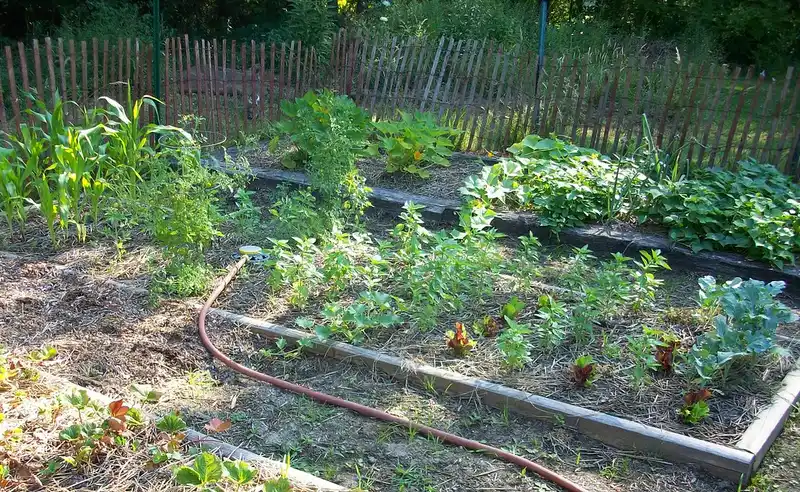
A bed that cannot be reached from the edge becomes a compacted bed. Keep access easy on both sides. Long narrow beds usually beat wide blocks in small home gardens because they make weeding, harvesting, and irrigation layout simpler.
Airflow is part of spacing, especially for tomatoes, peppers, cucumbers, and squash. Crowding creates humid leaf canopies and turns a healthy planting into a disease nursery.
Group crops by height, season, and water demand
Place tall crops where they will not shade shorter ones during the key part of the day. Group cool-season crops together so a spring section can be cleared and replanted for summer. Group thirsty crops together if irrigation is limited.
Do not mix drought-tolerant herbs with moisture-hungry cucumbers in the same watering zone unless hand watering will be frequent and precise.
Plan succession planting and leave room for rotation
Good plans keep one bed or section available for replanting after quick spring crops finish. That is how a small garden stays productive. Rotation matters too. Do not plant the same crop family in the same spot every cycle if another option exists.
Reserve room on paper now. It is hard to invent later once every bed is full.
Use containers where site limits make beds fail
Containers work well for herbs, greens, peppers, bush beans, and compact tomatoes in the right sun. They are poor rescue tools for every problem. In windy or very hot spots, container soil swings from wet to dry quickly, and feeding errors show up faster.
| Site condition | Best setup | Good crop types | Main tradeoff |
|---|---|---|---|
| Deep native soil, drains well, full sun | In-ground beds | Tomatoes, beans, roots, greens, squash | More weeding early on |
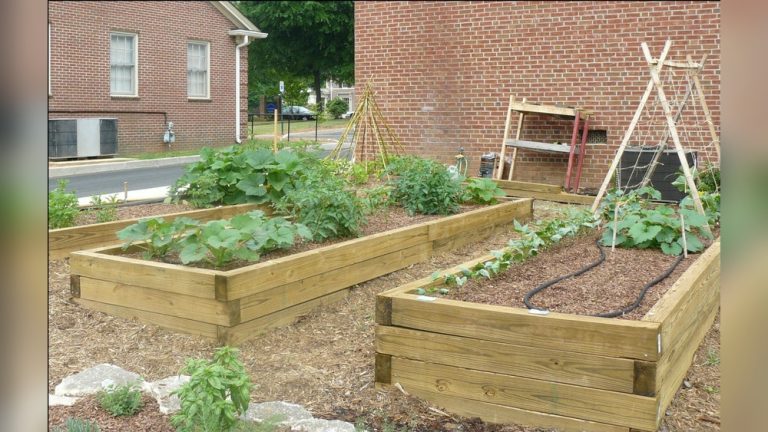
| Heavy or compacted soil, water lingers | Raised beds | Most vegetables, especially roots and fruiting crops | More fill material needed at the start |
| Patio, driveway edge, rented space | Containers | Greens, herbs, peppers, compact tomatoes | Frequent watering and feeding |
| Part sun with only a sunny strip | Mixed beds plus containers in the bright zone | Greens in part sun, fruiting crops in brightest spots | More planning needed to avoid shade mismatch |
Prepare garden soil so roots can actually grow
Fix drainage problems before adding fertilizer
Poor drainage looks like standing water, slow drying, yellow lower leaves, and stalled growth that feeding does not correct. Fix the water problem first by reshaping beds, raising soil level, improving runoff, or switching to raised beds or containers.
Fertilizer in soggy ground often leads to weak top growth over a struggling root system.
Add organic matter without creating soggy soil
Organic matter improves many soils, but the goal is root-friendly structure, not a permanently wet sponge. Compost helps low-organic-matter soils hold water and nutrients more evenly. In already heavy wet soil, too much undecomposed material can worsen the wrong kind of moisture.
Top-dress or mix in stable organic matter according to need. Keep the fix tied to the soil’s behavior, not habit.
Use pH and fertility results to guide amendments
Illinois Extension includes fertilizer guidance for gardens. Use that guidance with a soil test when possible. pH affects nutrient access. Fertility affects growth pace, leaf color, and fruit set. Guessing often leads to excess nitrogen, which can push lots of leaves on tomatoes and peppers while delaying or reducing fruit.
Compost alone may be enough in decent garden soil for lighter-feeding crops. Heavier feeders may need targeted feeding later.
Know when to loosen soil, top-dress, or build raised beds
Loosen compacted soil when it is moist enough to break apart, not sticky. Top-dress when structure is decent and organic matter simply needs replenishment. Build raised beds when drainage, contamination concerns, shallow topsoil, or stubborn compaction keep defeating in-ground planting.
When should I plant vegetables outdoors?
Plant vegetables outdoors when soil conditions, frost risk, and the crop’s temperature tolerance seem to line up. Cool-season crops can go in earlier and handle colder weather. Warm-season crops should wait for warm soil and mild nights. Calendar dates help, but weather pattern and soil condition decide success.
Plant cool-season crops by frost tolerance and soil conditions
Cool-season crops fit the shoulders of the year. Many take frost better than warm-season crops and prefer milder weather. Use them for spring starts and fall restarts. Good choices include peas, lettuce, spinach, carrots, radishes, beets, cabbage, broccoli, and kale.
If soil is waterlogged or still cloddy and cold, delay a bit. Cold tolerance does not mean every bad soil condition is acceptable.
Wait on warm-season crops until soil and nights are warm enough
Warm-season crops want settled weather. Tomatoes, peppers, cucumbers, beans, melons, and squash resent cold soils and can sit still for days, then lose time they never fully regain. Prime sunny space should go to these crops once conditions truly fit them.
Early planting into cold ground is a common mistake because it looks like gaining time. It often does the opposite.
Decide between direct sowing and transplanting by crop
Direct sow when the crop germinates well outdoors and transplant shock is a bigger risk than waiting. Use transplants when the crop is slow to start, needs a long season, or benefits from a protected head start. This choice is one of the biggest success-rate decisions in a beginner garden.
Illinois Extension includes seed starting and hardening off because indoor starts only work if they transition well.
Harden off indoor starts without stalling them
Seedlings raised indoors need gradual exposure to sun, wind, and outdoor temperature swings. Hardening off cuts shock, sunscald, and leaf drop. Supplemental lighting indoors can help prevent weak, stretched seedlings before that transition begins.
Do not harden off seedlings and then leave them waiting too long in small cells. That trades one stress for another.
Set up watering, mulch, and feeding for steady growth
Water deeply enough for roots, not just the surface
Shallow daily sprinkling keeps the top layer damp while roots stay near the surface. Better watering wets the root zone and then lets the surface dry somewhat before the next round, adjusted for crop, soil, and weather. Containers are the exception more often because they dry faster.
Hose watering can work. Drip is easier to repeat accurately.
Adjust frequency for weather, soil type, and containers
Sand needs more frequent watering than heavier loam. Mulched raised beds hold differently than black nursery pots in full sun. Seedlings need steadier surface moisture for establishment. Mature crops can usually go longer between deeper waterings.
During heat, check more often. During rainy spells, stop routine watering and check soil before adding more. Overwatering and underwatering can look similar from a distance.
Choose mulch material and depth by crop stage
Mulch suppresses weeds, slows evaporation, and buffers soil swings. Straw, shredded leaves, and finished compost all work with different tradeoffs. Straw is light and clean around fruiting crops. Shredded leaves suppress weeds well but can mat if applied too thick. Compost feeds lightly and covers soil, but weeds can still break through.
Keep mulch off tiny direct-seeded rows until seedlings are established. A mulch layer that is too heavy too soon can slow soil warming and hinder emergence.
Feed on purpose and avoid overfertilizing
Basic NPK logic matters. Leafy crops use nitrogen readily. Fruiting crops still need nitrogen, but too much can tilt them toward leaf growth over fruit. Side-dress only when crop behavior or soil results support it.
Watch for salt stress in containers and new raised beds that get fed repeatedly. More fertilizer is often the wrong response to poor growth caused by waterlogging, cold soil, or root restriction.
Manage pests, disease, and common beginner mistakes
Scout weekly and catch problems while they are small
Illinois Extension covers weed management, and weekly monitoring should include weeds, insects, leaf damage, discoloration, and wilting patterns. Turn leaves over. Check new growth and the soil line. A small pest issue is usually manageable. A two-week-old surprise can be a crop failure.
Prevent disease with spacing, airflow, and watering habits
Most disease prevention starts with the layout. Give plants enough room, water the root zone instead of wetting leaves late in the day, and remove badly infected foliage before spread speeds up. Stressed plants invite more trouble.
Dense, shaded, overfed plantings are where disease takes hold first.
Use least-toxic controls for common insects
Start with hand removal, barriers, pruning of affected leaves, and stronger plant health through proper spacing and watering. Identify the pest before reacting. Chewed holes, stippling, slime trails, and curled leaves point to different causes and need different responses.
Spraying everything on a schedule often hurts timing and judgment more than it helps.
Recover from overwatering, crowding, shade mismatch, and planting too much
Overwatered beds need time to dry and often less mulch pulled back from stems. Crowded seedlings should be thinned early, even when it feels wasteful. Shade mismatch requires moving containers, pruning competing shade if possible, or replacing poor performers with tolerant crops.
Planting too much is fixed by removing weak, late, or unwanted crops and focusing care on the best remaining section. Saving the whole plan is less useful than saving the best part of it.
Use the vegetable garden decision checklist and mistake tracker
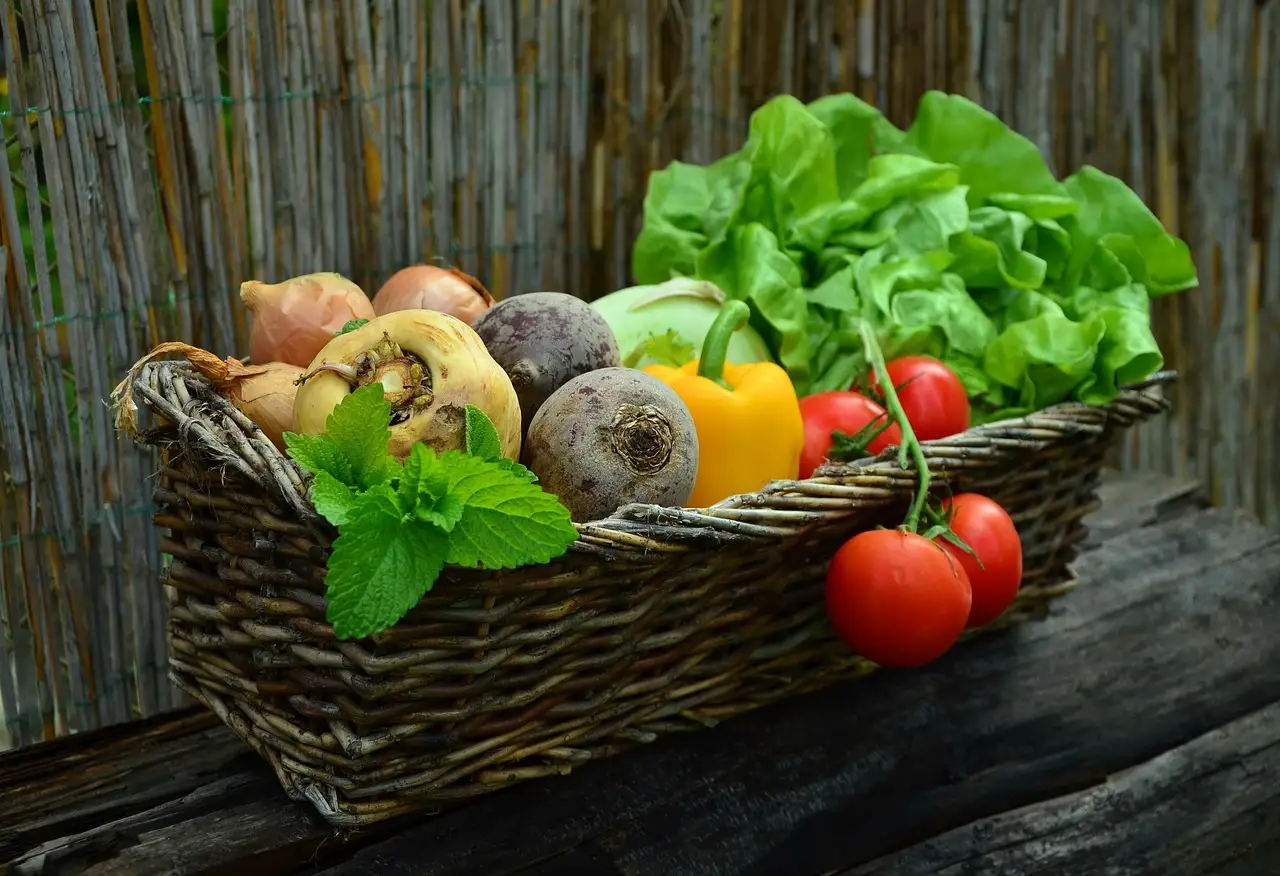
Map sun, space, drainage, time, and watering capacity to crop choices
Use this one-page checklist before buying seeds or transplants.
| Decision factor | If the answer is this | Choose these crops or setups | Avoid or limit |
|---|---|---|---|
| Sun exposure | Full sun most of the day | Tomatoes, peppers, beans, cucumbers, squash, basil | Nothing major, if watering is adequate |
| Sun exposure | Part sun | Lettuce, spinach, kale, scallions, beets, herbs | Large fruiting crops as main plan |
| Space | Very limited | Cut greens, bush beans, herbs, compact peppers, containers | Large vining crops unless trained carefully |
| Drainage | Water lingers after rain | Raised beds, containers, shallow-rooted greens first | Direct sowing into heavy wet ground |
| Time available | Short weekly check-ins | Mulched beds, fewer crops, transplants, drip or soaker setup | Large mixed container collections, frequent succession sowing |
| Watering capacity | Can water often | Containers, salad greens, cucumbers, tomatoes | None, if drainage is good |
| Watering capacity | Can water only sometimes | In-ground or raised beds with mulch, beans, roots, herbs | Many small pots in full sun |
Choose the right setup: in-ground, raised bed, or containers
Choose in-ground beds when native soil is workable and drains well. Choose raised beds when drainage, compaction, or shallow soil keeps blocking success. Choose containers when the site is hard surface, rental space, or limited to sunny fragments.
The right setup reduces labor later. The wrong one adds it every day.
Run the stage-by-stage mistake tracker through the season
- Pre-plant: Mistake: crop list built before site audit. Fix: cut crops that do not match sun, space, or water.
- Planting: Mistake: warm-season crops planted into cold, wet soil. Fix: replant if losses are severe and wait for settled weather.
- Early growth: Mistake: seedlings crowded or mulch packed over rows. Fix: thin promptly and pull mulch back.
- Peak season: Mistake: shallow frequent watering and heavy feeding. Fix: water deeper, stop extra fertilizer, monitor recovery.
- Harvest: Mistake: crops left too long, causing slowdown or poor flavor. Fix: harvest on maturity signals and pick productive crops often.
Turn the checklist into a repeatable planting calendar
Split the season into cool-season spring, warm-season main season, and cool-season fall. Assign each bed a first crop, follow-up crop, and likely cleanup date. Keep notes on what bolted, what stayed healthy, and what needed too much water.
That turns one season into a better next season instead of another reset.
Harvest at the right time and keep the garden producing
Read maturity signals instead of relying on packet days alone
Packet timing is a guide. Weather, soil warmth, and stress shift the pace. Harvest by crop signals first: full color, size, firmness, leaf tenderness, pod fill, or root shoulder size at the soil line.
If growth slowed earlier from cold or wet soil, maturity may arrive later than expected even in a healthy planting.
Pick continuously to extend yield on productive crops
Beans, cucumbers, zucchini, okra, herbs, and leaf lettuce produce better when picked regularly. Leaving oversized fruit on the plant often slows new production. Continuous harvest is maintenance, not an afterthought.
Handle vegetables for better flavor and storage life
Harvest greens before heat wilts them. Keep roots shaded after pulling. Avoid washing storage onions or garlic until curing is appropriate. Fruiting crops bruise easily when piled in a bucket during hot weather.
Peak flavor often comes from harvesting slightly earlier than the overgrown stage sold as abundance on social feeds.
Review what worked so next season starts ahead
Note which beds stayed wet, which crops earned their space, and which tasks got skipped. If a crop needed daily attention and the schedule could not support it, that was a fit problem, not a personal failure.
Frequently asked questions
how to have the best vegetable garden
The best vegetable garden is the one matched tightly to sun, soil drainage, space, season, and available labor. Put the highest-light, highest-return crops in prime spots, keep the crop list short, and build weekly routines for watering, scouting, and harvest so small problems do not turn into lost beds.
how do I start a vegetable garden for beginners
Start by auditing the site, then choose a small number of crops that fit the sun, watering capacity, and season. Use simple beds or containers with easy access, prepare soil based on drainage and texture, and mix direct-sown quick crops with a few dependable transplants for faster early success.
what vegetables are easiest to grow at home
For many home gardens, the easiest vegetables are leaf lettuce, radishes, bush beans, peas, kale, beets, and zucchini if space is available. In full sun, cherry tomatoes can also be rewarding. The easiest crop is still the one that fits the site and gets harvested often.
how do I prepare soil for vegetable gardening
Prepare soil by checking drainage first, then improving structure with organic matter where needed and using a lab soil test to guide pH and fertility adjustments. Loosen compacted ground when conditions are right, top-dress decent soil rather than overworking it, and use raised beds where wet ground keeps defeating roots.
how much water does a vegetable garden need
A vegetable garden needs enough water to wet the active root zone, but the exact amount changes with soil type, mulch, weather, crop stage, and whether plants are in beds or containers. Seedlings need steadier moisture. Established plants usually do better with deeper, less frequent watering than with shallow daily sprinkles.
what are the most common vegetable garden problems
The most common problems are overwatering, underwatering, poor drainage, too little sun for the chosen crops, overcrowding, planting too much, excess fertilizer, weeds, pest flare-ups, and bolting in hot weather. Most trace back to a mismatch between crop choice and the real limits of the site.