How to Mulch a Vegetable Garden with Straw
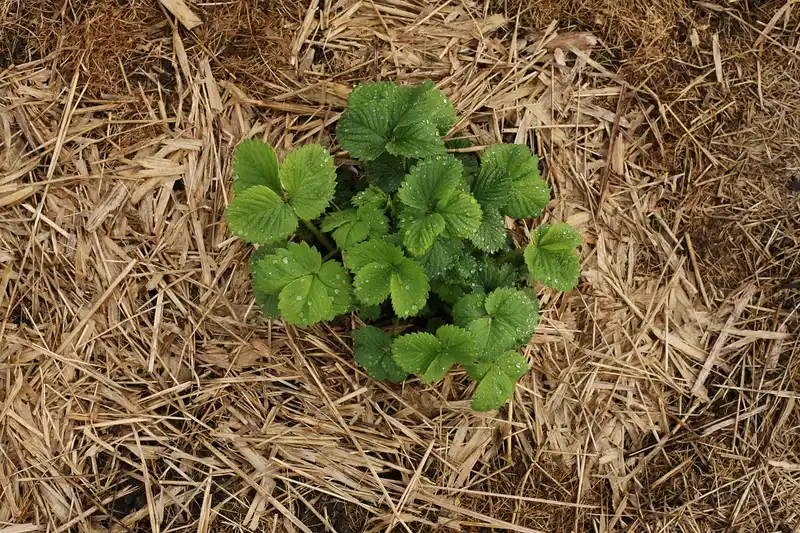
Mulch vegetable beds with 2 to 4 inches of clean straw after seedlings are established, and keep it a few inches off stems and crowns. Apply it too early or too thick, and straw can bury seedlings, hold extra moisture, and slow soil warming. Extension guidance on organic mulches generally points to a few inches of loose coverage rather than a packed mat, with crown clearance left open for airflow and disease prevention. See the University of Minnesota Extension’s organic mulch guidance and Penn State Extension’s mulch guidance for the basic principles. This guide shows when to add straw, how deep to spread it, and how to adjust the method for rows, raised beds, and crops like tomatoes, peppers, squash, and potatoes.
When should you choose straw, skip it, or use something else?


Choose certified weed-free straw when you want a clean, lightweight mulch for established vegetables and you can source a product with low seed contamination. Ordinary straw is acceptable when it is visibly clean, dry, and free of seed heads. Skip straw entirely for fresh sowings, beds with persistent slug pressure, or ultra-windy sites where mulch will not stay put. Extension sources also caution that any mulch should stay loose and not touch the plant base. See University of Minnesota Extension and Clemson Home & Garden Information Center.
- Choose certified weed-free straw when weed seed contamination would create extra labor, especially in new beds, market-style rows, or areas where you cannot tolerate volunteer grasses.
- Use ordinary straw only when it is clean, dry, and clearly low in seed heads, and when the crop is already established enough to rise above the layer.
- Skip straw when you have just direct-sown seed, can see seed heads in the bale, are dealing with persistent slugs or snails that favor damp mulch, or garden in extreme wind where the layer will blow away.
What straw mulch
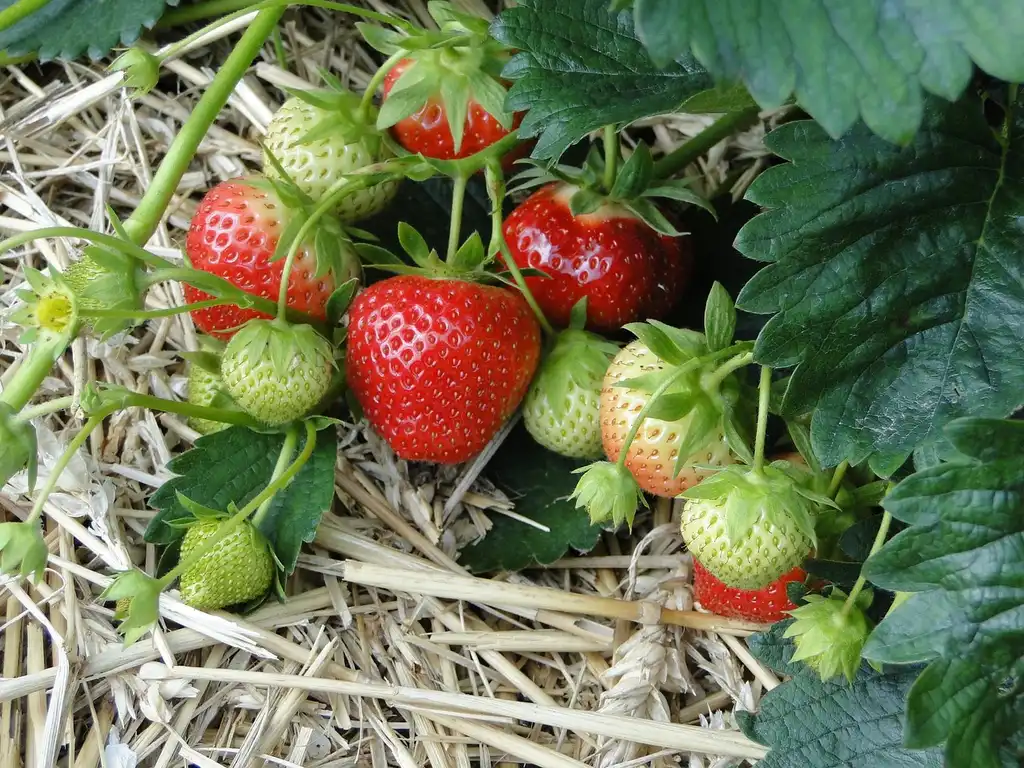
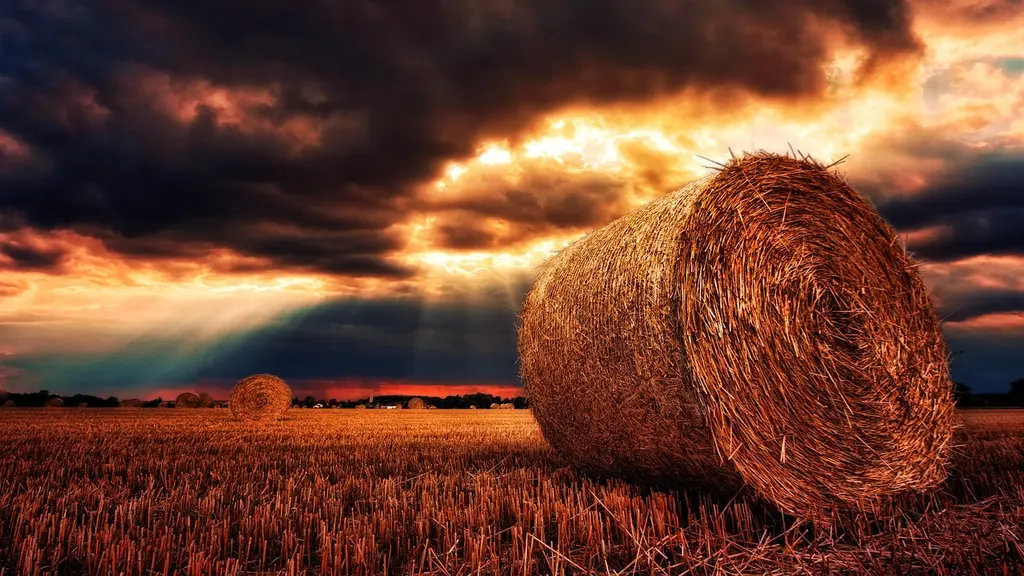
Straw mulch comes from dry stalks left after grain harvests such as barley, rice, oats, or wheat. In vegetable beds, it is valued because it is light, inexpensive, easy to handle, and usually low in seed when the product is clean and handled well.
Straw is not hay. Hay is cut as livestock feed and often carries grass and weed seeds, so it can sprout unwanted plants in a garden bed. Pine straw is also different; it is pine needles, not true straw, and it breaks down at a different pace.
Straw versus hay
For vegetable rows, straw is usually the safer choice. Hay may look similar in a bale, but the seed load is the problem. If you use the wrong material, you can trade weed control for more weeding later. For a direct comparison of the two materials, see straw vs. hay.
Weed-free straw and bale types
Certified weed-free straw is the best bet when you can get it. Packaged products may be steam-treated or screened, while loose straw and ordinary bales can vary more from lot to lot. That matters most with wheat straw, where weed seed contamination is the main concern.
Pine straw as a separate option
Pine straw can work in some gardens, especially ornamental borders, but it is not a true straw mulch for most vegetable beds. Its texture, acidity, and breakdown rate differ from grain straw, so treat it as a separate mulch choice rather than a direct substitute.
What will you need?
- Clean straw mulch, preferably weed-free or certified weed-free
- A rake or pitchfork for spreading and loosening bales
- A hose or watering can to wet the bed before mulching
- Gloves for handling baled straw
- A tarp, if you want to move and fluff a bale without scattering it
How do you mulch a vegetable garden with straw?
Start with a watered, weeded bed, then wait until plants are established before adding straw. Spread it in an even layer, keep it off stems and crowns, and check the bed again after settling. The goal is coverage without burying the crop; loose mulch also helps moderate soil moisture and reduce splash from irrigation and rain, which matters for foliar disease risk in crops like tomatoes and peppers. See University of Minnesota Extension and Penn State Extension.
- Water the bed thoroughly and remove existing weeds.
- Wait until transplants are established or seedlings are large enough to stand above the mulch.
- Break up the straw and spread it between rows and around plants.
- Keep straw a few inches away from stems, crowns, and leaves.
- Recheck after rain or irrigation, then add 1 inch more where the layer has settled or thinned.
Say your tomato bed is 4 feet by 8 feet and you spread loose, fluffy straw about 4 inches deep. If the straw has already settled after a week of watering, you may need one more inch to restore coverage in open patches. That extra inch matters more than piling on a thick mat all at once.
When should straw go down?
Put straw down after plants are established, not over fresh seed or tiny seedlings. For transplants, wait until roots have taken hold and the plant is standing upright on its own. For direct-sown crops, hold off until the seedlings are tall enough that mulch will not bury them.
What about direct-sown crops?
Direct-sown carrots, lettuce, beans, and similar rows need open soil at germination. Add straw only after the row is up and the young plants are easy to see. Put it on too early and you can block emergence or leave a damp surface that makes sprouting uneven.
What about transplants?
Many guidance sources suggest waiting until transplants are about 10 to 12 inches high before adding straw. That is a practical threshold because the plant can stay above the mulch while roots are still building. Small transplants need room around the stem. See SARE’s organic mulches guidance and University of Georgia Extension’s mulch recommendations for similar depth and timing principles.
What about raised beds and row plantings?
Raised beds dry faster and can benefit from straw once plants are established. In narrow rows, place straw between plants and down the paths first, then fill in around the crop. Keep the crown zone open so irrigation reaches the root area cleanly.
How thick should straw mulch be in a vegetable garden?
A common working range is 3 to 6 inches, with about 4 inches often cited for vegetables. Lighter coverage may be enough in sheltered beds with low weed pressure, while heavier coverage can help in hot, windy, or weedy sites. Keep the mulch off stems either way. For mulch depth basics, see University of Minnesota Extension and Clemson Home & Garden Information Center.
When should you go lighter or heavier?
Go lighter around small transplants or in cool spring soil where you still want warming. Go heavier in open beds where weeds are aggressive, but stop before the layer turns matted. A dense wet mat can slow air movement and create a soggy surface.
How does depth change for wind and weed pressure?
Windy gardens often need a slightly deeper, fluffier layer to stay in place. Weed-prone beds may need the top end of the range, especially between rows. If the site is very exposed, water the straw after spreading so it settles before the next gust.
What should the straw mulch planning table look like?
The best planning table should match crop type to timing, settled depth, and the clearance needed around stems or crowns. That makes straw easier to use for direct-sown roots and greens, established transplants, potatoes, cucurbits, and tall fruiting crops without smothering the plant base.
| crop type | when to apply straw | recommended depth/clearance |
|---|---|---|
| Direct-sown roots and greens | After seedlings emerge and are easy to see | 2 to 3 inches, kept 2 to 3 inches from stems |
| Transplants | After plants are established and standing well | 3 to 4 inches, kept a few inches off stems and crowns |
| Potatoes | After shoots are up and growing | 4 to 6 inches, with room to hill and keep stems partly exposed |
| Cucurbits | After vines are established and spreading | 3 to 4 inches, kept away from the crown and young vines |
| Tall fruiting crops | After plants reach roughly 10 to 12 inches high | About 4 inches, kept clear of the main stem base |
What common mistakes should you avoid?
The biggest failures are simple. Straw works when it stays loose, clean, and off the plant base. It fails when it is packed too early, contaminated with seeds, or left to mat into a wet blanket.
- Mulching too early: wait until seedlings or transplants are established.
- Using hay by mistake: hay can introduce grass and weed seeds.
- Pressing straw against stems or crowns: that can trap moisture and invite rot.
- Ignoring matting: fluff compacted areas so water can reach the soil.
- Ignoring blow-off: wet the mulch lightly after spreading in exposed beds.
- Skipping checks for slugs and snails: clean, dry straw is less risky than damp, packed straw.
Picture a 3-foot-by-6-foot pepper bed on a windy site. If the straw is tossed on at full depth all at once, it can drift into clumps and leave bare soil between plants. A thin first pass, then a top-up after settling, usually stays where you want it.
Is straw mulch a good choice for vegetable gardens?
Straw is a good choice when you want moisture control, weed suppression, and a lighter material that is easy to spread in annual beds. It also helps reduce soil splash around tomatoes and peppers, and it can slow evaporation enough to stretch the watering interval. University and extension guidance commonly notes that organic mulches can reduce how often beds need irrigation once the soil is covered, though exact timing depends on weather, crop size, and soil type. See University of Minnesota Extension and Penn State Extension.
When is straw worth it?
Use straw when your beds are planted in tomatoes, peppers, squash, potatoes, or other annual vegetables and you can get clean product locally. GardenersPath says it can reduce watering needs from every day or two to about once a week, and the Old Farmer’s Almanac gives a similar once-a-week pattern. Use that as a general expectation, not a fixed schedule, because evaporation changes with heat, wind, plant size, and soil texture.
When may another mulch fit better?
If local straw is expensive, dirty, or hard to source weed-free, another mulch may make more sense. In some beds, clean leaf mulch or a different organic mulch may be easier to justify. The right choice is the one you can keep clean and in place.
When should you skip straw entirely?
Skip straw if the bed is full of freshly sown seed, if the product contains visible seed heads, or if the plants are still too small to stand above it. Also skip it when the site is so windy that even a settled layer will blow away before it can do any work.
Frequently asked questions
Is straw a good mulch for a vegetable garden?
Yes, when the straw is clean and weed-free. It blocks light from weed seedlings, helps hold soil moisture by slowing evaporation, and reduces soil splash. It is especially useful in annual beds with tomatoes, peppers, squash, and potatoes.
What kind of straw is best for vegetable garden mulch?
Certified weed-free straw is the safest pick. Packaged straw can be easier to handle and may be screened or treated, while loose or baled straw varies more. Typical straw does not contain seeds, but weed-free product is the better choice when seed contamination matters.
How often do you need to add more straw mulch?
Check the bed every few weeks, especially after heavy rain or repeated watering. Reapply when the layer settles below about 3 inches or when bare soil starts showing. A 1-inch top-up is usually enough to restore coverage without smothering the crop.
Can you use hay instead of straw in a vegetable garden?
It is safer not to. Hay often contains grass and weed seeds, so it can create more weeding work later. If straw is unavailable, look for another clean mulch rather than treating hay as the same material.
Is pine straw mulch good for vegetable gardens?
It can be used in some gardens, but it is not the same as grain straw. Pine needles have a different texture and breakdown rate, so they are better treated as an alternative mulch than a direct replacement for vegetable-bed straw.