How to Stake Tomatoes and Peppers Properly
Stake tomatoes with one sturdy support per plant, 6 to 8 feet for indeterminate types and 4 to 6 feet for determinate types, and use a 3- to 4-foot stake for most peppers. Bad staking lets stems rub, split, or flop into soil, which means more breakage, disease, and fruit loss. This guide shows how to match support style, tie placement, and plant habit so plants stay upright with minimal rework.
What you need first


- Stakes or posts: wood, metal, bamboo, or composite; choose straight pieces with enough stiffness for the plant’s final height.
- Cages or trellis materials: tomato cages for bushy plants, tall stakes for single-stem training, or posts and twine for row planting.
- Soft ties: garden twine, Velcro ties, cloth strips, or silicone ties.
- Clips: plant clips for peppers or single-stem tomatoes when the stem diameter and support fit the clip size.
- Hammer or mallet: for driving stakes without splitting the top.
- Hand pruners: for suckers and weak side shoots on indeterminate tomatoes.
- Measuring tape: to set stake height and spacing before you install anything.
Which support fits your plants?
Start with plant habit. Determinate tomatoes usually do well with cages or short stakes, indeterminate tomatoes need taller supports and more regular tying, and peppers need lighter support unless they are tall, loaded with fruit, or exposed to wind. Container plants and balcony plants need extra anchoring.
Determinate tomatoes
Determinate plants grow to a set height, set fruit in a concentrated window, and then slow down. A 3- to 6-foot cage or a short stake often works well. Use a cage with a wide diameter so foliage does not crowd the center.
Indeterminate tomatoes
Indeterminate vines keep growing until frost, so they need taller stakes, trellises, or a Florida weave. These plants usually need more training and more tie points. A short cage often becomes crowded and fails to hold the top of the plant once fruit loads increase.
Peppers in beds, pots, and windy spots
Bell peppers often need only light support, but tall peppers and heavy-fruiting plants benefit from a stake, small cage, or clip system. In open beds, on patios, or on balconies, wind raises the need for thicker support and closer tie spacing. Containers usually need one support per plant.
Install support before roots spread
Set stakes, cages, or posts at transplant time or soon after. Early installation reduces root damage and lets you place the support where it belongs. If you wait until the plant is large, you risk cutting roots or bending stems while trying to force the support into place.
Place stakes or cages at transplant time
Push the stake or cage into the soil before the root ball fills the bed. For tomatoes, set the support close enough to work with the main stem, but not so close that it bruises roots. For peppers in pots, put the support in before the roots spread across the container.
Set the support deep enough
Tomato stakes commonly run 5 to 8 feet, depending on variety, and should go at least 8 to 12 inches into soil. In containers, secure the stake so it cannot rock or tear the side of the pot. If the support wiggles, the ties will fail faster.
Protect roots and stems during installation
Drive the stake straight down, not at a sharp angle through the root zone. Use a mallet for wood or metal stakes, and stop if the top begins to split. For cages, center the cage before the plant gets wide enough to catch on the wires.
How do you tie and train plants?
Use a loose figure-eight tie, place ties at regular intervals, and adjust them as growth continues. The goal is support without abrasion. A tie that pinches the stem can scar it, while a tie that is too loose lets the plant whip in wind and rub against the support.
Use a loose figure-eight tie
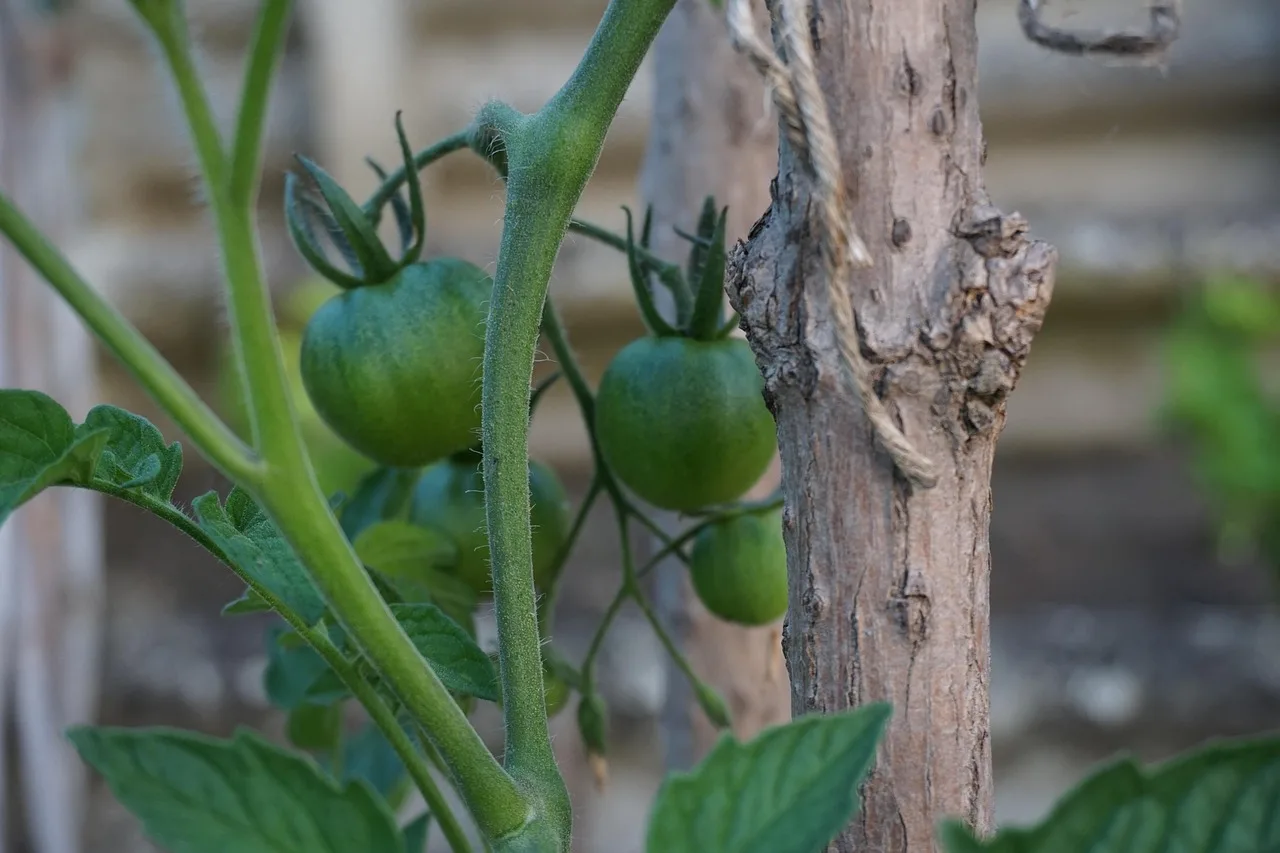
Wrap the tie around the stake first, cross it in a figure-eight, then loop it around the stem. Leave room for the stem to thicken. Do not use wire or tight knots. Soft ties such as twine, Velcro, cloth strips, or silicone ties work best.
Tie at regular growth intervals
A common rule of thumb is to add a tie every 8 to 12 inches of growth on indeterminate tomatoes. For peppers, tie where the stem starts to lean or where fruit weight pulls the plant sideways. If the plant is in wind, shorten that spacing so the stem cannot swing far enough to rub.
Train indeterminate tomatoes to one leader
Remove side shoots as needed and keep one main stem on a stake or trellis system. This cordon-style training improves airflow and makes fruit easier to reach. It also keeps the plant narrow enough that ties and stake spacing stay manageable.
Add clips or extra support for peppers
Use tomato clips or soft ties for peppers with heavy fruit loads. A short stake often prevents stem splitting near the base. If the plant leans after rain or wind, add a second tie rather than forcing the original tie tighter.
Support decision checklist
| Plant type | Recommended support type | Minimum stake height | Tie material and install timing | Container and wind adjustments |
|---|---|---|---|---|
| Determinate tomato | Wide cage or short stake | 4 to 6 feet | Soft ties or clips; install at transplant time | Use a wider cage in pots; add a second tie in windy beds |
| Indeterminate tomato | Tall stake, trellis, or Florida weave | 6 to 8 feet | Soft ties every 8 to 12 inches; install at transplant time | Use deeper anchoring in containers; upgrade stake thickness in wind |
| Bell pepper | Short stake or small cage | 3 to 4 feet | Velcro, twine, or silicone tie; install early | One support per plant in pots; move ties higher as fruit sets |
| Tall pepper | Stake, cage, or clip | 3 to 5 feet | Soft tie or clip; install at transplant time | Use a heavier stake on balconies and patios |
| Container plant | One stake or cage per plant | 3 to 8 feet, depending on crop | Soft tie; install before roots fill the container | Weight the base or use a support that does not tear the pot wall |
| Wind-exposed plant | Thicker stake, cage, or woven row system | Same as plant type, with extra height margin | Closer tie spacing; install early | Use stronger posts and check ties after storms |
How do you plant and support tomatoes and peppers in the same space?
Yes, tomatoes and peppers can grow together if each plant gets its own support and enough spacing. Both crops need full sun and regular watering, but tomatoes usually need taller, stronger support. Peppers stay more compact, so they should not be crowded under tomato canes or cages.
Choose support by plant, not by bed
Do not assume one support plan fits every row. A bed with indeterminate tomatoes and bell peppers may need tall stakes for the tomatoes and shorter stakes for the peppers. If space is tight, keep tomato vines on the outside edge so their supports do not shade peppers.
Mind spacing and access
Leave enough room to tie, prune, and harvest without bending stems. A common first-timer mistake is pushing peppers too close to a tomato cage and then trapping the pepper leaves as the tomato widens. Give each plant a clear path to its own stake or cage.
What if the plant outgrows its support?
If a plant outgrows its support, add height, add a second support, or switch systems before stems bend sharply. If the top leans after wind, retie it at once. Waiting usually turns a simple adjustment into a split stem, broken cluster, or a plant that cannot stand back up cleanly.
Add height or a second support
- Extend the system with a taller stake, a taller cage, or a second post.
- Add a new tie 8 to 12 inches above the last secure point.
- Check the stem the next day and again after the next growth flush.
Fix toppled plants after wind
- Lift the plant upright without twisting the main stem.
- Press the stake deeper or add a second anchor on the windward side.
- Retie the stem with a loose figure-eight, then recheck after 24 hours.
Suppose an indeterminate tomato in a bucket reaches 5 feet and the top bends over the rim. Add a taller stake or a second upright right away, then tie the main stem every 8 to 12 inches. If you only tighten one low tie, the upper vine will still flop and rub.
Common mistakes
Most support failures come from short stakes, crowded cages, or ties that are too tight. The fix is simple: use stronger support earlier, give the plant room to grow, and inspect ties often enough to keep up with stem thickness and fruit weight.
Using stakes that are too short
Short stakes leave the top heavy and unstable. Choose 5 to 8 feet for most tomatoes, with 6 to 8 feet for indeterminate plants. For peppers, 3 to 4 feet is usually enough unless the plant is tall or exposed to wind.
Crowding cages around foliage
Cages that are too narrow trap leaves and make harvesting difficult. Pick a wider cage for determinate tomatoes so the plant can fill it without being pinched. Many small cages fail once indeterminate vines load up with fruit.
Tying stems too tightly
Tight knots cut into soft stems and bruise them when the wind moves the plant. Use a loose figure-eight and soft material. If a stem is swelling at the tie point, remove it and retie higher up.
Waiting too long to install support
Late installation increases root damage and stem breakage. Put the stake, cage, or post in early, then adjust as growth continues. For container plants, place the support before the roots fill the pot walls.
Using the wrong system for the site
Florida weave works best for rows, not single containers. A bucket on a balcony usually needs one support per plant, while a field-style row can use posts and woven twine. Match the method to the planting setup, not just the crop.
Frequently asked questions
How to make tomato stakes
Cut wood, bamboo, metal, or composite pieces to the height your variety needs, then remove rough edges that can cut ties. For most garden tomatoes, aim for 5 to 8 feet total length and drive 8 to 12 inches into the ground or secure the base in a container.
How to stake tomatoes in buckets
Use one support per plant and secure it so the bucket does not tip or split. A stake should not tear the container side, so place it before the roots fill the pot or use an internal anchor. Windy patios often need a heavier base or a second tie point.
Do tomatoes and peppers grow together?
Yes, if you keep their support systems separate and give each plant enough room. Tomatoes usually need taller, stronger supports than peppers, so place tomato stakes where they will not shade or crowd the peppers. Container plantings usually need even closer attention to stability.