How to Protect Vegetables From Deer, Rabbits, and Birds
Use an 8-foot deer fence for heavy deer pressure, fine-mesh rabbit fencing with a buried bottom edge for rabbits, and taut bird netting or row cover for birds. Pick the smallest barrier that still clears the crop and matches the pressure. Get the match wrong, and wildlife can strip seedlings, clip stems, and peck fruit before harvest.
What you’ll need


- Deer fencing or tall mesh fencing
- Rabbit-proof mesh fencing or chicken wire
- Bird netting for fruiting crops and seedlings
- Row cover fabric
- Low tunnel hoops in PVC, wire, or metal
- Stakes, clips, zip ties, and garden staples
- Wire cutters, pliers, shovel, and a mallet
- Optional: motion-activated sprinkler
- Optional: motion sensor lights
- Optional: electric fence components
- Optional: ultrasonic animal deterrent
How do you choose the right protection?
Start with the animal causing the worst damage, then fit the barrier to the crop and garden size. A tall woven-wire deer fence is the strongest answer for persistent deer, while rabbits need small openings and a secured bottom edge. Birds usually need netting or row cover, not scent deterrents.
If the plot is small, use the lightest barrier that still blocks access. If the crop must stay open for pollination, plan a removable cover and take it off on time. Put protection on as buds emerge, before animals learn the bed is a food source.
- Identify the main pest. Deer leave torn tops and browsed stems, rabbits clip tender growth low, and birds peck leaves, fruit, or seedlings.
- Choose the first barrier. Use deer fence, rabbit mesh, or bird netting before you reach for repellents.
- Match the barrier to the crop. Low greens and seedlings can sit under row cover; fruiting crops may need netting plus open access for pollinators.
- Check budget and labor. Fencing costs more and takes longer, but it lasts longer than sprays or one-off deterrents.
- Plan the remove date. Take covers off when flowers need pollination or when plants outgrow the frame.
Step 1: Match the barrier to the pest
Use deer fencing for deer, rabbit mesh for rabbits, and bird netting or row cover for birds. Deer fencing needs about 8 feet for serious exclusion and must be installed securely so animals cannot jump through, crawl under, or push it down.
Rabbit-proof fencing needs a bottom small enough for babies not to sneak through, and the bottom should be buried so rabbits cannot dig under it. Chicken wire works as a physical barrier around beds and is best for excluding small mammals, especially around low crops.
Row cover can help protect tender young plants from deer and rabbit nibbles, but it is not a reliable deer barrier on its own. Birds need their own fix. Taut netting or row cover works better than scent-based sprays for pecking pressure.
What vegetables do deer usually avoid?
Deer pressure often hits tender, high-value crops first, but they do not leave every bed alone. Crops that are tougher, strongly flavored, or less accessible can face less browsing, yet no vegetable is safe where deer are hungry enough. A fence beats guessing.
Step 2: Build the barrier around your garden type
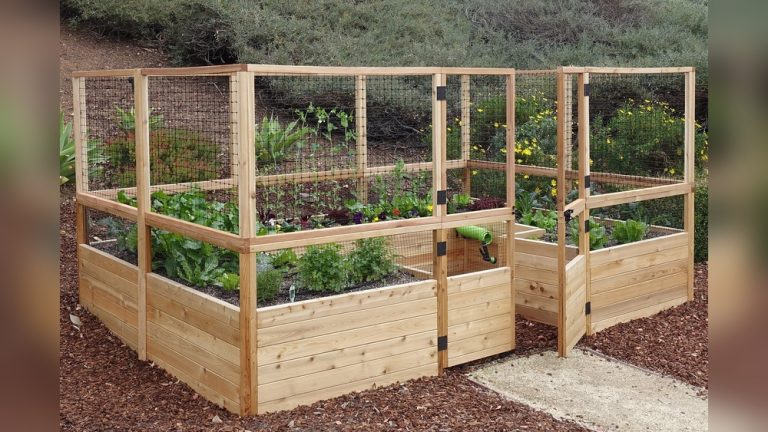
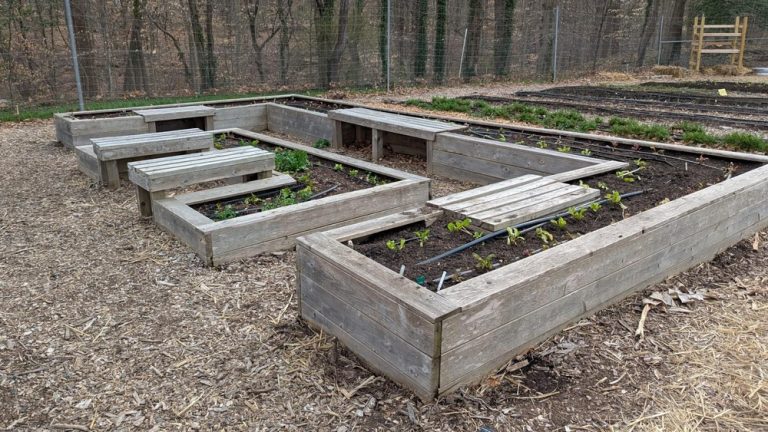
Raised beds are the easiest place to create a fixed perimeter. Wrap the outside with small-mesh fencing or chicken wire, and secure the bottom edge so rabbits cannot slip under it. A fenced raised bed vegetable garden is a common and effective layout because the boundary is simple to seal.
In-ground rows work better with low tunnels. Space hoops 3 to 4 feet apart, then stretch row cover over the frame and anchor the edges. For small containers, a clipped mesh cage or a rigid frame can block birds and rabbits without shading the whole pot.
Use electric fence for persistent wildlife pressure on larger plots. It costs more than basic barriers, but it can help where deer or rabbits keep testing the same edge. Ultrasonic deterrents can be placed around the garden, though results vary by animal and pressure.
What is the best way to keep rabbits out of raised beds?
Use fine-mesh fencing with a buried or firmly pinned bottom edge. Rabbit-proof fencing must stop babies as well as adults, so the mesh opening matters as much as the height. For young seedlings and low crops, even a low barrier can work if the bottom is sealed.
Can row cover protect vegetables from deer and birds?
Yes, for young plants and low crops, row cover on hoops can help against deer, rabbits, and birds. It is also useful for insect exclusion and temperature regulation. It is temporary protection, though, and it must come off crops that need pollination.
Use hoops to keep fabric off leaves. Low tunnel hoops are usually spaced 3 to 4 feet apart, and the cover should be anchored tight at the edges. If birds can get under the edge or deer can crush the frame, the system fails fast.
Suppose a about 4-by-8-foot bed of spinach keeps getting pecked at dawn. A taut row cover on hoops will usually be a better fix than repellent spray, because the crop is low and does not need pollination. The same setup would be wrong for squash flowers.
Vegetables from deer rabbits matrix
| Pest | Best control method | Crop type | Garden setup | Pressure level | Budget | Setup difficulty | Remove or adjust when |
|---|---|---|---|---|---|---|---|
| Deer | 8-foot mesh deer fence | Beans, carrots, brassicas, berries, leafy greens | Large plots, borders, open rows | High | High | Hard | Keep in place all season; check after storms or leaning posts |
| Deer | Motion-activated sprinkler plus fence backup | Small beds, temporary plantings | Compact urban garden | Medium | Medium | Moderate | Move the sprinkler periodically; stop relying on it once deer ignore the pattern |
| Rabbits | Fine-mesh rabbit fence with buried bottom edge | Lettuce, peas, young beans, seedlings | Raised beds, borders, container clusters | High | Medium | Moderate | Inspect bottom edge weekly; adjust where soil settles or gaps open |
| Rabbits | Chicken wire or low cage around beds | Low crops, transplants, young roots | Small beds and tight spaces | Low to medium | Low | Easy | Raise or extend before plants grow through the openings |
| Birds | Taut bird netting | Strawberries, berries, peas, ripening fruit | Vines, trellises, small beds, berry patches | Medium to high | Medium | Moderate | Remove after harvest; tighten if sagging creates gaps |
| Birds | Row cover on hoops | Seedlings, low greens, brassicas before flowering | Rows and low tunnels | Low to medium | Low | Easy | Remove when pollination is needed or crop height reaches the cover |
Common mistakes
Leave no gaps at ground level. Rabbits use small openings, and deer test weak corners, loose clips, and low spots. If the fence looks finished but the base is loose, expect failure.
Do not rely on one deterrent for heavy pressure. Motion sensor lights can create surprise at night, but animals often get used to fixed lights. Move them periodically if you use them at all.
Keep bird netting tight and visible enough to avoid tangles and access through slack sections. A loose sheet gives birds a path in and can trap wildlife. If a cover sags, tighten it or replace the support.
Say your peas are in a 3-by-6-foot raised bed and rabbits keep clipping the tops at dusk. A chicken-wire skirt pinned into the soil may stop the damage. If the clips show up higher the next week, add buried mesh rather than waiting for the plants to be lost.
Frequently asked questions
How do I keep deer from eating my vegetable garden?
Use a tall, secure fence first. For serious deer pressure, about 8 feet of mesh fencing is the usual exclusion target, and the installation has to stay tight at the bottom and corners. Motion sprinklers or lights can help, but they work best as backups.
How high does a deer fence need to be?
For serious exclusion, 8 feet is the standard target. Lower fences may slow deer but do not reliably stop them once they learn the garden is food. Secure posts, tight corners, and a clear line without footholds matter as much as height.
Do motion-activated sprinklers really work on deer and rabbits?
They can, especially as a surprise deterrent. They are most useful when moved or paired with fencing, because wildlife can get used to a fixed pattern. If pressure stays high, treat the sprinkler as a layer, not the main defense.
When should I put protection on vegetables after planting?
Put it on early in spring, as buds emerge and seedlings settle in. Waiting until there is damage means the animals already know the bed is a food source. Early barriers are easier to keep effective than late rescue work.