How to Prevent Pests in a Vegetable Garden Naturally
Prevent pests in a vegetable garden naturally by using separate defenses for separate pests: fine mesh for insects, dry mulch and traps for slugs, and sturdy fencing or row covers for mammals. If you wait, you lose leaves, fruit, and seedlings fast. This guide shows how to build a prevention-first plan for insects, slugs, and mammals so you use the right natural control at the right time.
What you’ll need


- Floating row cover and hoops
- Fence or mesh for larger animals
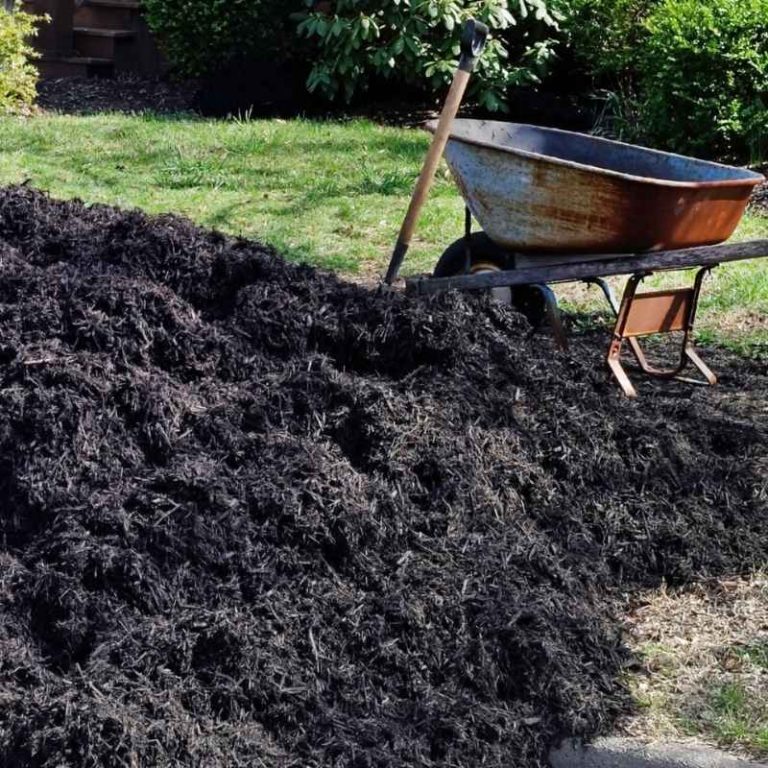
- Compost, mulch, and a hand fork
- Pruners, bucket, and garden gloves
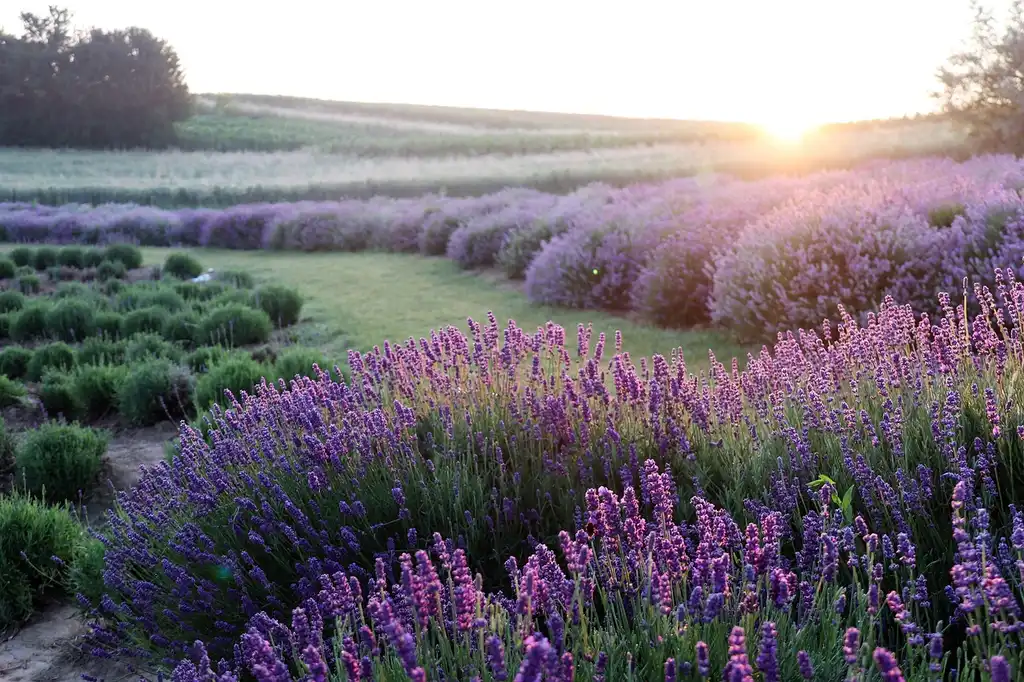
- Flowering plants for beneficial insects
- Optional: neem oil, insecticidal soap, and diatomaceous earth
Which pests need exclusion first?
Start with the pests that do the most damage fastest: moths and beetles on brassicas, then mammals like rabbits and deer, then slugs after wet weather. Exclusion works before feeding begins, so it is usually stronger than a spray after the crop is already chewed. IPM fits this order well.
Protect brassicas early
- Cover brassicas, carrots, and other vulnerable crops with floating row cover as soon as they are set out.
- Seal the edges so moths cannot reach the leaves at night.
- Remove the cover only when pollination is needed or when the crop outgrows it.
Block rabbits and deer before damage starts
- Install fencing before tender growth appears.
- Use deer fencing that is typically 6 to 8 feet tall.
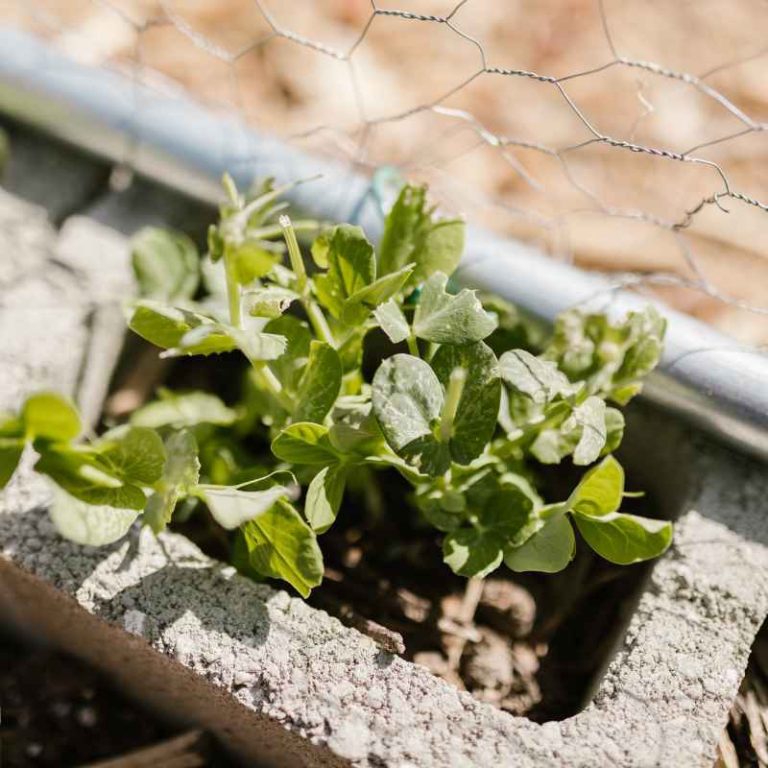
- Make the lower 2 feet of rabbit fencing very small or hole-free.
Build healthy soil first
Plants in well-built soil hold up better under pest pressure. Compost, natural fertilizers, and active soil life keep growth steadier, which makes leaves less likely to collapse after feeding damage. Strong plants still need protection, but they recover faster and attract fewer secondary problems.
Water and spacing matter
- Water deeply instead of lightly misting the surface.
- Keep a steady schedule so plants do not swing between drought and flood stress.
- Space crops for airflow so foliage dries faster after rain or irrigation.
Use a top-up that actually changes the result
- Add about 1 to 2 inches of compost around established plants, then water it in.
- Recheck the soil surface after a week; if it crusts or dries hard, add another thin layer rather than a heavy pile.
- Avoid burying stems or crowding seedlings, which can invite rot and hide pests.
How do you support beneficial insects?
Support beneficial insects with flowers that supply nectar and pollen, plus undisturbed cover nearby. Predators and parasitoids need food and shelter before pest numbers climb, so the aim is to keep them in the garden early. Avoid spraying when they are active, especially on open blooms and the plants they patrol.
Plant for food and shelter
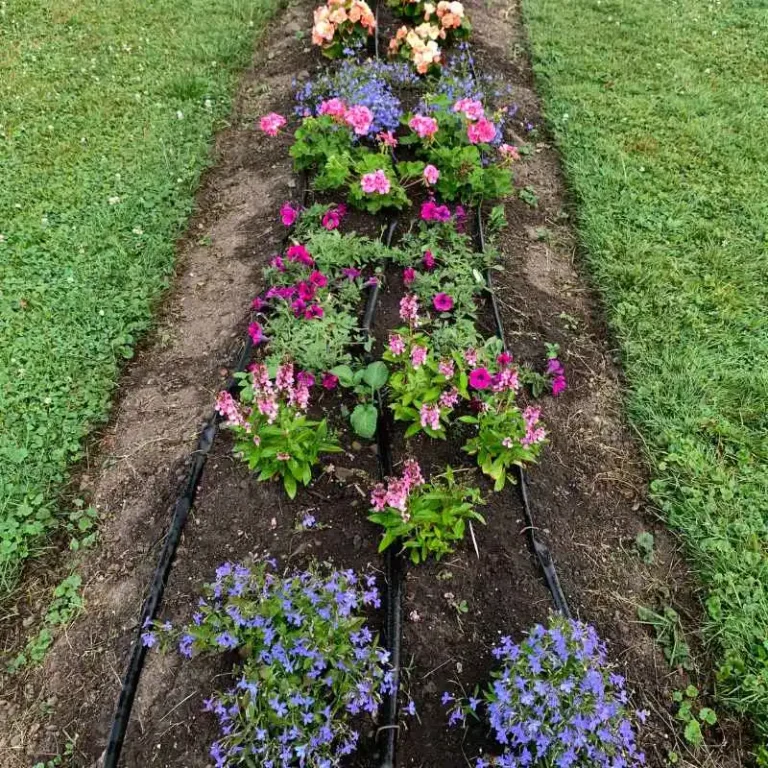
- Place flowering companion plants along bed edges and near crops that attract aphids or caterpillars.
- Choose flowers that bloom at different times so food is available across the season.
- Keep some undisturbed habitat nearby, such as a small strip of mixed plant cover.
Use sprays only after monitoring
- Check leaf undersides and growing tips before spraying anything.
- If pests are still increasing, use neem oil or insecticidal soap only on the affected plants.
- Apply in the evening when beneficial insects are less active, and never on stressed plants in hot sun.
How do you keep pests from settling in?
Remove the places pests use to hide, feed, and overwinter. Weeds, dead foliage, and fallen fruit all give pests cover, and diseased plant matter can carry problems into the next season. Clean beds are not sterile beds; they are beds with fewer easy hiding places.
Sanitation and weed control
- Pull weeds before they flower and set seed.
- Remove dead foliage and fallen fruit from the bed surface.
- Handle diseased plant matter separately and do not compost it unless your system reliably destroys pathogens.
Picture a 4-by-8-foot bed of kale with chickweed along the edge. Aphids often spread faster there because the weeds shelter them and their ants, while the dense lower leaves stay damp. Clear the weeds, lift old leaves, and the bed becomes a worse place for the pest to build up.
Pest-prevention decision table
This table separates insect, slug, and mammal control so you can match the tactic to the pest, the crop, and the season. Use it as a first-line prevention guide, not as a promise of complete control.
| Pest | Vegetable groups most at risk | Type | First-line natural prevention | Best timing | What not to rely on | Quick check for success or failure |
|---|---|---|---|---|---|---|
| Aphids | Beans, brassicas, peppers, leafy greens | Insect | Monitor leaf undersides, encourage beneficial insects, and avoid excess nitrogen | Early growth and warm spells | Neem or soap as the only plan | Success: fewer curled tips and less sticky residue. Failure: colonies keep building on new growth. |
| Slugs | Lettuce, seedlings, strawberries, low leaves | Mollusk | Dry mulch management, hand-picking at dusk, and traps | Wet nights and cool weather | Diatomaceous earth when soil stays wet | Success: fewer ragged holes after rain. Failure: fresh slime trails and new feeding overnight. |
| Caterpillars | Brassicas, tomatoes, peppers | Insect larva | Floating row covers before egg laying, then hand removal if needed | Before moth flight and early larval hatch | Sprays after larvae are already deep in foliage | Success: intact leaves and fewer frass pellets. Failure: new chewed edges under the cover. |
| Flea beetles | Brassicas, eggplant, radish | Insect | Row cover, clean weeds, and early planting of sturdy transplants | Warm, dry spring weather | Companion planting alone | Success: fewer tiny shot holes. Failure: leaf surfaces look peppered within days. |
| Whiteflies | Tomatoes, peppers, cucumbers | Insect | Inspect undersides, reduce crowding, and support predators | Hot weather and protected beds | Frequent spraying that also hits beneficial insects | Success: fewer clouds when leaves are tapped. Failure: adults rise in a steady plume. |
| Colorado potato beetle | Potatoes, eggplant, tomatoes | Insect | Rotate crops, hand-pick early adults, and destroy egg clusters | Spring emergence through early summer | Waiting until larvae are large | Success: fewer orange egg masses. Failure: skeletonized leaves spread quickly. |
| Cabbage moth larvae | Brassicas | Insect larva | Floating row cover installed early | Before and during moth flights | Late covers after eggs are already laid | Success: clean heads and fewer chew marks. Failure: larvae appear inside folded leaves. |
| Cutworms | Seedlings of tomatoes, peppers, brassicas | Insect larva | Stem collars, weed removal, and clean bed edges | At transplanting | Sprays after plants are cut down | Success: stems stay upright overnight. Failure: seedlings are severed at soil level. |
| Rabbits | Lettuce, peas, beans, young greens | Mammal | Fence with very small lower openings | Before tender growth appears | Repellent smells alone | Success: clipped leaves stop appearing. Failure: clean bite marks at dawn continue. |
| Deer and birds | Beans, peas, brassicas, fruiting crops | Mammal and bird | Tall fencing for deer and netting or exclusion where birds feed | Before fruiting and flush growth | Single scare devices used all season | Success: tops and fruit remain intact. Failure: browsed tips or pecked fruit reappear. |
Common mistakes
The biggest error is treating every pest with the same tool. Sprays used too early can hit beneficial insects, and a wet week can make diatomaceous earth lose most of its value. Fencing added after deer start browsing is also too late.
Mint is another trap. It can spread aggressively, so do not treat it as a safe default companion plant in open beds. Use crop-specific pairings instead, and keep companion planting inside a broader prevention plan.
If that didn’t work, try this next
- Recheck the crop at dusk or dawn to identify the pest before changing tactics.
- Switch from a spray to exclusion if you are still seeing new damage on brassicas or seedlings.
- Escalate from hand-picking to row covers, traps, or fencing depending on the pest type.
- Use neem oil or insecticidal soap only if the pest is still active after the physical and habitat fixes.
Suppose a 6-foot vegetable bed has fresh holes in kale after a rainy week. Diatomaceous earth may look like the obvious fix, but it breaks down in wet conditions. A better sequence is to add row cover, remove damaged leaves, and improve edge weed control before reaching for a spray.
Frequently asked questions
How to keep bugs off vegetable garden naturally
Put floating row cover over vulnerable crops before insects arrive, especially brassicas. Keep weeds down, space plants for airflow, and place flowering plants nearby for predators and parasitoids. If a spray is needed, use it on the target plant only, because broad application can reduce the predators you want.
How to keep bugs out of vegetable garden naturally diy
Use DIY exclusion first: hoops plus row cover for caterpillars, simple stem collars for cutworms, and tight fence mesh for rabbits. Add compost and steady watering so plants stay vigorous. Homemade sprays can help on active infestations, but they work best as a follow-up, not the main barrier.
How to keep bugs out of vegetable garden naturally home
At home, the simplest setup is often the best: row cover for brassicas, fence mesh for rabbits, and regular cleanup around beds. Check leaf undersides and new growth before treatment. If you spray, choose a targeted option and avoid open blooms where beneficial insects feed.