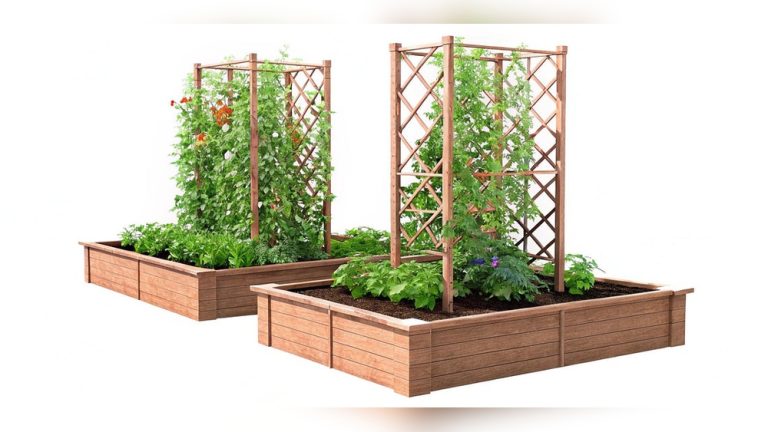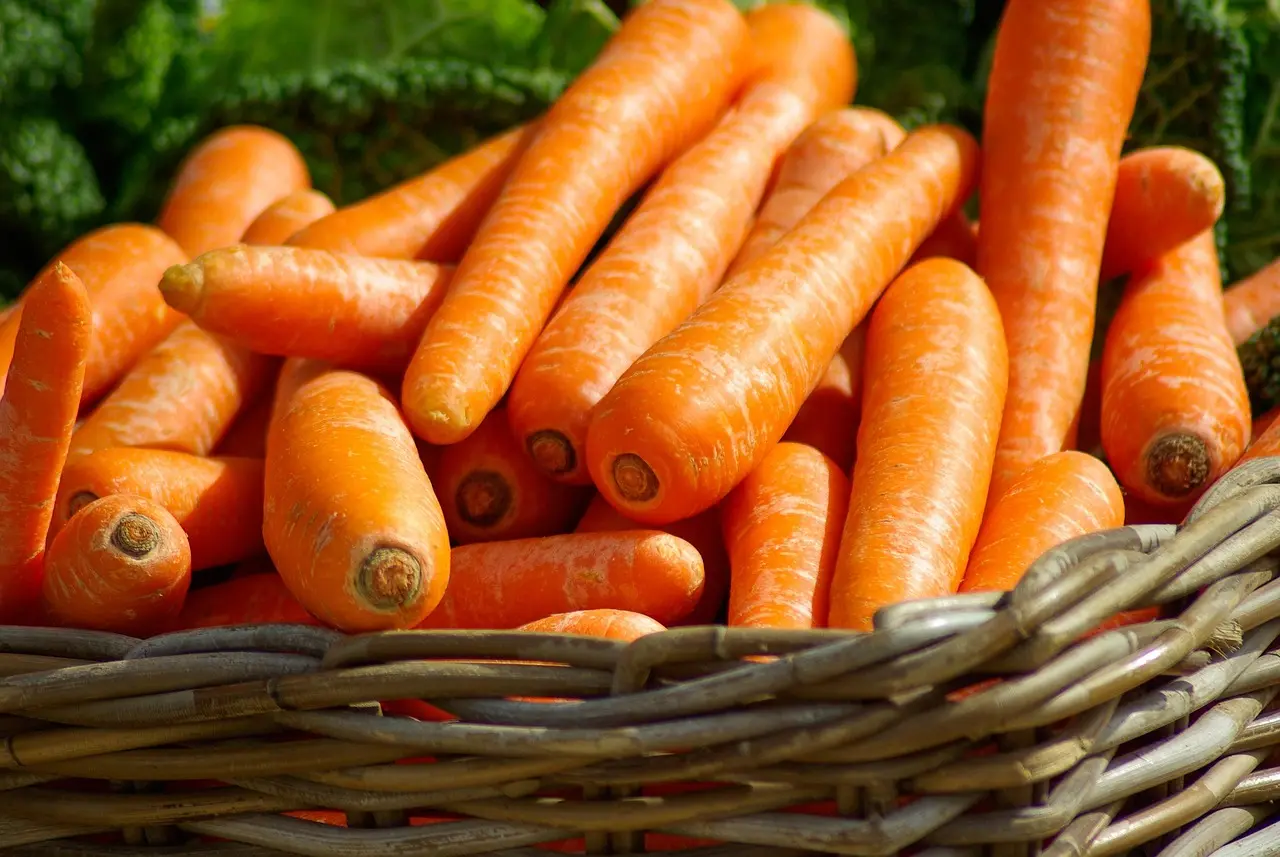
How to Grow Vegetables Without Tilling the Soil
To grow vegetables without tilling, cover the bed with cardboard, then add finished compost and plant based on mulch stage: set transplants into fresh mulch, and direct-sown seed only into fine, exposed compost. Planting the wrong way can smother seedlings, dry out beds, or leave weeds harder to manage than before. This guide gives a first-season setup plan and clear planting rules for bare soil, mulch, and fully covered beds.
What no-till vegetable gardening does
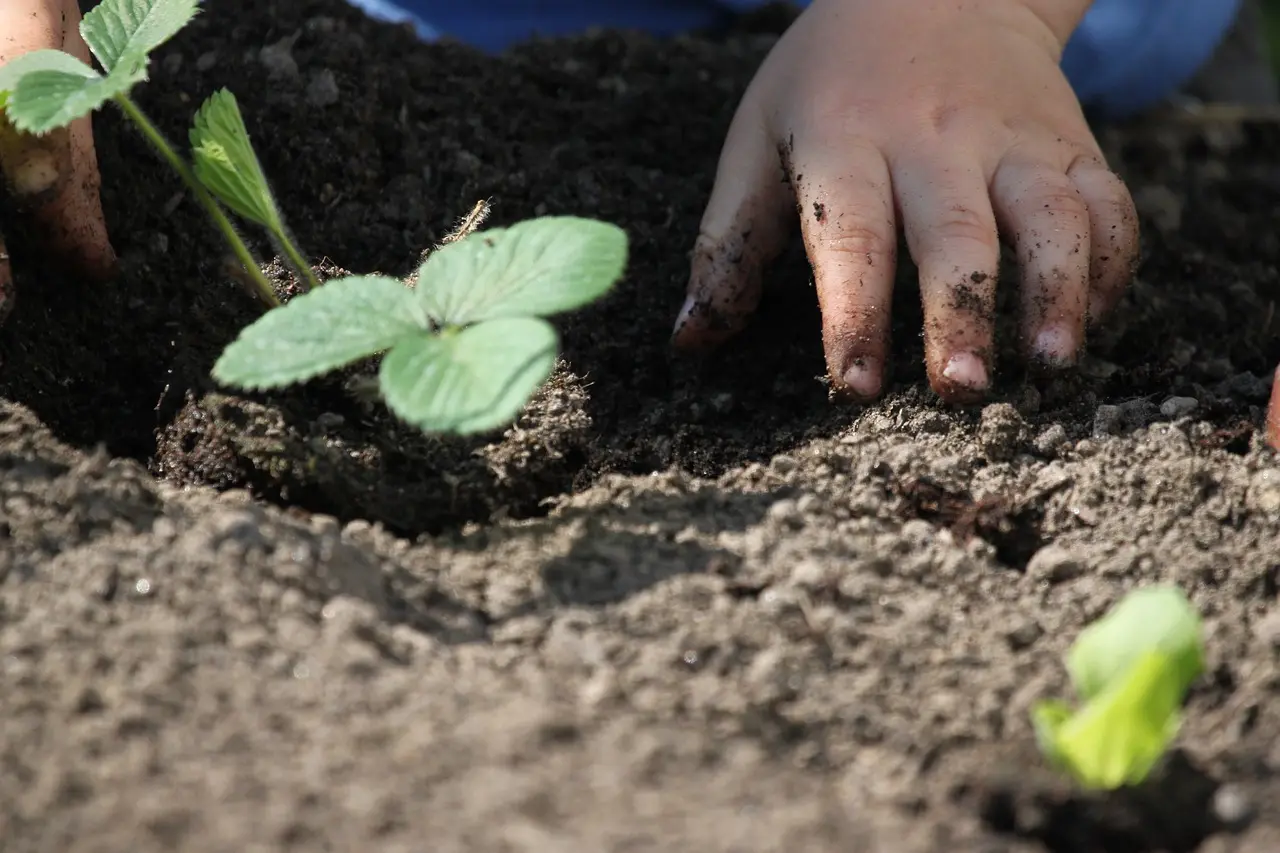


No-till gardening grows vegetables and fruits without turning the soil over. Instead, you keep soil structure intact and build from the top with surface mulch layers. That approach can cut weed pressure, help soil stay moist, and may reduce irrigation needs; Back to Eden uses mulch layers in place of tilling.
The goal is not zero work. It is less disturbance. Soil life, including microorganisms and earthworms, tends to do better when you avoid repeated turning. Earthworms help loosen and aerate soil, support vermicomposting, improve drainage, and produce nutrient-rich castings.
When no-till still needs limited loosening
If the soil is compacted, a no-till bed may still need targeted loosening before planting. That is not full rototilling. It means opening root channels in the top layer, especially where transplants will go, while leaving most of the bed intact.
Use hand tools for that job. A shovel, hoe, broadfork, or cultivator can do the work without machine tilling. A broadfork typically has two handles, a horizontal bar, and about three to five tines; step on the bar and rock it back to aerate without major soil turnover.
What you’ll need
- Cardboard or several layers of newspaper for sheet-mulching
- Finished compost for the first planting layer
- Wood chips, straw, grass clippings, leaves, well-aged or composted manure, or another local organic mulch
- Shovel, spade, hoe, or cultivator
- Broadfork, if the soil is compacted
- Watering can or hose
- Cover-crop seed for a future season, if you want to build the bed over time
- Transplants for crops that should not be direct sown into coarse mulch
Mulch and compost options
Wood chips are a common mulch choice in no-till beds. They can be raw, composted, or screened. Raw wood chips should not be used for direct seed planting. Composted wood chips can be planted into directly once they have broken down and taken on a soil-like consistency.
If wood chips are unavailable, use local organic materials first. Straw, leaves, grass clippings, and well-aged or composted manure can all fit a no-till system when used with care.
How do you prepare the bed first?
Start by matching prep to bed condition. A compacted bed needs aeration. A lawn conversion needs sheet-mulching. An existing bed usually needs only a top-dress of compost. A bed with heavy weeds may need cutting back, covering, and delayed planting. The least disruptive method that still gives roots contact with workable soil is the one to choose.
Read the bed before you touch it
If the soil is very wet, wait. If the site will not get at least six hours of full sun daily, many vegetable crops will underperform. The soil should also be fertile and well drained.
Suppose a narrow raised strip beside the driveway was once packed with turf. Sheet-mulch it with cardboard, wet it down, then add compost and mulch. You can transplant into openings later, but direct seeding should wait until the planting surface is fine enough for seed contact.
Choose the least disruptive prep
- Clear only the thickest weeds or grass.
- Lay cardboard or newspaper over the soil or lawn.
- Add finished compost over the barrier.
- Top with mulch that matches your planting plan.
- Open planting spots only where the root zone needs access.
No-till vegetable bed decision table
| Bed condition | First-season action | Planting method |
|---|---|---|
| Compacted soil | Broadfork the planting zone, then top-dress with compost | Transplant; direct sow only in fine compost patches |
| Lawn conversion | Sheet-mulch with cardboard, then add compost and organic mulch | Wait until the composted layer is ready, or transplant into openings |
| Existing bed | Top-dress with compost and refresh the mulch layer | Direct sow in exposed compost or transplant |
| Overgrown bed | Cut back growth, cover the bed, and plant only where soil is ready | Transplant first; direct sow after the surface is cleared enough for seed contact |
How do you build the mulch layer?
Use mulch to hold moisture and slow weeds, but match the material to the planting method. Raw wood chips are useful as a cover layer, not as a seedbed. Composted wood chips can support planting better because they are broken down and soil-like.
Do not bury seed rows under coarse chips. Keep the planting line open, or plant into a fine compost cap. If the bed needs more weed suppression, increase mulch around the row rather than over it.
Match mulch stage to crop type
- Direct sow: fine compost or bare soil at the seed line
- Transplant: raw chips, composted chips, or other mulch kept back from the stem
- Delayed planting: thick sheet-mulch over lawn or dense weeds until the surface is ready
Can you direct sow seeds into a no-till bed?
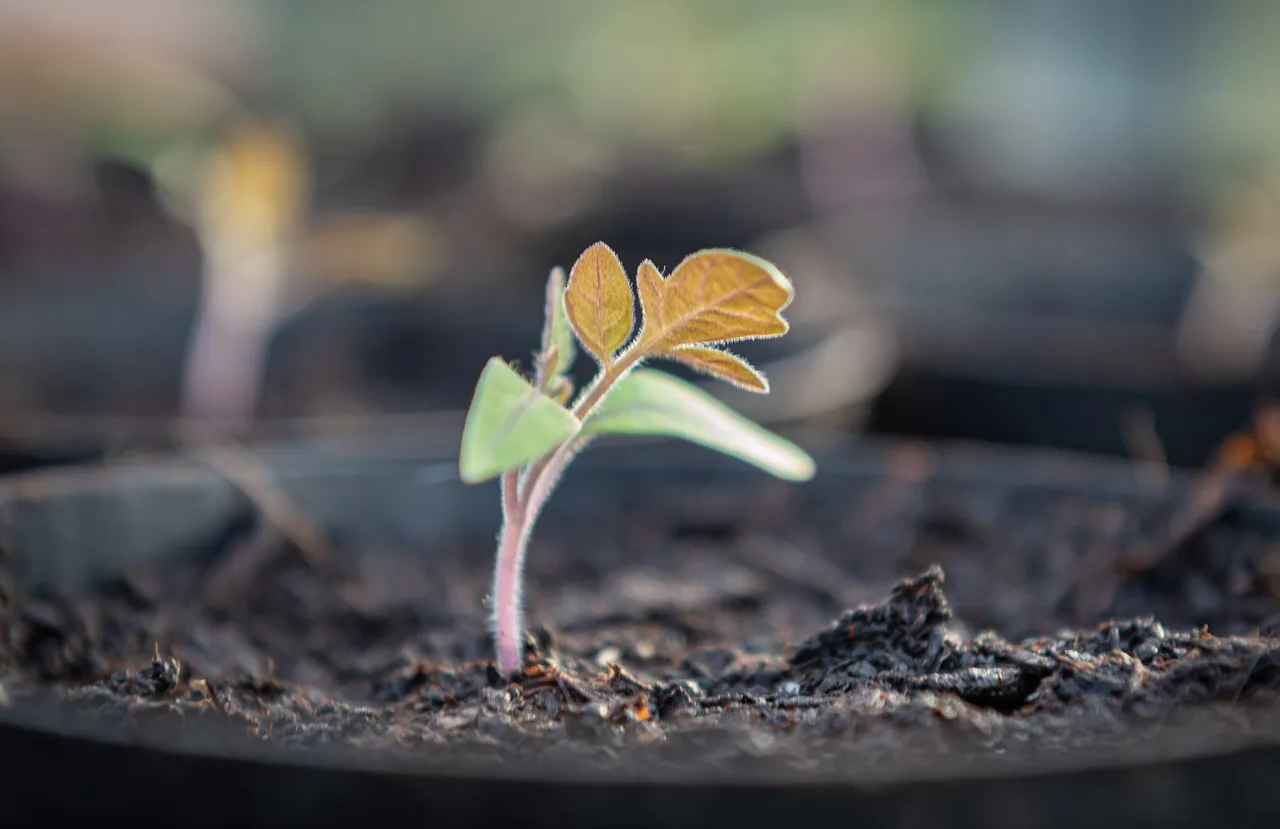
Yes, but only when the surface is fine enough for seed-to-soil contact. Direct sowing works in an existing bed or in composted wood chips with a soil-like finish. Raw wood chips should not be used for direct seed planting, because they do not hold small seeds in place or give them steady contact with moisture.
For crops such as carrots, radishes, beets, lettuce, beans, and spinach, open a narrow strip, rake it smooth, and sow into that strip only. For larger seeds, a shallow pocket of compost often works better than trying to seed across a rough mulch surface.
When to transplant instead
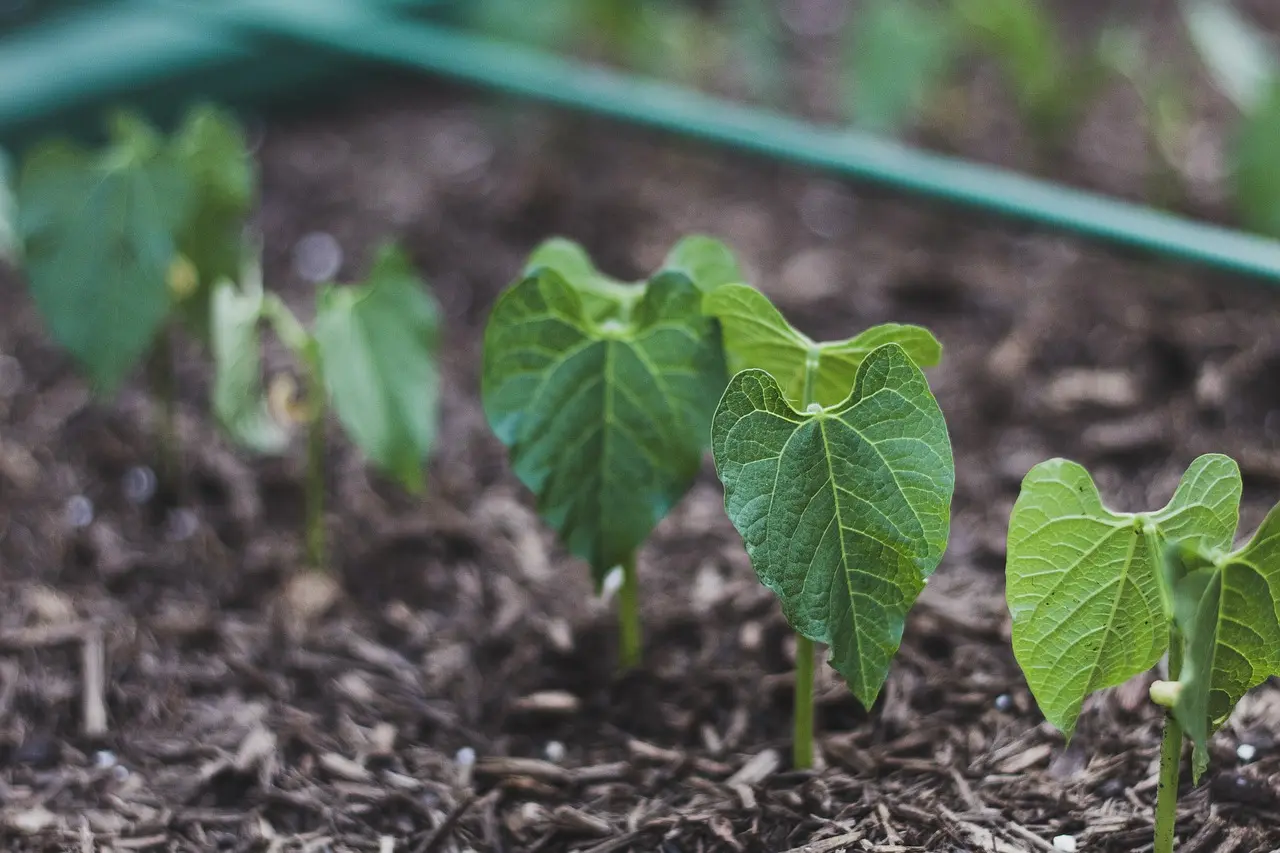
Use transplants if the bed is still coarse, weedy, or covered with fresh chips. A transplant only needs a hole through the mulch and firm soil around the root ball. It does not need the whole bed to be bare. That makes transplants the safer choice in a first-season bed that is still settling.
A common first-timer mistake is sowing basil into a thick layer of raw chips. The seed may dry out or wash aside. The fix is simple: transplant the basil, or wait until the surface is composted and finely raked.
How do you loosen compacted soil without tilling?
Use a broadfork to open the soil, not flip it. Step on the horizontal bar, rock it back, and move across the bed in parallel passes. For a 3-foot-wide bed, the goal is to create aeration channels across the whole planting area without mixing layers.
How deep you loosen depends on the crop and the bed condition. Broadforks have three to five tines, and another common hand-tool approach is to loosen at least 6 inches down with a shovel or spade where roots need room. Use only enough disturbance to let water and roots move.
Let worms and cover crops do more later
Earthworms and cover crops matter over time. Cover crops protect and improve soil, and they help reduce erosion. In future seasons, sow a cover crop when a bed will rest. That keeps the surface covered and feeds the soil biology that no-till systems depend on.
Say your soil feels tight after a dry summer and water pools on top. Broadfork just the planting rows, add compost over those rows, and transplant into the loosened spots. Leave the rest covered so worms and roots can keep working through the season.
Common mistakes
Fresh chips mixed into the root zone are a common mistake. Keep raw wood chips on top as mulch, not blended into soil where they can interfere with planting. If you want to plant into chipped material, use composted material instead.
Starting seeds without firm soil contact is another failure point. Seed needs a fine, moist surface, not loose coarse chips. Treat every bed according to its condition. A lawn conversion is not the same as a settled garden bed.
Overdoing soil disturbance is the last trap. If a broadfork and top-dress will do the job, skip the rototiller. No-till depends on preserving structure while building from above.
Prevention: keep a thin band of fine compost where you direct sow, and keep coarse mulch a few inches back from that row until seedlings are established.
Frequently asked questions
How do I grow vegetables without tilling the soil?
Cover the bed with cardboard, then add finished compost and mulch on top. Plant transplants into openings, and direct sow only into a fine surface layer. That keeps the soil intact while still giving roots, moisture, and weed control a workable start.
How do I plant a no till garden?
Match the planting method to the surface. Transplants go into holes cut through mulch, with soil firmed around the roots. Direct-sown seed goes into exposed compost or screened material, not into raw wood chips. Finish with a narrow mulch band that stays off the seed row.
What is the best mulch for a no-till vegetable garden?
The most practical mulch is the one you can get consistently and keep clean. Wood chips are a common choice, but straw, leaves, grass clippings, well-aged or composted manure, and other local organic materials also work. Avoid black walnut and eucalyptus, and choose screened or composted material when you plan to sow seed.
How deep do I need to loosen soil without a tiller?
Loosen only as deep as the crop needs root access. For many beds, opening the top layer with a broadfork or shovel is enough, and a common hand-tool target is at least 6 inches down where roots will grow. Do not turn the whole bed unless a small planting zone truly needs it.
How do I improve compacted soil for vegetables without tilling?
Broadfork the compacted area, top-dress with compost, and keep the surface covered with mulch. Then add cover crops in later seasons and let earthworms keep working the structure. If the bed is very hard, start with transplants instead of direct sowing so roots can reach the loosened zone sooner.