How to Grow a Vegetable Garden Without Raised Beds
A productive vegetable garden can often be grown without raised beds by loosening native soil, adding about 2 to 4 inches of compost, and setting rows or blocks about 18 to 36 inches apart. Skip soil prep, and you usually get shallow roots, poor drainage, and weak yields. This guide shows how to map the space, improve the soil, and plant an in-ground vegetable garden that performs well without framed beds.
What you’ll need
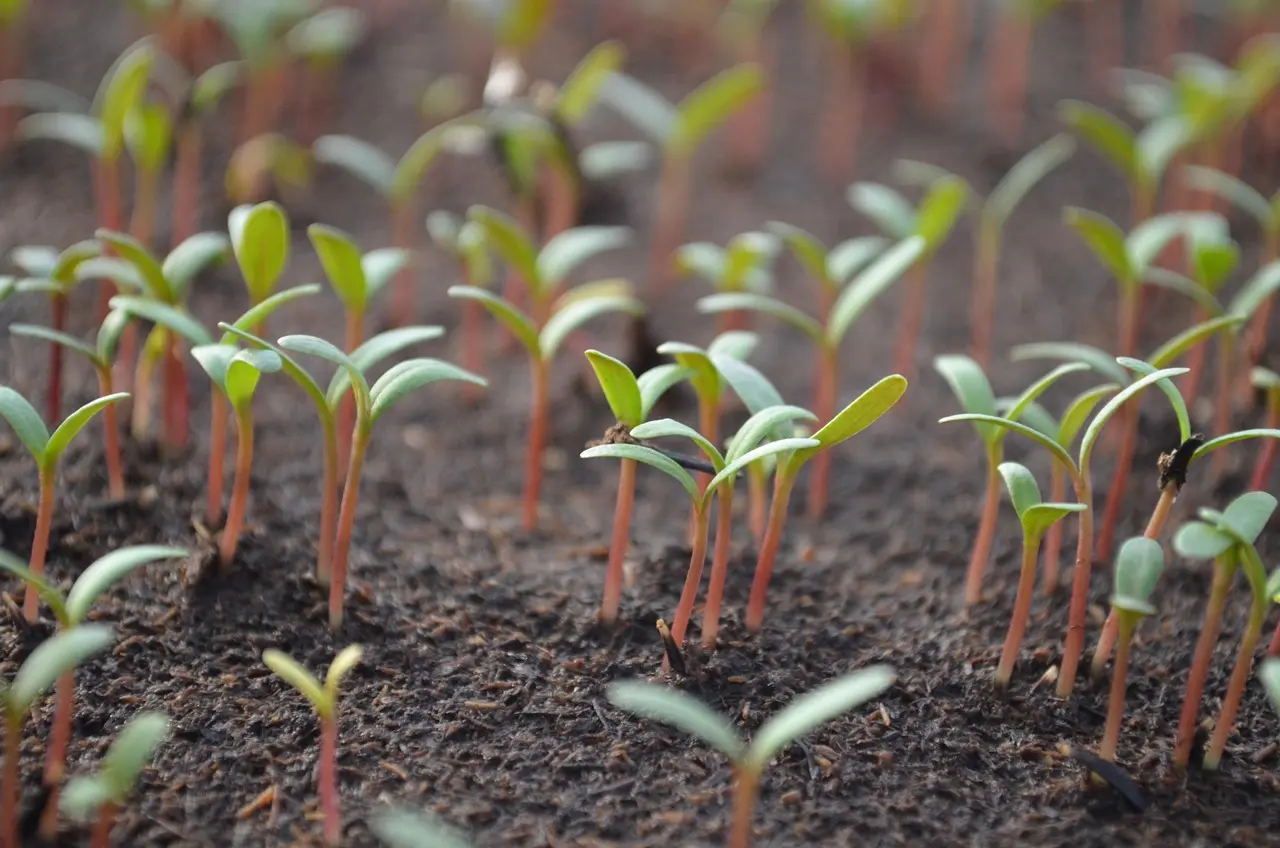


- Soil test kit or lab test for pH, fertility, and lead if you are growing food in older soil
- Compost for mixing into the top layer of soil
- Topsoil for building a productive growing layer where native soil is thin or tired
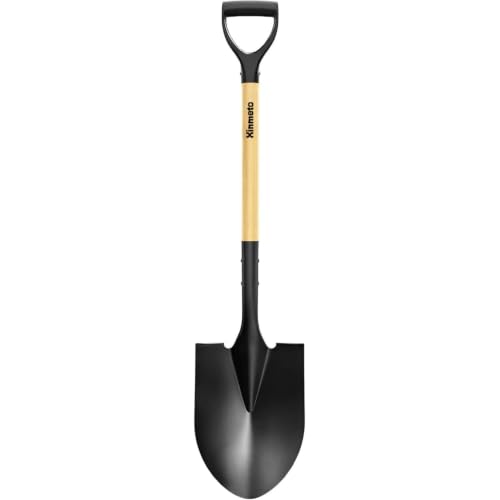
- Rake, shovel, and garden fork
- Hose or watering can with a spray nozzle
- Mulch such as shredded leaves, straw, or untreated wood chips for paths
- Row markers, string, or stakes
- Edging material for paths if you want cleaner separation between walking and planting areas
📊 Raised beds are typically 2- to 4-ft. wide. Source: UMD.
Build the garden in order
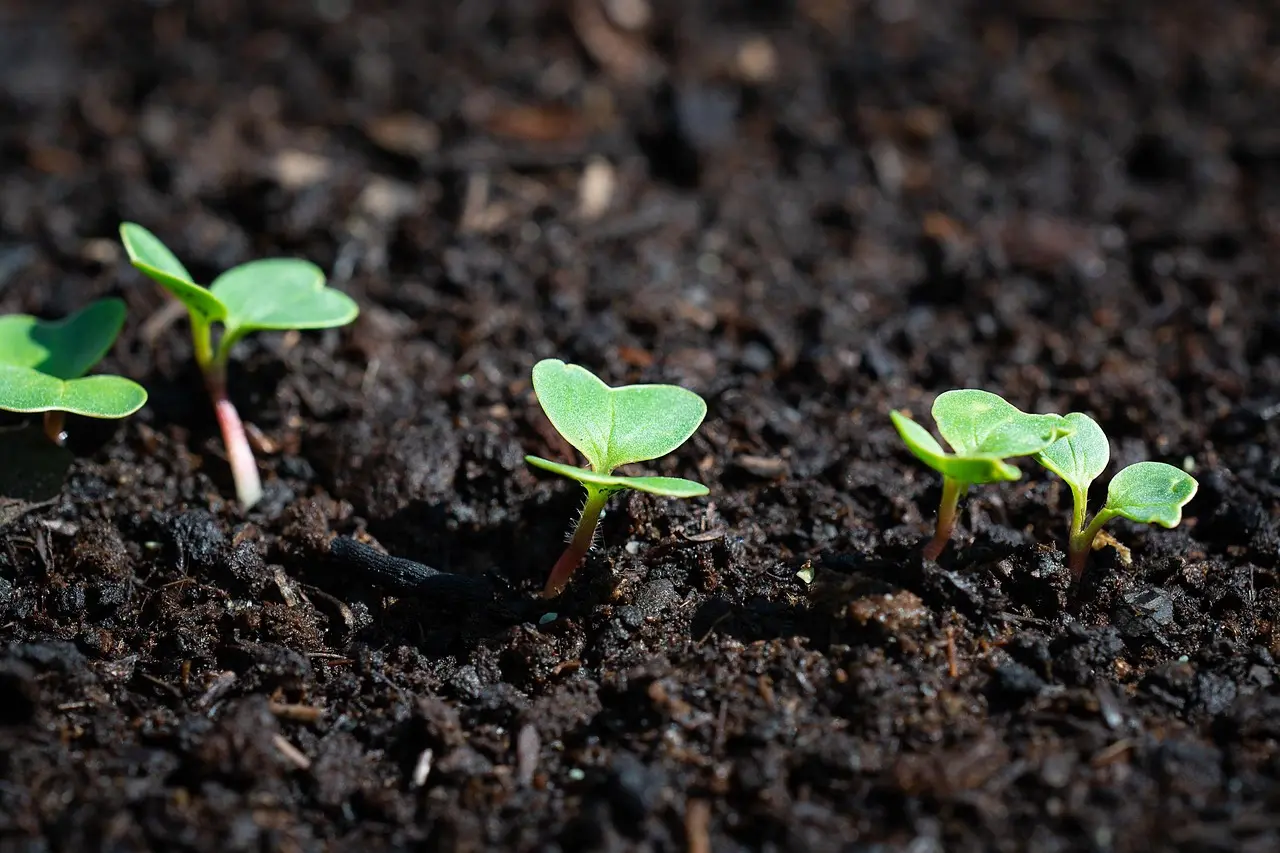
- Test the soil first. Check pH and fertility before you add anything, and include a lead test if the ground may have old paint, fill, or other contamination. That tells you what the soil needs instead of guessing. (UMD)
- Check drainage after rain. Dig a shallow hole, fill it with water, and see whether it drains within a reasonable time. If water lingers, roots can suffocate even in an in-ground garden.
- Clear turf, weeds, and roots. Cut sod low, remove perennial weeds, and pull woody roots. If you skip this step, grass and weeds will compete with seedlings before they get established.
- Add compost and topsoil to the planting area. Work compost into about the top 6 inches of soil. If the site is thin or rocky, it is often practical to blend topsoil with compost in about a 1:1 or 2:1 ratio rather than using compost alone.
- Loosen compacted ground. Use a fork or shovel to break up the top layer without turning wet soil into clods. This matters most where foot traffic has packed the ground hard.
- Mark rows, blocks, and paths. Leave space for walking so you do not step where roots will grow. Traditional row planting works well in larger open areas and makes watering, harvesting, and crop rotation easier.
- Plant, water, and mulch. Set transplants or seed according to crop needs, water deeply, and cover bare soil with mulch to hold moisture and slow weeds.
Say your yard has a 12-by-20-foot sunny strip beside a driveway. A soil test shows low fertility and decent pH, but the ground stays wet after storms. In that case, a loose block layout with a slightly raised planting surface and wide paths usually works better than a flat, packed plot.
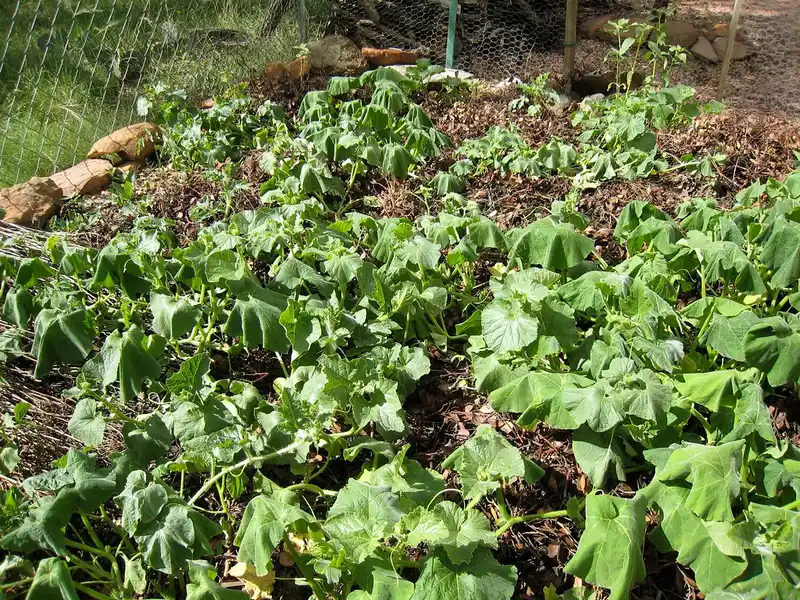
What vegetables grow best in the ground?
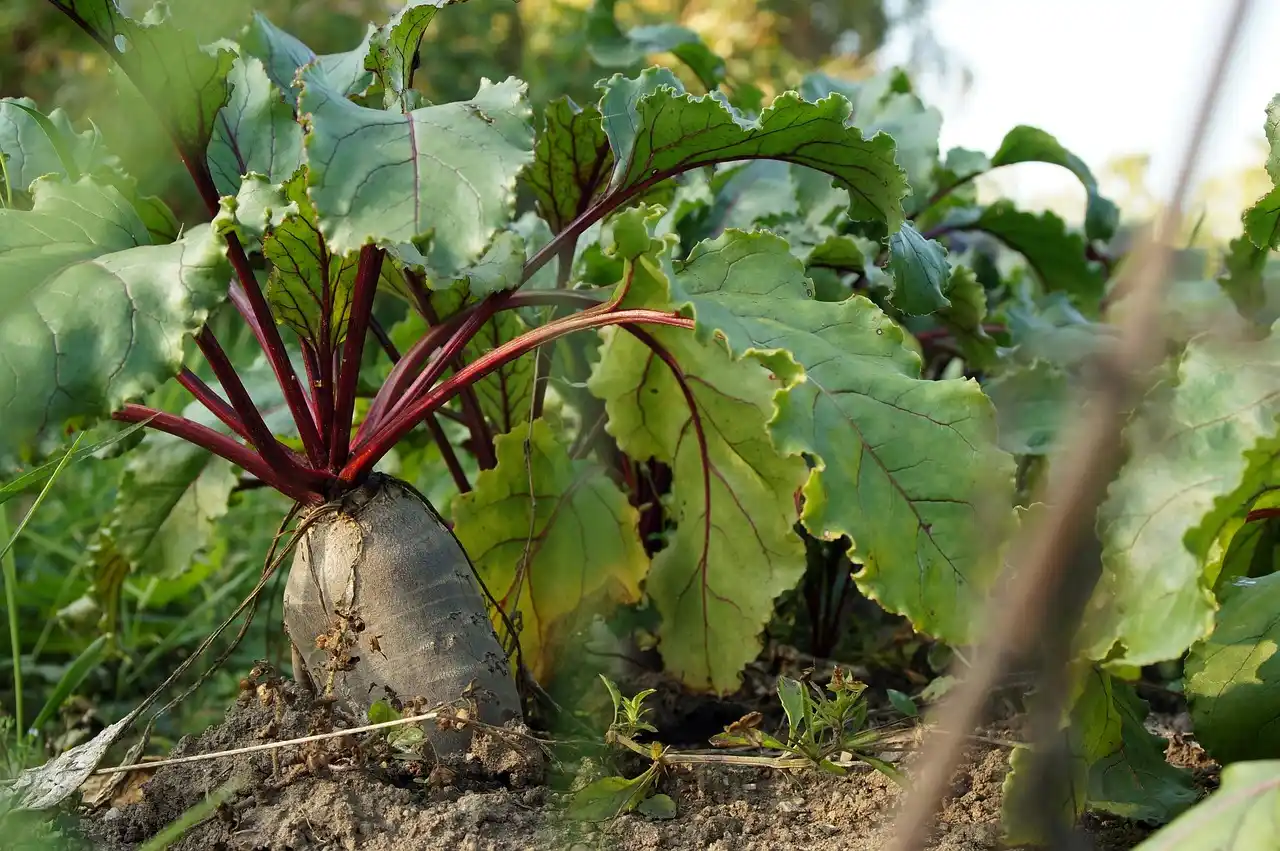
In-ground planting suits crops that root deeply, spread across a bed, or grow well in rows. Beans, peas, potatoes, squash, cucumbers, carrots, beets, lettuce, kale, and many herbs can do well when the soil is prepared and the site drains properly. The main advantage is room for roots and easy access for care.
Best crop types for open soil
Traditional row planting is efficient for larger lots, so it fits crops you sow in bands or succession plant through the season. Root crops and leafy greens work especially well because they do not need rigid edges to stay productive. Tomatoes, peppers, and eggplant can also work in-ground if the site gets full sun and warms early enough.
When to be more selective
If your soil stays cold and wet, delay heat-loving crops until the ground has warmed and drained well. Melons and sweet potatoes need warmer soil than cool-season greens. In heavy clay, choose crops that tolerate slower drying and use mounded rows or looser blocks for better root aeration.
How do you improve poor soil for an in-ground vegetable garden?
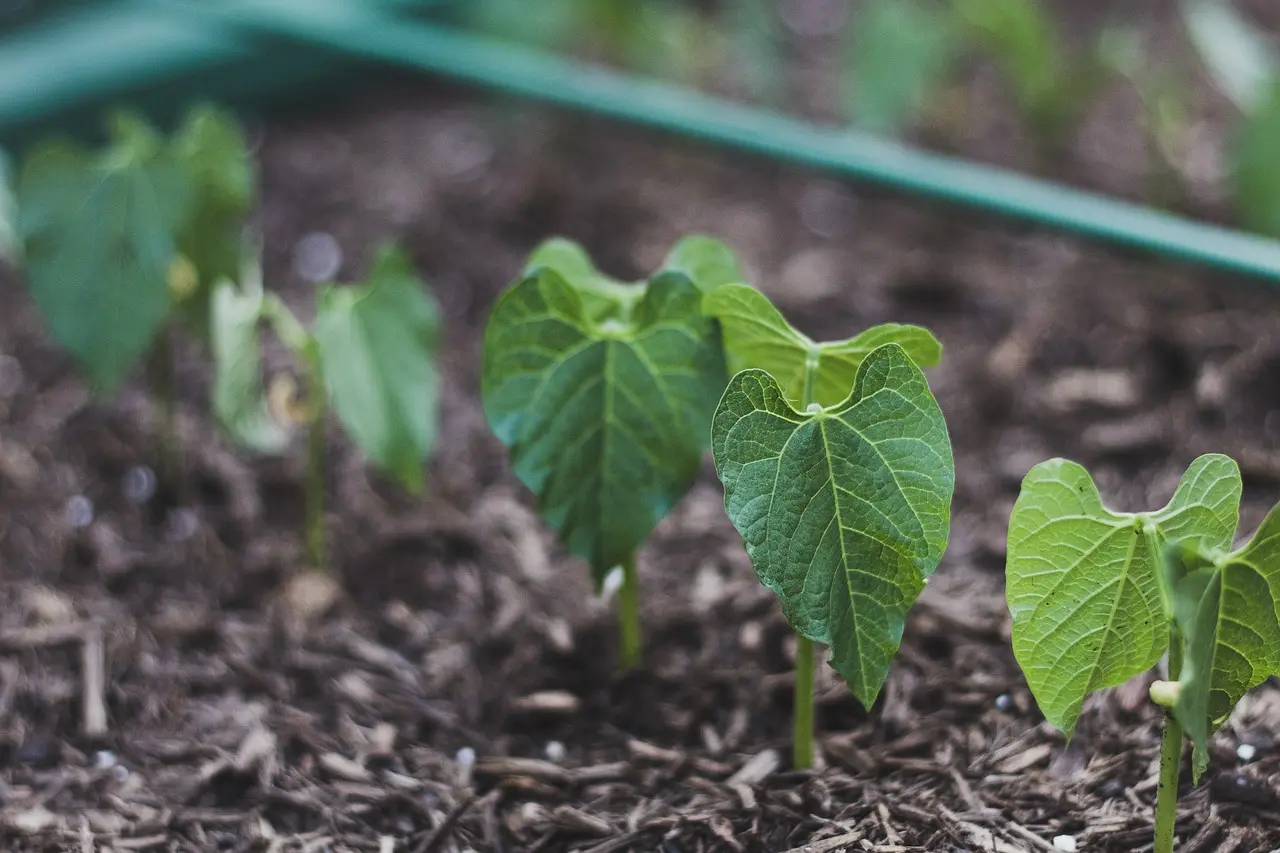
Start with drainage, then improve structure, then raise fertility. Heavy clay, compacted soil, and low organic matter need different fixes, but the order stays the same. A productive in-ground garden depends on soil that drains, holds moisture, and lets roots move through it.
Heavy clay and slow drainage
If water sits on the surface, avoid working wet clay because that makes clods and compaction worse. Add compost and shape the planting area into low mounds or shallow rows so water can move away from roots. Poor drainage can suffocate roots even when the soil is fertile.
Compacted soil from foot traffic
Keep pathways outside the planting zone. Paths cut compaction by keeping footsteps off the root area, and that helps water and air move through the soil. If the site was a lawn or a trampled patch, loosen the top layer before you mark the beds.
Low fertility and poor structure
Use a soil test to guide amendments instead of adding everything at once. Compost improves structure and fertility, but it should be mixed with the soil, not used as the only fill material. If native soil is thin, add topsoil with compost and work the mix into the top layer.
Suppose a 10-by-15-foot patch used to be a worn play area with hard soil and sparse grass. One season of compost, topsoil, and strict pathways can turn it into a usable vegetable plot, but only if the ground is loosened first and water can drain after storms.
How do you lay out rows and paths?
Use rows for open yards and blocks for compact spaces with many crops. The layout should match your sun, water access, and how often you want to weed or harvest. In-ground gardens work best when the planting area and walking area are clearly separated.
Row width and path width basics
For many in-ground gardens, planting areas about 18 to 36 inches wide are practical because the center is usually reachable without stepping in the soil. Keep paths wide enough to move a hose, bucket, or wheelbarrow through without brushing plants. The point is simple: protect the soil and make maintenance easier.
| Layout | Best for | Tradeoff | Good crop fit |
|---|---|---|---|
| Rows | Larger lots and simple crop rotation | More walking space between plantings | Beans, peas, carrots, beets, potatoes |
| Loose blocks | Mixed crops in a moderate-size yard | Needs careful access planning | Lettuce, kale, herbs, peppers |
| Mounded rows | Clay soil and sites with slow drainage | More shaping work at setup | Squash, cucumbers, melons, tomatoes |
When blocks make more sense
Use loose blocks when the yard is smaller, the crop list is mixed, or you want shorter watering runs. Square-foot gardening divides growing areas into 1×1-foot squares, but you do not need that exact system to benefit from a compact layout. The key is organized access and enough space for roots.
Vegetable garden checklist
This checklist keeps the setup practical. Use it before planting, and revisit it if growth stalls or water pools after rain.
| Check | What to look for | What to do |
|---|---|---|
| Soil test | pH, fertility, and lead if needed | Amend only after you know the results |
| Drainage check | Water that lingers after rain or watering | Use mounded rows or improve runoff before planting |
| Weed removal | Turf, perennial weeds, and roots | Remove before seeding or transplanting |
| Amendment plan | Thin, tired, or compacted soil | Mix compost into the top 6 inches and add topsoil if needed |
| Row width | Can you reach the center without stepping in it? | Keep planting areas about 18 to 36 inches wide |
| Path width | Space for walking and tools | Keep paths clear and separate from roots |
| Watering method | Hose, watering wand, drip line, or soaker hose | Choose a method that wets the root zone, not the walkway |
| Crop-fit choices | Sun, season length, and soil conditions | Match crops to drainage, temperature, and available space |
Common mistakes
Using compost as the only fill is a common error. Compost helps, but it does not replace soil structure or solve native drainage problems by itself. Blend it with native soil or topsoil instead of treating it as a full planting medium.
Ignoring drainage after rain is another mistake. If the ground stays soggy, roots lose oxygen. A compacted site may need mounded rows, better runoff, or a different crop mix before it can support steady growth.
Planting too wide or too close creates maintenance problems. Crowded rows are harder to water and harvest, while overly wide rows tempt you to step on the soil. Keep the layout reachable from the path, and keep the paths separate from the planting area.
Letting weeds take over the paths makes the whole garden harder to manage. Mulch the paths, edge them if needed, and keep the walking area distinct. That keeps foot traffic off the soil and cuts back on repeated weeding.
Frequently asked questions
Do you need a raised bed to grow vegetables?
No. Direct planting in native soil works well when the site drains properly and the soil is improved before planting. Raised beds are useful for poor, rocky, or compacted soil, but they are not required for productive vegetables. A prepared in-ground plot can produce well with rows or loose blocks.
How do you grow a vegetable garden without raised beds?
Test the soil, clear weeds, loosen the top layer, and mix compost into the planting zone. Add topsoil if the native soil is thin, then mark rows or blocks and keep paths out of the planting area. Water deeply and mulch after planting to hold moisture and slow weeds.
What vegetables grow best in the ground instead of raised beds?
Beans, peas, potatoes, carrots, beets, lettuce, kale, squash, cucumbers, and many herbs fit in-ground planting well. Crops that root deeply or spread across a row can use open soil efficiently. Heat-loving crops need warm, well-drained ground, so wait until the soil conditions match the crop.
How wide should an in-ground vegetable garden row be?
A practical in-ground planting area is often 18 to 36 inches wide, depending on crop size and how far you can reach from the path. Narrower rows are easier to maintain in tight spaces. Wider rows can work if you can still harvest, weed, and water without stepping into the soil.
How do you water an in-ground vegetable garden in hot weather?
Water less often but more deeply, and put the water at the root zone instead of spraying the paths. Mulch helps conserve moisture and reduces evaporation, which matters most in hot, dry weather. Drip lines and soaker hoses are practical because they keep foliage drier and deliver water where roots can use it.