Are Grubs Bad For Vegetable Gardens? Signs & Solutions
Every gardener knows the thrill of a thriving vegetable patch—lush leaves, vibrant blossoms, and the promise of a fresh harvest. But beneath the soil, hidden from sight, there’s a silent threat that can undermine all your hard work: grubs. These soft-bodied larvae can wreak havoc on roots, leading to stunted growth and wilting plants. Recognizing the signs and understanding how to manage grubs is crucial for both novice and experienced gardeners who want to protect their crops and ensure a bountiful yield.
The question of whether grubs are truly bad for vegetable gardens is nuanced. While not all grubs cause significant harm, certain species are notorious for damaging roots and attracting other pests. Gardeners often struggle to identify grub infestations and make informed decisions about treatment.
This comprehensive guide will explore the impact of grubs in vegetable gardens, reveal signs of trouble, and provide science-backed solutions—helping you grow healthier, more resilient vegetables.
Key Takeaways
- Grubs can damage vegetable garden roots, reducing plant vigor and yield.
- Early identification and understanding of grub species are vital for effective management.
- Signs of grub infestation include wilting, yellowing leaves, and poor growth.
- Solutions range from organic methods to targeted chemical controls.
- Real-world cases show integrated strategies yield the best results.
- Preventative measures are key to long-term garden health.
What Are Grubs? Types Found In Vegetable Gardens
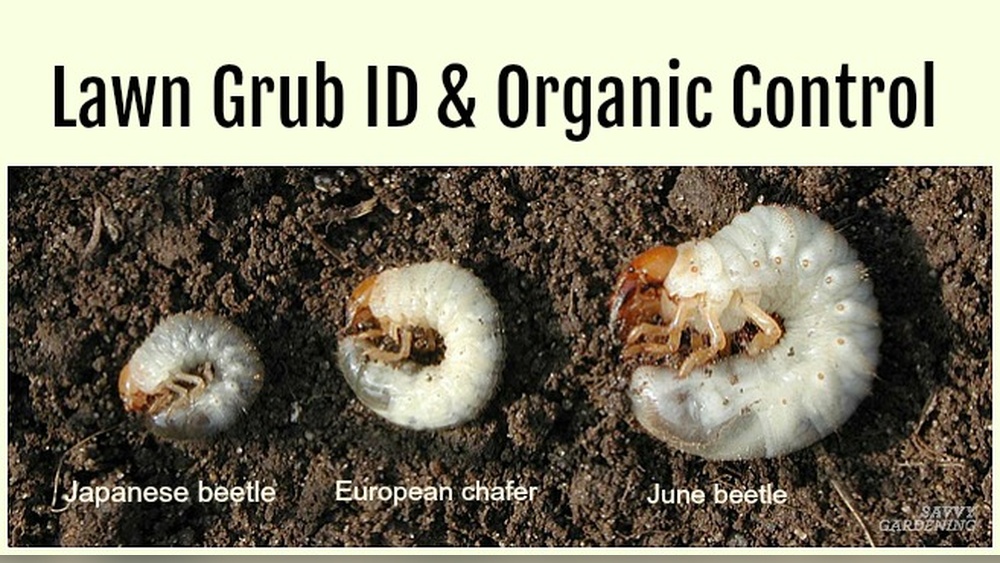
Grubs are the larval stage of several beetle species, most notably Japanese beetles, June beetles, and European chafers. These larvae are typically C-shaped, white or cream-colored, and live underground, feeding on plant roots.
Common Grub Species
- Japanese Beetle Grubs: These grubs are infamous for their voracious appetite. They feed aggressively on roots and can devastate vegetable gardens, especially those with tender root crops like carrots and potatoes. Japanese beetle grubs are widely distributed across the eastern United States and are particularly active during late summer and fall.
- June Beetle Grubs: Often larger than Japanese beetle grubs, June beetle larvae are common in North America and can damage a wide array of garden plants. These grubs have a longer larval stage—sometimes up to three years—allowing them to cause sustained damage if not managed.
- European Chafer Grubs: Introduced to the United States in the mid-20th century, these grubs are now widespread and pose a significant threat to gardens, especially in the northeastern and north-central regions. They tend to thrive in well-irrigated, grassy areas near vegetable beds, making them a persistent issue for many gardeners.
Identification Features
- C-shaped, creamy-white bodies: Typical of all major grub species found in vegetable gardens.
- Brown heads: A distinct feature that helps differentiate grubs from other soil-dwelling larvae.
- Size ranges from ½ to 1 inch: Younger grubs may be smaller, while mature larvae can reach up to an inch in length.
- Found in clusters in moist, fertile soil: Grubs often congregate near root systems, where food is abundant.
Lifecycle Overview
The lifecycle of grubs begins when adult beetles lay eggs in soil during summer. These eggs hatch into larvae, which feed underground for several months before pupating. Depending on species, some grubs may spend one to three years in the soil before emerging as adult beetles.
Understanding this lifecycle is essential for timing control measures and breaking the reproductive cycle.
| Grub Species | Adult Beetle | Larval Feeding Period | Common Damage |
|---|---|---|---|
| Japanese Beetle | Japanese Beetle | Late Summer–Fall | Root destruction, plant wilt |
| June Beetle | June Bug | Spring–Summer | Stunted growth, yellowing leaves |
| European Chafer | European Chafer | Late Spring–Fall | Patchy dieback, root loss |
Grubs Vs Beneficial Soil Insects
Not all soil-dwelling larvae are harmful. Earthworm larvae, for example, are beneficial, improving soil aeration and fertility. It’s important to accurately identify grubs to avoid harming helpful organisms. Some gardeners mistakenly kill earthworms or ground beetle larvae, both of which prey on pests and contribute to healthy soil structure.
Gardeners should learn to distinguish between destructive grubs and beneficial insects by their physical characteristics and behavior.
Tip: When in doubt, refer to local extension service guides or consult with a professional for accurate identification.
Are Grubs Bad For Vegetable Gardens? Impact And Risks
The presence of grubs in a vegetable garden can have varying effects depending on their species, population density, and the types of vegetables grown. While a few grubs might go unnoticed, large infestations can lead to significant losses.
Root Damage And Plant Health
Grubs feed on roots, disrupting the plant’s ability to absorb water and nutrients. This can result in:
- Wilting and yellowing leaves: Leaves may droop even after watering, and chlorosis (yellowing) can set in as nutrient uptake is compromised.
- Stunted growth: Plants may fail to reach their expected size or produce fewer blossoms and fruits.
- Poor fruit and vegetable yield: Reduced root mass directly impacts the plant’s ability to support robust fruiting and flowering.
- Increased susceptibility to disease: Damaged root systems provide entry points for soil-borne pathogens, leading to secondary infections.
According to a study by the University of California Agriculture and Natural Resources (UC ANR Pest Notes), root-feeding grubs can reduce vegetable productivity by up to 40% in severe cases. The loss is particularly dramatic in root crops, where direct feeding can destroy the edible portion of the plant.
Soil Structure And Ecosystem Effects
High grub populations can alter soil structure by destroying root networks, leading to:
- Reduced soil stability: When root systems are weakened or destroyed, soil becomes more prone to shifting and erosion.
- Erosion risk: Bare patches and loose soil can wash away during rainstorms, exposing more roots and compounding damage.
- Impaired water retention: Healthy roots help the soil retain moisture; their loss can cause the garden to dry out more quickly, stressing plants further.
Over time, repeated grub infestations can degrade the quality of garden soil, making it harder to grow healthy crops in future seasons.
Attraction Of Secondary Pests
Damaged roots make plants vulnerable to pathogens and secondary pests, including:
- Fungal diseases: Opportunistic fungi can invade weakened roots, causing rots and further reducing plant health.
- Root maggots: These pests are more likely to infest plants already weakened by grub activity.
- Predatory birds and mammals (digging for grubs): Raccoons, skunks, and birds may dig up your garden beds in search of a grub meal, causing additional disruption and root damage.
Economic Impact
For commercial growers, grub infestations can result in substantial losses. In 2020, US vegetable crop losses attributed to root-feeding pests exceeded $100 million, highlighting the economic significance of effective grub management. Even small-scale gardeners can see significant reductions in harvest, increased replanting costs, and the frustration of lost labor.
When Are Grubs Less Harmful?
Small populations of grubs may not cause noticeable damage. Some gardeners report only minor issues when grubs are present in low numbers, especially in well-established gardens with healthy soil. In fact, a balanced ecosystem can support a small number of grubs without significant harm, as natural predators and beneficial soil microbes keep populations in check.
However, vigilance is key, as population explosions can occur under favorable conditions.
Signs Of Grub Infestation In Vegetable Gardens
Detecting grubs early is crucial for minimizing damage. Gardeners should regularly inspect their soil and plants for these telltale signs.
Visible Symptoms On Plants
- Wilting Despite Watering: Plants wilt even when soil moisture is adequate, a classic sign of compromised roots.
- Yellowing Leaves: Nutrient deficiency symptoms appear as leaves turn pale or yellow. This can spread from older leaves to the entire plant as the root system fails.
- Stunted Growth: Vegetables fail to reach expected sizes or maturity. Slow or uneven growth across a garden bed may suggest a patchy grub infestation.
- Root Loss on Uprooting: When plants are removed, roots appear chewed or missing. The remaining roots may look ragged or have brown, decaying tips.
Soil And Surface Indicators
- Loose or Patchy Soil: Areas with reduced root mass may feel loose or collapse easily underfoot. Plants may lean or tip over with little resistance.
- Presence of C-shaped Larvae: Digging 2–4 inches below the surface reveals grubs clustered around roots. In severe cases, you may find multiple grubs in a single shovelful of soil.
- Animal Activity: Birds, skunks, or raccoons dig in the garden, searching for grubs. Unexplained holes or disturbed soil, especially overnight, can be a warning sign.
Seasonal Patterns
Grub damage is most prominent in late summer and early fall, when larvae are actively feeding and growing. Monitoring during these times increases detection accuracy. In spring, as soil warms, some grubs become active again before pupating, so periodic checks throughout the growing season are beneficial.
Diagnostic Comparison Table
| Symptom | Possible Cause | How to Confirm Grub Infestation |
|---|---|---|
| Wilting plants | Drought, disease, grubs | Check soil moisture, dig for grubs |
| Yellowing leaves | Nutrient deficiency, grubs | Inspect roots for chew marks |
| Stunted growth | Poor soil, grubs | Compare root health across plants |
| Patchy soil | Animal activity, grubs | Look for grubs and root damage |
Real-world Example: Urban Community Garden
In 2026, an urban community garden in Chicago reported wilting tomato plants despite optimal watering. Upon investigation, gardeners found clusters of Japanese beetle grubs feeding on roots. Early detection allowed targeted treatment, saving half the crop and preventing further losses.
This case highlights the importance of regular soil checks and the willingness to investigate below the surface when symptoms appear.
Solutions: Managing And Preventing Grub Infestations
Effective grub management combines identification, targeted intervention, and preventive strategies. Approaches range from organic to chemical, each with its advantages and drawbacks.
Organic And Natural Methods
- Beneficial Nematodes: These microscopic organisms, such as Steinernema and Heterorhabditis species, attack grubs in the soil. Applied as a soil drench, nematodes are eco-friendly and highly effective, often reducing grub populations by over 50% within one season. They pose no risk to people, pets, or beneficial insects, and can be reapplied yearly for sustained control.
- Milky Spore Disease: Milky spore powder (Bacillus popilliae) targets Japanese beetle grubs. Application establishes long-term control but requires patience for full efficacy, as it can take 2–3 years to build up in the soil. Once established, milky spore can provide protection for a decade or more.
- Manual Removal: Digging and hand-picking grubs during soil preparation is practical for small gardens. While labor-intensive, it’s an immediate way to reduce populations and can be combined with other methods for added effectiveness.
- Encouraging Predators: Birds, frogs, and some beetles naturally prey on grubs. Installing birdhouses or providing water sources can help attract these allies to your garden.
Cultural And Environmental Practices
- Crop Rotation: Rotating crops disrupts grub lifecycles, reducing populations. Avoid planting the same susceptible crops in the same location year after year.
- Healthy Soil Maintenance: Encouraging robust root systems and soil biodiversity can make plants less vulnerable. Well-structured soil with ample organic matter can support beneficial microbes that suppress grubs.
- Tilling: Light tilling in late summer exposes grubs to predators and disrupts their development. However, excessive tilling can harm soil health, so use this method judiciously.
- Proper Irrigation: Avoid overwatering, as grubs prefer moist environments for egg-laying and larval development.
Chemical Controls
- Insecticides: Products containing imidacloprid or carbaryl are commonly used. However, they must be applied judiciously to avoid harming beneficial insects and pollinators. Always read and follow label directions, and never apply chemicals near harvest time to avoid residue on vegetables.
- Timing: Chemical applications are most effective when grubs are small (late summer to early fall). Treating at the wrong time can be ineffective and wasteful.
- Spot Treatments: Targeting only infested areas can reduce chemical use and environmental impact.
EPA guidelines (EPA Grub Management) recommend only using chemical controls when populations exceed 10 grubs per square foot. Overuse of chemicals can harm beneficial organisms and contribute to pesticide resistance.
Integrated Pest Management (ipm)
IPM combines multiple strategies for sustainable, long-term grub control:
- Regular soil inspections: Monitor for early signs and respond before populations explode.
- Biological controls (nematodes, milky spore): Use environmentally friendly options as the first line of defense.
- Targeted chemical use as needed: Apply chemicals only when thresholds are reached and only in affected areas.
- Monitoring animal activity: Use animal signs as early warning systems to check for grubs.
IPM fosters a balanced ecosystem, reducing reliance on chemicals and increasing long-term garden health.
Real-world Case Study: Organic Farm Success
A certified organic farm in Vermont faced declining carrot yields due to June beetle grub infestation. By introducing beneficial nematodes and rotating crops, grub populations dropped by 70% within one year. The farm also improved soil health, leading to higher yields and reduced pest recurrence.
This approach demonstrates the effectiveness of combining biological control and cultural practices for sustainable results.
Prevention: Keeping Grubs Away From Vegetable Gardens
Prevention is the most effective way to safeguard your vegetable garden from grub damage. Proactive measures reduce the likelihood of infestations and minimize the need for intervention.
Healthy Soil Practices
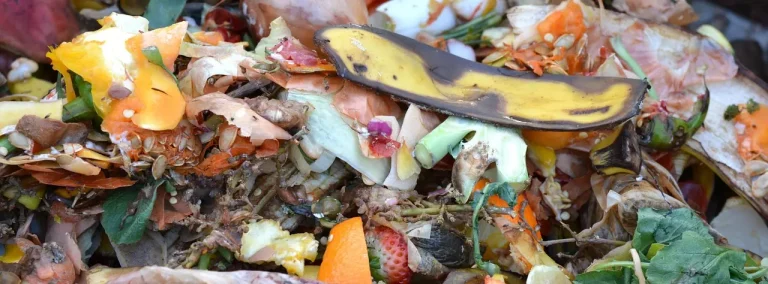
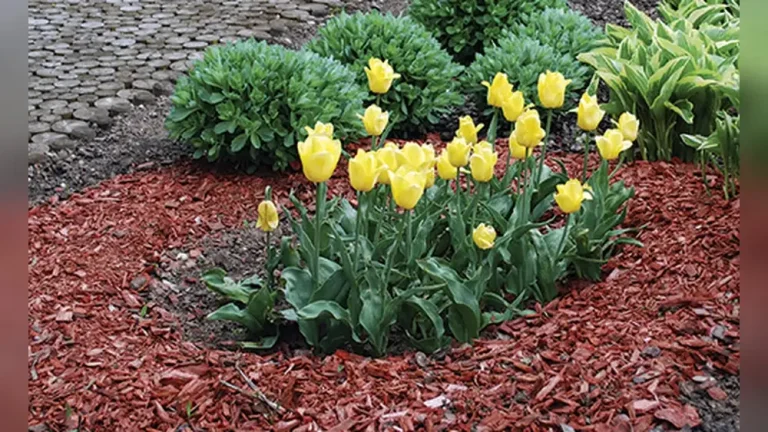
- Compost and Mulch: Regularly adding organic matter supports beneficial organisms and deters grubs. Mulch also helps moderate soil moisture, making it less attractive for egg-laying beetles.
- Aeration: Aerating soil improves drainage and root health, making the environment less hospitable for grubs. Compacted soil is more prone to pest buildup.
- Balanced Fertilization: Avoid over-fertilizing, as lush growth can attract beetles seeking egg-laying sites. Excess nitrogen can also weaken plants, making them more vulnerable to pest damage.
Garden Maintenance
- Remove Plant Debris: Clean up dead leaves and stems to discourage beetle egg-laying. Beetles are more likely to lay eggs in untidy gardens.
- Monitor Moisture: Avoid overwatering, as moist soil attracts grubs. Water deeply but less frequently to encourage deep root growth and discourage surface-dwelling larvae.
- Inspect Soil Regularly: Dig small test holes each season to check for grubs. Early detection allows for prompt intervention, preventing major outbreaks.
Natural Predators
Encourage birds and beneficial insects by providing habitat. Birds such as robins, starlings, and crows are effective grub hunters and can help keep populations low. Installing bird baths, feeders, or native shrubs can make your garden more inviting to these natural allies.
Resistant Crop Varieties
Some vegetable varieties are less susceptible to grub damage. Planting hardy species can mitigate losses. Consider interplanting susceptible crops with more resistant ones to reduce overall risk.
| Crop | Grub Susceptibility | Notes |
|---|---|---|
| Tomatoes | High | Deep roots, frequent grub targets |
| Carrots | Moderate | Root crops are vulnerable |
| Lettuce | Low | Shallow roots, less affected |
| Onions | Low | Natural pest deterrence |
Real-world Example: School Garden Initiative
A school garden in Portland implemented mulch, crop rotation, and beneficial nematodes after losing squash plants to grubs. By the following season, grub populations were negligible, and students enjoyed a successful harvest. The garden also involved students in regular soil checks, fostering awareness and early intervention skills.
Comparing Grub Management Strategies
Selecting the right strategy depends on garden size, infestation severity, and personal preferences. The following comparison table highlights key differences between organic, chemical, and integrated approaches.
| Strategy | Effectiveness | Environmental Impact | Cost | Ease of Use |
|---|---|---|---|---|
| Organic (Nematodes, Milky Spore) | High (with repeated use) | Low (eco-friendly) | Moderate | Easy for small gardens |
| Chemical (Insecticides) | High (fast-acting) | High (risk to non-targets) | Low–Moderate | Requires careful application |
| Integrated Pest Management (IPM) | Very High | Low–Moderate | Moderate | Requires planning |
Expert Recommendations
- Small gardens: Favor organic and manual methods for safety and ease.
- Large/commercial gardens: Consider IPM for balanced, cost-effective control.
- High infestations: Use chemical controls with caution and follow EPA guidelines, but integrate with non-chemical methods for long-term success.
For more detailed guidance, consult university extension services such as the University of Minnesota Extension (UMN Extension), which offer region-specific advice and up-to-date research.
Real-world Examples And Case Studies
Example 1: Suburban Home Garden
A suburban gardener in Ohio noticed wilting bean plants and patchy soil. Digging revealed 15 grubs per square foot—well above the recommended action threshold. By applying beneficial nematodes and reducing watering frequency, grub numbers dropped below damaging levels within one season.
The gardener also started a record-keeping journal to track symptoms and interventions, leading to faster responses in subsequent years.
Example 2: Community Garden In San Francisco
Volunteers at a community garden discovered poor growth in potato beds. After confirming grub infestation, they rotated crops, added milky spore powder, and introduced mulch to moderate soil moisture. The next year, potato yields improved by 30%, and grub damage was minimal.
The garden community also shared their experience with neighboring plots, reducing the overall incidence of grub problems.
Example 3: Commercial Tomato Farm
A commercial tomato farm in Florida experienced crop losses due to European chafer grubs. Implementing IPM strategies—including soil monitoring, nematode applications, and targeted insecticides—reduced infestations and saved an estimated $25,000 in produce. Ongoing training for farm staff and investment in soil health improvements have kept grub populations low in subsequent seasons.
For further reading on grub management, see the University of Florida IFAS Extension (UF IFAS Extension).
Long-term Grub Control And Monitoring
Sustained grub management requires ongoing vigilance and adaptive strategies. Gardeners should maintain records of infestations and treatments to optimize future interventions.
Monitoring Techniques
- Seasonal Soil Checks: Test soil at least twice a year for grubs—once in early spring and again in late summer. Use a trowel to dig small holes near the base of plants and count grubs in each sample.
- Plant Health Tracking: Document symptoms and outcomes for each crop. Note any changes in vigor, yield, or unusual weather that may affect grub activity.
- Weather Monitoring: Grub activity increases after rainfall and during warm temperatures. Anticipate higher risk periods by watching local forecasts.
Data-driven Adjustments
Analyze garden records to identify patterns and adjust prevention measures. For example, if grub infestations spike after heavy rains, improve drainage and aeration. If certain crops are repeatedly targeted, consider rotating them out for less susceptible varieties.
Community Collaboration
Neighborhood gardens can share information and coordinate interventions, reducing grub populations across larger areas. Community monitoring days or shared resource pools (such as bulk nematode purchases) can increase impact and reduce individual costs.
For up-to-date research and recommendations, refer to the USDA National Agricultural Library (USDA NAL).
Frequently Asked Questions
What Are Grubs And Why Do They Appear In Vegetable Gardens?
Grubs are the larval stage of beetles, such as Japanese beetles, June beetles, and European chafers. They appear in vegetable gardens when adult beetles lay eggs in moist, fertile soil. Grubs feed on plant roots, especially in gardens with rich organic matter and consistent moisture.
How Can I Tell If My Vegetable Garden Has A Grub Problem?
Common signs include wilting plants despite proper watering, yellowing leaves, stunted growth, and chewed roots when plants are uprooted. Digging 2–4 inches below the soil surface can reveal grubs clustered around roots. Animal digging and loose soil patches are also clues.
What Is The Best Organic Method For Controlling Grubs?
Beneficial nematodes are considered the best organic control. Applied as a soil drench, nematodes specifically target grubs and are safe for people, pets, and non-target insects. Milky spore powder is also effective against Japanese beetle grubs but requires more time to establish.
Are Chemical Insecticides Safe For Vegetable Gardens?
Chemical insecticides can be effective but carry risks. Products like imidacloprid and carbaryl must be used carefully to avoid harming beneficial insects and contaminating crops. Always follow EPA and manufacturer guidelines when applying insecticides, and avoid use near harvest time to ensure food safety.
Can Grubs Return After Treatment, And How Can I Prevent Them?
Grubs can return if adult beetles lay eggs in the garden again. Prevention includes healthy soil practices, crop rotation, regular soil inspections, and encouraging natural predators. Integrated Pest Management (IPM) offers the most sustainable approach, combining biological, cultural, and chemical controls as needed.
Protecting your vegetable garden from grubs is a multifaceted challenge that requires both vigilance and adaptability. By understanding grub biology, recognizing early signs, and implementing proven solutions, gardeners can ensure robust plant health and abundant harvests. Whether you’re tending a backyard plot or a commercial farm, these strategies empower you to manage grubs effectively and cultivate a thriving vegetable garden for years to come.