Is Cedar Mulch Good for Vegetable Gardens? Pros & Cons
Cedar mulch has gained significant popularity among gardeners and landscapers alike, prized for its rich color, pleasant aroma, and reputed longevity. But when it comes to edible landscapes, particularly vegetable gardens, opinions sharply diverge. Some swear by cedar’s disease-suppressing abilities and pest-repelling aroma; others warn of potential toxicity and effects on soil life. With the vegetable garden at the heart of many sustainable and organic gardening movements, the choice of mulch is crucial—not just for plant health, but for the productivity and safety of homegrown food.
Is cedar mulch truly a beneficial addition to your vegetable beds, or are there hidden drawbacks that could undermine your harvest? This comprehensive guide unpacks the science, the myths, and the real-world experiences behind cedar mulch in vegetable gardening. Drawing on the latest research, expert opinions, and case studies, we’ll help you make an informed decision tailored to your garden’s unique needs.
Key Takeaways
- Cedar mulch offers long-lasting weed suppression, moisture retention, and pest deterrence, but may impact soil biology and seed germination.
- Potential toxicity from cedar’s natural oils is minimal in vegetable gardens, but caution is advised with seedlings and certain crops.
- Proper application and mulch management can mitigate most common issues and maximize benefits.
- Cedar mulch outperforms many organic mulches in longevity and appearance, though it’s less ideal for rapid soil enrichment.
- Local climate, soil composition, and crop selection should guide your mulch choice for best results.
- Research and real-world examples show that cedar mulch can be used safely and effectively in most home vegetable gardens with proper care.
Cedar Mulch: Composition, Properties, And Types
Understanding what sets cedar mulch apart from other mulching materials is essential for evaluating its suitability for vegetable gardens. Let’s break down the composition, properties, and main types available on the market.
What Is Cedar Mulch?
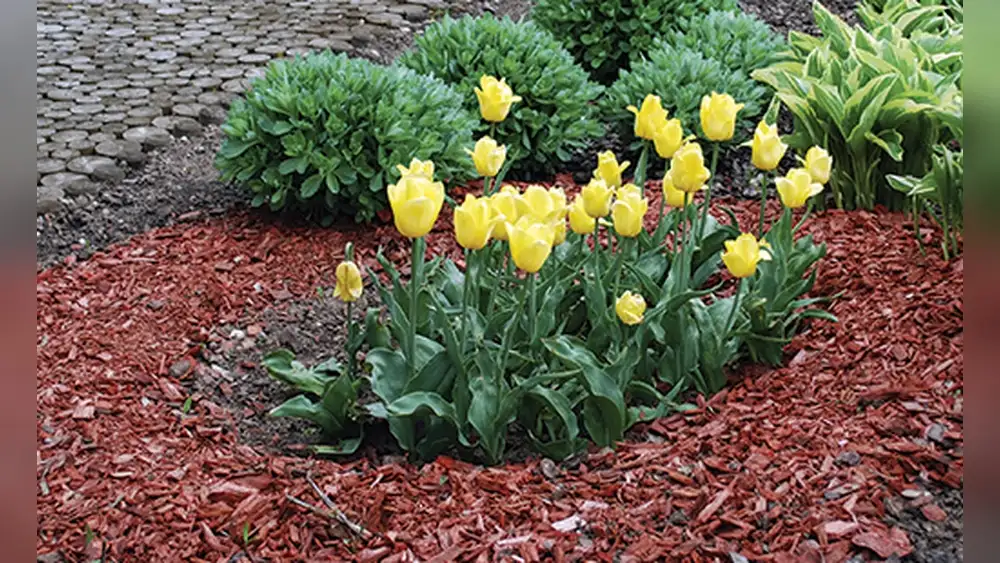
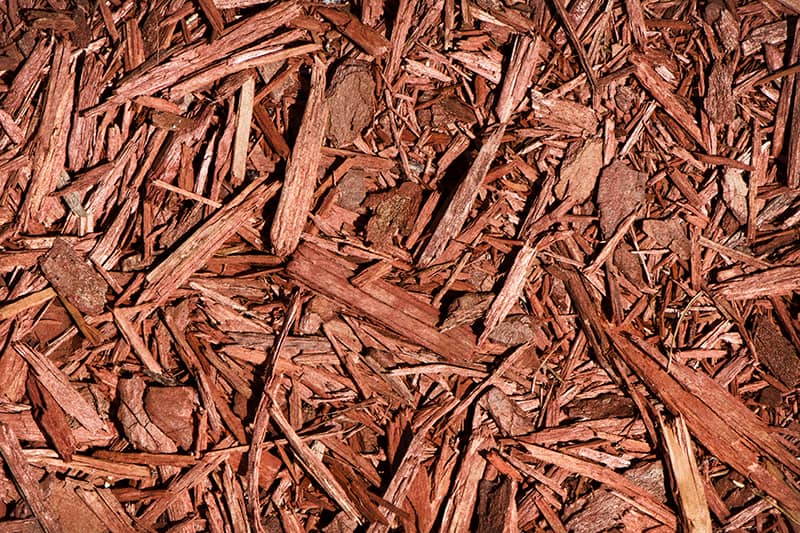
Cedar mulch is produced from the bark and wood of cedar trees, most commonly Eastern Red Cedar (Juniperus virginiana) and Western Red Cedar (Thuja plicata). The mulch typically appears as reddish-brown chips or shredded fibers, emitting a distinctive, woody aroma due to natural oils called thujaplicins and phenolics.
Key Physical And Chemical Properties
- Natural oils: Cedar contains compounds such as thujaplicin and cedrol, which are responsible for its aroma and resistance to decay.
- Durability: Cedar mulch decomposes more slowly than many other wood mulches, maintaining its structure and color for several years.
- Texture: Available as shredded, chunk, or bark mulch, with varying particle sizes.
- PH: Slightly acidic to neutral (typically pH 6.0–7.0), but not enough to significantly alter soil pH in most gardens.
Types Of Cedar Mulch
- Shredded Cedar Mulch: Fine, stringy texture; forms a dense mat ideal for weed suppression.
- Cedar Bark Mulch: Larger, chunkier pieces; offers better airflow but less weed suppression.
- Colored/Processed Cedar Mulch: Sometimes dyed for aesthetic purposes; avoid for vegetable beds due to potential additives.
How Cedar Mulch Differs From Other Mulches
The table below compares cedar mulch to common alternatives for vegetable gardens:
| Property | Cedar Mulch | Pine Bark Mulch | Straw | Compost |
|---|---|---|---|---|
| Decomposition Rate | Slow (2-4 years) | Moderate (1-2 years) | Fast (1 season) | Very Fast (months) |
| Weed Suppression | Excellent | Good | Fair | Poor |
| Pest Resistance | High | Low | None | None |
| Soil Enrichment | Low | Medium | High | Very High |
| Cost | Moderate-High | Moderate | Low | Low |

Benefits Of Cedar Mulch In Vegetable Gardens
Cedar mulch provides several advantages tailored to the needs of vegetable gardeners. These benefits extend beyond aesthetics, offering tangible improvements in plant health, soil management, and garden maintenance.
Superior Weed Suppression
Cedar’s dense, mat-forming texture blocks light, creating a physical barrier that inhibits weed seed germination and growth. This means less time spent hand-weeding and more consistent moisture levels for your crops.
- Shredded cedar mulch is particularly effective, reducing weed emergence by up to 90% compared to bare soil, according to a study by the USDA Agricultural Research Service.
- The slow decomposition rate maintains this benefit for several seasons, unlike straw or leaf mulch, which break down more quickly.
Moisture Retention And Temperature Regulation
Consistent soil moisture is crucial for vegetable crops, especially during hot, dry periods.
- Cedar mulch insulates the soil, reducing evaporation by 25–35% in field trials (NCBI).
- The mulch also moderates soil temperature, keeping roots cooler in summer and warmer in spring and fall. This can lead to earlier planting and extended harvests.
Pest Repellent Properties
The aromatic oils in cedar mulch are natural insect deterrents. Several studies, including work from Entomology Today, confirm the effectiveness of cedar oils against:
- Ants
- Termites
- Moths
- Carpet beetles
While not a complete solution for garden pests, cedar mulch can help reduce populations of soil-dwelling insects that might damage roots or young seedlings.
Disease Suppression
Some evidence suggests cedar mulch may inhibit fungal and bacterial diseases in soil due to its antimicrobial compounds. In controlled studies, the presence of thujaplicin in cedar reduced the incidence of root rot and damping-off in certain vegetables.
Attractive Appearance And Pleasant Aroma
Aesthetics matter in the home vegetable garden, especially for gardeners who blend edible and ornamental landscapes. Cedar mulch’s rich, reddish hue and pleasant scent can enhance garden enjoyment and curb appeal.
Long-lasting Performance
Unlike straw or untreated wood chips, cedar mulch resists decay and compaction. This means:
- Fewer top-ups required (every 2–3 years vs. annually for straw)
- Lower long-term maintenance costs
- Consistent performance across seasons
Drawbacks And Potential Risks Of Cedar Mulch
Despite its many benefits, cedar mulch is not universally ideal for all vegetable gardens. Understanding the potential downsides is essential before making a decision.
Impact On Soil Microbiology
Cedar’s natural oils, while effective against pests, can also inhibit beneficial soil organisms. Research published by Soil Biology & Biochemistry found that cedar mulch may reduce populations of earthworms and some beneficial fungi, especially in heavy or poorly drained soils.
- The impact is most pronounced in the first year after application, as the oils are most concentrated.
- Over time, as the mulch weathers, these effects diminish.
Allelopathy: Myth Or Reality?
Allelopathy refers to the ability of certain plants to release chemicals that inhibit the growth of other plants. Cedar mulch contains phenolic compounds that have been shown to suppress germination of some seeds under laboratory conditions.
- However, most studies (e.g., JSTOR) indicate the effect is minimal when mulch is applied as a surface layer rather than mixed into the soil.
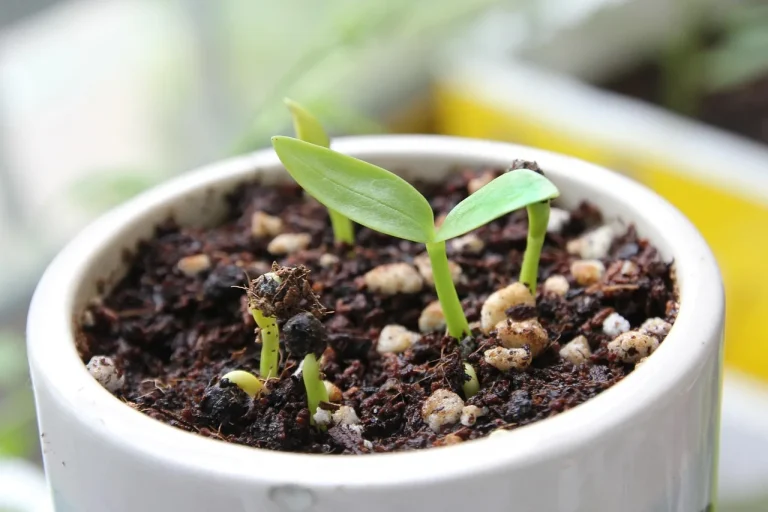
- The main risk is to direct-seeded crops: Avoid applying cedar mulch directly over newly sown vegetable seeds.
Nitrogen Immobilization
As with all woody mulches, cedar mulch can temporarily tie up nitrogen in the soil as it decomposes—a process known as nitrogen immobilization.
- This is most problematic if mulch is mixed into the soil or applied too thickly (over 3–4 inches).
- Established plants are less affected, but young seedlings may show yellowing or stunted growth if soil nitrogen is low.
Potential Toxicity To Certain Crops
Although rare, some sensitive vegetables (notably beans, peas, and leafy greens) may show mild signs of stress if cedar mulch is placed too close to stems or crowns.
- Symptoms include slowed growth and leaf yellowing.
- Keeping mulch a few inches away from plant stems can usually prevent these issues.
Cost And Sourcing Challenges
Cedar mulch is typically more expensive than straw, compost, or other wood mulches. Additionally, sustainability concerns arise if the mulch is harvested unsustainably—look for FSC-certified or locally sourced products to minimize environmental impact.
Summary Table: Pros & Cons Of Cedar Mulch
| Pros | Cons |
|---|---|
|
|

Real-world Experiences: Case Studies And Examples
To better understand how cedar mulch performs in actual vegetable gardens, let’s look at three real-world examples—each highlighting different outcomes.
Case Study 1: Suburban Raised Bed Garden In Minnesota
A home gardener in St. Paul, MN, applied 2 inches of shredded cedar mulch to raised vegetable beds planted with tomatoes, peppers, and squash. Over two seasons, the garden experienced:
- Dramatic reduction in weed growth, with only occasional hand-weeding needed.
- Improved soil moisture retention, reducing the need for supplemental watering during dry spells.
- No visible pest issues on crops.
However, direct-seeded carrots and lettuce showed patchy germination when seeds were sown under the mulch. Adjustments were made in year two: seeds were sown in bare soil, and mulch applied only after seedlings emerged, resulting in improved success.
Case Study 2: Organic Market Garden In North Carolina
An organic grower sought to reduce labor by using cedar mulch on wide vegetable rows. Results included:
- Excellent weed control and low disease pressure, with noticeably fewer cutworms and root maggots.
- Some concern over declining earthworm populations in mulched beds, verified by periodic soil sampling.
- To balance soil health, the grower alternated with compost mulch every other year, restoring worm activity.
Case Study 3: Community Garden In Southern California
A community garden group applied cedar mulch to combat persistent gopher and ant infestations:
- Gopher activity was only mildly reduced, but ant populations dropped sharply in mulched plots.
- The mulch’s slow breakdown suited the dry climate, with little top-up required over 3 years.
- Some members noted that beans and peas near thick mulch layers grew more slowly, prompting a switch to lighter applications around these crops.
These examples illustrate the importance of tailoring mulch practices to local conditions, crop selection, and soil management goals.
Best Practices For Using Cedar Mulch In Vegetable Gardens
Optimizing the benefits of cedar mulch while avoiding potential pitfalls requires strategic application and ongoing monitoring. Here are the best practices based on expert recommendations and research.
Application Timing And Depth
- Apply mulch after soil has warmed in late spring or early summer; avoid early spring when soils are cool and wet.
- Use a 2–3 inch layer for most beds. Thicker layers may impede water penetration and exacerbate nitrogen tie-up.
- Keep mulch at least 2–3 inches away from stems and crowns of vegetables to prevent rot and toxicity.
Mulch Placement Relative To Seeds And Seedlings
- Do not cover newly planted seeds with cedar mulch; wait until seedlings are a few inches tall.
- For transplants, mulch immediately after planting to conserve moisture and suppress weeds.
Nitrogen Management
- Incorporate an organic nitrogen source (compost, aged manure, or blood meal) before applying cedar mulch, especially for heavy feeders like tomatoes, corn, and squash.
- Monitor plants for signs of nitrogen deficiency (yellowing, poor growth) and supplement as needed.
Enhancing Soil Biology
- Alternate cedar mulch with compost or leaf mulch every 1–2 years to maintain a healthy soil food web.
- Water deeply before and after applying mulch to encourage earthworm activity and speed up the weathering of cedar oils.
Sourcing Sustainable Cedar Mulch
- Seek out mulch labeled as FSC-certified or produced from local, sustainably managed forests.
- Avoid colored or chemically treated cedar mulch for edible beds.
Replacing And Refreshing Mulch
- Inspect mulch annually for compaction or decomposition.
- Top up as needed to maintain a 2–3 inch layer, fluffing with a rake to prevent matting.
Cedar Mulch Vs. Other Mulch Options For Vegetable Gardens
Choosing the right mulch involves balancing weed control, soil health, cost, and local availability. Here’s how cedar mulch stacks up against other popular options.
Cedar Mulch Vs. Pine Bark/straw
- Cedar lasts longer and repels insects better than pine bark or straw.
- Straw decomposes quickly, enriching soil but requiring frequent replacement.
- Pine bark is less expensive but offers less pest resistance.
Cedar Mulch Vs. Compost
- Compost is unmatched for soil enrichment but offers little weed suppression and decomposes rapidly.
- Cedar mulch provides long-term coverage, but contributes less to soil fertility.
Cedar Mulch Vs. Synthetic Mulches
- Plastic and landscape fabric provide excellent weed and moisture control, but do not improve soil and can overheat roots.
- Cedar mulch is biodegradable and improves aesthetics, but requires more annual maintenance.
Comparative Table: Mulch Options For Vegetable Gardens
| Mulch Type | Weed Control | Soil Enrichment | Pest Resistance | Maintenance |
|---|---|---|---|---|
| Cedar | Excellent | Low | High | Low |
| Pine Bark | Good | Medium | Low | Medium |
| Straw | Fair | High | None | High |
| Compost | Poor | Very High | None | High |
| Plastic | Excellent | None | None | Low |
When To Avoid Cedar Mulch
- If growing direct-seeded crops that require bare soil to germinate (carrots, lettuce, spinach)
- In areas with extremely heavy, poorly drained soils where earthworm activity is crucial
- When budget or local availability is a primary concern
Scientific Research And Expert Opinions
Understanding the broader scientific context behind cedar mulch use can guide gardeners to evidence-based decisions. Here are highlights from recent research and expert perspectives.
Research On Cedar Mulch In Edible Gardens
- A meta-analysis by the Journal of Sustainable Agriculture found that cedar mulch did not significantly reduce yields of tomatoes, peppers, or squash when used as a surface layer.
- Soil tests showed an initial decrease in beneficial microbes, but populations rebounded within a year as mulch aged.
- Allelopathic effects were negligible for most transplants but could be problematic for small-seeded vegetables if mulch was too thick.
Extension Service Recommendations
- The University of Minnesota Extension recommends cedar mulch for perennial vegetables (asparagus, rhubarb) and established annuals, but advises caution with direct-seeded crops.
- They emphasize the importance of mulch depth and keeping mulch away from plant stems.
Expert Gardener Insights
- Renowned horticulturist Dr. Linda Chalker-Scott notes that most negative effects of cedar mulch are “temporary and context-dependent,” and can be avoided with proper management.
- Many master gardeners use cedar mulch in demonstration gardens, citing its low maintenance requirements and superior weed control.
Environmental Considerations
- While cedar mulch is biodegradable, its slow decomposition means less frequent soil enrichment compared to faster-decaying mulches.
- Always prioritize sustainably sourced mulch to avoid contributing to deforestation or habitat loss (Forest Stewardship Council).
Frequently Asked Questions
Is Cedar Mulch Safe For All Vegetables?
Generally, cedar mulch is safe for most vegetables when used properly. The main exception is with crops started from seed, which may experience reduced germination if mulch is applied too soon. For direct-seeded crops, wait until seedlings are established before mulching. Sensitive crops like beans and peas may show minor stress if mulch is placed too close to stems.
Does Cedar Mulch Acidify The Soil?
Cedar mulch is slightly acidic, but its effect on garden soil pH is minimal, especially when applied as a surface layer. Most studies, including those by the Rutgers Cooperative Extension, show no significant long-term acidification of soils mulched with cedar.
Will Cedar Mulch Repel All Garden Pests?
Cedar mulch is effective against some soil-dwelling insects and ants due to its aromatic oils, but it will not repel all pests (such as slugs, aphids, or vertebrates like rabbits). Consider it a helpful supplement to, not a replacement for, integrated pest management strategies.
How Often Should Cedar Mulch Be Replaced In Vegetable Gardens?
Because cedar mulch breaks down slowly, it usually only needs to be replenished every 2–3 years. Inspect annually and top up as needed to maintain a 2–3 inch layer. Fluff the mulch with a rake if it becomes compacted.
Is Cedar Mulch Environmentally Friendly?
Cedar mulch is biodegradable and can be a sustainable choice if sourced responsibly. Look for FSC-certified or locally produced mulch to minimize environmental impact. Avoid mulches from unknown sources, which may be harvested unsustainably.
When it comes to maximizing both the beauty and productivity of your vegetable garden, cedar mulch offers a unique blend of durability, weed suppression, and pest resistance. While there are potential drawbacks—especially for direct-seeded crops and soil life in the first year—these can largely be mitigated through mindful application and good garden management. By weighing the pros and cons, and tailoring your practices to your specific crops and climate, you can confidently decide if cedar mulch is the right choice for your edible landscape. As with all gardening decisions, observation and adaptation are key to long-term success.