Why Are Vegetable Gardens Energy Efficient? The Real Reason
The idea of cultivating a vegetable garden at home is often celebrated for its nutritional benefits and the sense of accomplishment it brings. However, there’s an even more compelling reason to embrace this practice: energy efficiency. As global energy consumption continues to soar and environmental concerns mount, understanding how and why vegetable gardens reduce energy use is crucial. Unlike industrial agriculture, which relies heavily on fossil fuels and long supply chains, home gardens offer a sustainable alternative that addresses food security, climate change, and personal well-being—all while requiring remarkably less energy input.
This article explores the real reason why vegetable gardens are energy efficient, moving beyond surface-level benefits to uncover the underlying mechanisms. We’ll delve into the energy dynamics of commercial agriculture, compare them with those of home gardening, and examine the environmental, economic, and social impacts. Using data, case studies, and practical examples, we’ll reveal how growing your own vegetables can be a powerful tool for reducing energy consumption and promoting sustainable living.
Key Takeaways
- Vegetable gardens drastically reduce energy used in food production, processing, packaging, and transportation.
- Home gardening supports sustainable practices like composting and organic cultivation, lowering dependency on fossil fuels.
- Energy savings translate into lower carbon emissions, contributing to climate change mitigation.
- Vegetable gardens foster local food security and resilience while promoting community health.
- Comparing home-grown vs. store-bought vegetables reveals significant differences in energy footprints.
- Real-world examples and case studies highlight the practical impact of energy-efficient gardening.
:max_bytes(150000):strip_icc()/GettyImages-2240141971-3d57b00768b44d219e1538feaf43ef01.jpg)
The Energy Dynamics Of Industrial Agriculture
Modern agriculture is often praised for its ability to feed billions, but it comes at a hefty energy cost. Large-scale farming operations rely on extensive machinery, chemical fertilizers, pesticides, irrigation systems, and transportation networks. Let’s break down the main energy-consuming processes in commercial vegetable production.
Fossil Fuel Dependence
Industrial agriculture is heavily dependent on fossil fuels for:
- Machinery operation (tractors, harvesters, plows) that require gasoline or diesel for fuel.
- Fertilizer production, especially nitrogen fertilizers (energy-intensive Haber-Bosch process), which alone accounts for approximately 1-2% of the world’s annual energy consumption.
- Pesticide manufacturing and application, which includes not just the production but also the distribution and application of chemicals, often via powered sprayers or planes.
- Irrigation systems, which often require electricity or diesel pumps to move vast quantities of water, especially in arid regions or during drought conditions.
According to the U.S. Department of Agriculture, the food system consumes nearly 10% of total US energy use. Over 80% of this energy is used beyond the farm gate—in processing, packaging, distribution, and preparation (USDA ERS). This means that most of the energy goes into getting food from the farm to your plate, not in actually growing it.
Additionally, the reliance on fossil fuels creates vulnerability. Fluctuations in oil prices can directly impact food prices and availability, making industrial agriculture less resilient to global energy market shocks.
Long Supply Chains
Vegetables grown commercially often travel hundreds or thousands of miles from farm to supermarket. This transportation process includes:
- Harvesting and initial storage, often in refrigerated warehouses or silos to prevent spoilage.
- Refrigerated trucks and containers that maintain a consistent temperature, consuming significant energy over long distances.
- Retail distribution, where produce may be transferred multiple times between warehouses, distribution centers, and retail outlets.
Each stage adds to the energy footprint of the final product. The average food item in the US travels 1,500 miles before reaching the consumer (Leopold Center for Sustainable Agriculture). In some cases, imported vegetables from across the globe may travel over 5,000 miles, involving air freight, which is even more energy-intensive than trucking or shipping.
Processing And Packaging
To extend shelf life and appeal, vegetables undergo:
- Washing and cutting, often done with electrically powered equipment.
- Blanching or freezing, both of which require large amounts of energy for heating or cooling.
- Plastic or cardboard packaging, produced from petroleum-based materials and often designed for single-use.
All these steps require additional energy and resources, and packaging waste contributes to environmental pollution. For example, single-use plastic clamshells and shrink-wrap are common in supermarkets, adding to landfill and ocean waste problems.
Data Table: Energy Inputs In Commercial Vs. Home Vegetable Production
| Process | Commercial Agriculture (kWh/kg) | Home Gardening (kWh/kg) |
|---|---|---|
| Planting & Cultivation | 0.6 | 0.1 |
| Fertilization & Pest Control | 1.2 | 0.2 |
| Harvesting | 0.4 | 0.1 |
| Processing & Packaging | 1.0 | 0.05 |
| Transportation | 1.5 | 0.01 |
| Total | 4.7 | 0.47 |
*Source: Data adapted from Food Policy Journal.*
This table highlights the order-of-magnitude difference in energy inputs. Most notably, the energy used for transportation, processing, and packaging in commercial systems dwarfs that of home gardening.
Why Vegetable Gardens Are Energy Efficient: The Real Reason
The core reason vegetable gardens are energy efficient is their ability to bypass the energy-intensive steps inherent in modern food systems. By growing vegetables at home, you eliminate:
- Transportation energy
- Industrial processing and packaging
- Large-scale irrigation and chemical inputs
Home gardens leverage natural processes and local resources, making them a low-energy, high-impact solution.
Proximity And Reduced Transportation
The most significant energy savings come from the short distance between garden and table. With vegetables grown in your backyard or community plot, transportation is virtually eliminated. This reduction is profound:
- No need for refrigerated trucks or long-haul shipping, which often rely on fossil fuels and add to greenhouse gas emissions.
- No storage in energy-hungry warehouses, which require constant climate control to keep produce fresh.
- No retail distribution networks, which add complexity and energy use at each transfer point.
A study found that home-grown produce uses up to 97% less transportation energy compared to store-bought vegetables (NRDC). In addition, the reduced handling means less spoilage and food waste, which itself is a hidden energy cost in the industrial food chain.
Minimal Processing And Packaging
Home gardens require only basic cleaning and preparation. There’s no need for energy-consuming processes like blanching, freezing, or elaborate packaging. Gardeners often use reusable baskets or bowls, further reducing the energy and waste associated with single-use packaging.
The absence of packaging also means no energy is expended in manufacturing, printing, or recycling materials. Even compostable packaging from stores has an energy footprint that home-grown produce avoids.
Natural Inputs And Organic Practices
Most home gardeners favor organic methods, relying on:
- Compost and natural fertilizers, which recycle nutrients within the local system rather than relying on fossil-fuel-derived synthetics.
- Hand weeding or mulching, which suppresses weeds naturally and reduces the need for herbicides.
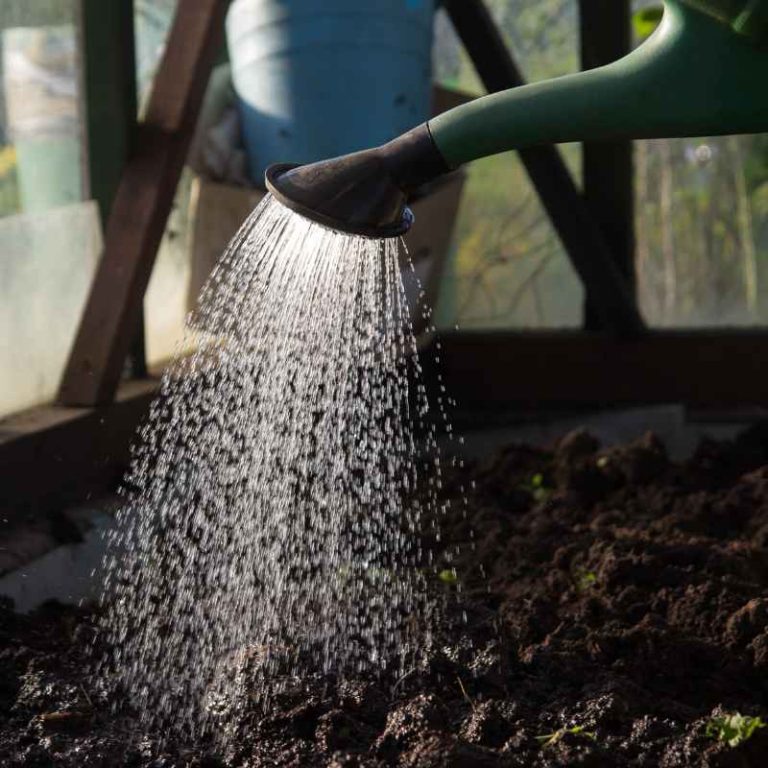
- Rainwater collection or low-energy irrigation, which uses gravity or minimal pumping.
This approach avoids synthetic fertilizers and pesticides, which account for a significant portion of agricultural energy use. According to Wikipedia, organic practices typically use 30-50% less energy than conventional methods.
For example, composting kitchen and yard waste creates a closed-loop nutrient cycle, minimizing the energy required to purchase, transport, and apply commercial fertilizers.
Efficient Use Of Resources
Vegetable gardens maximize resource efficiency:
- Water is applied directly, minimizing waste through runoff or evaporation. Drip irrigation and soaker hoses can further reduce water needs.
- Crop selection can be tailored to local climate and soil, meaning less energy is needed to modify the growing environment.
- Small-scale plots allow for intercropping, companion planting, and crop rotation, which naturally reduce pest and disease pressure and improve soil health.
Additionally, gardeners can observe and respond to changes quickly, applying water or nutrients only when and where needed, unlike broad-scale mechanical systems.
Table: Energy Savings By Eliminating Key Processes
| Process Eliminated | Commercial Energy Use (kWh/kg) | Home Garden Energy Use (kWh/kg) | Percent Savings |
|---|---|---|---|
| Transportation | 1.5 | 0.01 | 99.3% |
| Processing | 1.0 | 0.05 | 95% |
| Packaging | 0.8 | 0.02 | 97.5% |
These numbers reveal that the biggest energy savings come from eliminating the steps that have become routine in industrial food systems—but are largely unnecessary when growing food at home.
Environmental Impact: Lower Carbon Footprint And Resource Use
Reducing energy use in food production has direct environmental benefits. Vegetable gardens help lower carbon emissions, conserve water, and reduce pollution.
Lower Greenhouse Gas Emissions
The vast majority of agricultural energy comes from burning fossil fuels, which generate CO2 emissions. By cutting out transportation, processing, and packaging, home gardens dramatically reduce the carbon footprint of vegetables.
- A home garden can cut CO2 emissions per kilogram of produce by up to 90% compared to store-bought (EPA).
- Composting organic waste returns nutrients to the soil and avoids methane emissions from landfills.
In fact, food waste sent to landfill is a significant source of methane—a greenhouse gas over 25 times more potent than CO2. Home composting helps close the loop and reduce this impact.
Water Conservation
Industrial farms often use irrigation systems that waste water through evaporation and runoff. Home gardens, especially those using drip irrigation or rain barrels, can be far more efficient:
- Direct application of water to plants means less is lost to evaporation.
- Use of mulch to retain soil moisture allows for less frequent watering, saving both water and energy.
- Selection of drought-resistant varieties further reduces the need for irrigation.
In regions facing water scarcity, these practices can make home gardening not just energy efficient but also vital for sustainability.
Reduced Chemical Pollution
By relying on natural pest control and organic fertilizers, gardeners minimize:
- Nitrogen runoff into waterways, which contributes to algal blooms and dead zones.
- Pesticide contamination, which affects pollinators, beneficial insects, and human health.
- Soil degradation, since organic methods build rather than deplete soil fertility.
Moreover, healthy garden soils store more carbon, helping to offset climate change.
Biodiversity And Ecosystem Health
Vegetable gardens support pollinators, beneficial insects, and soil microbes. Diverse plantings can restore local ecosystems and encourage wildlife. Unlike monoculture fields, gardens often include flowers and herbs, providing critical habitat and food sources for bees, butterflies, and birds.
Real-world Example: The Victory Garden Movement
During World War II, the US government encouraged citizens to plant Victory Gardens. By 1944, these gardens produced 40% of the nation’s fresh vegetables, with minimal energy input (Wikipedia). This historic example demonstrates the power of home gardens to meet food needs sustainably.
The Victory Garden movement illustrates not only what is possible with decentralized, low-energy food production but also the resilience and adaptability of communities in the face of resource constraints.
Economic Benefits: Cost And Energy Savings For Households
Home vegetable gardens aren’t just energy efficient—they’re economically sensible. Families can save money while cutting their household energy footprint.
Lower Food Costs
Growing vegetables at home eliminates many expenses:
- Retail markup, which can be 50-100% over farm gate prices.
- Packaging costs, which can add up over time, especially for organic or specialty produce.
- Transportation fees, which are often hidden in the final price.
A typical home garden can yield produce worth $600–$1,200 per season, depending on size and crop selection (NDSU Extension). Even small container gardens can save hundreds per year, especially when growing high-value crops like herbs, salad greens, or tomatoes.
Reduced Household Energy Use
By avoiding frequent grocery trips and storing less produce in refrigerators, gardeners reduce:
- Gasoline or diesel use for shopping trips, which can be significant in rural or suburban areas.
- Home energy consumption (less refrigeration and freezing), since freshly picked produce can be stored at room temperature for short periods.
Gardeners also use fewer kitchen appliances to process or prepare food, further shrinking their energy use.
Table: Annual Cost And Energy Savings
| Expense | Store-Bought ($/year) | Home-Grown ($/year) | Energy Savings (kWh/year) |
|---|---|---|---|
| Vegetable Purchase | 900 | 250 | 900 |
| Transportation | 150 | 10 | 400 |
| Refrigeration | 100 | 50 | 150 |
| Total | 1,150 | 310 | 1,450 |
Over several years, the savings multiply, especially as perennials or self-seeding plants establish and gardening skills improve.
Community And Local Economy Impact
When communities embrace gardening:
- Local economies thrive through seed and tool sales, as well as farmers’ markets and gardening workshops.
- Reduced demand for imported produce keeps money circulating locally and can create new opportunities for small-scale entrepreneurs.
By building local capacity, communities become less vulnerable to global supply chain disruptions or price spikes.
Case Study: Community Gardens In Detroit
Detroit’s urban gardening movement transformed vacant lots into productive spaces, saving residents thousands in food costs and reducing citywide energy consumption. The gardens also improved access to fresh food in underserved neighborhoods (Detroit Agriculture Network). These projects have revitalized neighborhoods, created jobs, and fostered community resilience in the face of economic hardship.
Social And Health Advantages Linked To Energy Efficiency
Energy-efficient vegetable gardens also provide social and health benefits, making them an attractive option for families and communities.
Improved Nutrition
Home-grown vegetables are fresher, more nutritious, and less likely to be exposed to harmful chemicals. The reduced processing means:
- Higher levels of vitamins and antioxidants, which often degrade during transport and storage.
- Better taste and texture, encouraging increased consumption of healthy foods.
The act of gardening also increases awareness and appreciation of food, leading to healthier eating habits.
Physical And Mental Health
Gardening is a moderate physical activity that:
- Reduces stress by providing time outdoors and contact with nature.
- Promotes cardiovascular health and muscle strength.
- Enhances mental well-being, with studies showing lower rates of depression and anxiety among gardeners.
Children benefit as well, gaining hands-on science education and physical activity.
Food Security And Resilience
Energy-efficient gardens empower individuals and communities to:
- Survive supply chain disruptions, as seen during the COVID-19 pandemic when many people turned to gardening amid empty grocery shelves.
- Reduce reliance on volatile market prices, which can be affected by weather events, fuel costs, or political unrest.
- Control food quality and safety, knowing exactly how their produce is grown.
Social Cohesion
Community gardens foster:
- Collaboration, as neighbors work together toward a common goal.
- Education, through workshops and shared knowledge.
- Civic pride, as green spaces improve neighborhood aesthetics and livability.
Gardening programs also provide opportunities for intergenerational learning and cultural exchange, as traditional gardening methods and recipes are shared.
Real-world Example: The San Francisco Urban Agriculture Program
San Francisco’s urban agriculture initiative has helped over 10,000 residents cultivate their own food, improving nutrition and reducing household energy use (San Francisco Urban Agriculture Program). The program has also boosted social cohesion, public health, and environmental awareness.
Practical Strategies To Maximize Energy Efficiency In Vegetable Gardens
To reap the full benefits, gardeners can adopt specific practices that further reduce energy use and environmental impact.
Composting And Soil Management
- Use kitchen scraps and yard waste to create nutrient-rich compost, reducing the need for commercial fertilizers and diverting waste from landfills.
- Composting reduces landfill waste and eliminates the need for synthetic fertilizers, which are energy-intensive to produce and transport.
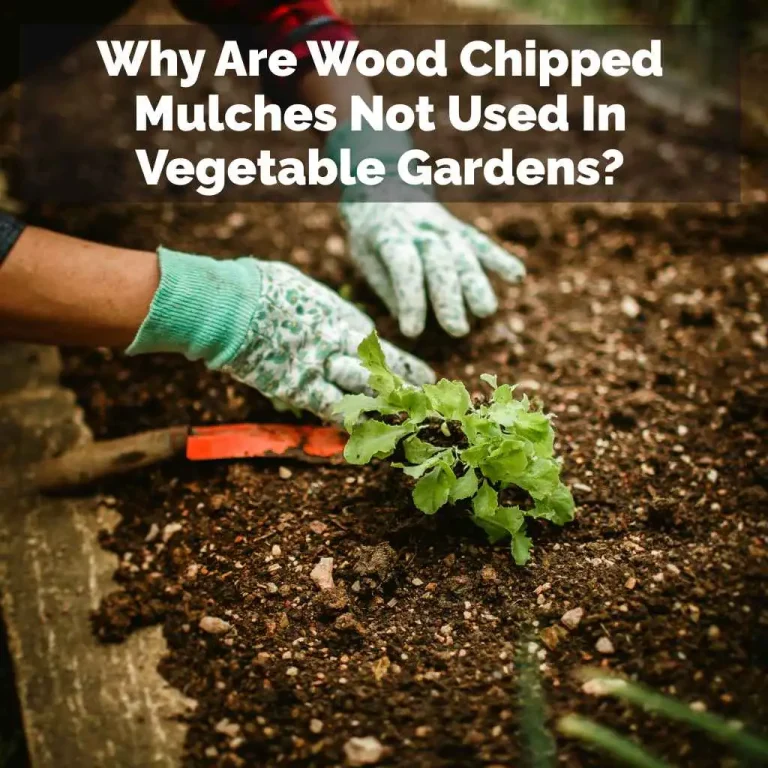
- Mulch with leaves, straw, or grass clippings to suppress weeds and retain soil moisture, further reducing water and energy needs.
Water-saving Techniques
- Install drip irrigation or use watering cans for precise application, which can halve water use compared to sprinklers.
- Collect rainwater in barrels for garden use, lowering demand on municipal supplies.
- Mulch to retain soil moisture, reducing evaporation and frequency of watering.
Plant Selection And Crop Rotation
- Choose native or drought-tolerant varieties for lower water and energy needs. These plants are adapted to local conditions and require fewer inputs.
- Practice crop rotation to maintain soil health and reduce pests naturally, decreasing the need for chemical controls.
Low-energy Tools And Methods
- Use manual tools instead of powered equipment. Hand trowels, hoes, and spades are effective and require no fuel or electricity.
- Solar-powered lights or irrigation timers can automate tasks without increasing your carbon footprint.
- Garden planning to maximize sunlight and minimize supplemental energy, such as planting taller crops to shade smaller, sensitive plants.
Efficient Harvest And Storage
- Harvest only what you need, reducing waste and minimizing storage energy.
- Use root cellars or cool basements instead of energy-intensive refrigeration for crops like potatoes, carrots, or onions.
- Preserve excess produce through canning, drying, or fermenting—methods that use less energy than freezing.
Tips List: Energy-smart Gardening Practices
- Plan your garden layout for efficient watering and sunlight use.
- Compost organic waste and use it as fertilizer.
- Use mulch to reduce water evaporation and suppress weeds.
- Select crops suited to your local climate and soil.
- Avoid synthetic chemicals and opt for organic pest control.
- Harvest regularly to prevent over-ripening and waste.
- Share surplus produce with neighbors to further reduce community food miles and energy use.
- Involve family or friends to make gardening more efficient and enjoyable.
Comparison: Home-grown Vs. Store-bought Vegetables
Understanding the contrast between home-grown and store-bought vegetables is key to appreciating energy efficiency.
Energy Footprint
- Home-grown: Minimal energy input, primarily manual labor and small-scale watering, with most energy coming from renewable human effort.
- Store-bought: Multiple energy-intensive steps (machinery, transportation, refrigeration, packaging), with a heavy reliance on fossil fuels.
Environmental Impact
- Home-grown: Lower emissions, reduced waste, improved biodiversity, and enhanced soil health through organic practices.
- Store-bought: Higher emissions, packaging waste, monoculture farming, and reliance on industrial inputs.
Cost And Accessibility
- Home-grown: Initial investment in seeds/tools, ongoing savings, accessible to most with space/time, with long-term benefits as gardens mature.
- Store-bought: Continuous spending, less control over quality or origin, and vulnerability to price fluctuations.
Table: Comparative Overview
| Factor | Home-Grown | Store-Bought |
|---|---|---|
| Energy Use | Low | High |
| Carbon Emissions | Low | High |
| Cost | Lower (over time) | Higher |
| Packaging Waste | Minimal | Significant |
| Nutritional Quality | High | Variable |
Home gardening also offers intangible benefits—such as personal satisfaction, educational value, and community connection—that store-bought produce cannot match.
Real-world Case Studies: Energy Efficient Gardening In Action
Examining real-world examples demonstrates the tangible benefits of vegetable gardens.
Suburban Backyard Garden: The Smith Family
The Smiths transformed a 400-square-foot backyard into a vegetable garden, producing over 300 pounds of vegetables annually. Their energy use dropped by 80%, saving $900 in food and energy costs per year. They reported fresher meals, reduced grocery trips, and a greater appreciation for seasonal eating.
Community Garden In New York City
A community garden in Brooklyn, managed by 50 families, produced fresh vegetables for over 200 people. By growing locally, participants avoided thousands of food miles, reduced emissions, and fostered community engagement. The garden also provided educational programs for children and workshops on composting and water conservation.
School Garden Project In California
A school garden initiative involved students in cultivating vegetables. The project cut cafeteria costs and energy use by 40%, while providing educational and nutritional benefits. Students learned about plant biology, sustainability, and healthy eating, building lifelong skills and environmental awareness.
International Example: Havana, Cuba’s Urban Agriculture
In response to food shortages in the 1990s, Havana launched a widespread urban agriculture movement. Today, over 50% of the city’s vegetables are grown within city limits, dramatically reducing transportation energy and ensuring food security for millions.
Frequently Asked Questions
How Much Energy Can I Save By Growing My Own Vegetables?
Growing vegetables at home can reduce energy use by 80–90% compared to purchasing from supermarkets. Most savings come from eliminating transportation, processing, and packaging steps. The more you grow and the less you rely on industrial inputs, the greater your savings.
Are Vegetable Gardens Practical For Urban Environments?
Yes, urban gardens—including container gardening, rooftop plots, and community gardens—are highly effective. They maximize space and resources, providing fresh food with minimal energy input. Creative solutions like vertical gardening, hydroponics, and window boxes make gardening accessible even in small apartments.
What Are The Main Environmental Benefits Of Energy-efficient Gardening?
The primary benefits are lower carbon emissions, reduced water use, minimized chemical pollution, and enhanced biodiversity. Gardens also help restore urban green spaces and can mitigate heat islands in cities.
How Do Vegetable Gardens Support Food Security?
Home gardens empower individuals and communities to control food production, reducing reliance on external supply chains. This increases resilience during crises or shortages, and provides a safety net for vulnerable populations.
What Are The Best Crops For Energy-efficient Gardens?
The most energy-efficient crops are those suited to your local climate and soil. Leafy greens, tomatoes, beans, and root vegetables are popular choices, requiring minimal inputs and yielding high returns. Perennial vegetables and herbs, such as asparagus, chives, and rhubarb, also offer long-term productivity with little effort.
Growing a vegetable garden is more than a hobby—it’s a meaningful step toward energy efficiency, environmental sustainability, and personal empowerment. By understanding and embracing the real reasons behind the energy savings, individuals and communities can make informed choices that benefit their wallets, their health, and the planet. Whether you’re cultivating a backyard plot or participating in a community garden, each vegetable you grow is a small victory for a more efficient and sustainable world. With every seed planted, you contribute to a resilient future—one that values local resources, healthy ecosystems, and the well-being of all.