What Mulch Is Best For Vegetable Gardens? Full Guide
Choosing the right mulch for your vegetable garden can be the difference between a thriving, bountiful harvest and a plot riddled with weeds, water loss, and poor yields. Mulching is more than just a finishing touch; it’s a strategic practice that influences soil health, moisture retention, weed suppression, and even pest management.
As gardeners and researchers have learned through decades of trial and error, not all mulches are created equal—especially when it comes to vegetables.
Whether you’re cultivating a small backyard plot or managing extensive raised beds, understanding the unique benefits and limitations of different mulching options is essential. This guide breaks down the science, real-world experiences, and latest research to help you select the best mulch for your specific vegetable garden needs.
From organic favorites like straw and compost to innovative synthetic options, you’ll discover how to maximize growth, minimize maintenance, and build a more resilient garden ecosystem.
Key Takeaways
- Mulch selection impacts vegetable yield, soil health, and weed control.
- Organic mulches like straw, compost, and wood chips offer long-term soil benefits but vary in effectiveness depending on the crop.
- Inorganic mulches such as plastic and landscape fabric provide excellent weed suppression but can affect soil temperature and health.
- Climate, crop type, and garden size are crucial factors in choosing the ideal mulch.
- Proper mulching techniques are essential to avoid common issues such as rot or pest attraction.
- Real-world studies and expert recommendations highlight both successes and pitfalls with various mulch types.
Understanding Mulch: Basics And Benefits
Mulch is any material applied to the surface of soil to protect, enrich, and support plant growth. Its use in vegetable gardens is backed by decades of research, with clear evidence of multiple benefits.
What Is Mulch?
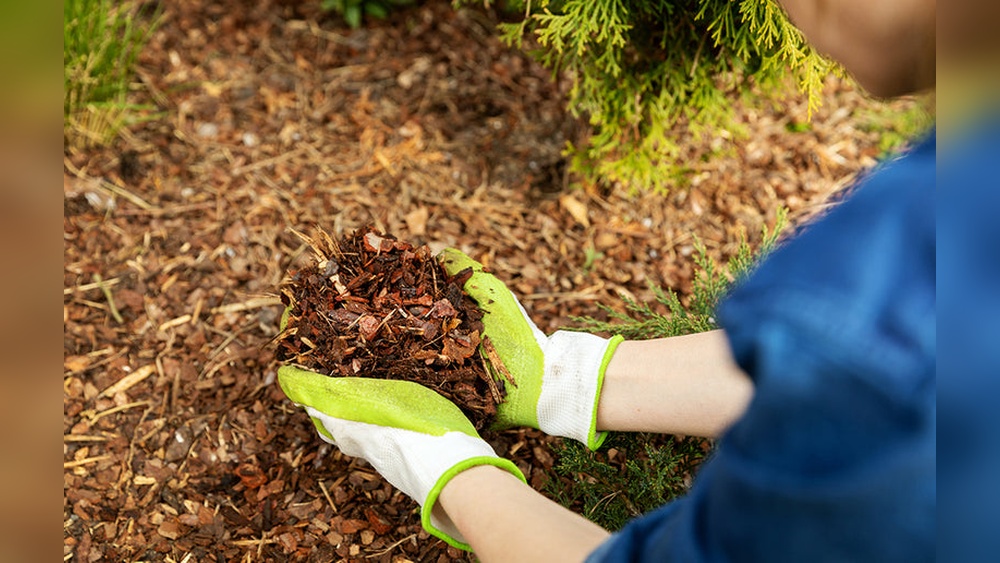
Mulch can be organic (derived from natural, decomposable materials) or inorganic (synthetic or mineral-based). The most common organic mulches include straw, leaves, grass clippings, compost, and wood chips. Inorganic options include black plastic, landscape fabric, and gravel.
Organic mulches break down over time, feeding the soil and supporting its ecosystem. In contrast, inorganic mulches remain largely unchanged, providing physical benefits like weed suppression and temperature regulation but not enriching soil. For instance, shredded bark and leaf mulch not only suppress weeds but also attract earthworms and beneficial insects, which help aerate the soil and improve fertility.
Why Mulch Matters For Vegetables
Applying mulch in vegetable gardens addresses several challenges:
- Moisture Retention: Mulch reduces evaporation, keeping soil moist and reducing irrigation needs by up to 50%, according to the University of Vermont Extension. This is particularly critical in regions prone to drought, where water conservation is vital for crop survival.
- Weed Suppression: A 2-4 inch layer of mulch can decrease weed growth by over 90% in managed beds. Mulch acts as a physical barrier, preventing sunlight from reaching weed seeds and inhibiting their germination.
- Soil Temperature Regulation: Mulch insulates roots from temperature extremes, extending the growing season. In cooler climates, certain mulches like black plastic can help warm the soil, allowing for earlier planting, while in hot climates, straw or shredded leaves keep soil cooler and protect delicate roots.
- Soil Health: Organic mulches feed beneficial microbes, improve structure, and add nutrients as they break down. For example, composted leaves can increase soil organic matter by up to 10% in a single season, according to multiple studies from agricultural universities.
- Pest and Disease Management: Some mulches discourage pests or reduce soil-borne diseases by preventing soil splash. For instance, mulch can minimize the spread of fungal spores that travel from soil to plant leaves during rainfall.
Drawbacks Of Mulching
While mulching is beneficial, it’s not without challenges:
- Pest Attraction: Some mulches, like straw or untreated wood chips, may harbor pests or diseases if not sourced carefully. In particular, thick straw layers can create moist environments favored by slugs and snails.
- Nitrogen Tie-Up: Fresh wood mulches can temporarily deplete soil nitrogen as they decompose. This is especially evident when wood chips are worked into the soil rather than used as a surface mulch.
- Excess Moisture: Over-mulching can promote rot, especially in humid climates or with thick layers. Too much moisture trapped beneath mulch can cause stem rot and fungal outbreaks, particularly with crops like squash and tomatoes.
Additionally, improper mulch application can create barriers to water penetration, reduce air circulation, and sometimes lead to anaerobic conditions in soil, which are detrimental to root health.
Types Of Mulch: Pros, Cons, And Suitability
Selecting the best mulch hinges on understanding the strengths and weaknesses of each type in the context of vegetable gardening .
Organic Mulch Options
Straw
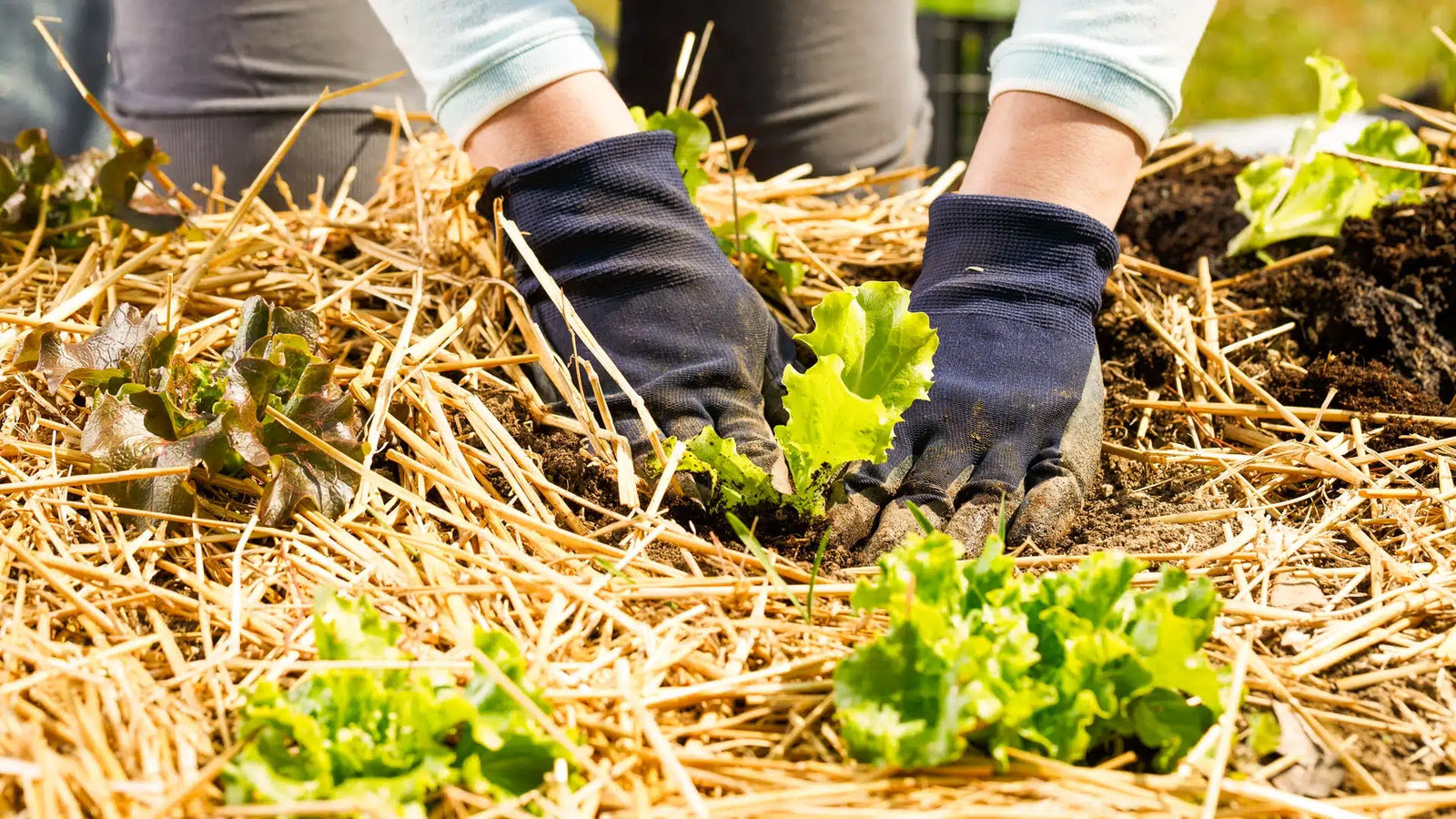
Straw is a classic choice for vegetable gardens due to its lightweight structure and availability.
Pros:
- Excellent weed suppression
- Good moisture retention
- Breaks down quickly, enriching soil
Cons:
- May contain weed seeds if not sourced properly
- Can harbor slugs in wet climates
Straw is especially favored for crops like potatoes and tomatoes, where it can be pushed aside easily during harvest. It’s important to differentiate straw from hay—hay often contains more weed seeds and can create unwanted weed problems.
Grass Clippings
Fresh or dried grass clippings are a readily available mulch for many gardeners.
Pros:
- Rich in nitrogen
- Readily available for most home gardens
- Decomposes quickly, feeding soil microbes
Cons:
- Must be applied thinly to avoid matting and rot
- Should not contain herbicides or pesticides
Grass clippings are best used in small gardens or for spot-mulching around individual plants. If sourced from lawns treated with chemicals, these clippings can harm vegetables and soil organisms.
Wood Chips
Wood chips provide long-lasting mulch with attractive appearance.
Pros:
- Slow decomposition
- Excellent for paths and perennial vegetables
Cons:
- Can tie up nitrogen if mixed into the soil
- Not ideal for direct-seeded crops
Wood chips are often used in pathways between beds, where their longevity and weed suppression shine. For vegetables, ensure chips are kept on the surface and not mixed into planting soil.
Leaves
Shredded leaves are a free, nutrient-rich mulch.
Pros:
- High in organic matter
- Readily available in fall
- Insulate soil well
Cons:
- Whole leaves can mat and repel water
- May blow away without shredding
Leaves are highly effective when shredded, as they allow water and air to penetrate more easily. They’re ideal for cool-season crops and beds that require insulation over winter.
Compost
Compost serves both as fertilizer and mulch.
Pros:
- Adds nutrients and beneficial microbes
- Improves soil structure
Cons:
- May not suppress weeds as well as other mulches
- Can dry out and form a crust if applied too thinly
Compost is versatile and can be used in combination with other mulches, such as straw or leaves, to boost both fertility and weed suppression. It’s especially beneficial when applied before planting and topped off during the growing season.
Inorganic Mulch Options
Black Plastic
Black plastic is widely used in commercial vegetable production.
Pros:
- Outstanding weed suppression
- Warms soil, promoting early crops
Cons:
- Non-biodegradable waste
- Can overheat soil in summer
- Requires drip irrigation underneath
Black plastic is favored for crops needing warmth and early growth, such as melons and peppers. It must be cut properly to allow plants to grow and should be removed at season’s end to avoid waste.
Landscape Fabric
Landscape fabric is a woven or spun synthetic material.
Pros:
- Long-lasting weed barrier
- Allows water penetration
Cons:
- Must be anchored well
- Does not improve soil health
Landscape fabric is often used in permanent beds or pathways. While it effectively blocks weeds, it does not contribute to soil fertility and may impede the movement of soil organisms over time.
Gravel
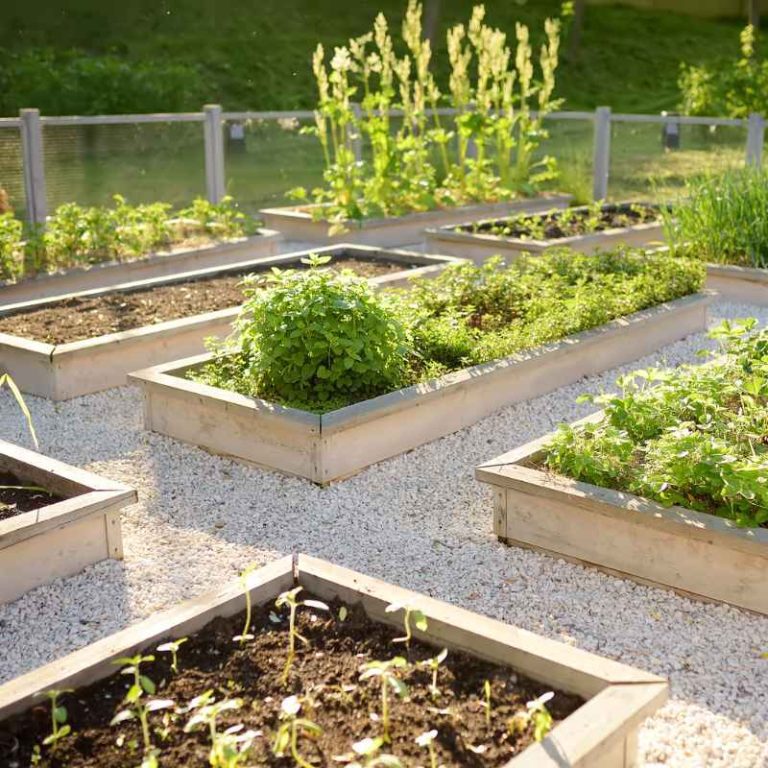
Less common, but gravel provides a permanent mulch option.
Pros:
- Excellent for paths or heat-loving crops
- Does not break down
Cons:
- Adds no nutrients
- Difficult to remove or amend
Gravel is more suited to ornamental beds or pathways. For vegetables, it’s typically reserved for crops that appreciate heat, like eggplants, or for areas where soil erosion is a concern.
Comparison Table: Popular Mulch Types For Vegetables
| Mulch Type | Weed Control | Soil Health | Longevity | Cost | Best For |
|---|---|---|---|---|---|
| Straw | Excellent | High | 1 Season | Low | Tomatoes, squash, potatoes |
| Grass Clippings | Good | High | 1 Season | Free | Lettuce, greens, carrots |
| Wood Chips | Good | Medium | 2-3 Seasons | Low | Paths, perennial beds |
| Compost | Moderate | Excellent | 1 Season | Low/Medium | All vegetables |
| Black Plastic | Excellent | Poor | 1-2 Seasons | Medium | Melons, peppers, tomatoes |
| Landscape Fabric | Excellent | Poor | 5+ Seasons | High | Long-term beds, pathways |

How To Choose The Best Mulch For Your Vegetable Garden
Your ideal mulch depends on your unique circumstances, including climate, soil type, crops grown, and maintenance goals.
Factors To Consider
- Climate: Organic mulches work well in most climates, but may harbor pests in humid regions. In hot, dry areas, plastic mulches can overheat soil.
- Soil Type: Heavy clay soils benefit from organic mulches that improve structure. Sandy soils need mulches that retain moisture, such as compost or straw.
- Vegetable Type: Some crops, like tomatoes and peppers, thrive with plastic mulch. Root crops and leafy greens prefer organic mulches that keep soil cool and moist.
- Availability and Cost: Use what’s locally available—grass clippings, leaves, or straw often provide the best value.
- Maintenance Needs: Choose durable mulches like wood chips for paths and annual mulches like straw for beds.
The size and shape of your garden also play a role. For example, large gardens may benefit from bulk mulches like straw or wood chips, while small raised beds can be managed with grass clippings or compost.
Matching Mulch To Crop Needs
Certain vegetables have specific mulching requirements:
- Tomatoes, peppers, and eggplants: Benefit from plastic mulch to warm soil and suppress weeds. In regions with cool spring temperatures, black plastic can allow earlier transplanting and faster growth.
- Carrots, lettuce, and greens: Prefer mulch that stays cool and moist, such as compost or shredded leaves. These crops are sensitive to heat and thrive when soil is kept consistently moist.
- Potatoes: Straw is ideal, as it allows for hilling and easy harvest. Straw mulch makes it simple to add layers during the growing season, which can increase yields.
Some gardeners mix mulches—for example, using compost below and straw above for root crops, combining fertility with weed suppression.
Case Study: Mulch Choice In A Community Garden
The Green Thumb Community Garden in Seattle switched from wood chips to straw mulch on their vegetable plots. Over one season, they reported:
- 30% fewer weeds compared to wood chips alone.
- 20% higher yields for tomatoes and squash.
- Improved soil tilth and easier spring planting.
This example illustrates how adapting mulch to specific crops and conditions can significantly boost results. Gardeners also noted that straw mulch encouraged more earthworm activity, further improving soil aeration and fertility.

Application Techniques: Getting The Most From Your Mulch
Proper application maximizes the benefits and minimizes the risks of mulching.
How Much Mulch To Apply
- Straw/Grass Clippings: 2-4 inches deep. Too thick may cause rot.
- Wood Chips: 2-3 inches on paths; avoid direct contact with stems.
- Compost: 1-2 inches, replenished as needed.
- Plastic Mulch: Secure tightly; cut holes for planting.
Applying mulch at the right depth is critical. Too thin, and weeds break through; too thick, and you risk fungal problems. For mulches like leaves, aim for 2-3 inches after shredding, and monitor for matting.
When To Mulch
- Spring: Mulch after soil has warmed but before weeds emerge.
- After Planting: Apply mulch around established seedlings. For direct-seeded crops, wait until sprouts are 2-4 inches tall.
- Fall: Mulch in autumn to protect soil and overwinter crops.
Timing is especially important for heat-loving vegetables. Applying mulch too early can keep soil cool and delay growth. Conversely, fall mulching helps protect soil from erosion and maintains organic matter.
Mulching Mistakes To Avoid
- Piling mulch against stems or crowns (leads to rot).
- Using contaminated grass clippings (may contain herbicide residue).
- Applying thick mulch in poorly drained soils.
Other common errors include failing to replenish mulch as it decomposes, which can leave soil exposed and vulnerable to weed growth.
Real-world Example: Mulch Timing In Raised Beds
A home gardener in Ohio applied straw mulch immediately after transplanting tomatoes into raised beds. The result: 90% weed reduction and less frequent watering, but a slug problem emerged due to excess moisture. Adjusting to a thinner layer and adding crushed eggshells around plants solved the issue—a reminder that application techniques matter as much as mulch choice.
This case highlights the importance of monitoring your mulch and adapting techniques as needed, such as thinning mulch or combining it with natural pest deterrents.
Organic Vs. Inorganic Mulch: Which Is Better For Vegetables?
Debate continues over the superiority of organic versus inorganic mulches. Both have places in vegetable gardening , depending on goals and context.
Benefits Of Organic Mulches
- Soil Improvement: Decompose to feed soil and increase organic matter.
- Microbial Activity: Support beneficial organisms critical for plant health.
- Sustainability: Often sourced from garden or local waste streams.
Organic mulches foster healthier soil ecosystems over time, with visible improvements in soil texture, water retention, and root development.
Limitations Of Organic Mulches
- Shorter lifespan: Need to be replenished annually.
- Potential for pests: May attract slugs, earwigs, or rodents.
Organic mulches can also become compacted or matted, reducing their effectiveness and requiring periodic maintenance.
Advantages Of Inorganic Mulches
- Excellent weed control: Especially with black plastic or landscape fabric.
- Durability: Lasts multiple seasons with minimal replenishment.
- Soil warming: Promotes faster growth for heat-loving crops.
Inorganic mulches are easy to install and are preferred in large-scale commercial operations due to labor-saving benefits.
Limitations Of Inorganic Mulches
- No soil improvement: Do not add nutrients or organic matter.
- Disposal concerns: Plastics are not biodegradable.
- Watering needs: Impermeable mulches require drip irrigation.
Over time, inorganic mulches can limit soil life and, if not managed properly, contribute to environmental waste.
Data Table: Organic Vs. Inorganic Mulch Performance
| Criteria | Organic Mulch | Inorganic Mulch |
|---|---|---|
| Soil Health | Improves with time | No effect |
| Weed Suppression | Good to excellent | Excellent |
| Longevity | 1-2 seasons | 2-5+ seasons |
| Environmental Impact | Low | Variable |
| Ease of Use | Simple, but requires replenishment | Easy, but may require irrigation setup |
Case Study: Black Plastic In Commercial Tomato Production
A University of Florida study found that using black plastic mulch increased tomato yields by 30% compared to bare soil, mainly by suppressing weeds and warming soil. However, the study noted increased labor for installation and environmental concerns over plastic waste. This demonstrates the trade-offs inherent in inorganic mulch use.
Additionally, researchers observed that soil microbial activity was lower under plastic mulch, suggesting a long-term impact on soil health. Growers are now experimenting with biodegradable plastics to balance productivity with sustainability.
Advanced Mulching Strategies For Maximum Yield
Savvy gardeners and commercial growers often blend mulching approaches to optimize results.
Living Mulches
Living mulches involve planting low-growing cover crops between vegetable rows.
- Benefits: Prevent erosion, suppress weeds, and add organic matter.
- Drawbacks: May compete for water and nutrients if not managed carefully.
Common living mulch crops include clover, vetch, and ryegrass. These cover crops can be mowed or tilled under to add green manure, but must be managed to avoid competition with main crops.
Sheet Mulching (lasagna Gardening)
Layering cardboard or newspaper with organic matter creates a weed-proof, fertile bed.
- How it works: Place cardboard over soil, then layer straw, compost, and leaves.
- Best for: Starting new beds, smothering tough weeds.
Sheet mulching is particularly effective for reclaiming neglected plots and reducing labor. Over time, soil structure improves, and the need for tilling is reduced.
Mulch Combinations
Combining materials—such as a base of compost topped with straw—can enhance both soil health and weed suppression.
For example, a garden bed mulched first with compost and then with shredded leaves benefits from added nutrients and moisture retention, while also reducing weeds more effectively than either material alone.
Real-world Example: Urban Rooftop Garden
A rooftop vegetable garden in Brooklyn uses compost and coconut coir as mulch. This blend maintains moisture under intense sun, while avoiding the weight and pest issues of traditional straw or wood chips. Yearly yield records show a consistent increase in tomato and pepper harvests compared to using compost alone.
Gardeners also noted that coconut coir, while more expensive, decomposes slowly and is lightweight—ideal for containers and rooftop plots where weight is a concern.
Environmental And Sustainability Considerations
Choosing mulch isn’t just about garden performance—there are broader ecological implications.
Sourcing Local Materials
Using locally-sourced organic mulches reduces transportation emissions and supports circular economies. For example, municipalities often offer free leaf mulch or wood chips from city tree trimmings.
Some communities have “mulch days” where residents can pick up free or discounted mulch, promoting sustainable gardening and reducing landfill waste.
Avoiding Contaminated Mulch
Mulches from treated wood, lawn clippings sprayed with herbicides, or industrial waste can introduce toxins. The US EPA warns of potential risks, especially for edible crops (EPA Guidance).
Careful sourcing and asking suppliers about treatment history is essential for safe, healthy vegetable gardens.
Biodegradable Alternatives
Biodegradable plastic mulches, made from cornstarch or other plant materials, offer weed suppression benefits without long-term waste. They decompose in soil, though availability and cost can be barriers.
These alternatives are increasingly used in organic farming, and research shows they can perform nearly as well as traditional plastic, though they may break down faster in hot, wet climates.
Wildlife And Soil Life
Thick mulches can create habitat for beneficial insects, but also for pests. Regularly inspecting mulch layers for slugs, rodents, or mold is recommended.
Mulch can also attract birds, which feed on insects and help control pests naturally. However, excessive mulch can sometimes create hiding spots for rodents, requiring proactive management.
Real-world Example: School Garden Sustainability
A school garden in California switched from black plastic to shredded leaves collected from the property. This move:
- Reduced landfill waste
- Improved soil organic matter by 15% in two years
- Engaged students in sustainable practices
Teachers observed more pollinators and earthworms in the garden, and students learned hands-on about composting, soil health, and sustainable gardening.
Troubleshooting Common Mulching Problems
Despite its benefits, mulching isn’t always straightforward. Here’s how to address frequent issues.
Mulch Attracting Pests
- Problem: Slugs, snails, and earwigs thrive in damp organic mulch.
- Solution: Use mulch sparingly near vulnerable crops; add crushed eggshells or diatomaceous earth as barriers.
Additionally, consider raising beds or using drip irrigation to reduce excess moisture that attracts pests.
Fungal Growth And Mold
- Problem: White or gray mold appears on mulch surface, especially in humid conditions.
- Solution: Turn mulch to increase air flow; avoid overwatering.
Mulch should be fluffed and monitored regularly, especially after heavy rainfall.
Nitrogen Deficiency
- Problem: Plants show yellow leaves after adding fresh wood chips.
- Solution: Supplement with a high-nitrogen fertilizer or use well-aged wood chips.
Nitrogen tie-up is temporary but can be prevented by using chips that have composted for several months.
Mulch Matting
- Problem: Grass clippings or leaves form a thick mat, repelling water.
- Solution: Apply in thin layers and mix with coarser material.
Mulch matting can also be avoided by shredding leaves and mixing with straw or wood chips for improved texture.
Real-world Example: Over-mulching In Raised Beds
A gardener in Texas added 6 inches of straw mulch to raised beds, smothering crops and causing root rot. Reducing the mulch to 2 inches and raking it away from stems resolved the issue and restored healthy growth.
Periodic inspection and adjustment of mulch thickness are key to preventing such problems.
Frequently Asked Questions
What Is The Best Mulch For Tomatoes And Peppers?
Black plastic mulch is often recommended for tomatoes and peppers because it warms the soil and suppresses weeds, promoting faster growth and higher yields. However, straw and compost also work well, especially in home gardens focused on soil health. Consider a hybrid approach: black plastic early in the season, topped with straw as temperatures rise.
How Often Should Mulch Be Replaced In Vegetable Gardens?
Organic mulches like straw, grass clippings, and compost usually need replenishing every season, as they break down and integrate into the soil. Inorganic mulches, such as black plastic or landscape fabric, can last 1-5 years, but should be checked annually for damage or decomposition.
Can I Use Wood Chips As Mulch For All Vegetables?
While wood chips are excellent for pathways and perennial beds, they’re not ideal for all vegetables, especially direct-seeded crops. They can tie up nitrogen and make it difficult for small seedlings to emerge. For annual vegetables, stick with straw, compost, or shredded leaves.
Do Mulches Introduce Pests Or Diseases?
Mulches can sometimes harbor pests like slugs or earwigs, especially when applied too thickly or kept too wet. Buying clean, well-composted materials and using proper application techniques minimize these risks. Avoid using mulch from diseased plants to prevent spreading pathogens.
Is Dyed Or Colored Mulch Safe For Vegetable Gardens?
Most dyed mulches are made from recycled wood and colored with either natural or synthetic dyes. Some studies, including those cited by the Penn State Extension, suggest that while many are safe, it’s best to avoid dyed mulch in vegetable beds due to potential contaminants. Stick to natural, untreated mulches for food crops.
Real-world Resources And Further Reading
- University of Minnesota Extension: Choosing Mulch for Vegetable Gardens
- Gardening Know How: Mulching Vegetable Gardens
- Royal Horticultural Society: Mulches
Whether you’re a novice gardener or a seasoned grower, choosing the right mulch for your vegetable garden is a critical decision. By understanding the characteristics of each mulch type, tailoring your choice to your crops and conditions, and applying mulch with care, you can create a healthier, more productive, and more sustainable garden.
The right mulch is not just a soil cover—it’s an investment in your garden’s future.