Homemade Pesticides for Vegetable Gardens: Natural & Effective
Homemade pesticides for vegetable gardens offer a safer, eco-friendly alternative to harsh chemical sprays, protecting your plants from pests without harming beneficial insects or your family. Many common garden pests can be managed effectively using ingredients readily available in your kitchen or pantry. This guide will explore several simple, natural recipes and application methods to keep your vegetable patch thriving.
Simply put, creating your own natural pesticides involves mixing common household ingredients like soap, garlic, or neem oil with water to create solutions that repel or kill garden pests, offering a safe and effective way to protect vegetable plants.
Key Takeaways
- Homemade pesticides for vegetable gardens can be made from readily available, natural ingredients.
- Soap-based sprays are effective against soft-bodied insects like aphids and spider mites.
- Garlic and chili pepper concoctions act as powerful repellents for a broad range of pests.
- Neem oil is a versatile insecticide, fungicide, and miticide that disrupts pest life cycles.
- Proper application and testing are crucial for effective and safe use of natural pesticides.
What Are Homemade Pesticides for Vegetable Gardens?
Homemade pesticides for vegetable gardens are DIY solutions formulated from natural, non-toxic ingredients. Their primary purpose is to control common garden pests that threaten vegetable crops. Unlike synthetic pesticides, these natural concoctions are designed to be biodegradable and less harmful to the environment, beneficial insects like bees and ladybugs, and people.
These recipes often utilize common household items such as vegetable oils, soaps, spices, herbs, and even fruits. The active compounds in these ingredients can disrupt the physical bodies of insects, interfere with their feeding or reproduction, or simply repel them with their scent or taste. The goal is to provide an effective pest management strategy that aligns with organic gardening principles.
By choosing to make your own pesticides, you gain control over what goes into your garden. You avoid the residues and potential health concerns associated with commercial chemical pesticides. This approach is not only budget-friendly but also contributes to a healthier ecosystem within your own backyard.
It’s about working with nature, not against it, to achieve a bountiful harvest.
Common Ingredients and Their Uses
- Insecticidal Soap: A mixture of mild liquid soap and water that suffocates soft-bodied insects.
- Neem Oil: Extracted from the neem tree, it acts as an anti-feedant, growth regulator, and sterilant for many pests.
- Garlic Spray: Its strong odor repels a variety of insects, including aphids, slugs, and beetles.
- Chili Pepper Spray: Capsaicin in chili peppers irritates and deters many chewing insects and mammals.
- Diatomaceous Earth (Food Grade): Fossilized algae that has sharp edges which dehydrate and kill crawling insects.
- Essential Oils: Certain oils like peppermint, rosemary, and thyme can deter pests due to their strong aromas.
Benefits of Natural Pesticides
- Environmentally friendly and biodegradable.
- Safe for beneficial insects, pollinators, and wildlife.
- Reduces exposure to harmful chemicals for gardeners and consumers.
- Cost-effective compared to commercial organic pesticides.
- Customizable to target specific pests in your garden.

How to Make a Basic Soap Spray for Aphids
One of the most common and effective homemade pesticides is a simple soap spray, particularly useful against soft-bodied insects like aphids, spider mites, whiteflies, and mealybugs. These pests are often found clustered on new growth or undersides of leaves, sucking the sap from your plants. The soap works by breaking down the outer protective layer of these insects, causing dehydration and death.
This recipe is straightforward and requires just two main ingredients: mild liquid soap and water. It’s crucial to use a pure soap, such as castile soap, unscented liquid dish soap (avoiding those with degreasers or detergents), or even pure bar soap that has been grated and dissolved. The concentration is key; too much soap can damage plant leaves, while too little might not be effective.
Always test on a small part of the plant first.
Applying this spray consistently is important for managing infestations. It’s best to spray in the early morning or late evening when temperatures are cooler and the sun is less intense, as direct sunlight after application can sometimes cause leaf scorch. Reapplication every few days or after rain will be necessary to keep pest populations under control.
This method is a staple for organic gardeners due to its simplicity and efficacy.
Ingredients and Tools
- 1 tablespoon of mild liquid soap (e.g., castile soap, pure dish soap)
- 1 quart (about 1 liter) of water
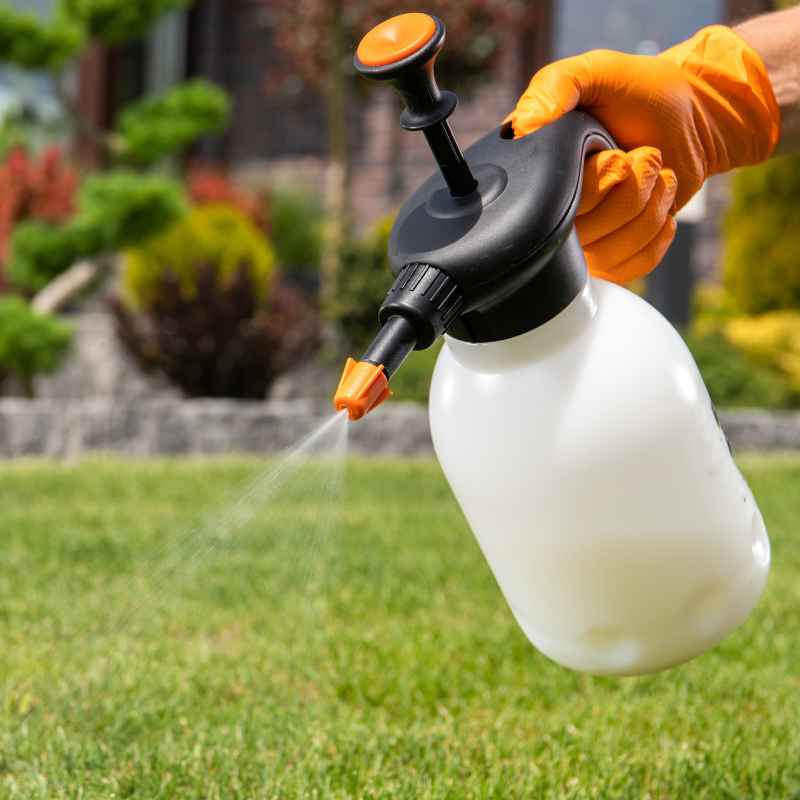
- A spray bottle
- Optional: A few drops of vegetable oil to help the spray adhere
Step-by-Step Preparation
- Fill the spray bottle with 1 quart of water.
- Add 1 tablespoon of mild liquid soap to the water.
- If using, add a few drops of vegetable oil.
- Close the spray bottle tightly and shake gently to mix the ingredients thoroughly.
- Let the mixture sit for a few minutes to allow the soap to fully dissolve.
Application Tips
- Shake the spray bottle gently before each use.
- Spray directly onto the pests, ensuring thorough coverage, especially on the undersides of leaves.
- Test the spray on a small area of a leaf and wait 24 hours to check for any adverse reactions before applying to the entire plant.
- Apply in the early morning or late evening to avoid leaf burn.
- Reapply every 3-5 days as needed until pests are under control.
DIY Garlic and Chili Pepper Repellent Spray
For a more potent, broad-spectrum repellent, a combination of garlic and chili peppers can be highly effective. The strong, pungent aroma of garlic is known to deter a wide array of insects, from aphids and beetles to even some larger pests like rabbits and squirrels. Chili peppers, containing capsaicin, add an irritating quality that most pests find unbearable, making them move on to find less offensive food sources.
This spray works primarily as a repellent rather than a killer. It creates an unpleasant barrier that discourages pests from feeding on your vegetable plants. It’s particularly useful for preventative measures or when you notice pests starting to appear.
The potency can be adjusted by altering the amount of garlic and chili used, and it’s generally considered safe for plants when diluted appropriately.
When preparing this spray, it’s important to use fresh ingredients for maximum potency. The key is to extract the active compounds from the garlic and chili into the water. You can achieve this by steeping them, blending them, or even using garlic powder and cayenne pepper, though fresh ingredients tend to yield more powerful results.
Remember to strain the mixture well to prevent clogging your spray nozzle.
Ingredients and Tools
- 2-3 bulbs of garlic, minced or blended
- 1-2 tablespoons of cayenne pepper powder or 5-10 fresh chili peppers, chopped (wear gloves!)
- 1 quart (about 1 liter) of water
- A large pot or container for steeping
- A fine-mesh strainer or cheesecloth
- A spray bottle
Preparation Steps
- Combine the minced garlic (or chopped chili peppers) with 1 quart of water in a pot.
- Bring the mixture to a gentle simmer for about 15-20 minutes. Alternatively, let it steep for at least 12-24 hours for a cold infusion.
- Allow the mixture to cool completely.
- Strain the liquid thoroughly through a fine-mesh strainer or cheesecloth to remove all solid particles.
- Pour the strained liquid into your spray bottle.
- Optional: Add 1 teaspoon of mild liquid soap to help the spray adhere to plant surfaces.
Application and Storage
- Shake well before each use.
- Spray liberally on plants, focusing on areas where pests are seen or likely to appear.
- Apply weekly or after rainfall.
- Store any unused spray in a sealed container in the refrigerator for up to two weeks.
Harnessing the Power of Neem Oil
Neem oil is a highly effective natural pesticide derived from the seeds of the neem tree. It’s a broad-spectrum insecticide, fungicide, and miticide that works through multiple modes of action. Unlike many chemical pesticides that target a specific pest, neem oil disrupts the life cycle of a wide range of garden pests, making it a powerful tool for organic pest control.
The primary active compound in neem oil is azadirachtin, which acts as an antifeedant, hormone disruptor, and repellent. It interferes with the insect’s ability to molt and grow, preventing them from maturing and reproducing. Other compounds in neem oil can also suffocate insects or deter them from laying eggs on treated plants.
It’s effective against aphids, whiteflies, thrips, mealybugs, spider mites, caterpillars, and even some fungal diseases like powdery mildew.
It is crucial to use cold-pressed neem oil that is specifically formulated for horticultural use. The concentration is vital; too much can harm beneficial insects or damage plants, while too little may not be effective. Always follow the dilution instructions on the product label or use a common dilution ratio.
Like other natural sprays, applying neem oil in cooler parts of the day is recommended to prevent phytotoxicity (plant damage).
Neem Oil Benefits for Gardens
- Effective against over 200 species of insects.
- Also acts as a fungicide and miticide.
- Disrupts pest life cycles, preventing resistance.
- Biodegradable and safe for beneficial insects when applied correctly.
- Can improve plant health by acting as a mild stimulant.
Types of Neem Oil Products
- Cold-Pressed Neem Oil: Retains the most active compounds, generally considered the most potent.
- Neem Oil Extracts: Processed to isolate specific compounds, often more concentrated.
- Azadirachtin Concentrates: Highly pure forms of the active ingredient, very potent.
Dilution and Application Guide
- General Use: Mix 1-2 tablespoons of cold-pressed neem oil with 1 tablespoon of mild liquid soap (as an emulsifier) in 1 gallon of water.
- Application Timing: Spray in the early morning or late evening. Avoid application during peak sunlight or high temperatures.
- Coverage: Ensure thorough coverage, including the undersides of leaves, where pests often hide.
- Frequency: Apply every 7-14 days for prevention or every 5-7 days for active infestations.
- Testing: Always perform a patch test on a small plant area 24-48 hours before widespread application.
Other Natural Pest Control Methods
Beyond sprays, several other natural methods can significantly contribute to a pest-free vegetable garden. These often involve creating a less hospitable environment for pests or introducing their natural predators. Integrating a variety of these techniques can provide a more robust and sustainable pest management strategy.
Companion planting is a cornerstone of organic gardening. Certain plants, when grown together, can deter pests naturally. For example, marigolds are known to repel nematodes and other soil-borne pests, while basil can deter flies and mosquitoes.
Planting aromatic herbs like mint, rosemary, and thyme near susceptible vegetables can also confuse and repel common pests with their strong scents.
Physical barriers and manual removal are also highly effective. Row covers can protect young seedlings from flying insects, while copper tape around pots can deter slugs. Simply picking larger pests like tomato hornworms or slugs off plants by hand and dropping them into a bucket of soapy water can be very effective, especially for smaller garden areas.
Encouraging natural predators, such as ladybugs, lacewings, and praying mantises, by providing them with habitat and food sources (like flowering plants) is another excellent biological control method.
Companion Planting Strategies
- Tomatoes & Basil: Basil repels tomato hornworms and whiteflies.
- Carrots & Rosemary: Rosemary deters carrot rust flies.
- Cucumbers & Dill: Dill can attract beneficial insects that prey on cucumber pests.
- Beans & Marigolds: Marigolds repel nematodes and other soil pests.
- Lettuce & Mint: Mint can deter slugs and ants.
Physical Barriers and Traps
- Row Covers: Fine mesh fabric placed over plants to prevent insects from reaching them.
- Copper Tape: Applied to pots or garden beds to deter slugs and snails, as copper reacts with their slime.
- Sticky Traps: Yellow or blue sticky cards attract and capture flying insects like whiteflies and thrips.
- Diatomaceous Earth (Food Grade): A powder applied around plants to dehydrate and kill crawling insects.
- Handpicking: Regularly inspecting plants and removing larger pests manually.
Encouraging Beneficial Insects
- Plant a diversity of flowering plants that attract pollinators and predatory insects (e.g., dill, fennel, yarrow, cosmos, sunflowers).
- Provide a water source, such as a shallow dish with pebbles.
- Avoid using broad-spectrum pesticides that kill beneficial insects along with pests.
- Offer shelter, like small brush piles or leaf litter in a corner of the garden.
- Welcome predatory insects like ladybugs, lacewings, and hoverflies, which feed on aphids and other small pests.
When and How to Apply Homemade Pesticides
The timing and method of application are critical for the success and safety of homemade pesticides. Applying them at the wrong time or incorrectly can render them ineffective or even damage your plants. Understanding the lifecycle of pests and the conditions under which your chosen spray works best will maximize your efforts.
Generally, it’s best to apply natural pesticide sprays in the cooler parts of the day. This typically means early morning or late evening. During these times, temperatures are lower, and there is less direct sunlight, which reduces the risk of leaf burn or phytotoxicity.
It also gives the spray time to work on the pests before it’s washed off by dew or evaporation.
Always test any new homemade pesticide on a small, inconspicuous part of a plant and wait 24-48 hours to observe for any signs of damage like wilting, yellowing, or spotting. If the plant tolerates the test, you can proceed with treating the rest of the plant or garden. For best results, especially with insecticidal soaps or neem oil, ensure direct contact with the pests.
Reapplication is often necessary, particularly after rain or if pest pressure remains high.
Best Times for Application
- Early Morning: Temperatures are cool, and plants are less stressed.
- Late Evening: Pests are often more active, and the spray has longer to work overnight.
- Avoid Midday Sun: Direct sunlight after application can cause leaf scorching, especially with oil-based sprays.
- After Rainfall: Reapply if the previous application was washed away.
Application Techniques
- Shake Well: Always shake your homemade pesticide mixture thoroughly before and during application.
- Direct Contact: Aim the spray directly at the pests. Insecticidal soaps and neem oil work best on contact.
- Thorough Coverage: Ensure you spray all parts of the plant, including the undersides of leaves, stems, and where foliage is dense.
- Patch Test: Always test on a small area first.
- Consistent Application: For persistent pests, regular application (e.g., every few days) is usually required.
Factors Influencing Effectiveness
- Pest Type: Different pests respond differently to various natural ingredients.
- Concentration: The ratio of active ingredients to water is crucial.
- Coverage: Incomplete coverage means pests can survive and re-infest.
- Weather Conditions: Rain can wash away sprays; heat can cause damage.
- Plant Health: Healthy, well-watered plants are often more resistant to pests.
Common Mistakes to Avoid
Even when using natural ingredients, mistakes can happen that reduce effectiveness or even harm your plants. Understanding these common pitfalls can help you achieve better results with your homemade pest control efforts and ensure your vegetable garden remains healthy and productive.
One of the most frequent errors is using too high a concentration of ingredients. While it might seem like more is better, a strong solution of soap or oil can strip the protective cuticle from plant leaves, leading to dehydration and damage. Conversely, a solution that is too weak may not be effective against the pest population.
Dilution ratios are important for a reason, and sticking to recommended guidelines, along with patch testing, is key.
Another common mistake is spraying during the hottest part of the day or in direct sunlight. As mentioned, this can lead to leaf scorch. Furthermore, failing to cover all affected areas, especially the undersides of leaves where many pests hide and lay eggs, is a missed opportunity.
Finally, relying on a single method or ingredient indefinitely can lead to pests developing resistance. Rotating your methods and ingredients can prevent this and maintain overall garden health.
Common Mistakes in Making and Using DIY Pesticides
- Incorrect Concentration: Using too much or too little of an ingredient.
- Wrong Soap Type: Using harsh detergents or degreasers instead of mild soaps.
- Application During Peak Sun/Heat: Causing leaf burn or reducing spray effectiveness.
- Inadequate Coverage: Missing pests hiding on leaf undersides or within dense foliage.
- Not Patch Testing: Applying a new solution broadly without checking for plant sensitivity.
- Over-reliance on One Method: Leading to pest resistance or ineffective control.
- Using Contaminated Water: Water with high mineral content can sometimes affect spray performance.
- Not Straining Properly: Clogging spray nozzles with particulate matter.
Table: Pros and Cons of Different Homemade Pesticides
| Pesticide Type | Pros | Cons |
|---|---|---|
| Soap Spray | Effective on soft-bodied insects, easy to make, inexpensive. | Can damage sensitive plants if overused, needs frequent reapplication, not effective on hard-shelled insects. |
| Garlic/Chili Spray | Broad repellent action, deters larger pests, uses common ingredients. | Primarily a repellent (not a killer), can irritate skin and eyes, strong odor. |
| Neem Oil | Multi-action (insecticide, fungicide, miticide), disrupts pest life cycles, safe for beneficials when used correctly. | Can be expensive, requires careful dilution, may harm beneficials if misapplied, potential for plant damage if misused. |
| Diatomaceous Earth | Effective against crawling insects, non-toxic to humans and pets (food grade). | Ineffective when wet, can harm beneficials if applied where they walk, can irritate lungs if inhaled. |
This table highlights that while each natural pesticide has its strengths, careful consideration of their limitations is necessary for successful garden pest management.

Frequently Asked Questions
What is the most effective homemade pesticide for vegetable gardens?
The most effective homemade pesticide depends on the specific pest you are targeting. For soft-bodied insects like aphids, insecticidal soap is highly effective. For a broader range of pests, including larger ones, garlic and chili pepper sprays act as strong repellents.
Neem oil offers a comprehensive solution as it acts as an insecticide, fungicide, and miticide.
Can I use dish soap as a pesticide?
Yes, you can use mild liquid dish soap, but it’s crucial to select a pure, unscented variety without degreasers, bleach, or antibacterial agents. These harsh chemicals can strip the waxy cuticle from plant leaves, causing damage. Castile soap is generally the preferred choice for its mildness.
How often should I apply homemade pesticides?
The frequency of application varies. For insecticidal soaps and chili sprays, reapplication every 3-5 days is often necessary until pests are controlled. Neem oil can typically be applied every 7-14 days for prevention or every 5-7 days for active infestations.
Always monitor your plants and reapply as needed, especially after rain.
Are homemade pesticides safe for my pets and children?
Generally, homemade pesticides made from common household ingredients are much safer than synthetic chemicals. However, it’s still wise to exercise caution. Keep pets and children away from plants immediately after spraying and avoid ingestion.
Store any unused mixtures out of reach, as with any garden product.
What pests can I NOT control with homemade pesticides?
While natural pesticides are effective against many common garden pests, they may struggle with severe infestations of hard-shelled insects (like adult beetles), certain borers, or aggressive soil-borne diseases. For these, a combination of methods, including introducing beneficial insects or using commercially available organic-approved treatments, might be necessary.
Final Thoughts
Embracing homemade pesticides for your vegetable garden is a rewarding path toward sustainable and healthy food production. By utilizing simple, natural ingredients, you can effectively manage pests while safeguarding your plants, beneficial insects, and your family’s well-being. Experiment with these recipes and methods to find what works best for your garden’s unique needs.
Related pick: Check today's price on Amazon