Is It Okay To Use Galvanized Steel In Vegetable Gardens?
Using galvanized steel in vegetable gardens is generally considered safe for edible plant production. The zinc coating on the steel is non-toxic in the amounts that might potentially leach into the soil. However, best practices, like choosing appropriate grades and allowing for proper curing, can further ensure safety.
Understanding Galvanized Steel and Gardens
Galvanized steel is steel that has a protective coating of zinc. This coating stops the steel from rusting. It’s a common material for many outdoor items.
For a related vegetable-garden decision, Can You Use White Containers For Vegetable Gardens? adds another practical check before you choose materials or treatments.
For a related vegetable-garden decision, Is Roundup Safe to Use Around Vegetable Gardens? The adds another practical check before you choose materials or treatments.
For a related vegetable-garden decision, Is Galvanized Steel With Zinc Finish Safe For Vegetable Gardens? adds another practical check before you choose materials or treatments.
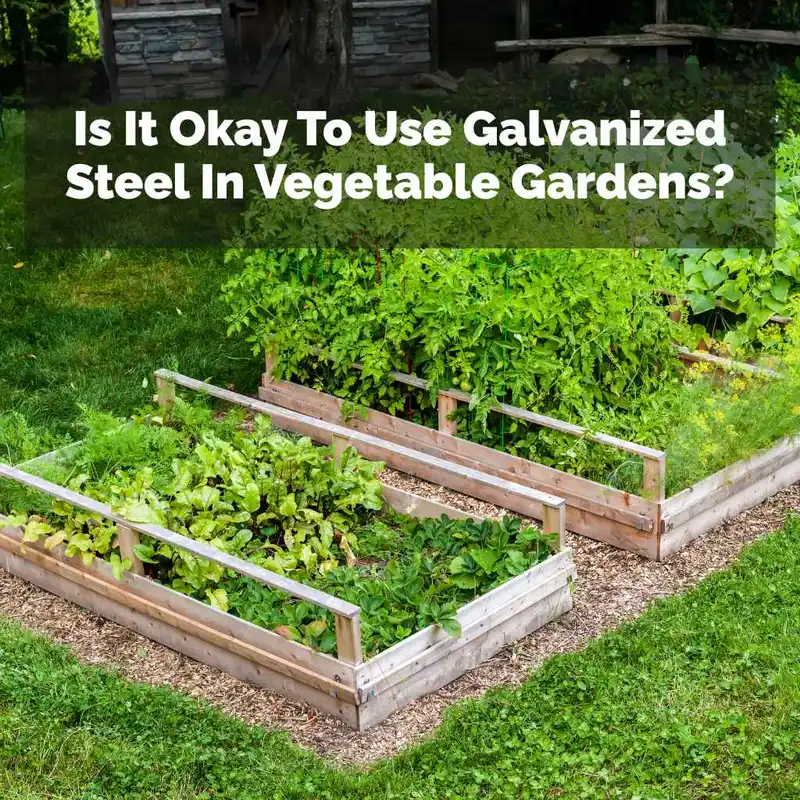
Think about fences, roofing, and even some tools. Gardeners often like it for raised beds. It holds its shape well.
It looks much nicer than rotting wood.
The main question is about the zinc. Does this zinc get into the plants? Will it make the vegetables unsafe to eat?
This is where a lot of confusion happens. People hear “metal” and think “toxic.” But not all metals are bad. In fact, some are essential nutrients for plants and humans.
Zinc is one of those metals. Plants need zinc to grow. Humans need zinc too.
The amount that might get into your soil from a galvanized bed is usually very small. It’s often less than what plants naturally get from the soil. This is good news for your garden.
How Galvanized Steel is Made for Gardens
Galvanized steel is made using a process called galvanization. The steel is dipped into a bath of molten zinc. This creates a strong, even coating.
The thickness of this coating matters. It affects how long the steel lasts and how much zinc might transfer.
For garden beds, you’ll often see steel with different types of coatings. The most common is called “hot-dip galvanizing.” This is done after the steel is cut and formed into panels. Another type is “electro-galvanizing.” This uses an electric current.
Hot-dip is generally thicker and lasts longer.
The type of steel matters too. For garden use, look for steel that is specifically approved for such uses. Sometimes, manufacturers will use a grade of steel that is higher in purity.
This can reduce the chance of other, less desirable metals being present. It’s like picking the right ingredients for a recipe.
When you first get galvanized steel beds, there’s often a bit of a “newness” to them. Some gardeners feel it’s best to let them sit for a while. This is sometimes called “curing.” The zinc coating can react with the air and rain.
This reaction can make the coating even more stable. It’s like letting a new car engine break in.
Potential Concerns and What the Science Says
The main worry people have is zinc leaching. Can zinc get from the metal into the soil, and then into the vegetables? Studies have looked into this.
They show that zinc does not build up in plants to harmful levels from galvanized steel beds.
The soil itself acts as a buffer. It holds onto zinc. Plants only take up what they need.
And the amount that leaches is usually quite small. For example, one study found that zinc levels in soil near galvanized metal were very low. They were often no higher than in soil near untreated wood.
Another concern is lead. Sometimes, older galvanized items might have lead contamination. This is more common with very old materials.
Modern manufacturing has strict controls. Reputable suppliers use safe materials. If you are using very old, salvaged galvanized metal, it’s wise to test it for lead.
But for new, purpose-made garden beds, this is rarely an issue.
Cadmium is another metal that sometimes comes up. Cadmium is a different story. It can be toxic.
But it’s not a common component of galvanized steel itself. It’s more likely to be found in some types of soil or fertilizers. So, the problem wouldn’t be the galvanized bed, but something else.
The U.S. Environmental Protection Agency (EPA) has guidelines for safe levels of metals in soil. Zinc is considered safe at much higher levels than what is likely to leach from a garden bed.
In fact, zinc is an essential nutrient for us. It helps our immune systems work. It’s important for cell growth.
The key is understanding the difference between a trace amount and a harmful amount. Like salt, a little is good. Too much can be bad.
For galvanized steel in garden beds, the amount of zinc that might transfer is very, very small. It’s typically well below any level of concern.
Personal Experience: My First Galvanized Bed
I remember being just as unsure. I was building my first big vegetable garden. I wanted raised beds.
I hated the idea of wood rotting away after a few years. I saw these shiny galvanized steel beds online. They looked so modern and tough.
But my mind went right to the “what if” questions.
I pictured my lettuce soaking up zinc. Would it taste funny? Was I accidentally making my food unhealthy?
I spent days reading online forums. Some people swore by them. Others warned against any metal near food.
It felt like a gamble. I finally decided to take the plunge.
I ordered a kit. It arrived flat. Assembling it was pretty easy.
It felt very solid once it was put together. I remember touching the metal. It was smooth and cool.
I set it up in my yard, right where I wanted it. I filled it with good soil. Then I planted my first seeds.
I was a little anxious every time I watered.
That first year, I grew tomatoes, peppers, and a lot of herbs. Everything grew beautifully. The soil in the galvanized bed seemed to warm up faster in the spring.
My plants looked healthy and strong. When harvest time came, I was so relieved. The vegetables tasted perfectly normal.
There was no metallic tang. Nothing tasted strange.
Since then, I’ve added more galvanized beds. My initial worry has faded. I’ve seen firsthand how well they work.
And I haven’t had any issues with the plants themselves. It’s made maintaining my garden much easier. The beds are still looking great after several years.
It really removed a lot of the gardening workload.
Galvanized Steel Garden Bed Quick Facts
What it is: Steel with a protective zinc coating.
Why it’s used: Durability, rust resistance, modern look.
Main concern: Zinc leaching into soil and plants.
Scientific consensus: Generally safe. Zinc is essential and amounts are small.
Best practice: Use newer, quality materials. Allow to cure.
Choosing the Right Type of Galvanized Steel
Not all galvanized steel is created equal. For vegetable gardens, there are a few things to look for. The most important is the grade of galvanization.
Look for terms like “G90” or “G185.” These numbers refer to the weight of the zinc coating per square foot. A higher number means a thicker, more durable coating.
G90 is a very common standard. It’s used for many outdoor applications. G185 offers even more protection.
It will last even longer. For most home garden beds, G90 is perfectly fine. If you want maximum longevity, G185 is an option.
Another thing to consider is the type of steel used. Some manufacturers use “food-grade” galvanized steel. This means it’s made to be extra pure.
It reduces the risk of any unwanted metals being present. While not always strictly necessary, it’s an extra layer of assurance.
Avoid using galvanized steel that has been scratched or damaged heavily. If the zinc coating is compromised, the steel underneath can rust. This can lead to faster degradation of the bed.
It also means more direct contact between the bare steel and the soil.
When you buy a kit for raised garden beds, the manufacturer usually knows what it’s for. They choose materials appropriate for gardening. If you are building your own from scratch using sheets of galvanized metal, do your research on the metal’s origin and type.
Galvanized Steel Grades Explained
- G90: Standard coating. About 0.90 ounces of zinc per square foot. Good for most garden beds.
- G185: Heavy coating. About 1.85 ounces of zinc per square foot. Offers superior rust protection and longevity.
- Pre-galvanized: Often has a thinner coating. May not last as long as hot-dip.
- Hot-dip galvanized: Dipped after fabrication. Usually thicker, more durable coating.
When is it NOT a Good Idea?
While generally safe, there are a few situations where you might want to reconsider galvanized steel for your vegetable garden.
Very old, unknown sources: If you’re using salvaged galvanized metal, especially from old buildings or structures, there’s a higher risk of contamination. Lead paint or other heavy metals might be present. It’s wise to test these materials before using them for growing food.
Extreme soil conditions: In very rare cases, if your soil has an extremely unusual pH or composition, it might affect how metals behave. However, for typical garden soils, this is not a concern.
Damaged or rusting material: If the galvanized coating is severely damaged or the metal is already rusting heavily, it’s best to avoid it. This means the protective barrier is gone. You’ll get faster decay and potentially more unwanted metal transfer.
Specific sensitivities: While the science says it’s safe, if you have extreme personal concerns or very specific health issues, you always have the choice to opt for other materials like untreated wood, stone, or plastic beds. Your peace of mind is important.
It’s also worth noting that different plants might have slightly different needs or uptake rates. However, research generally shows that common vegetables, fruits, and herbs grown in galvanized beds do not accumulate problematic levels of zinc.
When to Be Cautious with Galvanized Steel
Scenario: Using old, weathered galvanized roofing from a barn.
Reason for caution: Unknown history, potential lead paint, heavy rust.
Recommendation: Test for lead and other contaminants. Consider alternatives if unsure.
Scenario: The galvanized bed is deeply scratched and showing rust spots.
Reason for caution: Protective coating is compromised.
Recommendation: Repair if possible, or use for non-edible plants.
Alternatives to Galvanized Steel
If you decide galvanized steel isn’t for you, there are many other great options for building raised garden beds.
Untreated Wood: Cedar, redwood, or cypress are naturally rot-resistant. They look beautiful. Avoid treated lumber for edible gardens.
The chemicals in treated wood can leach into the soil.
Stone or Brick: These materials are very durable. They create a permanent garden bed. They can be more labor-intensive and costly to build.
Concrete Blocks: Similar to stone, these are long-lasting. They are relatively easy to stack. Ensure the concrete is cured well.
Recycled Plastic Lumber: This is a very durable option. It won’t rot. It’s also lightweight and easy to work with.
Make sure it’s made from safe, recycled materials.
Fabric Grow Bags: These are a flexible and affordable option. They are great for small spaces or for trying out new plants. They offer good drainage and aeration.
Each material has its own pros and cons. Cost, lifespan, looks, and ease of use all play a role. For galvanized steel, its main advantage is longevity and a modern aesthetic without the need for constant upkeep.
How to Ensure Safety If You Use Galvanized Steel
If you decide to go with galvanized steel for your vegetable garden beds, there are simple steps you can take to feel extra confident.
1. Choose Quality Materials: Buy kits or materials specifically sold for garden beds. Look for reputable brands.
Ask about the grade of galvanization (G90 or G185 is good).
2. Let It Cure: If possible, set up your beds and let them sit outdoors for a few weeks before filling them with soil and planting. Rain and air exposure help stabilize the zinc coating.
3. Avoid Damaging the Coating: Be careful when assembling and planting. Try not to scratch or gouge the metal.
If you do, consider touching it up with a zinc-rich paint or sealant designed for outdoor metal, though this is usually not necessary for minor scratches.
4. Good Soil Practices: Always use good quality potting mix or compost for your garden beds. Healthy soil is key to healthy plants, regardless of the bed material.
Good soil biology helps manage any potential micronutrient interactions.
5. Regular Inspection: Give your beds a quick look-over once a year. If you see any significant rust spots forming, especially on older beds, it might be time to consider replacing them in the future.
These practices are simple. They help ensure that your garden beds remain safe and functional for years to come. It’s about using the material smartly and with care.
Quick Tips for Safe Galvanized Beds
- Buy new, purpose-made kits.
- Let beds weather for a few weeks.
- Handle with care to avoid deep scratches.
- Use healthy, organic soil.
- Check for rust spots annually.
What This Means for Your Garden
The bottom line is this: using new, good-quality galvanized steel for your vegetable garden beds is a safe and practical choice. The concern about zinc toxicity is largely unfounded for this application. You’re more likely to get essential zinc from other sources like fortified foods or supplements.
Galvanized steel offers a durable, long-lasting option. It requires very little maintenance. This can free up your time and energy for other aspects of gardening.
You can focus on planting, nurturing, and harvesting your delicious produce.
It’s about making informed choices. Understanding the materials you use in your garden helps you grow with confidence. For most home gardeners, galvanized steel raised beds are a win-win: they look great, last long, and are safe for growing food.
Frequently Asked Questions About Galvanized Steel Garden Beds
Is galvanized steel safe for growing organic vegetables?
Yes, it is generally considered safe. Organic certification standards focus on the soil and growing practices. As long as the galvanized steel itself doesn’t have prohibited substances (which is rare for modern garden beds), it’s compatible with organic gardening.
The zinc coating is a stable material and doesn’t interfere with organic principles.
Will the zinc coating wear off over time?
The zinc coating is very durable. With hot-dip galvanization, it can last for 50 years or more in many outdoor environments. It will slowly wear away over a very long time, especially in harsh climates.
However, for garden bed use, it’s expected to last for decades.
Can galvanized steel beds overheat my plants?
Metal beds can absorb heat from the sun. However, this is true for any dark-colored material. In hot climates, shading your plants is always a good idea.
The soil inside the bed also helps regulate temperature. It doesn’t typically cause a significant overheating problem compared to other dark beds.
What is the difference between galvanized steel and stainless steel for gardens?
Galvanized steel is coated with zinc for rust protection. Stainless steel is an alloy that contains chromium, making it naturally rust-resistant. Stainless steel is typically much more expensive than galvanized steel.
Both can be used for garden beds, but galvanized is a more budget-friendly and common choice.
Should I line my galvanized steel garden bed?
No, lining a galvanized steel garden bed is generally not recommended. Liners can trap moisture, which can lead to faster rusting of the metal. It can also interfere with soil drainage.
The zinc coating is there to protect the steel and is safe for direct contact with soil.
How much zinc is actually in galvanized steel?
The amount of zinc varies depending on the coating grade. For G90 steel, there’s about 0.9 ounces of zinc per square foot of steel surface. This is a protective layer, not a large mass that will instantly transfer.
The amount that potentially leaches into soil is a tiny fraction of this.
Final Thoughts on Garden Beds
Choosing materials for your garden should bring you joy, not worry. Galvanized steel raised beds offer a fantastic blend of durability and practicality. With a little understanding of how they’re made and used, you can confidently build a beautiful and productive space for growing your own food.
Happy gardening!