How Far From Vegetable Gardens Can You Safely Use Grubex?
The thought of using pest control products near your food plants can be tricky. You want to get rid of those pesky grubs but also keep your vegetables safe to eat. Many folks wonder, “Can I use Grubex near my veggie patch?” It’s a fair question. You’re putting in all that hard work, and the last thing you want is to worry about chemicals leaching into your tomatoes or lettuce. This guide will walk you through what you need to know. We’ll cover safe distances, what Grubex is, and how to best protect your garden.
Grubex can generally be used around vegetable gardens if applied correctly and at the recommended distances. It’s crucial to follow label instructions precisely, paying close attention to buffer zones and application timings to ensure the safety of your edible plants and the environment. Always prioritize reading and adhering to the product label.
What Exactly is Grubex?
Grubex is a brand name for a lawn insecticide. Its main job is to kill grubs. Grubs are the C-shaped larvae of beetles. They live in the soil. These little guys can eat grass roots. This causes brown patches in your lawn. Grubex often contains the active ingredient Merit. Merit is a neonicotinoid insecticide. These chemicals work by attacking the nervous system of insects. This leads to their death.Why People Use It
Lawns are common places to find grubs. Think of the classic green lawn many homes have. These lawns are often targets for grub damage. Grubex is effective at stopping this damage. It helps keep lawns healthy and green. People use it to prevent or treat grub infestations. They want to save their grass from turning brown and dying.How It Works in Soil
When you apply Grubex, it gets into the soil. It is absorbed by the grass roots. The grubs eat these roots. When they eat the treated roots, they ingest the insecticide. The chemical then does its work. It paralyzes and kills the grub. This process happens underground. This is why distance from other plants becomes important.My Grubby Lawn Scare
I remember one summer, my lawn looked awful. It was patchy and brown. I had tried watering it more. I had tried different fertilizers. Nothing seemed to help. I finally realized it might be grubs. I had seen some beetles flying around earlier in the season. I bought a product like Grubex. I was so focused on saving my lawn. I spread it all over.Then I remembered my small vegetable garden. It was right next to the lawn. My tomatoes were just starting to get big. My zucchini plants were loaded. I started to panic. Had I just poisoned my vegetables? I hadn’t thought about the garden at all. I rushed back inside. I reread the product label. It had warnings. It talked about not letting it get into waterways. It also mentioned buffer zones. I felt a knot in my stomach. I had been so careless.Safe Distances and Buffer Zones
Understanding safe distances is key. This is often called a “buffer zone.” A buffer zone is an untreated area. It separates the treated area from sensitive areas. Sensitive areas include vegetable gardens, flower beds, or water bodies. The Grubex label will tell you the recommended buffer zone. This distance can vary. It depends on the product and how you apply it.Why Buffer Zones Matter
Buffer zones are there for good reasons. They help prevent the insecticide from reaching places it shouldn’t. This is important for several reasons. First, it protects your edible plants. You don’t want pesticide residues on your vegetables. Second, it protects beneficial insects. Bees and other pollinators might visit your garden. They could be harmed if they contact the insecticide. Third, it protects waterways. Runoff can carry chemicals into streams and lakes.What the Label Says
Always, always read the product label. It is the law. It also contains vital safety information. For Grubex or similar products, look for sections on: Application restrictions Buffer zones When not to apply Protection of pollinators and aquatic lifeThe label will give you a specific distance. It might say “do not apply within X feet of vegetable gardens.” Or it might say “maintain a buffer zone of X feet.” This is your most reliable guide.Understanding Grubex Application
How you apply Grubex also affects safety. It usually comes in granular form. You spread these granules on the lawn. Then you water them in. The watering helps them move into the soil. This is where they become active.Timing of Application
The timing of your application is also crucial. Grubex is often applied in the spring or summer. This is when grubs are feeding actively. If you apply it when grubs are not present or are in a different life stage, it might not work well. More importantly, applying it at the wrong time could mean it’s more likely to move into unwanted areas. For example, heavy rains after application can increase runoff.Method of Application
Using a spreader is the best way to apply granular products. This ensures an even distribution. It helps you control the amount applied. Spreading by hand can lead to uneven application. This means some areas get too much. Other areas get too little. Over-application increases risk.Grubex and Edible Plants: The Connection
The main concern is always the edible part of your plants. Grubex is designed to kill insects in the soil. It is absorbed by plant roots. While it’s used on lawns, which are not typically eaten, the concern arises when it’s near vegetable plants.Root Uptake
Plant roots, even those of vegetables, are in the soil. If the Grubex granules are applied too close, or if rain washes them towards your garden beds, your vegetable plants could absorb them. This is a direct pathway for the chemical to enter your food.Contamination Risks
There are a few ways contamination can happen: Drift: If you’re not careful, wind can carry granules or spray drift to your garden. Runoff: Rain or irrigation can wash the insecticide from the lawn into the garden. Direct Contact: Applying the product too close to the garden edge. Tools: Using the same tools for the lawn and garden without cleaning them can spread residue.What Does “Safe Distance” Really Mean?
“Safe distance” or “buffer zone” is not a suggestion. It’s a safety measure. The distance is calculated to minimize risk. It’s based on scientific studies. These studies look at how far chemicals travel in soil. They also consider how much is needed to harm non-target organisms.Typical Recommendations
While you must check your specific label, typical buffer zone recommendations for lawn treatments near gardens might be anywhere from 10 to 25 feet. Some labels might be more specific, like “do not apply within 15 feet of any food crops.”Factors Influencing Distance
Several factors can influence how far a chemical might travel: Soil type: Sandy soils drain faster. Chemicals can move through them more easily. Clay soils hold onto chemicals more. Rainfall: Heavy rain increases the chance of runoff and leaching. Slope: If your lawn slopes towards your garden, runoff is more likely. Application rate: Applying more product than recommended increases risk.Alternatives to Grubex for Your Lawn
If you’re worried about using Grubex near your vegetables, there are other options. These might be less risky or have different application methods.Beneficial Nematodes
These are microscopic roundworms. They are natural predators of grubs. You can buy them and apply them to your lawn. They don’t harm people, pets, or plants. They work best when the soil is moist.Milky Spore
This is a natural pathogen. It affects Japanese beetle grubs. It takes time to work. You apply it to the lawn. It infects the grubs. They then die. It’s a long-term solution.Diatomaceous Earth
This is a natural powder. It’s made from fossilized organisms. It has sharp edges. These can cut the exoskeletons of insects. This dehydrates them. It’s generally safe for gardens. It can be used on lawns, but its effectiveness against grubs might be limited and application can be tricky.Manual Removal
If you only have a few grubs, you can sometimes just dig them up. This is labor-intensive. It’s best for small infestations or areas.Protecting Your Vegetable Garden Directly
Instead of focusing only on the lawn, you can also protect your vegetables directly.Healthy Soil, Healthy Plants
Strong, healthy plants are more resistant to pests. Improve your garden soil. Add compost. Ensure good drainage. This helps your plants thrive.Barriers
You can use physical barriers. Row covers can protect young plants from insects. They stop insects from laying eggs.Companion Planting
Some plants can deter pests. For example, marigolds are thought to deter nematodes. Planting certain herbs can also confuse pests.Manual Inspection
Regularly check your plants for grubs or signs of damage. You can pick off any grubs you find.When to Absolutely Avoid Using Grubex Near Gardens
There are specific situations where you should not use Grubex near your vegetable garden at all.Active Pollination Season
If your garden is in full bloom and attracting many bees and other pollinators, be extra cautious. Neonicotinoids like Merit can be harmful to bees. Even drift can be dangerous.Heavy Rain Forecast
If a lot of rain is expected soon after application, the risk of runoff increases dramatically. Wait for a dry spell.Steep Slopes
If your lawn has a steep slope that leads directly to your garden, the risk of runoff is very high. Consider alternative pest control methods.Sensitive Crops
Some crops might be more sensitive to chemical residues than others. If you’re growing delicate greens or herbs, err on the side of extreme caution.Real-World Garden Scenarios and Grubex
Let’s imagine a few common backyard setups.Scenario 1: Lawn Borders Garden Bed
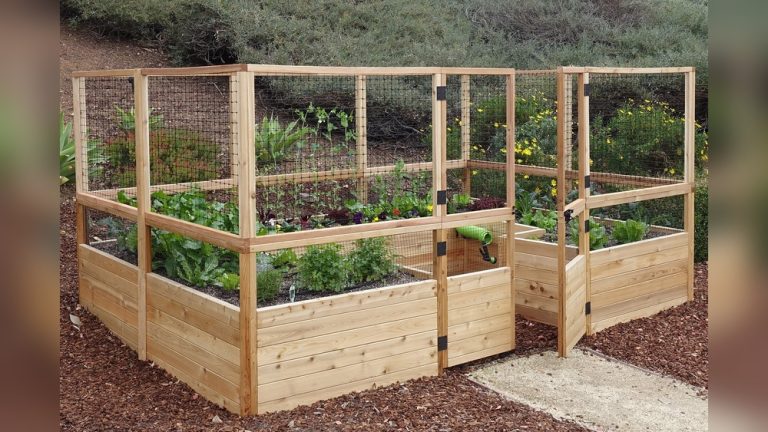
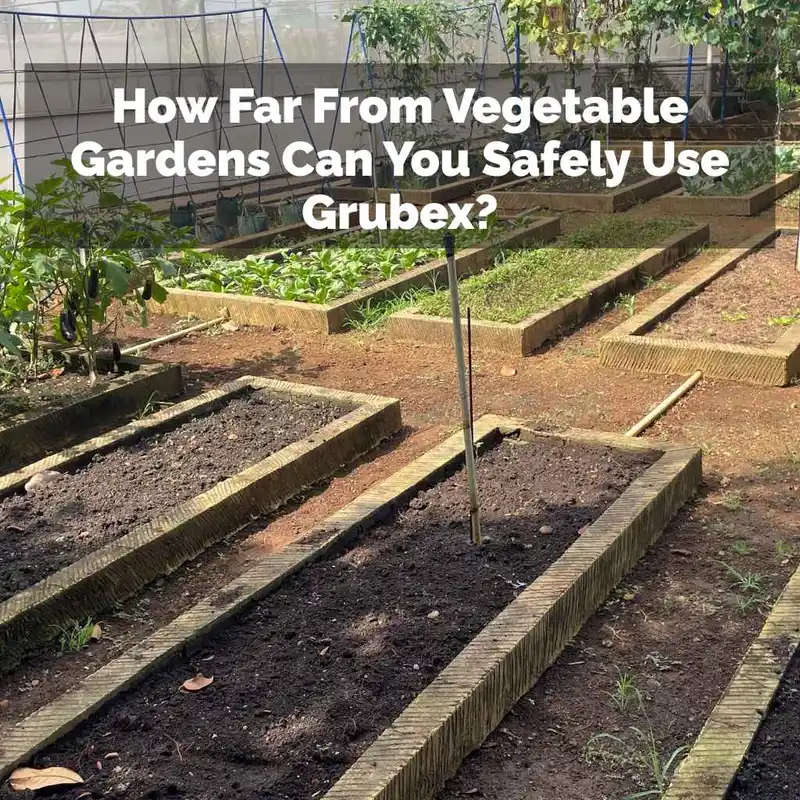
Your lawn edges right up against your raised garden beds. There is no physical separation. In this case, you must maintain the recommended buffer zone from the very edge of the lawn. If the label says 15 feet, and your garden bed is 10 feet wide, you might need to stop applying Grubex 25 feet from the edge of your lawn that is closest to the garden.Scenario 2: Driveway Separates Lawn and Garden
You have a driveway between your lawn and your vegetable garden. This offers some natural separation. However, you still need to consider potential runoff from the driveway during heavy rain. Check the label for any specific warnings about paved surfaces. A buffer zone is still advisable.Scenario 3: Large Lot with Garden Far from Lawn
Your vegetable garden is a good distance away from your main lawn area. Perhaps there’s a patio or a flower bed in between. This provides a more natural buffer. You still need to be aware of the total distance and any specific label instructions.What This Means for Your Veggies
The main takeaway is that caution is essential. Grubex is a powerful insecticide. It’s designed for lawns. Using it near food crops requires careful planning.When Grubex Use is Likely Safe
If you follow the label instructions precisely, maintain the full recommended buffer zone, and apply during favorable weather conditions, using Grubex on your lawn is generally considered safe for nearby vegetable gardens. This means: Reading and understanding the label. Applying only to the lawn area. Ensuring no granules land in the garden. Watering in according to instructions, but not so much that it causes extreme runoff.When to Worry
You should worry if: You can’t maintain the buffer zone. You’re unsure about the label instructions. You notice granules blowing or washing towards your garden. You’ve had issues with runoff in the past. You’re planning to apply just before heavy rain.Simple Checks You Can Do
Before you apply, do a quick walk-through. Mark the edge of your lawn. Measure out the buffer zone. Visualize where the product will land. Look at the weather forecast. After applying, check the garden edge. See if any granules landed there. If they did, sweep them up immediately.Quick Tips for Using Grubex Safely
Here are some actionable tips to help you use Grubex responsibly: Measure your lawn: Know the exact size of the area you need to treat. Calibrate your spreader: Make sure your spreader applies the correct amount. Apply on a calm day: Avoid windy conditions to prevent drift. Water lightly: Water just enough to activate the product, as per label directions. Avoid over-watering which can cause runoff. Clean your equipment: Wash spreaders and any other tools thoroughly after use. Store properly: Keep Grubex in its original container, out of reach of children and pets. Consider alternatives: If you’re still concerned, explore the alternative methods mentioned earlier.Frequently Asked Questions
Can I use Grubex right up to the edge of my lawn where it meets my vegetable garden?
No, you should not. It is critical to maintain the buffer zone recommended on the product label. This untreated area protects your edible plants from the insecticide. Always check the label for the specific distance required.What happens if a little bit of Grubex gets into my vegetable garden?
If a small amount of Grubex accidentally gets into your vegetable garden, it is best to remove it. You can try carefully sweeping or brushing granules away from the soil. If it has been watered in, you may want to consider not harvesting from the affected plants for a period, or choosing alternative pest control methods for those specific plants. Always consult the product label for guidance on accidental contamination.Is Grubex harmful to earthworms in my garden?
Grubex, like many insecticides containing neonicotinoids, can potentially harm beneficial soil organisms, including earthworms. While it is designed for lawn grubs, its presence in the soil can affect other invertebrates. This is another reason why maintaining a buffer zone and avoiding direct application near gardens is important.When is the best time of year to apply Grubex near a garden?
The best time to apply Grubex is usually when grubs are actively feeding, typically in late spring or summer. However, when applying near a garden, consider the weather. Apply when there is no rain in the forecast for at least 24-48 hours after application, and avoid windy days. This helps minimize the risk of drift and runoff into your garden.What if my vegetable garden is on a slope below my lawn?
If your vegetable garden is located on a slope below your lawn, you face a higher risk of runoff. In this situation, you must be extremely careful and may need to use a wider buffer zone than what is minimally recommended on the label. Consider alternative pest control methods for your lawn if the risk is significant.Can Grubex affect bees visiting flowers in my garden?
Yes, Grubex, which often contains neonicotinoids, can be harmful to bees and other pollinators. If your vegetable garden has flowering plants that attract bees, it is crucial to avoid any application that could drift or run off into these areas. Applying Grubex only when pollinators are not actively foraging in the immediate vicinity and maintaining a strict buffer zone are key safety measures.Conclusion
Using Grubex near your vegetable garden requires diligence and respect for safety guidelines. It’s not about avoiding pest control altogether. It’s about using it wisely. By understanding what Grubex is, why buffer zones matter, and how to apply it correctly, you can protect both your lawn and your homegrown food. Always prioritize the product label. If in doubt, opt for safer alternatives or consult with a local gardening expert. Your healthy lawn and healthy harvest depend on it.For a related vegetable-garden decision, Is Roundup Safe to Use Around Vegetable Gardens? The adds another practical check before you choose materials or treatments.
For a related vegetable-garden decision, How To Use Rain Barrels To Water Vegetable Gardens Easily adds another practical check before you choose materials or treatments.
For a related vegetable-garden decision, Can You Use White Containers For Vegetable Gardens? adds another practical check before you choose materials or treatments.