What Time Do Groundhogs Prowl Around Vegetable Gardens?
It’s that time of year again. You’ve spent hours planting your garden. The tiny seedlings are starting to sprout.
For a related vegetable-garden decision, Can Hay Be a Living Mulch for Vegetable Gardens? Yes, Here's How adds another practical check before you choose materials or treatments.
For a related vegetable-garden decision, Is Cutter Backyard Spray Safe For Vegetable Gardens? Here adds another practical check before you choose materials or treatments.
For a related vegetable-garden decision, Is Roundup Safe to Use Around Vegetable Gardens? The adds another practical check before you choose materials or treatments.
Then, one morning, you find a mess. Leaves are torn. Sprouts are gone.
A familiar furry face might be the culprit. This can be so frustrating. You want to enjoy fresh veggies.
You don’t want them to become a groundhog’s buffet. Let’s figure out when these busy critters are most likely to visit your precious plants.
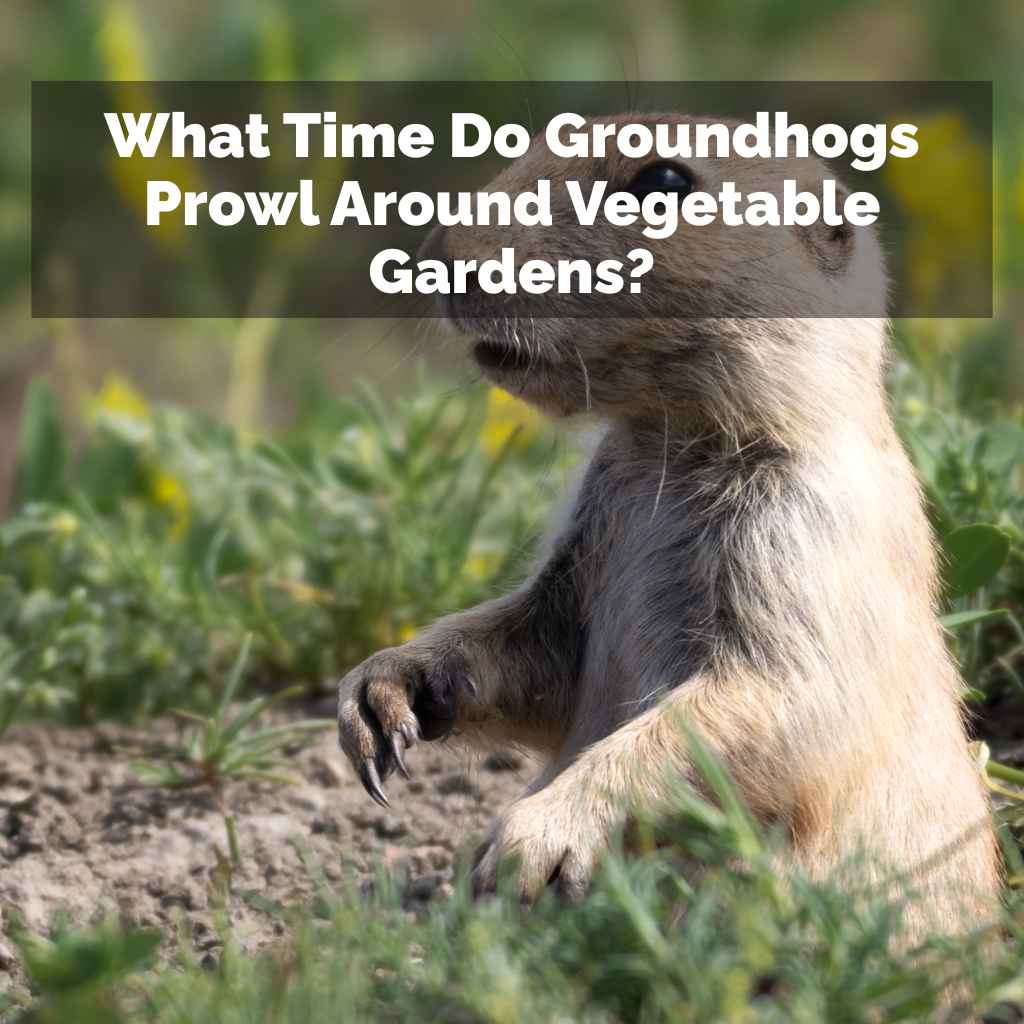
Groundhogs are most active in vegetable gardens during their active foraging periods, typically in the early morning and late afternoon. Their prime time for garden raids often aligns with warmer months when plants are growing vigorously, usually from late spring through early fall. They seek out tender greens, ripe vegetables, and easy access to food sources.
Understanding Groundhog Foraging Habits
Groundhogs, also known as woodchucks, are fascinating creatures. They are herbivores. This means they eat plants.
Gardens offer a very appealing menu for them. Think fresh lettuce, tender beans, sweet peas, and ripe tomatoes. They don’t just wander randomly.
They have patterns. Understanding these patterns helps us figure out when groundhogs prowl.
These animals are crepuscular. This is a fancy word. It means they are most active during dawn and dusk.
So, the best times to spot them, or to think about them visiting your garden, are these in-between times of the day. The sun is not too hot. They feel safer moving around then.
They are less exposed to predators.
During the heat of midday, groundhogs usually retreat to their burrows. Their burrows are cool and safe. They rest and digest their meals.
They might also do some digging. They are meticulous tunnel builders. A typical groundhog burrow can have many entrances.
It can stretch for many feet underground. It has separate chambers for sleeping, nesting, and waste.
The season also plays a big role. In spring, young groundhogs are born. The adults are busy feeding their growing families.
They need a lot of food. This is when gardens can look especially tempting. Plants are young and tender.
They are packed with nutrients.
As summer progresses, fruits and vegetables start to ripen. Groundhogs are attracted to the sweetness. A ripe tomato or a juicy melon is a prime target.
They will happily munch on these. They might even drag smaller items back to their burrow entrance to eat.
Fall is another important time. Groundhogs need to store fat for the winter. They will eat more.
They will forage more actively. This is especially true before they go into hibernation. They need to build up their reserves.
This means your garden might see more visits as the weather cools.
It’s important to remember that garden visiting times are not fixed. They depend on many things. Weather is one.
If it’s a very hot day, they might stay in longer. If it’s a cool, cloudy day, they might be out earlier or later.
The availability of other food sources also matters. If there are plenty of wild berries, clover, and weeds nearby, they might not visit your garden as much. But if your garden is the easiest and most abundant food source, they will definitely make it a regular stop.
So, when do groundhogs prowl around vegetable gardens? Think early morning, before the sun gets too high. Think late afternoon, as the sun starts to dip.
Think about the spring and fall months. These are their peak feeding times. Your garden might be their favorite dining spot.
A Personal Garden Encounter
I remember one spring vividly. I had just planted a whole row of young pea plants. They were just a few inches tall.
I was so excited to see them grow. I checked on them every morning. One day, I went out, and half of them were gone.
Just little nubs were left in the soil.
My heart sank. Panic set in. I looked around.
I saw some tell-tale signs. Little tracks in the soft dirt near the garden bed. A few leaves seemed nibbled.
Then, I saw him. A big, plump groundhog sitting near the edge of my yard. He looked quite pleased with himself.
He was cleaning his whiskers.
It was about 7 AM. The sun was just starting to warm things up. He had clearly been busy earlier.
I felt a mix of anger and a strange sense of awe. He was so bold. He was so focused on his meal.
That moment taught me a lot about timing. It showed me that groundhogs don’t wait for convenient times.
I realized I needed to be more prepared. I couldn’t just plant and hope for the best. I had to understand their schedule.
I had to think about their natural behaviors. That groundhog was just doing what groundhogs do. He found a good food source.
He took advantage of it. Especially at that early morning hour.
Since then, I’ve always paid more attention. I notice when damage happens. It’s almost always at those quiet times of day.
It’s a good reminder that nature is always active. It doesn’t always align with our own plans. But knowing this helps me protect my plants better.
It makes me feel more in tune with the ecosystem around my home.
Groundhog Activity Peaks
Morning Foraging: Early hours, typically from sunrise until about 9 AM. The air is cool. Dew is on the plants.
They are hungry after resting all night.
Afternoon Grazing: Late afternoon, usually starting around 4 PM until dusk. They come out to eat again before settling down for the night.
Summer Bounty: Peak garden raids often occur when plants are young and tender in late spring and throughout summer.
Fall Preparations: Increased activity in early fall as they build fat reserves for hibernation.
Seasonal Shifts in Groundhog Behavior
The life of a groundhog is tied closely to the seasons. This directly impacts when groundhogs visit gardens. Let’s break down how each season influences their foraging.
Spring: The Awakening Feast
When winter ends, groundhogs emerge from hibernation. They are often quite thin. Their energy levels are low.
The first green shoots emerging from the ground are a welcome sight. This includes the tender leaves and shoots in your garden. Young plants are especially appealing.
They are easy to chew. They are full of nutrients.
This is a critical time for them to regain strength. It’s also when they are raising young. A mother groundhog needs to produce milk.
This requires a lot of calories. She will forage constantly to meet these needs. Her offspring will soon start eating solid food too.
They will join her on foraging trips.
So, spring is prime time for groundhog garden activity. Especially in April, May, and June in most parts of the U.S. They are hungry and their babies are growing.
Your garden is a jackpot for them.
Summer: Ripening Delights
As spring turns into summer, the garden really starts to produce. Beans, peas, cucumbers, and tomatoes become ripe. Groundhogs love these.
They are attracted to the sweetness and juiciness. They might eat the whole plant. Or they might focus on the fruits and vegetables.
Their activity might seem a bit less frantic than in spring. They are more established. But the sheer abundance of food in a garden makes it a constant draw.
They will continue to visit, especially during their peak hours. They will sample everything.
It’s worth noting that extreme summer heat can affect their activity. On very hot days, they might forage more intensely in the cooler morning and evening hours. They might avoid the midday sun entirely.
They will spend that time in their cool burrows.
Fall: The Final Push
As summer fades and fall arrives, groundhogs prepare for winter. They need to eat a lot. They need to gain weight.
This is called fattening up for hibernation. They will become more active foragers.
Your garden, even if it’s winding down, might still offer appealing treats. Late-season vegetables or fallen fruit can attract them. They will eat more consistently.
They need to build up their fat reserves to survive the long, cold winter without eating.
This increased foraging can mean more visits to your garden. They are on a mission to eat as much as possible. This is especially true in September and October.
They need to reach their target weight before the first hard frost.
Winter: The Long Sleep
During winter, groundhogs hibernate. Their body temperature drops. Their heart rate slows.
They sleep deeply. They do not come out. They do not visit gardens during this time.
Their hibernation period typically lasts from around November to March, depending on the region and the severity of the winter.
So, you can relax about groundhog damage during the cold months. But as soon as spring arrives, and the ground thaws, they will be back. And they will be hungry.
Groundhog Seasonality & Garden Impact
| Season | Groundhog Goal | Garden Impact | Peak Visiting Times |
|---|---|---|---|
| Spring | Recover from hibernation, feed young | High – Tender shoots are irresistible. | Early Morning, Late Afternoon |
| Summer | Sustain self and family, enjoy bounty | Moderate to High – Ripe fruits and veggies are targets. | Morning, Evening (less midday heat) |
| Fall | Build fat for hibernation | High – Voracious eating before winter. | Morning, Afternoon, Evening |
| Winter | Hibernation | None – They are asleep. | N/A |
Factors Influencing Groundhog Garden Visits
It’s not just the time of day or the season that matters. Several other things can make your garden a more or less attractive spot for groundhogs. Understanding these helps you predict when groundhogs might be in your yard.
Proximity to Burrows: Groundhogs are not big travelers when foraging. They prefer to stay relatively close to their burrows. If your garden is near an existing groundhog burrow, you are much more likely to see them.
They will establish new burrows sometimes too. Especially if they find a good food source and feel safe.
Garden Accessibility: How easy is it for a groundhog to get into your garden? Are there fences? Is the ground soft and easy to dig?
Are there low-hanging branches from nearby trees that provide cover?
A garden that is easily accessible and offers a clear path in and out will be more appealing. Groundhogs prefer to avoid open, exposed areas if possible. They like to feel secure while they eat.
Plant Choices: As we know, groundhogs are herbivores. They have favorite foods. If your garden is full of their top choices, they will visit more often.
This includes things like alfalfa, clover, beans, peas, corn, squash, carrots, and most leafy greens. They also like fruits like strawberries and raspberries.
Some plants are less appealing. Thorny bushes, aromatic herbs like mint or rosemary, and some flowers might deter them. But if other food is scarce, they might try anything.
Natural Food Availability: If there are abundant wild food sources nearby, like fields of clover, dandelions, or berry bushes, groundhogs might be less inclined to raid your garden. They will go for the easiest food. If your garden is the easiest source, they will come.
However, if their natural food sources become scarce, or if your garden offers something particularly delicious that they can’t get elsewhere, they will venture out. This can happen after a dry spell or when wild plants go out of season.
Shelter and Cover: Groundhogs are prey animals. They need to feel safe. Areas around your garden that offer cover are attractive.
This might be dense shrubs, tall grass, or wooded areas. They can hide there before entering the garden. They can also retreat there if they feel threatened.
If your garden is in a very open space with no nearby cover, they might be more hesitant. But the lure of delicious food can outweigh this fear sometimes.
Weather Conditions: Extreme weather can influence their activity. Very heavy rain might keep them in their burrows. Extreme heat will do the same.
Mild, pleasant weather is ideal for foraging. They also seem to be active during cloudy days.
Think about what weather conditions are happening when you notice damage. It’s often after a period of nice, mild weather. Or perhaps after a stretch of rain where they were confined and are now very hungry.
Groundhog Garden Attraction Factors
Location: Near existing burrows or ideal den sites.
Ease of Entry: Unfenced areas, soft soil, clear paths.
Preferred Plants: Beans, peas, lettuce, carrots, berries, corn, squash.
Food Competition: Less natural food nearby means more garden focus.
Cover: Nearby shrubs, tall grass, or wooded areas.
Weather: Mild, pleasant, or overcast days are prime foraging times.
What This Means for Your Vegetable Patch
Knowing when groundhogs are active helps you protect your garden. It’s about being proactive. It’s also about understanding that sometimes, coexistence is the goal.
When it’s Normal: It’s perfectly normal for groundhogs to forage in areas with gardens, especially during their active seasons. They are part of the local wildlife. If you live in a suburban or rural area, you’re likely to share your space with them.
Damage in spring and fall is common. Damage during their peak morning and late afternoon hours is also typical. A few nibbled leaves or missing sprouts might just be the cost of living in a natural area.
When to Worry: You might worry if the damage is extensive and happening constantly. If they are eating nearly everything you plant. Or if they are digging burrows right in your garden beds, which can damage roots and pathways.
You might also worry if they are becoming aggressive. This is rare. But if a groundhog seems unafraid of you and acts defensively, it might indicate a problem.
It’s also a concern if they are damaging structures like sheds or decks by digging under them.
Simple Checks:
1. Observe the Time: Note when you see damage. Is it consistently in the early morning or late afternoon?
This points to groundhogs.
2. Look for Tracks: Check the soil around damaged plants. Groundhog tracks are distinct.
They have five toes.
3. Examine the Damage: Groundhogs tend to eat the entire plant or fruit. Rabbits often leave chewed stems at an angle.
Deer might tear plants apart.
4. Check for Burrows: Large holes with fresh soil nearby are a sure sign. They often have a main entrance and an emergency exit.
5. Watch for the Critter: If you see a large, stout rodent, about the size of a house cat, with short legs and a bushy tail, it’s likely a groundhog.
Understanding these signs helps you confirm the culprit. It also helps you understand their routine. This is the first step to managing the situation.
Tips for Coexisting with Garden Groundhogs
Sometimes, the best approach is to try and live together. Protecting your garden is important, but so is respecting wildlife. Here are some gentle tips to help reduce groundhog interest in your plants.
Secure Your Garden: The most effective way to stop groundhogs is fencing. Use sturdy fencing material like chicken wire or hardware cloth. It should be at least 3 feet tall.
Bury the bottom edge about 6 to 12 inches into the ground. This stops them from digging under. Bend the bottom edge outward to create an “L” shape.
Plant Deterrents: Some plants are not their favorites. Consider planting things like marigolds, mint, rosemary, lavender, or sage around your garden perimeter. Their strong scents might keep groundhogs away.
Remove Attractants: Keep your yard tidy. Don’t leave pet food outdoors. Secure garbage cans.
Clean up fallen fruit from trees promptly. These things can attract all sorts of wildlife, including groundhogs.
Create Barriers: For individual plants or small areas, you can create physical barriers. Use cages made of wire mesh or plastic. Make sure they are tall enough and secured at the base.
Natural Repellents: Some people have success with natural repellents. You can try scattering things like castor oil, red pepper flakes, or garlic. These can be reapplied after rain.
Their effectiveness can vary.
Encourage Predators: If you have natural predators like foxes or hawks in your area, they can help keep groundhog populations in check. You can make your yard more welcoming to them by providing habitat or water sources.
Relocation (Use with Caution): Relocating groundhogs is often not recommended by wildlife experts. They are territorial. They may not survive in a new environment.
They may also try to return. Check local wildlife regulations before considering relocation.
Professional Help: If you have a severe problem, consider consulting a wildlife control professional. They have humane methods for dealing with nuisance animals.
The key is to make your garden less appealing and harder to access. By understanding when groundhogs are prowling, you can time your protective measures. You can focus your efforts when they are most likely to visit.
Frequently Asked Questions About Groundhog Garden Visits
What are the absolute peak hours for groundhogs in a garden?
Groundhogs are most active in the early morning, right after sunrise, and again in the late afternoon, before dusk. These cooler times of day are when they prefer to forage. They usually rest in their burrows during the heat of the day.
Do groundhogs eat vegetables at night?
Groundhogs are not typically nocturnal. Their main activity periods are dawn and dusk. While they might do some feeding just before it gets completely dark, they are not usually active gardeners in the middle of the night.
Are groundhogs more active in certain weather conditions?
Yes, they prefer mild, pleasant weather. They might be less active during heavy rain or extreme heat. Cloudy days can also lead to increased activity as they are more comfortable moving around.
What is the best way to tell if a groundhog is visiting my garden?
Look for large holes with excavated dirt, indicating burrows. Groundhogs eat entire plants or fruits, leaving little behind. You might also see their distinctive tracks in soft soil, which have five toes on each paw.
Why are groundhogs suddenly appearing in my garden?
This can happen if their natural food sources become scarce, or if your garden offers a particularly appealing and easy meal. New construction nearby can also disrupt their habitats and force them to seek new areas.
When do groundhogs stop visiting gardens for the year?
Groundhogs hibernate throughout the winter. They typically emerge in early spring. So, their garden visiting season generally runs from spring through fall, ending as cold weather sets in and they retreat to their burrows to hibernate.
Final Thoughts on Sharing Your Garden Space
It can be disheartening to see your hard work enjoyed by an unexpected guest. But by understanding when groundhogs prowl around vegetable gardens, you gain an advantage. They are creatures of habit, tied to the rhythms of the day and the seasons.
Remember their preference for dawn and dusk. Think about their needs in spring and fall. With this knowledge, you can better protect your plants.
And perhaps even find a way to share your space peacefully. Nature is all around us. Sometimes, we just need to observe its patterns.