Are Bone And Blood Meal Good For Vegetable Gardening?
Bone meal and blood meal can be helpful for vegetable gardens. Bone meal adds phosphorus and calcium. Blood meal adds nitrogen. They need to be used correctly to avoid problems. Knowing when and how much to use is key for healthy plant growth.

Hi-Yield
Hi-Yield (32120) Bone Meal 0-10-0, 20 lbs
- This plant growth enhancer helps to develop sturdy root systems and stimulates plant growth.
- This plant supplement is intended for use on bulbs, roses, flowers, shrubs and vegetables.
- The plant fertilizer provides a slow release form of natural Phosphorus for continual feeding.
As an Amazon Associate I earn from qualifying purchases.
For the broader gardening context, Is Charleston Dirt Good for Vegetable Gardening? Answered gives readers a useful next step on the same topic.

Understanding Bone Meal and Blood Meal
Let’s talk about what these garden helpers actually are. Bone meal comes from ground animal bones. It’s a source of phosphorus.
Phosphorus is vital for root growth. It also helps with flowering and fruiting. Bone meal also contains calcium.
Calcium helps plants build strong cell walls.
Blood meal comes from dried animal blood. Its main job is to provide nitrogen. Nitrogen is what makes plants green and leafy.
It’s a key ingredient for overall growth. Blood meal is fast-acting. This means plants can use its nitrogen quickly.
Both are natural products. They come from animal processing. Many gardeners like them because they are organic.
They feel good about adding these to their soil. But like any garden tool, they must be used with care. Too much of a good thing can cause issues.
Think of them like vitamins for your plants. A little bit helps. A lot can sometimes be too much.
We need to understand what each one offers. Then we can figure out if our garden plants need it.
My Own Gardening Oops Moment
I remember my first year trying to grow a serious vegetable patch. I’d read all the articles. I wanted the biggest, best-looking vegetables.
My neighbor, a seasoned gardener, told me about bone meal for my peppers. She said it would make them fruit like crazy. I found some at the garden center.
It came in a rough, powdery bag.
I mixed it right into the soil around my pepper plants. I used what felt like a lot. I thought, “More must be better!” The plants grew, but something felt off.
They were a bit too green. The leaves seemed a little… floppy? Then, my peppers started to develop these dark, sunken spots on the bottom.
It looked like blossom end rot. I was so confused and a little panicked. My neighbor’s advice didn’t quite lead to the perfect peppers I imagined.
It turned out I’d used too much bone meal. It likely threw off the nutrient balance. Or maybe it didn’t break down right away.
This is a good lesson. Even “good” things need to be used wisely. It’s not just about adding them.
It’s about adding the right amount at the right time.
What’s Really in Bone Meal?
Let’s zoom in on bone meal. Its primary benefit is phosphorus. Soil phosphorus is often hard for plants to get.
Bone meal makes it more available. This is super important for vegetables. Roots need phosphorus to grow deep and strong.
This helps the plant take up water and other food.
Phosphorus also plays a role in how plants handle stress. Think of dry spells or sudden heat waves. Good phosphorus levels can help your plants cope better.
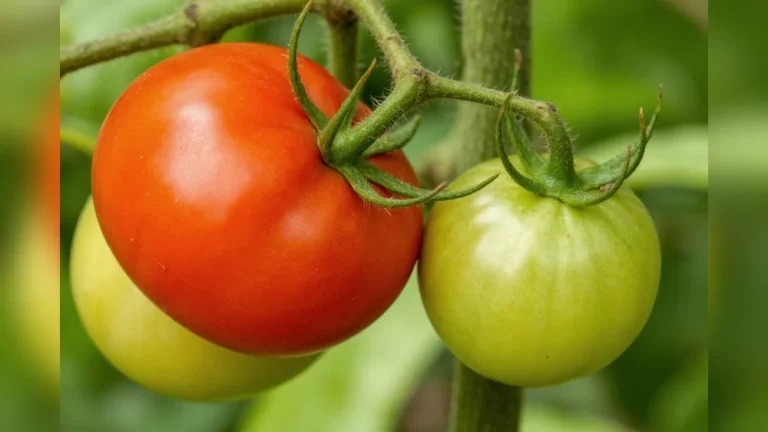
It also aids in the process of forming flowers and fruits. For things like tomatoes, beans, and squash, this is essential. You want those flowers to turn into tasty veggies.
The calcium in bone meal is also a plus. It helps prevent blossom end rot in fruits like tomatoes and peppers. This is what I missed in my story.
If the calcium isn’t there, or if other nutrients get out of whack, this rot can happen. It’s a common problem for many vegetable gardeners.
However, bone meal is slow to release. It needs soil microbes to break it down. This means it won’t give your plants an instant boost.
It’s more of a long-term soil builder. It works best when mixed into the soil before planting. This gives the microbes time to work their magic.
Bone Meal: Key Nutrients
- Phosphorus (P): Essential for roots, flowers, and fruit.
- Calcium (Ca): Builds strong cell walls and prevents blossom end rot.
- Slow Release: Needs soil microbes to break down.
It’s important to get a good quality bone meal. Some products can be sterilized. This might reduce the helpful microbes.
Always check the label. Look for analysis numbers. For example, a common analysis might be 3-15-0.
This means 3% nitrogen, 15% phosphorus, and 0% potassium.
We need to think about the soil we already have. Some soils are naturally rich in phosphorus. Adding more might not be necessary.
A soil test can tell you this. It’s like getting a doctor’s check-up for your garden. It tells you exactly what your plants need.
The Power of Blood Meal
Now, let’s talk about blood meal. Its star nutrient is nitrogen. Nitrogen is like the engine for green growth.
Plants need a lot of it. It’s a major part of chlorophyll. Chlorophyll is what makes leaves green and helps plants make food from sunlight.
When your vegetable plants are young and leafy, nitrogen is key. It helps them grow big and strong. This sets them up for later.
Without enough nitrogen, plants can look pale or yellow. Their growth will slow down. They just won’t reach their full potential.
Blood meal provides this nitrogen in a form plants can use quickly.
This makes blood meal useful when you need a quick pick-me-up for your plants. Maybe you notice your leafy greens aren’t as vibrant as they should be. A light application of blood meal can help.
It’s also good for plants that need a lot of nitrogen, like corn or leafy vegetables.
But here’s the caution. Too much nitrogen can be bad. It can make plants grow too fast and too leafy.
This might lead to fewer flowers and fruits. It can also make plants more prone to pests and diseases. Some experts say overly lush growth can attract things like aphids.
The plant is basically too tender.
Blood meal can also burn plant roots if applied too directly or too heavily. This is why it’s often recommended to mix it into the soil. Or apply it around the base of the plant.
Then water it in well. This helps to dilute it.
Blood Meal: What It Does
- Nitrogen (N): Fuels green leaf growth and overall vigor.
- Fast-Acting: Plants can use it quickly.
- Can Burn Roots: Needs careful application.
The analysis for blood meal might look something like 12-0-0. This means 12% nitrogen, 0% phosphorus, and 0% potassium. It’s a very focused fertilizer.
It gives plants a big dose of nitrogen and not much else.
Like bone meal, it works best with healthy soil life. Microbes help make the nitrogen available. It’s also important to remember that nitrogen can leach out of the soil over time.
This is especially true in rainy climates. So, plants might need more nitrogen over the growing season.
When to Use Bone Meal and Blood Meal
So, when is the right time for these garden boosters? For bone meal, think about preparation. It’s best added to the soil before you plant.
Mix it into beds where you’ll be growing root vegetables. Or add it when you’re preparing containers. It will slowly release its phosphorus and calcium as the roots grow.
If you have soil known to be low in phosphorus, bone meal is a good bet. This is often the case in sandy soils. Or in soils that have been heavily gardened for a long time without replenishing nutrients.
A soil test is your best friend here. It will tell you if phosphorus is indeed low.
For blood meal, think about active growth. You might add it in the spring. This is when plants are starting to put on serious leaf growth.
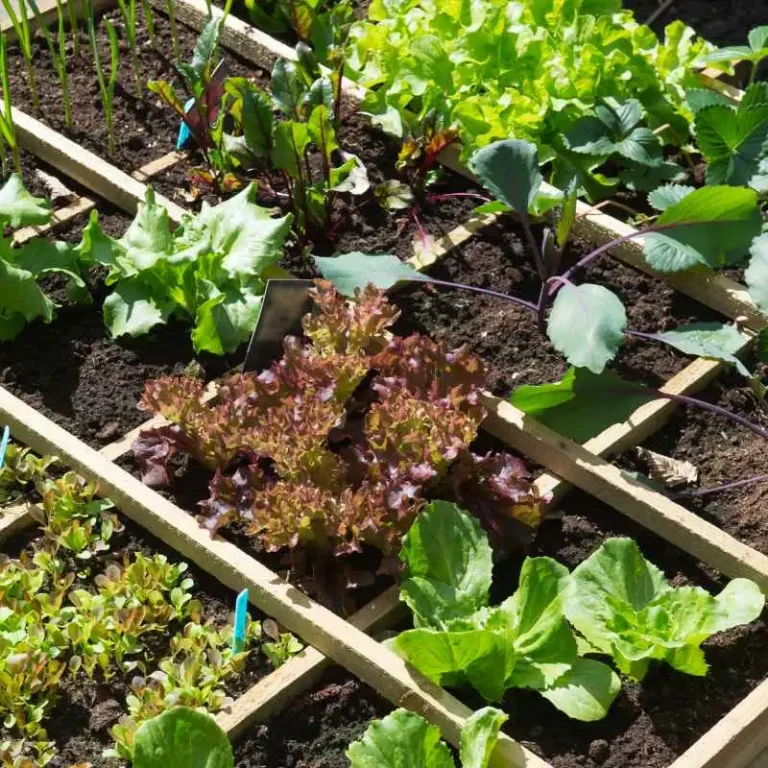
It’s also useful for crops that need consistent nitrogen. Think of your lettuce, spinach, or kale. You might apply it again mid-season if plants start to look pale.
It’s less ideal for plants that are just flowering or fruiting. Too much nitrogen at this stage can lead to lots of leaves but few veggies. For example, if you add blood meal to your tomato plants when they are covered in fruit, you might get more foliage instead of more tomatoes.
Timing is Everything
- Bone Meal: Best mixed into soil before planting.
- Blood Meal: Good for early spring growth and leafy greens.
Always follow the instructions on the package. It’s easy to get these wrong. For example, the amount of bone meal to add per 100 square feet might be listed.
Or the amount to mix per cubic yard of soil for containers.
And remember the U.S. context. Different regions have different soil types and weather patterns.
In areas with heavy rainfall, nitrogen can wash away faster. This might mean you need to replenish it more often. In drier climates, nutrients might stay put longer.
Potential Problems and What to Watch Out For
We’ve touched on some problems, but let’s be clear. Over-application is the biggest danger. Too much bone meal can lead to nutrient imbalances.
This can make it harder for plants to absorb other essential minerals, even if they are present in the soil. This can stunt growth or cause deficiencies.
Too much blood meal can lead to a nitrogen burn. This can damage or kill young plants. Their roots might shrivel up.
The leaves can turn yellow or brown and curl. It can also promote diseases. Lush, soft growth is very attractive to some pests.
Another concern with blood meal is its odor. When it starts to break down, especially in warm, moist soil, it can smell quite unpleasant. Some people find it unbearable.
It can also attract dogs or other animals to your garden beds, which can cause digging and damage.
There’s also a question about sustainability and sourcing. While they are natural, the processing of animal products has an environmental footprint. For some gardeners, this is a consideration.
They might prefer other organic options.
Red Flags to Watch For
- Too much green growth, few flowers/fruits? Could be too much nitrogen.
- Wilting, yellowing leaves, or burnt edges? Could be too much fertilizer or a burn.
- Unpleasant smell? Blood meal breaking down.
- Plants not growing well despite adding fertilizer? Nutrient imbalance.
It’s also important to note that these are not complete fertilizers. They focus on specific nutrients. Bone meal is mainly phosphorus and calcium.
Blood meal is mainly nitrogen. Most vegetables need a balanced diet of nitrogen, phosphorus, and potassium (N-P-K). They also need secondary nutrients and micronutrients.
So, using only bone meal or blood meal might leave gaps in your plant’s nutrition. This is why they are often used as supplements. They boost specific needs.
They are not usually the sole source of all plant food.
Alternatives to Bone Meal and Blood Meal
What if you’re hesitant about bone meal or blood meal? Or maybe you want to supplement them with other options? There are many great alternatives for organic vegetable gardening.
For nitrogen, consider compost. Well-rotted compost is a miracle worker. It adds nitrogen slowly.
It also improves soil structure and adds a host of other nutrients and beneficial microbes. Coffee grounds are another source of nitrogen. So are grass clippings (if not treated with herbicides).
For phosphorus, look to rock phosphate. It’s slower releasing than bone meal. This means less risk of burning.
Manure, especially aged poultry manure, can also be a good source of phosphorus. It also adds nitrogen. Alfalfa meal is another popular organic choice.
It provides nitrogen, phosphorus, and potassium, plus other trace elements.
Organic Alternatives
- Nitrogen Boosters: Compost, coffee grounds, grass clippings, feather meal.
- Phosphorus Sources: Rock phosphate, aged poultry manure, fish bone meal.
- Balanced Nutrients: Aged manure (cow, horse), worm castings, kelp meal, alfalfa meal.
Worm castings are a fantastic all-around soil amendment. They are rich in nutrients. They also improve soil aeration and drainage.
They contain beneficial bacteria and enzymes that help plants absorb nutrients better.
Kelp meal is another nutrient-dense option. It provides many trace minerals that plants need. It can also help plants resist disease.
It’s derived from seaweed. It can also help with soil structure.
If you’re looking for a complete, balanced organic fertilizer, consider a pre-mixed organic granular fertilizer. Many companies offer these. They are formulated to provide a good mix of N-P-K.
They also often include other beneficial ingredients.
The goal is always healthy soil. Healthy soil grows healthy plants. Focusing on building rich, living soil is more important than just adding single nutrients.
Compost and organic matter are the foundation.
When Are They NOT a Good Idea?
There are times when bone meal and blood meal might not be the best choice for your vegetable garden. If your soil already has high levels of phosphorus, adding more bone meal is wasteful. It can even be harmful, as we discussed.
A soil test is the only way to know for sure.
If you’re growing plants that don’t need a lot of nitrogen, like root vegetables (carrots, potatoes) or herbs, then blood meal might not be necessary. Too much nitrogen can actually hinder the development of roots or essential oils in herbs.
If you have pets that tend to dig in the garden, the smell of blood meal might be a big problem. It can encourage them to investigate. This can lead to dug-up plants and a messy garden.
It can also be a concern for people who are sensitive to odors.
For very young seedlings, it’s often best to start with milder fertilizers. Or just rely on good quality potting mix. The concentrated nutrients in bone meal and blood meal can be too strong for delicate seedlings.
They might burn their tiny roots.
Situations to Avoid
- High Phosphorus Soil: Avoid bone meal.
- Root Vegetables/Herbs: Be cautious with blood meal.
- Pet Diggers: Blood meal smell can attract them.
- Delicate Seedlings: Use milder options or wait.
Another factor is the pH of your soil. Bone meal can sometimes raise soil pH slightly. If your soil is already alkaline, this might be a problem.
Most vegetables prefer slightly acidic to neutral soil. Blood meal doesn’t typically affect pH significantly.
Finally, if you are aiming for a strictly vegan garden, these animal-byproduct fertilizers are obviously out. There are plenty of excellent plant-based and mineral-based organic options available.
Real-World Vegetable Garden Scenarios
Let’s picture a few common garden situations. Imagine you’re starting a new garden bed in the spring. You’ve turned the soil.
It looks a bit tired. You plan to grow tomatoes, peppers, and cucumbers. This is a great time to add some bone meal.
You’d mix a couple of pounds of bone meal per 100 square feet into the top 6 inches of soil. This will give those plants the phosphorus they need for strong roots and good fruit production later on. You might also add some compost.
Compost is always a good idea.
Now, say your lettuce plants are looking a bit pale a few weeks after sprouting. They aren’t as vibrant green as you’d like. This is where a light application of blood meal could help.
You could sprinkle a small amount around the base of the plants. Then gently water it in.
You need to be careful not to overdo it. Maybe a quarter cup per 10 square feet. You are just giving them a little nudge, not a full meal.
You want them to grow, but not so fast that they become weak.
Consider your container gardens. Plants in pots rely entirely on you for nutrients. If you’re planting a container with a mix of vegetables, you might add bone meal to the potting mix.
For leafy greens in pots, you might plan to feed them with a dilute liquid fertilizer that contains nitrogen more frequently.
What about after the harvest? Some gardeners like to add nutrients back into the soil after a busy growing season. For phosphorus and calcium, adding bone meal in the fall can be beneficial.
It has time to break down over winter. It will be ready for the next planting season.
Making the Decision for Your Garden
So, are bone meal and blood meal good for vegetable gardening? The answer is: yes, they can be. But it’s not a simple yes or no.
They are tools. And like any tool, they work best when used correctly.
For bone meal, think of it as a phosphorus and calcium builder. Use it for plants that need good root development and fruiting. Mix it in before planting.
Don’t use it if your soil test says you have plenty of phosphorus.
For blood meal, think of it as a quick nitrogen boost. Use it for leafy greens and plants that need that early, vigorous growth. Be careful with it.
Too much can cause problems. And be mindful of the smell.
Key Considerations
- Soil Test First: Always know your soil’s nutrient levels.
- Know Your Plants: Different veggies have different needs.
- Less is More: Start with small amounts.
- Balance is Key: These are supplements, not complete meals.
Many experienced gardeners find a place for these organic amendments. They appreciate the natural source of specific nutrients. They help their plants thrive.
But they do it with awareness. They know their plants’ needs and their soil’s makeup.
If you’re just starting out, focus on building great soil with compost. Then, as you gain experience, you can explore specific supplements like bone meal and blood meal. Or choose from the many other fantastic organic alternatives available.
Your goal is happy, healthy vegetables. Whether you use bone meal and blood meal or other organic options, the most important thing is to understand what your plants are asking for. Observe them.
Learn from them. And always keep that soil healthy and alive.

Frequently Asked Questions
Is bone meal safe for all vegetable gardens?
Bone meal is generally safe if used correctly. It adds phosphorus and calcium. However, if your soil already has high phosphorus levels, adding more can be harmful.
Over-application can also create nutrient imbalances. It’s best to get a soil test before using it, especially in large amounts.
Will blood meal make my plants grow too tall and weak?
Yes, too much blood meal can lead to excessive leafy growth. This can make plants appear lush but may result in fewer flowers and fruits. It can also create tender growth that is more attractive to pests like aphids.
Use it sparingly for leafy greens and early growth.
Can I mix bone meal and blood meal together?
Yes, you can mix them. Many gardeners do this when preparing beds. Bone meal provides phosphorus and calcium for root and fruit development.
Blood meal provides nitrogen for leafy growth. Using them together can give plants a broader range of nutrients. Just be mindful of the total amount you are adding to avoid over-fertilizing.
How long does it take for bone meal to work?
Bone meal is a slow-release fertilizer. It needs soil microbes to break it down before plants can absorb its nutrients. This process can take weeks or even months.
It’s best applied before planting so it has time to become available. You typically won’t see immediate results like you might with a liquid fertilizer.
Why does blood meal sometimes smell bad?
The smell comes from the decomposition process as soil microbes break down the blood meal. This is especially noticeable in warm, moist soil. While some find the smell unpleasant, it indicates the nutrients are becoming available to plants.
Good soil aeration and watering can help manage the odor.
What is the best way to apply bone meal and blood meal?
For bone meal, it’s best to mix it into the soil before planting. This allows it to break down slowly. For blood meal, you can sprinkle it around the base of plants and water it in.
Or mix it into the top few inches of soil. Always follow the application rates on the product packaging. Watering well after application is important for both.
Final Thoughts
Bone meal and blood meal are valuable organic options. They offer specific nutrients for your vegetable garden. But they require understanding.
Know your soil. Know your plants. Use them wisely.
Your garden will thank you with a bountiful harvest.
Related pick: Check today's price on Amazon