What Type Of Netting Should You Use Over Garden Vegetables?
Choosing the right garden netting can feel like a puzzle. There are so many options out there. What works for one vegetable might not work for another.
And what about different types of pests? This guide will help you pick the perfect netting. You’ll learn how to protect your precious crops effectively.
Let’s make sure your harvest is yours to enjoy.
The best garden netting depends on the size of the pests you want to keep out and the type of vegetable you are protecting. Options include fine mesh for small insects, bird netting for larger birds, and row covers for combined protection. Proper installation is key for effectiveness.
Understanding Garden Netting Basics
Garden netting is a great tool. It acts like a physical barrier. This barrier keeps unwanted guests away from your plants.
Pests like birds, squirrels, rabbits, and insects can cause a lot of damage. They can eat leaves, fruits, and even the roots of your vegetables. Garden netting stops them in their tracks.
There are different types of netting. They vary in their mesh size. The mesh size is the number of holes per inch.
A finer mesh has more holes per inch. This means smaller holes. Smaller holes block smaller pests.
A coarser mesh has fewer holes per inch. This creates larger openings.
Think of it like a sieve. A fine sieve catches small grains. A coarse sieve lets small grains pass through.
The same idea applies to netting. You need to match the mesh size to the pest.
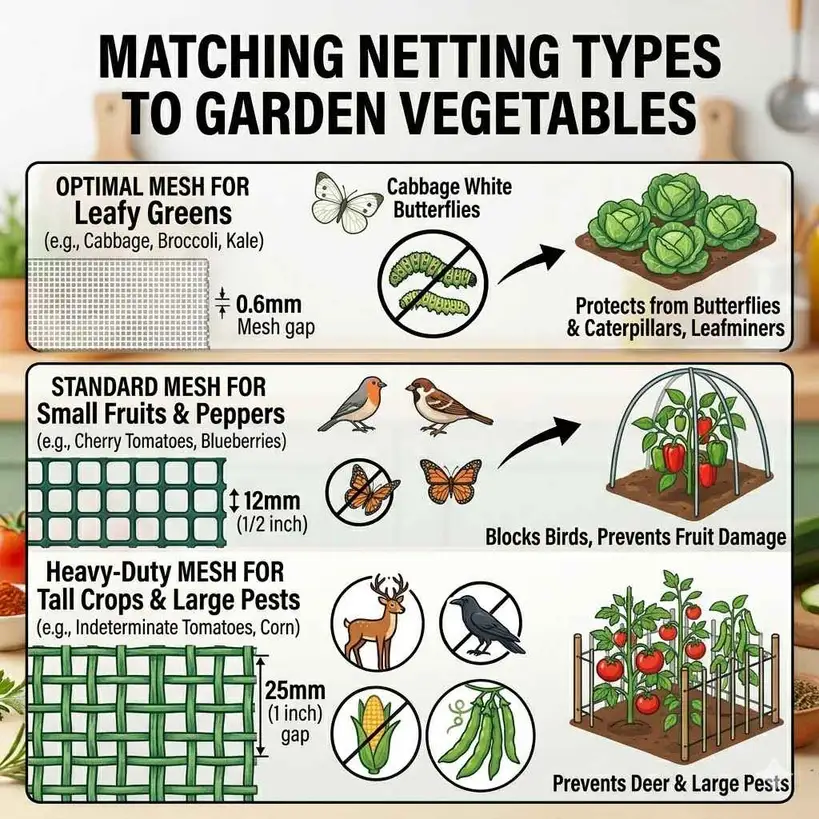
For tiny insects like aphids or flea beetles, you need a very fine mesh. This might be 1 millimeter or smaller. For larger insects like cabbage worms or squash bugs, a slightly larger mesh might work.
Bird netting usually has a mesh size around 3/4 inch to 1 inch. This is big enough to let light and air in but small enough to trap birds.
The material of the netting is also important. Most garden netting is made from plastic. This could be polyethylene or nylon.
Some is made from fiberglass. These materials are durable. They can withstand weather like sun and rain.
They are also lightweight, so they don’t weigh down your plants.
How you use the netting matters too. It needs to be secured properly. If there are gaps, pests can still get in.
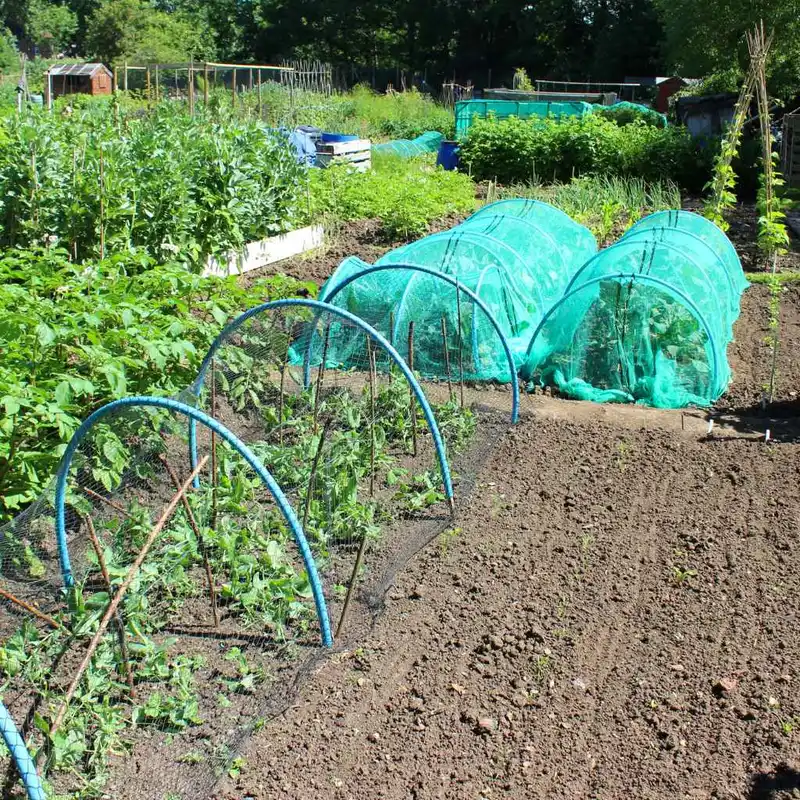
You might need stakes or hoops to hold it up. This creates a tent-like structure over your plants. This is especially useful for row crops.
Consider the plant you are protecting. Some plants need pollination by insects. If you use very fine netting, you might block beneficial insects.
This could hurt your harvest. For plants that self-pollinate or are pollinated by wind, fine netting is usually okay. Or you can remove the netting during flowering.
My First Real Gardening Disaster
I remember my first year trying to grow a decent patch of strawberries. I had visions of big, juicy berries, perfect for pies and jams. I nurtured those plants all spring.
I kept the weeds down and gave them just the right amount of water. Then, one morning, I went out to check on them.
It looked like a bird had thrown a party. The few berries that were starting to ripen had been pecked to pieces. Tiny holes, scattered all over them.
It wasn’t just one or two. It was almost all of them. I felt a wave of disappointment wash over me.
All that work, and for what? I was so annoyed!
I stood there for a minute, just staring at the mess. It felt like a personal attack from the feathered community. That’s when I realized I needed a better plan.
I couldn’t just hope for the best. I needed a real defense. This experience taught me that gardening isn’t just about planting.
It’s also about protecting your harvest.
Common Garden Pests and Their Netting Needs
Small Insects (Aphids, Flea Beetles): Need mesh size of 1mm or less.
Medium Insects (Cabbage Worms, Squash Bugs): Can often be deterred by mesh size around 5mm.
Larger Insects (Grasshoppers): May need slightly larger mesh, but good enclosure is key.
Birds: Typically need mesh from 3/4 inch to 1 inch.
Small Mammals (Rabbits, Squirrels): Need more than just netting; consider ground barriers too.
Types of Garden Netting Explained
Let’s dive into the different kinds of netting you’ll find. Knowing their features helps you make the best choice for your garden.
Fine Mesh Netting (Insect Netting)
This type of netting is your first line of defense against tiny garden invaders. It has a very small mesh size. This usually ranges from 0.5 mm to 2 mm.
It’s perfect for keeping out a wide variety of insects.
Think of aphids, whiteflies, thrips, and cabbage root flies. These little bugs can cause big problems. They can spread disease or damage plants severely.
Fine mesh netting acts as a physical barrier. It stops them from reaching your plants.
This netting is often made from polyethylene. It’s usually white or translucent. This helps it blend into the garden.
It also lets sunlight and water pass through easily. This is crucial for plant growth. Your plants still get the light and rain they need.
You can use this netting over individual plants or entire rows. For rows, you’ll often use it with hoops or a frame. This creates a tunnel.
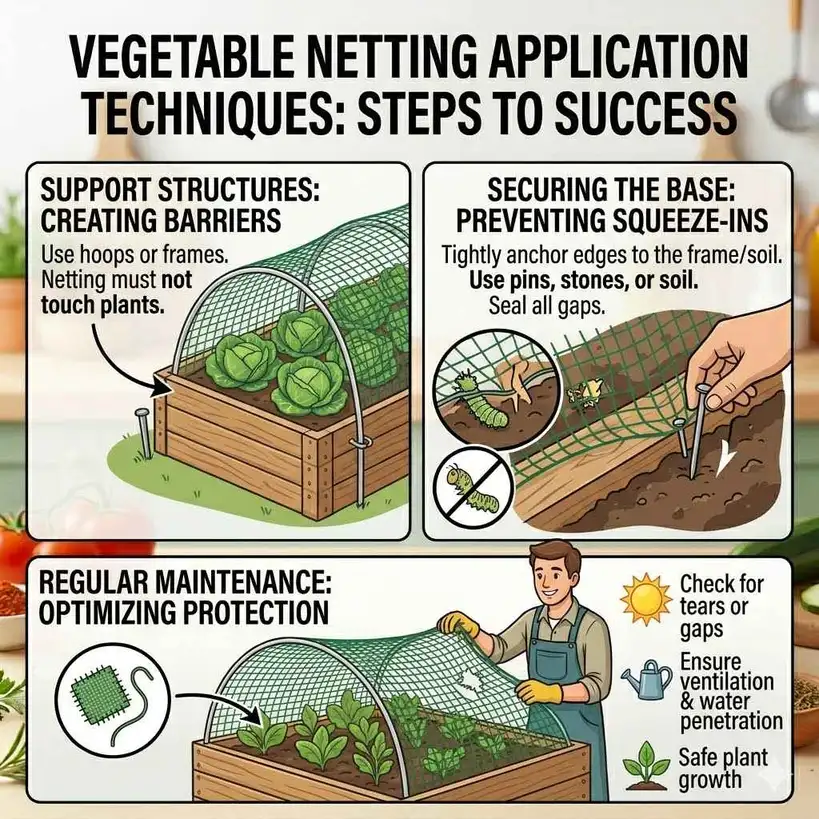
The netting drapes over the hoops. It is then secured at the edges with soil or stones. This ensures no gaps for insects to sneak through.
One thing to watch out for is pollination. If you’re growing plants that need insect pollination, like some varieties of squash or melons, you might need to remove the netting during flowering. Or, you can opt for a slightly larger mesh that still deters most damaging insects but allows pollinators through.
This is a trade-off you have to consider.
Bird Netting
As the name suggests, bird netting is designed to keep birds away from your fruits and vegetables. Birds love ripe produce. They can do a lot of damage in a short amount of time.
They peck at berries, cherries, tomatoes, and more.
Bird netting typically has a larger mesh size than insect netting. It’s usually around 3/4 inch to 1 inch. This mesh is large enough to let bees and other beneficial pollinators pass through.
It’s also big enough to let plenty of light and air reach your plants.
The material is often a bit stronger. It needs to be durable enough to withstand being draped over plants and potentially getting snagged. It’s commonly made from UV-treated plastic.
This helps it last longer in the sun.
When using bird netting, it’s very important to install it correctly. Birds can get tangled in loose netting. This can injure or even kill them.
Ensure the netting is pulled taut. Secure all edges well. Use stakes, clips, or weigh it down with rocks or soil.
You can also get bird netting in different colors. Black netting is quite common. It can be very effective.
Some people find that it blends in better with the shadows in the garden. Others prefer the lighter colors, which might not absorb as much heat.
For larger trees or bushes with fruit, you might need to drape the netting over the entire plant. For garden beds, using a frame or hoops is a good idea. This keeps the netting up off the plants.
This prevents birds from reaching the fruit through the netting.
Row Covers (Floating Row Covers)
Row covers are a bit of a hybrid. They can offer protection from both insects and birds. They are lightweight fabrics.
These fabrics are laid directly over plants or supported by hoops.
They are called “floating” row covers because they are light enough to “float” on top of the plants. You don’t necessarily need a rigid frame. You can simply lay them over your crops.
Then, tuck the edges under soil, rocks, or use special garden staples.
Row covers come in different weights and densities. A lightweight row cover is great for early season. It can offer a few degrees of frost protection.
It also keeps out small insects. A heavier row cover offers more frost protection. It can also be used later in the season.
The mesh size of row covers can vary. Some are very fine, almost like insect netting. Others have a larger weave.
The key is that they are breathable. They allow air, water, and light to get to the plants.
Row covers are fantastic for a lot of common garden vegetables. Think lettuce, spinach, beans, peas, and tomatoes. They provide a microclimate.
This can help plants grow faster and stronger.
One benefit is their versatility. You can use them for protection against pests, light frost, and even to create a warmer environment for seedlings. When you need to allow pollination, you can simply lift the edges or remove the cover for a few hours each day.
Row Cover Weights and Uses
Lightweight (e.g., 0.5 oz/sq yd): Best for early season, insect protection, light frost (up to 2-3 degrees). Good for lettuce, spinach, radishes.
Medium Weight (e.g., 0.9 oz/sq yd): Offers more frost protection (up to 4-5 degrees). Good for a wider range of vegetables, extending the season.
Heavyweight (e.g., 1.2 oz/sq yd): Provides significant frost protection (up to 6-8 degrees). Use for overwintering crops or in colder climates.
Barrier Netting for Larger Pests
Sometimes, the threat isn’t just small insects or birds. Rabbits, squirrels, and deer can also decimate a garden. For these larger animals, you need a sturdier barrier.
This type of netting is often made from thicker plastic or even wire mesh. The mesh size can be larger, but the overall structure needs to be strong.
For rabbits and squirrels, you’ll often need to create a physical enclosure. This means building a frame or cage around your garden bed. The netting needs to be buried slightly into the ground.
This stops them from digging underneath.
The height of the barrier is also important. Rabbits can jump, and squirrels are agile climbers. A fence or netting structure that is at least 2-3 feet high is often recommended for rabbits.
Deer are another challenge. They are tall and can easily step over lower barriers. For deer, you often need very tall fencing, sometimes 8 feet or more.
Netting alone might not be enough unless it’s part of a larger fencing system.
When choosing barrier netting, consider durability. These animals can be persistent. The netting needs to withstand scratching, gnawing, and leaning.
Metal or very strong plastic meshes are usually the best choice for larger animals.
Quick Scan: Netting vs. Pest
| Pest Type | Recommended Netting | Mesh Size (Typical) |
| Aphids, Whiteflies | Fine Insect Netting | 0.5 mm – 1 mm |
| Cabbage Worms, Squash Bugs | Fine to Medium Insect Netting | 1 mm – 5 mm |
| Birds | Bird Netting | 3/4 inch – 1 inch |
| Rabbits, Squirrels | Sturdy Barrier Netting / Wire Mesh | 1 inch or smaller, but strong |
Real-World Context: Choosing for Specific Vegetables
Different vegetables have different needs. The type of pest they attract and their growth habits play a big role in netting choice.
Protecting Your Tomatoes
Tomatoes are a favorite for many pests. Birds love to peck at ripe tomatoes. Hornworms can devour leaves and fruit overnight.
Squirrels might nibble on the ripening fruit. Insects like whiteflies can also be a problem.
For birds, bird netting (3/4 inch to 1 inch mesh) is a good option. You’ll need to support it with stakes or a frame so it doesn’t rest directly on the plants. This allows you to easily access the tomatoes for picking.
To protect against insects like hornworms and whiteflies, a finer mesh insect netting is better. You can use this over a hoop structure. Make sure the bottom edges are sealed well to prevent entry.
If your tomatoes are in cages, you can try wrapping the cages with the netting.
For squirrels and other small mammals, a sturdier barrier might be needed. This could involve a wire mesh enclosure around the entire tomato plant or cage.
The challenge with tomatoes is their need for airflow and sunlight. Overly dense netting can reduce these. It can also hinder pollination if insects are needed.
Safeguarding Your Berries
Berries, like strawberries, blueberries, and raspberries, are prime targets for birds. They are often sweet and irresistible. Squirrels also enjoy a good berry snack.
Bird netting is essential for most berry patches. For strawberries, you can lay bird netting directly over the plants once the fruit starts to form. Secure the edges firmly.
You can also use hoops to create a raised netting structure.
For larger bushes like blueberries, you may need to drape netting over the entire bush. Make sure it’s secured at the base. You want to create a sealed environment.
Some gardeners use a fine mesh netting to protect berries from insects as well. However, the primary concern for most berry growers is birds. Always check the netting regularly.
Ensure no birds or small animals have become entangled.
Shielding Your Leafy Greens
Lettuce, spinach, kale, and other leafy greens are vulnerable to different pests. Cabbage worms, flea beetles, and aphids can quickly ruin a crop. Rabbits might also be tempted to take a bite.
Fine mesh insect netting is usually the best choice for leafy greens. It keeps out the smaller insects that chew holes in the leaves or lay eggs. Floating row covers are excellent for this purpose.
They are lightweight and easy to use over rows.
For rabbits, you’ll need a more robust barrier. A row cover alone won’t deter them. You might need to combine it with a wire mesh fence around the bed.
Burying the edges of any barrier into the soil is key to stopping burrowing pests.
The advantage of using fine mesh or row covers on leafy greens is that they don’t typically require insect pollination. So, you don’t have to worry about blocking beneficial insects. You can leave the netting on for the entire growing season.
The “Floating” Advantage
What it is: Lightweight fabric placed directly over plants.
Why it works: Keeps out insects and light frost without heavy support.
Key benefit: Lets in water and air, promoting healthy plant growth.
Best for: Rows of vegetables, early-season crops, extending harvest.
What This Means for You: When is Netting Enough?
Understanding the different types of netting helps you choose wisely. But when is netting truly enough? And when should you consider other methods?
When Netting is Your Best Friend
Netting is incredibly effective when the pest is susceptible to a physical barrier. For birds attacking fruit, bird netting works wonders. For tiny insects munching on leaves, fine mesh netting is a game-changer.
It’s also great when you want to avoid chemical pesticides. Netting provides a safe, non-toxic way to protect your food. This is important for organic gardening and for families with children or pets.
If your primary goal is to keep out flying insects or birds, and you can create a good seal around your plants, netting is likely sufficient. The key is proper installation. A small gap can render even the best netting useless.
When You Might Need More Than Netting
Larger animals like deer, groundhogs, and rabbits can be tougher. They can chew through some types of netting. They can also jump over or dig under barriers.
For these animals, you often need a combination of methods. This might include stronger fencing, buried barriers, or even motion-activated sprinklers. Netting can be part of the solution, but it might not be the whole solution.
Also, consider plants that need wind pollination or specific insect pollination. If you use very fine mesh netting, you might need to remove it at certain times. This can be inconvenient.
For some crops, other methods might be easier.
If pests are particularly aggressive or numerous in your area, you might need to layer your defenses. For instance, use row covers for insects and then add bird netting if birds become an issue.
Simple Checks to Make
Before you buy netting, think about the main pests you’re dealing with. Are they flying insects? Birds?
Larger mammals?
Look at the mesh size. Does it match the pest? A mesh that’s too large won’t stop small pests.
A mesh that’s too fine might block light or pollinators.
Consider the size of the area you need to cover. Are you protecting a few plants, a row, or a whole garden bed?
Think about how you will secure the netting. Do you have stakes? Hoops?
Will you need weights like rocks or soil?
Finally, check the material. Is it UV-treated? Will it last more than one season?
Is it strong enough for your needs?
Netting vs. Other Pest Control
Netting: Physical barrier, safe, non-toxic. Best for flying insects and birds. Requires good installation.
Row Covers: Versatile fabric, offers insect and light frost protection. Breathable.
Fencing/Wire Mesh: Stronger barrier for larger animals. Can be costly and more complex to install.
Chemical Pesticides: Quick fixes but have environmental and health concerns. Not recommended for home gardens if alternatives exist.
Companion Planting: Can deter some pests naturally. Works well alongside other methods.
Quick Fixes & Tips for Using Garden Netting
Getting the most out of your garden netting involves a few smart strategies. These tips can save you time and frustration.
- Overlap seams: When joining two pieces of netting, overlap them by at least 6 inches. This prevents pests from finding the gap.
- Anchor edges securely: Use soil, rocks, bricks, or garden staples to firmly anchor the edges of your netting. This is critical to stop burrowing pests or wind from lifting it.
- Regular checks: Walk around your netted areas often. Look for any holes or gaps. Also, check that no animals have become trapped.
- Remove when necessary: If your plants need insect pollination, remember to temporarily remove the netting during flowering.
- Consider height: For fruiting plants, ensure the netting doesn’t rest directly on the fruit or leaves. Use hoops or stakes to create space. This is especially important for bird netting.
- Clean and store: At the end of the season, clean your netting. Remove soil and debris. Store it in a dry place to prolong its life.
- Deterrent scents: For some larger animals, combining netting with natural deterrents (like predator urine scents) can offer extra protection.
Installation Checklist
1. Choose the right netting: Mesh size and material.
2. Prepare the area: Clear plants or set up hoops/frames.
3. Drape the netting: Cover plants completely.
4. Secure edges: Use soil, rocks, staples, or stakes.
5. Ensure tautness: Remove slack to prevent tangling.
6. Check for gaps: Seal any potential entry points.
Frequent Questions About Garden Netting
What is the difference between bird netting and insect netting?
Bird netting has a larger mesh size (about 3/4 inch to 1 inch) designed to keep birds out while allowing pollinators through. Insect netting has a much finer mesh (often 1mm or less) to block small flying insects like aphids and whiteflies.
Can I use netting to protect my vegetables from rabbits?
Yes, but you need sturdy barrier netting or wire mesh. Rabbits can chew through some lighter materials. You also need to bury the edges of the netting into the ground to stop them from digging underneath.
A height of at least 2-3 feet is recommended.
Do I need to remove netting for pollination?
If your plants rely on bees or other insects for pollination (like squash or melons), you may need to remove fine insect netting during flowering. Bird netting usually has large enough holes for pollinators to pass through.
How do I secure garden netting so it doesn’t blow away?
Anchor the edges firmly with soil, rocks, bricks, or specialized garden staples. For hoop-supported netting, ensure the hoops are well-anchored in the ground and the netting is pulled taut and secured to the hoops.
Will netting harm beneficial insects?
Very fine insect netting can block some beneficial insects. However, it’s usually effective against the most damaging pests. Bird netting generally allows most pollinators through due to its larger mesh size.
You can also lift netting temporarily to allow beneficial insects access.
How long does garden netting typically last?
The lifespan of garden netting depends on the material and UV treatment. Most good quality plastic netting, especially if UV-treated, can last 1-3 seasons. Storing it properly after use helps extend its life.
Conclusion: Your Garden’s New Best Friend
Choosing the right garden netting is key. It’s your invisible shield. It protects your hard work from pests.
Consider what you need to protect against. Then pick the netting with the right mesh size and strength. Proper installation is just as important as the netting itself.
With the correct netting, you can enjoy a bountiful harvest. Your garden will thank you for it!