Can Victor Rodent Killer Be Used In Vegetable Gardens?
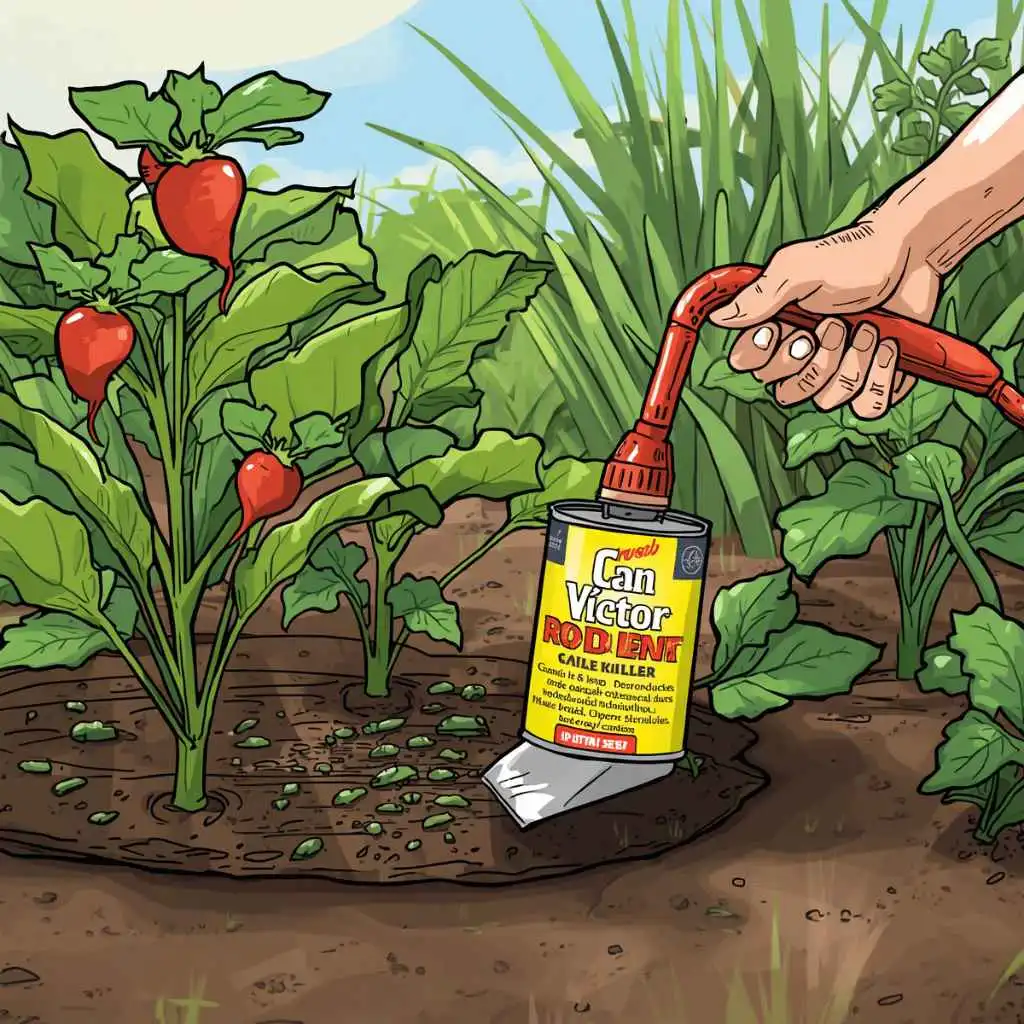
Victor rodent killer products are generally not recommended for use directly in vegetable gardens. Many contain ingredients that can be toxic to humans and pets if ingested, and residues can contaminate edible plants, posing health risks. Safer, targeted pest control methods are preferred for garden areas.
Understanding Rodent Killers and Garden Safety
Let’s break down why using typical rodent killers near your food plants can be a problem. Rodenticides are designed to kill rodents. They do this by using chemicals.
These chemicals can be very strong. They work by interfering with the rodent’s body. Some stop blood from clotting.
Others affect the nervous system. These are not good things to have in the soil where you grow food.
The main issue is contamination. When you put rodent killer down, it doesn’t just disappear. It can seep into the soil.
Rain can wash it around. It can stick to plant leaves or roots. If you eat a vegetable that has touched these chemicals, you could get sick.
This is especially true for root vegetables that grow right in the soil. Think carrots or potatoes.
Also, many rodent killers come in bait form. These baits can look like food. Small animals, pets, or even children could eat them by mistake.
This is a serious danger. We want to protect our gardens. But we must also protect our loved ones and other wildlife.

My Own Garden Scare
I remember one summer. My garden was doing great. I had big zucchini and bright red peppers.
Then I noticed tiny holes in some of the leaves. Little nibbles appeared on the base of my tomato plants. It was clear some small critter was having a feast.
My first thought was to grab the strongest bait I had.
I had a pack of rodent bait in the garage. It promised fast results. I was about to sprinkle it around the garden beds.
Then I stopped. I pictured my kids helping me pick those tomatoes. I thought about sharing those zucchini with neighbors.
Could this poison end up in their meals? A wave of dread washed over me. I quickly put the bait away.
I realized there had to be a safer way. That day, I learned the hard way about thinking before acting in the garden.
Rodenticide Risks: Key Points
Toxicity to Non-Target Animals: Many rodenticides can harm pets, birds, and beneficial insects. They are not selective.
Environmental Persistence: Some chemicals stay in the soil for a long time. This can affect future plantings.
Food Chain Contamination: If a rodent eats bait and then is eaten by a predator, the poison can move up the food chain.
Why Victor Rodent Killer Might Not Be Garden-Friendly
Victor is a well-known brand for pest control. They make many products. Some are traps.
Others are baits. The rodent killer baits often contain active ingredients like bromethalin or diphacinone. These are powerful chemicals.
Bromethalin is a neurotoxin. It affects the brain and nervous system of rodents. Even a small amount can be deadly.
Diphacinone is an anticoagulant. It stops blood from clotting. A rodent bleeds to death slowly.
Both are effective at killing rodents. But they are also dangerous if accidentally consumed by other animals or humans.
The packaging of these products usually warns against use near food areas. It will often state “Keep out of reach of children and pets.” It also likely mentions not to use it where food might be contaminated. This warning is there for a good reason.
The goal is to kill pests, not to put your family or the environment at risk.
So, while Victor makes good products for specific uses, their rodent killer baits are typically meant for enclosed spaces like attics, garages, or sheds. These are areas where they are less likely to come into contact with your edible garden.
Real-World Garden Pests: What’s Actually Eating Your Plants?
Before you reach for any kind of poison, it’s smart to know exactly what pest you’re dealing with. Not all garden damage is done by rats or mice. Many other creatures can cause trouble.
Common Garden Nibblers:
- Slugs and Snails: These leave slimy trails. They chew holes in leaves and fruit. They love damp, shady spots.
- Aphids: Tiny bugs that cluster on stems and leaves. They suck the juice from plants. They cause leaves to curl and stunt growth.
- Cabbage Worms: Green caterpillars that munch holes in leafy greens like kale and cabbage.
- Cutworms: These curl around plant stems at night. They chew them off at the soil line.
- Rabbits: They can eat stems, leaves, and even fruits. You might see them hopping around at dawn or dusk.
- Squirrels: They dig up bulbs and eat fruits and vegetables. They are very agile.
- Voles: These small rodents tunnel under the soil. They eat roots and bulbs. They can damage plant bases too.
- Deer: Larger animals that browse on leaves, flowers, and stems.
Knowing your enemy is half the battle. If you have slugs, a rodent killer won’t help. You need a specific solution for each pest.
This often leads to safer methods for a vegetable garden.
Pest Identification Checklist
Look for:
- Holes in leaves: Small or large, smooth-edged or ragged?
- Chewed stems: Are plants cut off at the base?
- Sucking damage: Are leaves yellowing or curling? Tiny bugs present?
- Tunnels or mounds: Visible in the soil?
- Slime trails: Shiny, sticky lines on leaves or soil?
- Droppings: Small, dark pellets?
Safer Alternatives for Garden Pest Control
When you’re growing food, you want methods that protect your plants without harming you or the environment. There are many effective and safe ways to handle garden pests.
Physical Barriers:
- Row Covers: Lightweight fabric covers that keep insects and small animals away from plants. They let light and water through.
- Netting: Stronger mesh to keep out birds and larger pests like rabbits.
- Fencing: Sturdier barriers around the garden to deter deer or rabbits.
- Collars: Cardboard or plastic collars around plant stems can stop cutworms.
Traps:
- Live Traps: Catch rodents or other animals without killing them. You can then release them far away.
- Sticky Traps: Effective for catching flying insects like whiteflies and aphids. Place them away from edible parts if possible.
- Slug and Snail Traps: Beer traps (a shallow dish of beer) or copper tape around garden beds work well.
Natural Predators:
- Encourage birds, frogs, toads, and beneficial insects like ladybugs and lacewings. They eat many garden pests. Plant flowers that attract them.
Organic Sprays and Baits:
- Neem Oil: Derived from the neem tree. It disrupts insect growth and feeding. It’s generally safe for use on food crops.
- Insecticidal Soap: Kills soft-bodied insects on contact. It breaks down quickly.
- Diatomaceous Earth (Food Grade): Sharp fossilized diatoms that cut the exoskeletons of crawling insects. Use food-grade only.
- Bacillus thuringiensis (Bt): A naturally occurring bacterium that targets specific types of caterpillars.
Companion Planting: Some plants can deter pests. Marigolds are often planted to repel nematodes. Basil can keep flies and mosquitoes away.
Quick Scan: Garden Pest Control Methods
| Method | What it’s good for | Safety Note |
|---|---|---|
| Row Covers | Insects, small animals | Generally very safe. |
| Live Traps | Rodents, rabbits | Humane. Release far away. |
| Neem Oil | Insects (aphids, beetles) | Follow label for food crops. |
| Slug Beer Traps | Slugs, snails | Safe for pets/wildlife if placed well. |
Understanding “Garden Safe” Labels
When you’re shopping for pest control products, look for labels that specifically say “safe for use in vegetable gardens” or “organic.” These products are formulated with ingredients that break down quickly and are less likely to leave harmful residues.
Read the label carefully. Even “organic” or “natural” products can be harmful if misused. The label will tell you:
- Which pests it targets.
- Which plants it’s safe for.
- How much to use.
- When to apply it.
- Any precautions you need to take.
For rodents specifically, if you must use a bait, consider rodent bait stations. These are secure boxes that hold the bait. They only allow rodents to access it.
This greatly reduces the risk to children, pets, and beneficial wildlife. However, even with these, you still need to be mindful of where you place them. Avoid placing them directly next to your edible plants.
The Importance of Integrated Pest Management (IPM)
Integrated Pest Management, or IPM, is a smart approach. It combines different strategies. The goal is to manage pests in a way that is good for people and the environment.
It’s not just about spraying or baiting.
IPM focuses on preventing pest problems first. This involves healthy soil and strong plants. Healthy plants are less attractive to pests.
Then, it uses a step-by-step process:
- Monitoring: Regularly check your garden for pests. Spotting a problem early makes it easier to fix.
- Identification: Know exactly what pest you have.
- Prevention: Use cultural controls like crop rotation or choosing pest-resistant varieties.
- Mechanical/Physical Controls: Use barriers, traps, or hand-picking.
- Biological Controls: Encourage natural predators.
- Chemical Controls: Use pesticides as a last resort. If you must use them, choose the least toxic option that will solve the problem.
This approach means you’re not just reacting to a pest problem. You’re actively managing your garden’s ecosystem. It’s a more sustainable way to garden.
IPM Approach: Key Steps
Observe: Walk your garden often. Look under leaves.
Identify: Use guides or ask experts.
Prevent: Healthy plants fight back.
Act: Use simple methods first.
Evaluate: Did it work? What can I do better next time?
When to Consider Professional Help
Sometimes, pest problems can become overwhelming. If you have a severe infestation or are dealing with a pest that’s hard to control, it might be time to call a professional. Look for pest control services that offer Integrated Pest Management (IPM) or organic solutions.
A professional can identify the pest accurately. They will also have access to products or methods that are not available to the average gardener. They can assess the situation in your specific yard and offer tailored advice.
When you talk to them, make sure to tell them you have a vegetable garden. Ask about their methods and what chemicals they might use. A good professional will prioritize safety for your food crops and your family.
Real-Life Scenarios: What to Do in Your Garden
Let’s imagine some common garden problems and how to handle them safely.
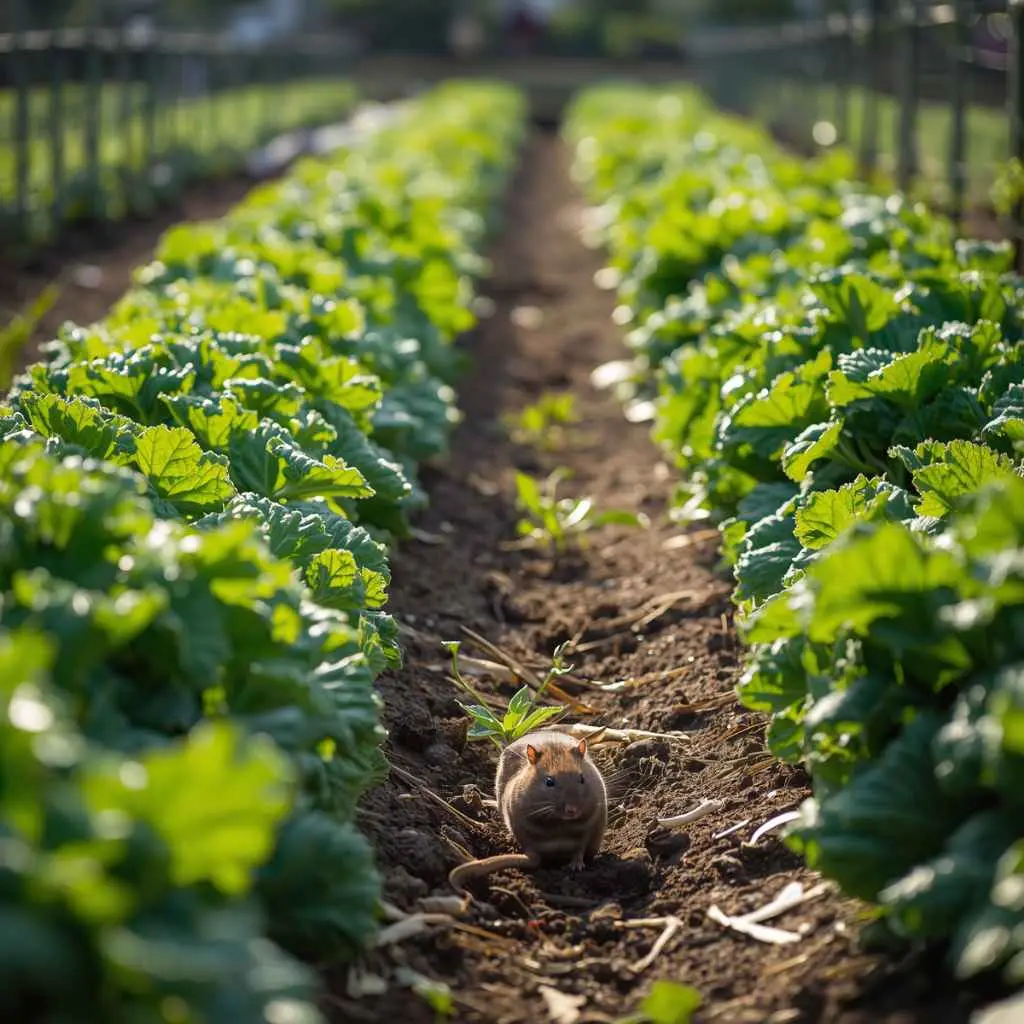
Scenario 1: You see small droppings and chewed leaves near your bean plants. You suspect mice.
Safe Action: Instead of bait, try using live traps. Place them along the garden edge, hidden near where you think they are coming from. Check them daily.
You can then release any captured mice far away from your home and garden. Consider planting strong-smelling herbs like mint or garlic around the garden’s perimeter, as some rodents dislike these scents.
Scenario 2: Your young lettuce plants are disappearing overnight. You suspect cutworms.
Safe Action: Hand-pick them! Go out at night with a flashlight and look for the caterpillars. You can also make collars for your plants.
Cut an old cardboard tube (like from toilet paper or paper towels) into rings. Push them about an inch into the soil around the base of each lettuce plant. This creates a barrier the worms can’t easily cross.
Scenario 3: You notice nibbled fruits on your strawberries and digging in the soil. It might be squirrels.
Safe Action: Physical barriers are best. You can use chicken wire or bird netting draped over hoops to create a protective dome over your strawberry patch. Make sure to secure the edges well so squirrels can’t get underneath.
For larger areas, consider installing a fence around the garden. Reflective tape or pinwheels can sometimes startle them, but it’s not a foolproof method.
Scenario Quick Guide
Problem: Suspected Mice damage
Best Bet: Live traps, natural repellents (mint, garlic).
Problem: Cutworms on seedlings
Best Bet: Hand-picking at night, cardboard collars.
Problem: Squirrels eating fruit
Best Bet: Netting, fencing, secure barriers.
What This Means For Your Vegetable Garden
The bottom line is this: caution is key when dealing with pests in your vegetable garden. The desire for quick results with strong chemicals like those found in many rodent killers is understandable. However, the risks to your health and the health of your garden are too high.
It’s normal to want to protect your hard work. Your vegetables are a source of food and pride. But the safest way to do that is by using methods that are specifically designed for edible gardens.
These methods focus on natural solutions, physical barriers, and encouraging a healthy garden ecosystem. They might take a little more effort upfront, but they ensure your harvest is safe and healthy for you and your family to enjoy.
Frequently Asked Questions
Can I use any rodent bait in my vegetable garden?
No, it is generally not recommended. Most rodent baits contain chemicals that can contaminate the soil, plants, and potentially your food. Always check product labels and opt for garden-safe pest control methods.
What is the safest way to get rid of mice in my garden?
Safer methods include using live traps to catch and relocate mice, setting up physical barriers like fencing, and encouraging natural predators such as owls or snakes. Some strong-smelling plants can also deter them.
Are organic pest control methods effective for rodents?
While organic methods focus more on prevention and deterring pests, some can be effective. Live trapping, sealing entry points into your home near the garden, and maintaining a clean garden area can significantly reduce rodent presence. Certain essential oils or plant-based repellents may also help.
How long do rodenticide residues last in soil?
The persistence of rodenticide residues varies greatly depending on the active ingredient, soil type, moisture, and microbial activity. Some can remain active for weeks or months, posing a long-term risk to garden edibles.
What if a pet eats rodent bait in the garden?
If you suspect your pet has eaten rodent bait, contact your veterinarian or an animal poison control center immediately. Time is critical, and prompt action can save your pet’s life. Keep all rodenticides securely stored and away from pets.
Are there specific rodent baits labeled as “garden safe”?
While some products might be marketed for outdoor use, “garden safe” for rodenticides is rare and often misleading. Always err on the side of caution. It’s better to use physical traps or exclusion methods in areas where you grow food.
Final Thoughts on Garden Pest Control
Protecting your vegetable garden from pests is a journey. It requires patience and smart choices. While the convenience of quick-acting rodent killers is tempting, it’s crucial to remember the health risks involved.
Focus on understanding your specific pest problem. Then, choose methods that are kind to your garden, your family, and the environment. Your healthy, delicious harvest will be worth the effort.