How A Professional Landscaper Can Support Sustainable Gardens
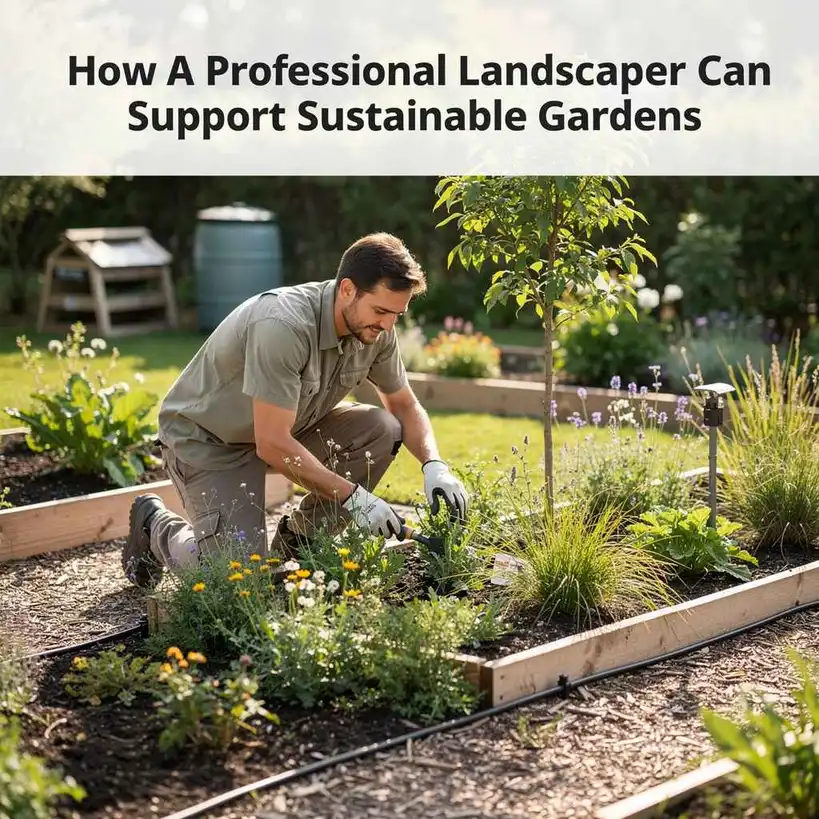
Professional landscapers offer expertise to design, build, and maintain gardens using environmentally conscious methods. They focus on water conservation, native plants, healthy soil, and reducing chemical use to create beautiful, thriving, and sustainable outdoor spaces that benefit both homeowners and the ecosystem.
Understanding What Makes a Garden Sustainable
So, what exactly does “sustainable” mean for a garden? It’s not just about planting a few flowers. A sustainable garden works with nature, not against it.
It aims to use resources wisely. This includes water, soil, and even the energy it takes to maintain it. The goal is a yard that looks good and feels good.
It’s a space that supports local wildlife and helps the environment around your home. Think about it like this: you want your garden to be healthy for a long, long time. You don’t want it to be a drain on your time or the planet’s resources.
That’s the heart of a sustainable garden.
It means choosing plants that are right for your area. This is a big one. Plants that naturally grow in your region need less water and less special care.
They also tend to resist local pests and diseases better. This reduces the need for chemical sprays. Sustainable gardens also focus on building healthy soil.
This is like giving your plants a strong foundation. Healthy soil holds water well. It also provides the nutrients plants need to grow strong and vibrant.
You’ll find fewer weeds, too, because healthy plants can crowd out the unwanted ones. It’s a positive cycle.
Water is another key player. Sustainable landscaping uses smart watering methods. This might mean collecting rainwater or using systems that deliver water directly to plant roots.
The idea is to use just enough water, and no more. Less watering saves money and conserves a precious resource. It also means less runoff, which can carry pollution into our local streams and rivers.
So, when we talk about sustainable gardening, we’re talking about a whole system. It’s about making choices that are good for your yard, good for your wallet, and good for the Earth.

My Own Journey to a Greener Yard
I remember when I first bought my home. The backyard was a blank canvas, or rather, a patchy, sad-looking lawn. I envisioned a place where I could relax, entertain, and feel connected to nature.
My first thought was to go to the local garden center and just buy pretty plants. I filled my cart with things that looked nice. Then I planted them all over.
Within weeks, half of them were wilting. The other half were attracting every aphid in the neighborhood. I felt so discouraged.
I had spent money and time, and it just wasn’t working.
One hot summer day, watching my sprinklers run for what felt like hours, a wave of guilt washed over me. Was this really sustainable? Was this good for the environment?
I started reading. I learned about native plants, drought-tolerant species, and the importance of soil health. It was a lot to take in.
I tried to implement some changes myself, but it was slow going. I’d rip out a plant, only to
It was during this time, feeling a bit lost and frustrated, that I spoke with a friend who had a truly beautiful and seemingly effortless garden. She told me about her landscaper. She explained how he had helped her understand her yard’s specific needs.
He suggested plants that were perfect for her soil and sunlight. He even helped set up a rainwater harvesting system. Seeing her garden, thriving and green with minimal intervention, was a revelation.
It showed me that this wasn’t about having a green thumb; it was about having the right knowledge and approach. That was the moment I realized the value of professional help in creating a garden that’s both beautiful and truly sustainable.
Eco-Friendly Landscaping Choices
Water-Wise Design: This involves using plants that need little water and setting up smart irrigation. Think drip lines that send water right to the roots. Rain barrels also help collect water for later use.
Native Plants: These plants are from your local area. They are already used to your climate. They need less care and support local wildlife.
Healthy Soil: Adding compost and organic matter makes soil rich. This helps plants grow strong and hold water better. It also reduces the need for chemical fertilizers.
Reduced Chemical Use: Sustainable gardens avoid harsh pesticides and herbicides. Natural pest control and healthy plants help manage problems.
How Landscapers Bring Expertise to Your Yard
Professional landscapers are trained to look at your yard in a way you might not. They see beyond just the pretty flowers. They see the soil’s health, the way water flows, and the amount of sun each spot gets throughout the day.
This knowledge is key to creating a truly sustainable garden. They understand the science behind healthy plant growth. They also know which plants will thrive in your specific climate.
This means they can pick the best options for your area. It saves you guesswork and ensures your garden looks good.
They have a deep understanding of local ecosystems. This helps them choose plants that will support beneficial insects and local birds. They know which plants are invasive and should be avoided.
They also know how to design your garden so it uses water effectively. This might involve grouping plants with similar water needs together. It could also mean creating gentle slopes that direct rainwater towards garden beds.
Their goal is to make your garden beautiful while also being kind to the environment. They aim to reduce waste, both in water and in materials.
Think of them as skilled artists with a science background. They blend aesthetics with ecological principles. They can take your ideas and make them a reality in a way that is also practical and responsible.
They know about things like permeable paving that lets water soak into the ground. They understand the benefits of mulching to keep soil moist and cool. Their expertise means they can spot potential problems before they start.
This saves you time and money in the long run. They help you build a garden that not only looks great but also functions as a healthy part of your local environment.
Designing with Nature in Mind
When a professional landscaper designs a garden, sustainability is often a core principle. It’s not an afterthought; it’s built into the plan from the start. They begin by assessing your site.
This involves looking at sunlight patterns, soil type, drainage, and wind. This careful study helps them make informed decisions. They won’t just suggest a plant because it’s pretty; they’ll suggest it because it’s suited for your exact conditions.
This is a huge difference from just picking plants at random.
They focus on creating a balanced ecosystem. This means selecting a variety of plants. This variety supports a wider range of wildlife.
They also consider the mature size of plants. This prevents overcrowding later on. Proper spacing means better air circulation.
This reduces the risk of plant diseases. The design also takes into account how people will use the space. Paths might be designed with permeable materials.
This allows rainwater to seep into the ground. It also reduces stormwater runoff.
A good design minimizes the need for excessive maintenance. Plants that are well-suited to their environment will require less pruning and less intervention. They also look at the long-term health of the garden.
This includes planning for how the garden will evolve over time. They might suggest plants that provide year-round interest. This means your garden looks good in all seasons.
They also consider how different elements will work together. This includes things like seating areas, water features, and plant groupings. The result is a harmonious and beautiful space that is also very eco-friendly.
Water Conservation Strategies
Smart Irrigation: Using timers, moisture sensors, and drip irrigation systems ensures plants get water only when needed. This greatly reduces water usage.
Rainwater Harvesting: Installing rain barrels or cisterns collects rainwater from roofs. This free water can then be used to water plants.
Drought-Tolerant Plants: Choosing plants that naturally require less water is a cornerstone of water-wise landscaping.
Mulching: A layer of organic mulch around plants helps retain soil moisture. It also suppresses weeds and regulates soil temperature.
Xeriscaping: This is a design philosophy focused on reducing or eliminating the need for supplemental water. It often involves using native and low-water plants.
Building with Healthy Soil at the Core
Soil is the foundation of any garden. A sustainable garden prioritizes building and maintaining healthy soil. Professional landscapers know that great soil is alive.
It’s full of tiny organisms that help plants thrive. They often start by testing your soil. This tells them its current condition.
It reveals its pH level, nutrient content, and drainage capabilities. Based on this, they can recommend the best ways to improve it.
A common practice is adding organic matter. This can be compost, aged manure, or other natural materials. Organic matter improves soil structure.
It helps sandy soils hold more water. It also helps clay soils drain better. This makes it easier for plant roots to grow.
Healthy soil also means fewer synthetic fertilizers. These can harm soil microbes and pollute waterways. Instead, landscapers often use slow-release organic fertilizers.
These feed the soil over time.
They might also suggest cover crops. These are plants grown specifically to improve the soil. They can prevent erosion, add nutrients, and suppress weeds.
This proactive approach to soil health is a hallmark of sustainable landscaping. It creates a resilient garden that can withstand challenges like dry spells or pest outbreaks. It’s about working with the soil’s natural abilities.
It’s about creating an environment where plants can flourish naturally. This focus on soil health is crucial for long-term garden success.
The Power of Native and Adaptive Plants
One of the most impactful ways to create a sustainable garden is by choosing the right plants. Professional landscapers are experts in this. They prioritize native plants.
These are plants that have grown in your region for thousands of years. They are perfectly adapted to your local climate, rainfall patterns, and soil types. This means they require far less water, fertilizer, and pest control once established.
Native plants also play a vital role in supporting local wildlife. Birds, bees, butterflies, and other beneficial insects rely on them for food and shelter. By planting natives, you’re not just creating a beautiful garden; you’re contributing to the local ecosystem.
You’re providing a habitat and a food source for creatures that are essential for pollination and pest control. This creates a more balanced and natural garden environment.
Beyond strictly native species, landscapers also consider adaptive plants. These are plants that are well-suited to your region, even if they aren’t technically native. They are often drought-tolerant and low-maintenance.
They can thrive without constant fuss. The key is selecting plants that will do well in your specific conditions. This reduces the need for supplemental watering and chemical treatments.
It leads to a garden that is beautiful, resilient, and truly sustainable. It’s a smart choice for both your yard and the planet.
Benefits of Native Plants
Low Maintenance: Adapted to local conditions, they need less watering, fertilizing, and pest control.
Water Conservation: Their root systems are typically deeper, making them more drought-tolerant.
Wildlife Support: Provide essential food and habitat for local birds, insects, and other animals.
Pest Resistance: Naturally equipped to handle local pests and diseases.
Soil Health: Contribute to a healthier soil structure and ecosystem.
Reducing Environmental Impact
Sustainable landscaping is all about minimizing your yard’s footprint. Professional landscapers employ several strategies to achieve this. One major area is reducing chemical use.
Many traditional yards rely on pesticides and herbicides. These can harm beneficial insects, pollute water, and pose risks to pets and people. Landscapers promote natural pest management.
This includes encouraging predators of pests and using plant choices that are naturally resistant.
They also focus on smart material choices. This might mean using locally sourced materials for hardscaping, like patios or pathways. It can also involve selecting recycled or reclaimed materials.
For instance, using recycled plastic lumber for garden edging or compost made from local yard waste. They aim to reduce waste during the construction phase. They also plan for the garden’s long-term sustainability, reducing the need for frequent replacements.
Another important aspect is reducing energy consumption. This means designing gardens that require less mowing, less blowing, and less trimming. It also involves considering the embodied energy in materials.
Choosing materials that are produced and transported locally can significantly reduce their environmental impact. By making these thoughtful choices, landscapers help create yards that are not only beautiful but also actively benefit the environment.
Quick Scan: Landscaping Practices
| Practice | Sustainable Benefit | Landscaper Role |
| Native Planting | Less Water/Care, Wildlife Support | Selection & Design |
| Water Management | Conserves Water, Reduces Runoff | Irrigation Systems, Grading |
| Organic Soil Care | Healthier Plants, Less Pollution | Composting, Soil Amendments |
| Reduced Chemical Use | Protects Wildlife, Water Quality | Integrated Pest Management |
| Permeable Surfaces | Reduces Runoff, Recharges Groundwater | Material Selection, Installation |
Real-World Scenarios and Solutions
Let’s look at some common yard problems and how a sustainable landscaper might tackle them. Imagine you have a yard that is constantly dry, even with frequent watering. A landscaper would first look at your soil.
Is it compacted? Does it lack organic matter? They might suggest aerating the soil and adding a good layer of compost.
They would also assess your plant choices. Are you trying to grow thirsty plants in a naturally dry spot? They would recommend drought-tolerant and native plants that are suited for your area.
Perhaps they’d install a drip irrigation system that delivers water directly to the plant roots, minimizing evaporation.
Another scenario: your garden is a magnet for pests like aphids or slugs. Instead of reaching for a spray bottle, a sustainable landscaper would look at the bigger picture. Are there enough beneficial insects in your yard, like ladybugs or lacewings, that prey on pests?
They might suggest planting flowers that attract these helpful creatures. They might also advise on proper plant spacing and air circulation to prevent fungal diseases. Sometimes, a healthy plant in the right conditions is its own best defense against pests.
They could also suggest natural deterrents, like companion planting or diatomaceous earth.
What about a yard that experiences a lot of water runoff? After heavy rains, water pools in certain areas or rushes down the driveway. A landscaper would analyze the slope of your land.
They might suggest creating rain gardens. These are shallow depressions planted with water-loving native plants that absorb and filter stormwater. They could also recommend permeable paving for patios or walkways.
This allows water to soak into the ground instead of running off. They might also use swales, which are gentle ditches that slow down water flow and let it seep into the soil.
Scenario Snapshot: Water Runoff
The Problem: Heavy rains cause water to pool on the patio and flow down the driveway, taking soil and pollutants with it.
Landscaper’s Analysis: Assesses slope, soil permeability, and existing drainage patterns.
Sustainable Solution:
- Install a rain garden in a low-lying area.
- Use permeable pavers for the patio instead of solid concrete.
- Incorporate native, deep-rooted plants to help absorb water.
- Create gentle slopes to guide water towards designated absorption areas.
The Outcome: Reduced runoff, improved groundwater recharge, a healthier landscape.
When Your Garden is “Normal” vs. “Concerning”
It’s important to know when your garden’s behavior is typical for its environment and when something might be wrong. In a sustainable garden, a few dead leaves or a minor pest issue here and there is often normal. It means the ecosystem is active.
For example, a few nibbled leaves on a plant might mean beneficial insects are present, or the plant is just growing vigorously. Dry patches in the soil during a very hot, dry spell, even with watering, can also be normal if the watering isn’t perfectly optimized for extreme heat.
However, some signs indicate a problem that needs attention. If plants are consistently wilting, yellowing, or showing widespread signs of disease or pest infestation, it’s concerning. This could mean the plants aren’t suited for the location, the soil needs significant improvement, or there’s a more serious pest or disease issue that needs management.
Another concerning sign is excessive water runoff that leads to erosion or flooding. This suggests the drainage and design aren’t working effectively, which can damage your property and pollute local waterways.
Sudden, widespread plant death is also a major red flag. This could be due to root rot from overwatering, a serious soil-borne disease, or even external factors like nearby construction or chemical spills. If you notice large areas of bare soil that are prone to erosion, or if your water bill spikes unexpectedly due to inefficient watering, these are also points to investigate.
A professional landscaper can help you distinguish between normal garden fluctuations and genuine issues that need addressing to maintain the garden’s health and sustainability.
Observational Flow: Garden Health Check
Step 1: Visual Scan: Look for vibrant green leaves, healthy blooms, and good plant structure. Are plants growing as expected?
Step 2: Soil Check: Feel the soil. Is it moist but not waterlogged? Does it crumble easily when healthy, or is it hard and compacted?
Step 3: Pest & Disease Patrol: Inspect leaves and stems for signs of damage. Are there beneficial insects present?
Step 4: Water Behavior: Observe how water drains after rain. Does it pool, or does it soak in?
Step 5: Overall Vigor: Does the garden look alive and thriving? Are birds and pollinators visiting?
Simple Checks You Can Do
You don’t need to be a professional to do some basic checks on your garden’s health and sustainability. Start with a simple soil test. You can buy kits at garden centers, or many local cooperative extensions offer more detailed testing.
This will tell you about pH and nutrient levels. You can also do a simple drainage test. Dig a hole about a foot deep and fill it with water.
If it drains within a few hours, your drainage is likely good. If it stays full for more than 24 hours, you have a drainage issue.
Observe your watering habits. Are you watering deeply and less often, or shallowly every day? Deep watering encourages stronger root growth.
Check your sprinklers or drip lines. Are they working efficiently? Are they watering the plants or the pavement?
Look at your plants closely. Are there signs of wilting? Does the color look off?
Are there spots or holes on the leaves?
Keep an eye on your water bill. A sudden increase might point to a leaky hose, a faulty sprinkler system, or simply overwatering. Also, consider the biodiversity in your yard.
Are you seeing a variety of birds, bees, and butterflies? A lack of wildlife can be a sign that the habitat isn’t as healthy as it could be. These simple observations can give you valuable insights into your garden’s sustainability and health.
DIY Garden Health Checks
Soil Moisture Test: Stick your finger about two inches into the soil. If it feels dry, it’s time to water. If it feels moist, hold off.
Drainage Spot Check: After watering or rain, see how long it takes for standing water to disappear from the surface.
Plant Health Observation: Look for any unusual spots, discoloration, or wilting that doesn’t recover quickly.
Wildlife Watch: Take a moment to notice what insects and birds are visiting your yard. A bustling yard is usually a healthy one.
Water Usage Review: Compare your water bills over time. Look for unusual spikes that might indicate a problem.
Quick Tips for a More Sustainable Yard
Even without hiring a professional, you can make your yard more sustainable. Start by choosing native or drought-tolerant plants whenever you can. Visit local nurseries that specialize in regional plants.
Use mulch generously around your plants. This helps retain moisture, suppress weeds, and enrich the soil as it breaks down. Consider installing a rain barrel to collect water for your garden.
This is a simple and effective way to reduce your reliance on municipal water.
Reduce or eliminate the use of chemical fertilizers and pesticides. Healthy soil and the right plant choices often make these unnecessary. If you have a lawn, consider mowing higher.
Taller grass shades the soil, helping it retain moisture and reducing weed growth. Leave grass clippings on the lawn; they return nutrients to the soil. Compost your kitchen scraps and yard waste.
This creates a free, nutrient-rich soil amendment. Finally, embrace a little imperfection. A perfectly manicured lawn isn’t always the most sustainable or wildlife-friendly option.

Frequently Asked Questions About Sustainable Landscaping
What is the most important factor in sustainable landscaping?
The most important factor is often considered to be water conservation. This includes choosing drought-tolerant plants, using efficient irrigation, and designing the landscape to capture and utilize rainwater effectively.
Are native plants always the best choice for a sustainable garden?
Native plants are usually the best choice because they are adapted to local conditions. However, well-adapted, low-maintenance, and drought-tolerant non-native plants can also be part of a sustainable landscape if chosen carefully.
How much does sustainable landscaping cost compared to traditional landscaping?
Initial costs can sometimes be higher due to specialized materials or design. However, sustainable landscaping often leads to lower long-term costs. This is due to reduced water bills, less need for chemicals and fertilizers, and lower maintenance requirements.
Can I make my existing lawn more sustainable?
Yes, you can. Consider mowing higher, reducing the use of fertilizers and pesticides, watering deeply but less often, and possibly overseeding with native grasses or groundcovers that require less water and maintenance.
What is a rain garden and how does it help sustainability?
A rain garden is a shallow depression planted with native plants. It is designed to capture stormwater runoff from roofs, driveways, or lawns. It allows water to soak into the ground, filtering pollutants and reducing the amount of water that flows into storm drains and waterways.
How do landscapers ensure the soil remains healthy?
Landscapers focus on building soil health through practices like adding compost and organic matter, minimizing soil compaction, avoiding harsh chemicals, and using cover crops. Healthy soil supports stronger plant growth and better water retention.
The Long-Term Value of a Sustainable Yard
Creating a sustainable garden is more than just a trend; it’s a smart investment. It’s about building a beautiful outdoor space that works in harmony with nature. Professional landscapers bring the knowledge and experience to make this happen.
They help you save water, reduce waste, and support local wildlife. Your yard becomes a healthier, more resilient place. It’s a place that offers beauty and tranquility for years to come.
It also contributes positively to your local environment. It’s a win-win situation for you and the planet.