
It’s easy to look at the vast forests across America and think they’ve always been this way. But the truth is far more complex. For generations, humans have actively shaped these natural spaces.
For the broader gardening context, How To Get To Hong Kong Zoological And Botanical Gardens gives readers a useful next step on the same topic.
This has changed not just the look of our country, but also how nature works here. We’re going to dive deep into this story. You’ll understand why our forests appear as they do today.
We’ll cover the historical reasons and what it means for us now.
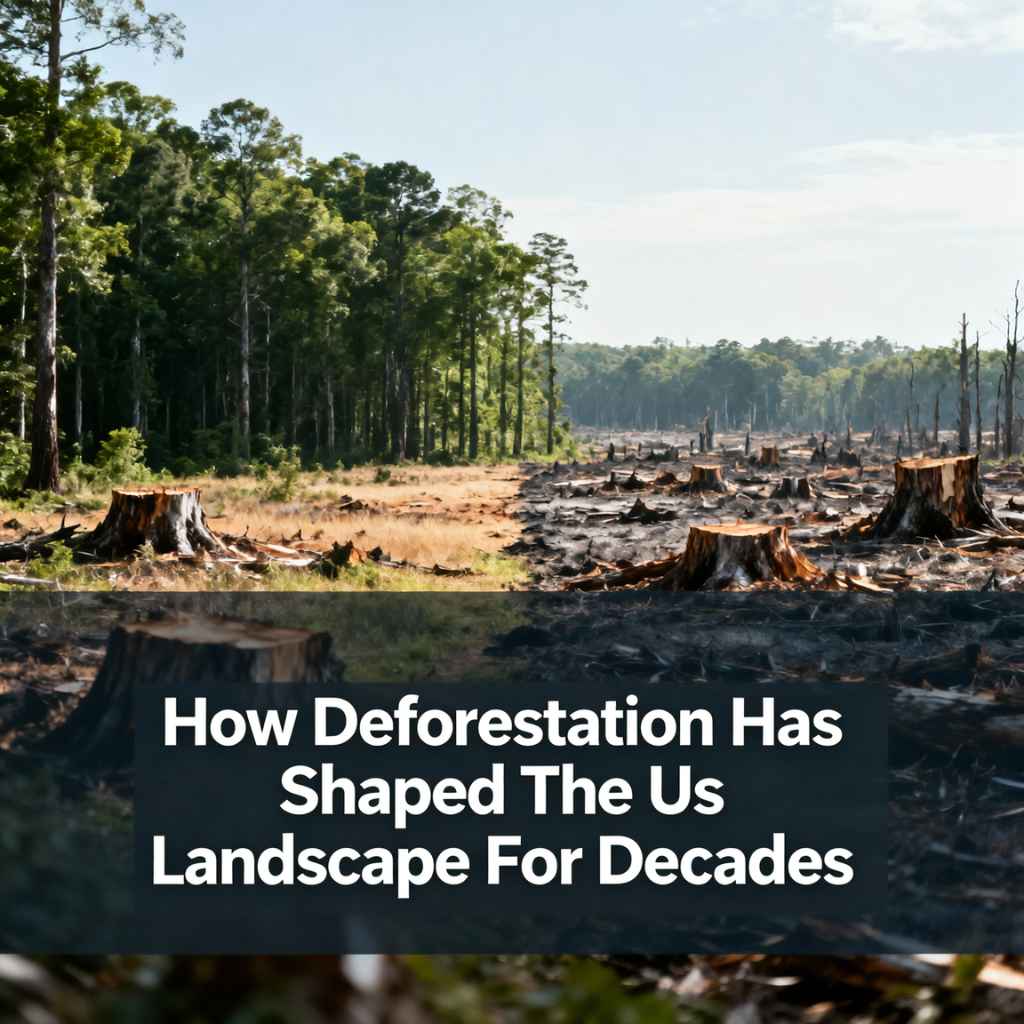
Understanding how deforestation has shaped the US landscape is crucial. It impacts wildlife, water, and even the air we breathe. This guide explains the long history of forest clearing in America, its lasting effects on ecosystems, and the ongoing efforts to manage our woodlands.
The Great Clearing: A Historical View
Imagine the United States when European settlers first arrived. Dense, ancient forests covered huge parts of the land. These forests were vital.
They provided homes for countless animals and plants. They also played a big role in keeping water clean and the air fresh. Early colonists saw these trees differently.
They saw them as resources to be used. Wood was needed for homes, for ships, and for fuel. This marked the beginning of a long journey of forest clearing.
This process wasn’t a single event. It happened over centuries. As people moved west, they cleared more land.
Farming was a big reason. New settlers needed fields to grow food. They cut down trees to make space for crops.
Industries also played a part. Logging companies grew. They harvested trees for timber.
This timber built towns and powered factories. Railroads expanded, making it easier to move logs from deep in the forests. Each wave of settlement and industry meant more trees came down.
Think about the early days of America. The need for resources was immense. Building a nation from scratch required vast amounts of wood.
From log cabins to wooden ships, trees were everywhere. The eastern forests bore the first major impact. As the country grew, so did the demand for lumber.
This continued as the nation expanded westward.
Why Did So Many Trees Come Down?
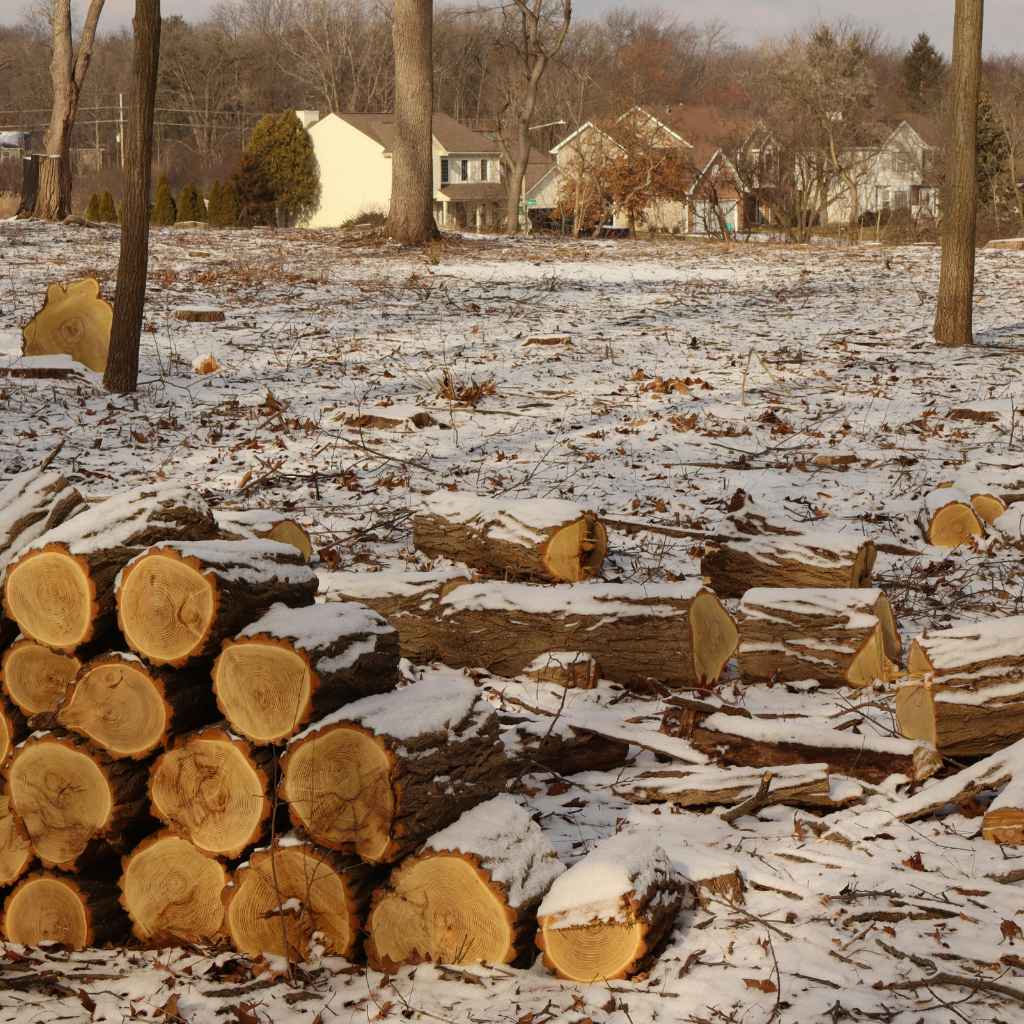
There were several main reasons for cutting down so many trees. Each reason was tied to how people lived and what they needed. The drive for growth and resources was powerful.
Farming and Agriculture: This was a huge factor. When settlers arrived, they needed land to farm. They cleared forests to plant crops.
This provided food for their families and for trade. As the population grew, so did the need for more farmland. This led to widespread clearing, especially in the East and Midwest.
Many of these farms were later abandoned. This is because the soil wore out or farming became harder. Yet, the forests they replaced took a very long time to regrow, if they did at all.
Timber for Building and Industry: Wood was the building material of choice for centuries. Homes, barns, fences, and tools were all made of wood. Later, wood was used for furniture and factories.
The growth of cities and towns demanded a constant supply of lumber. Logging became a major industry in many regions. Areas like the Northeast and the Great Lakes states saw massive timber harvests.
Fuel and Energy: Before coal and oil became common, wood was a primary fuel source. People burned wood for heat in their homes. Industries like iron smelting also used huge amounts of charcoal, made from wood.
This heavy demand put immense pressure on nearby forests. Coastal areas and regions near growing towns were often heavily logged for fuel.
Expansion and Development: As the country expanded west, forests were often seen as obstacles. Clearing land made way for railroads, roads, and settlements. The idea was to tame the wild and make it useful for people.
This expansion often happened rapidly. It didn’t always consider the long-term effects on the land.
Railroads and Transportation: The building of railroads was a double-edged sword for forests. Railroads opened up vast new areas to logging. Logs could be transported much further and faster.
At the same time, railroads themselves required enormous amounts of wood. Wood was used for the tracks (ties) and for fuel for the steam engines.
The Impact on the Land: What We Saw
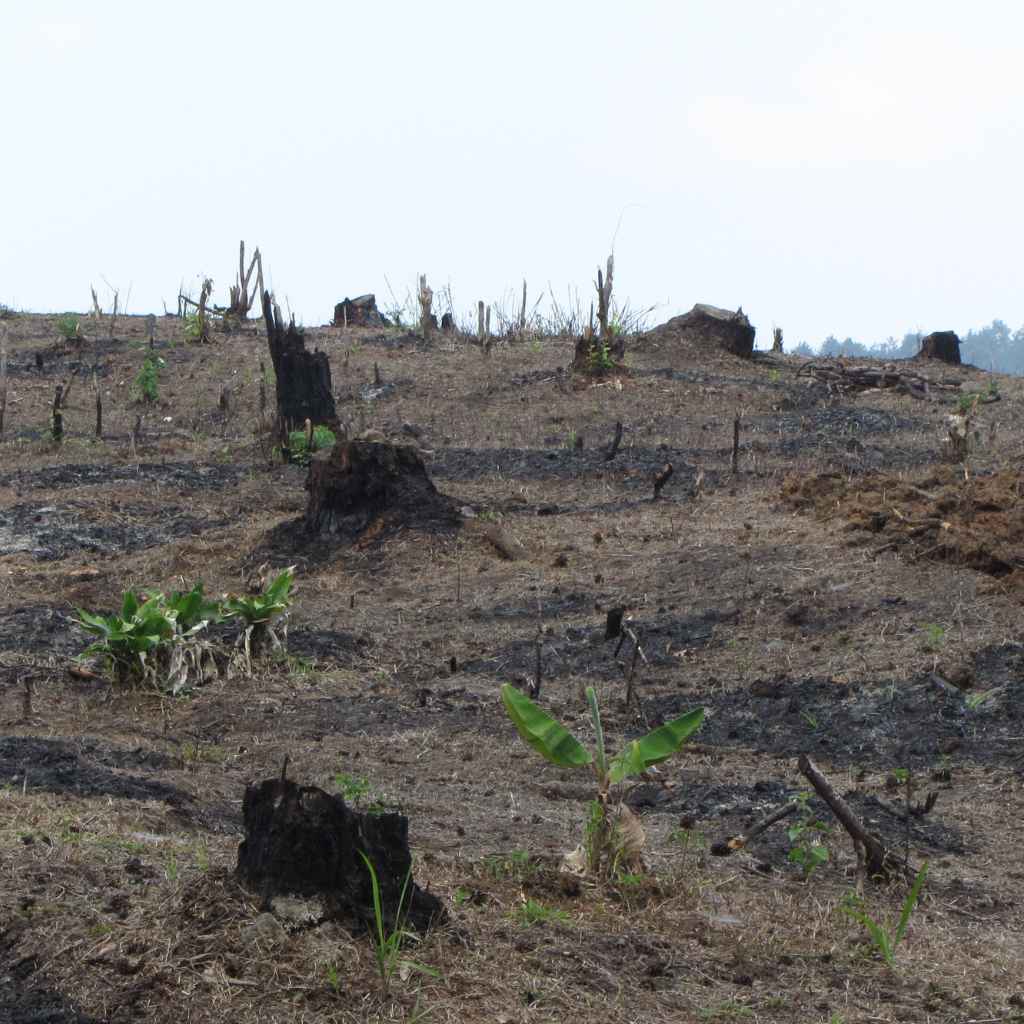
When vast areas of forest are cleared, the land changes. It’s not just about fewer trees. Many other things are affected.
These changes can be seen and felt in the environment.
Soil Erosion: Tree roots hold soil in place. Without trees, the soil becomes loose. Rain and wind can then wash or blow it away easily.
This is called soil erosion. It can lead to poorer land quality for farming. It can also make rivers and streams muddy.
This is bad for the fish and other life in the water.
Water Cycle Changes: Forests act like sponges. They absorb rainwater and release it slowly. This helps keep rivers flowing steadily.
When forests are removed, rain runs off the land faster. This can cause floods in wet times. It can also lead to less water in streams during dry times.
The quality of the water can also suffer due to increased sediment.
Loss of Habitat: Forests are homes to countless species of plants and animals. When forests disappear, these animals lose their homes. They lose their food sources.
Many species struggle to survive. Some may even become extinct. This reduces the overall biodiversity of an area.
Biodiversity means having many different kinds of life.
Climate Effects: Trees absorb carbon dioxide from the air. This helps regulate the climate. When trees are cut down, less carbon dioxide is absorbed.
Also, if the wood is burned, it releases stored carbon back into the atmosphere. This can contribute to changes in global climate patterns. Local temperatures can also change without the shade and cooling effect of trees.
Changes in Local Weather: Large-scale deforestation can alter local weather patterns. Forests release water vapor into the air through a process called transpiration. This contributes to cloud formation and rainfall.
Removing forests can lead to drier conditions in the surrounding areas.
Forest Cover in the US: A Quick Look
Early 1800s: About 80% of the U.S. was forested.
Early 1900s: Forest cover dropped to around 30%.
Today: It’s back up to about 34%, but the forests are different.
My Own Encounter with Forest Change
I remember visiting my grandparents’ farm in Wisconsin years ago. It was a place where rolling hills met patches of woods. My grandpa would tell stories about his childhood.
He’d talk about how the land used to be different. He said the big woods were much larger then. He remembered seeing deer everywhere.
But he also talked about the hard work his own father and grandfather did. They cleared much of the land for fields. He showed me a rocky pasture near the house.
He said that used to be a dense forest. You could still see old stumps hidden in the grass. It made me realize that the landscape wasn’t static.
It was shaped by decisions people made over time. I felt a strange mix of awe at nature’s resilience and a touch of sadness for what was lost. The air even felt different there, more open and exposed compared to a dense forest.
Shifting Landscapes: From Forests to Farms and Back
The story of deforestation in the US is not just one of clearing. It’s also a story of changing land use. What was once forest became farms.
Then, some of those farms stopped being farmed. This created new opportunities for forests to return, albeit in a different form.
The Dust Bowl Era: In the Great Plains, farming practices in the early 20th century were particularly harsh on the land. Farmers plowed up millions of acres of prairie grassland. This grass had deep roots that held the soil.
When the rains stopped and the wind picked up, the soil blew away in massive storms. This era showed the extreme consequences of removing natural ground cover without proper methods. It was a harsh lesson in the importance of soil health.
Abandonment and Reforestation: After the Dust Bowl, and also due to economic changes and less profitable farming in some regions, many farms were abandoned. This was especially true in the Northeast and the Appalachians. As people moved to cities for work, the fields were left untended.
Nature began to reclaim the land. Young trees started to grow. Over many decades, these areas slowly began to look like forests again.
However, these are often younger forests. They may lack the biodiversity and structure of the old-growth forests that were cleared.
Modern Forestry and Land Management: Today, we have a more complex understanding of forests. Forestry has become a science. We try to manage forests for timber, but also for wildlife, clean water, and recreation.
Conservation efforts aim to protect remaining old-growth forests. Reforestation projects work to plant new trees in areas that were cleared. Still, challenges remain.
The demand for wood products continues. Urban sprawl can also lead to forest clearing.
Myths vs. Realities of Forest Regrowth
Myth: All forests that grow back are the same as the original ones.
Reality: New forests often have different tree species, less complex structures, and lower biodiversity than old-growth forests.
Myth: Once a forest is gone, it’s gone forever.
Reality: With time and careful management, many areas can support forest ecosystems again, though they may differ from the original.
What Does This Mean For Us Today?
The history of deforestation in the US is still relevant. It affects the country we live in now. Understanding this past helps us make better choices for the future.
Water Quality and Availability: Many of our drinking water sources come from forests. Healthy forests help filter water and regulate its flow. Areas that have experienced heavy logging or lack of forest cover may face issues with water quality.
They might also face water shortages during dry spells. The practices used in managing our current forests directly impact this.
Wildlife and Biodiversity: As mentioned, habitat loss is a major issue. Many species that were once common are now endangered. Efforts to conserve forests are crucial for protecting these animals.
It’s also about keeping our ecosystems healthy and balanced. The interconnectedness of life means that losing one species can affect many others.
Climate Change Resilience: Forests play a key role in combating climate change. They store carbon. They also help regulate local and regional climates.
Protecting existing forests and planting new ones can help reduce the impact of climate change. It also makes our communities more resilient to extreme weather events.
Recreation and Well-being: Forests offer places for hiking, camping, and enjoying nature. They provide mental and physical health benefits. The scenic beauty of forested landscapes is also a major draw for tourism.
Preserving these areas is important for our quality of life.
Economic Impact: While logging and wood products are important industries, they must be managed sustainably. This means harvesting in a way that allows forests to regenerate. It also means considering the other benefits forests provide, like clean water and recreation, which also have economic value.
When is Forest Clearing a Concern?
While regrowth is happening in some areas, not all forest clearing is a good thing. It’s important to know the difference.
Normal Regrowth: In many parts of the US, especially the East, forests are slowly returning to areas that were once farms or were heavily logged. This is a natural process. It helps restore ecological functions over time.
These forests might look different, but they are still valuable ecosystems.
Concerning Clearing: Large-scale clearing for short-term gain, like rapid development or unsustainable logging, can be very damaging. This is especially true if it’s happening in sensitive areas. Areas with rare species or critical water sources need careful protection.
When forest cover is removed too quickly without plans for regrowth or conservation, it causes significant harm.
Simple Checks: Look at the age and type of trees. Are they mostly young, fast-growing trees? Or are there signs of older, more diverse growth?
Are there signs of erosion where trees used to be? Are local streams muddy? These can be indicators of recent or ongoing negative impacts from land clearing.
Quick Tips for Supporting Forests
There are many ways people can help protect and restore forests.
- Support Sustainable Forestry: Look for wood products that are certified by organizations like the Forest Stewardship Council (FSC). This means they come from responsibly managed forests.
- Reduce, Reuse, Recycle: Using less paper and wood products means less demand for new timber.
- Plant Trees: Participate in local tree-planting events or plant trees on your own property if you have the space.
- Educate Yourself and Others: Learn more about local forest ecosystems. Share this knowledge with friends and family.
- Support Conservation Groups: Many organizations work to protect forests. Donating or volunteering can make a difference.
- Be Mindful of Wildfire Risk: In dry areas, preventing human-caused wildfires is crucial for protecting forests.
Forest Management Today: A Balancing Act
Goal: To provide wood products and resources while keeping forests healthy for wildlife, water, and recreation.
Methods: Sustainable logging, reforestation, fire management, and protecting sensitive areas.
Challenges: Climate change, invasive species, and balancing human needs with ecological needs.
Frequently Asked Questions About US Forests
Has all deforestation in the US stopped?
No, deforestation has not completely stopped. While large-scale clearing for agriculture has decreased in many areas, forests are still being cleared for development, resource extraction, and sometimes for new agricultural land. However, the rate of clearing has slowed significantly compared to past centuries.
In some regions, reforestation efforts have actually increased forest cover.
Are US forests growing back stronger than before?
In many areas, forests are regrowing, but they are often different from the original forests. They may be dominated by fewer species and have a simpler structure. While they provide important ecological benefits, they may not have the same resilience or biodiversity as old-growth forests.
So, “stronger” depends on what measure you use.
What is the biggest threat to US forests today?
Climate change is a major threat. It leads to more intense wildfires, increased insect outbreaks, and stress from changing weather patterns. Invasive species also pose a significant risk, as do disease and continued habitat fragmentation from development.
How long does it take for a forest to grow back after being cleared?
It can take many decades to centuries for a forest to fully mature and regain the complexity of an old-growth forest. A young forest can establish itself within 20-50 years, providing many forest functions. However, developing the rich biodiversity and soil structure of ancient forests takes much longer.
What role do national parks and forests play in this story?
National parks and national forests are crucial for conserving large areas of forest land. National parks are primarily for preservation, protecting ecosystems and biodiversity. National forests are managed for a variety of uses, including timber harvesting, recreation, and watershed protection, often with a focus on sustainable practices.
Can planting just a few trees really make a difference?
Yes, every tree planted makes a difference! While large-scale reforestation projects are essential, individual actions add up. Planting trees helps with air quality, provides habitat for small creatures, and contributes to a healthier local environment.
It’s a tangible way to help counteract some of the historical impacts of deforestation.
The Lasting Imprint of Our Forests
The forests of the United States have a deep and complex history. They’ve been shaped by human hands for centuries. From the vast, old-growth stands to the recovering woodlands of today, each forest tells a story.
Understanding this past helps us appreciate our current landscapes. It also shows us the importance of mindful stewardship. Our actions today will shape these vital ecosystems for generations to come.