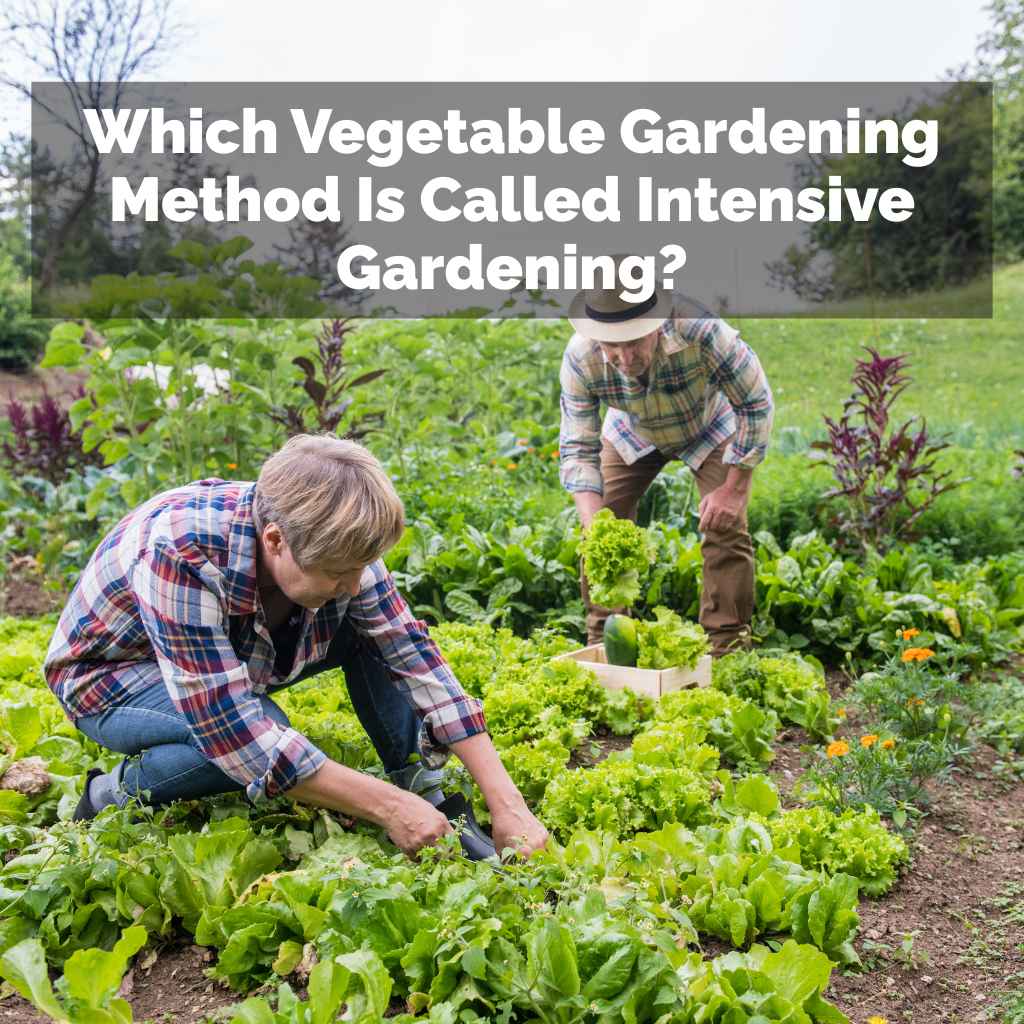

Intensive vegetable gardening is a method that focuses on growing the most food possible in the smallest amount of space. It uses techniques to boost soil health, plant closely, and harvest often. This approach maximizes your garden’s output.
What Is Intensive Vegetable Gardening?
Intensive gardening is all about getting the most from your land. Think of it as making every inch of your garden count. It’s not just about packing plants close together.
It’s a whole system designed for high yield. You work the soil a lot to make it super rich.
This method uses smart ways to plant. You grow lots of different things. And you often harvest them.
This means you’re always getting something fresh. It’s a way to grow more food in less space than you might think is possible.
Why Use Intensive Gardening Methods?
The main reason people choose intensive methods is space. Many homes today have smaller yards. Or maybe you only have a balcony or a patio.
Intensive gardening lets you grow a surprising amount of food even with these limits.
It’s also about getting more food from your effort. By making your soil really healthy, your plants grow better. They produce more.
You also use fewer resources like water because you’re managing the space well. It makes your gardening time more fruitful.
The Core Principles of Intensive Gardening
Intensive gardening works on a few key ideas. These principles help make it so effective. Understanding them is the first step to success.
They are what make this method different from just planting a few seeds randomly.
Soil Health is Everything. This is the most important part. You focus a lot on feeding your soil. Good soil means healthy plants.
Healthy plants give you big harvests. You add compost and other good stuff all the time.
Close Planting. Instead of wide rows, plants are often put closer together. This is done in a smart way. It means less bare soil is exposed.
It also means fewer weeds can grow. Plants can even help support each other.
Succession Planting. This means planting things one after another. You don’t plant everything at once. As one crop finishes, you plant something else.
This keeps your garden producing all season long. It’s like a continuous harvest.
Crop Rotation. You don’t plant the same thing in the same spot every year. You move crops around. This helps prevent diseases.
It also keeps the soil from getting tired of one type of plant.
Vertical Gardening. Using trellises and stakes helps plants grow up. This saves ground space. Think of cucumbers or beans climbing high.
It makes great use of the air above your garden beds.
My First Encounter with Intensive Gardening
I remember looking at my tiny city backyard. It was maybe 15 by 20 feet. I dreamed of fresh tomatoes and crisp lettuce.
But I felt so discouraged. It seemed impossible. I tried planting a few things in pots.
They did okay, but it wasn’t much.
Then I read about intensive gardening. It sounded almost too good to be true. Growing a lot in a small space?
I was skeptical. I decided to try it. I built some raised beds.
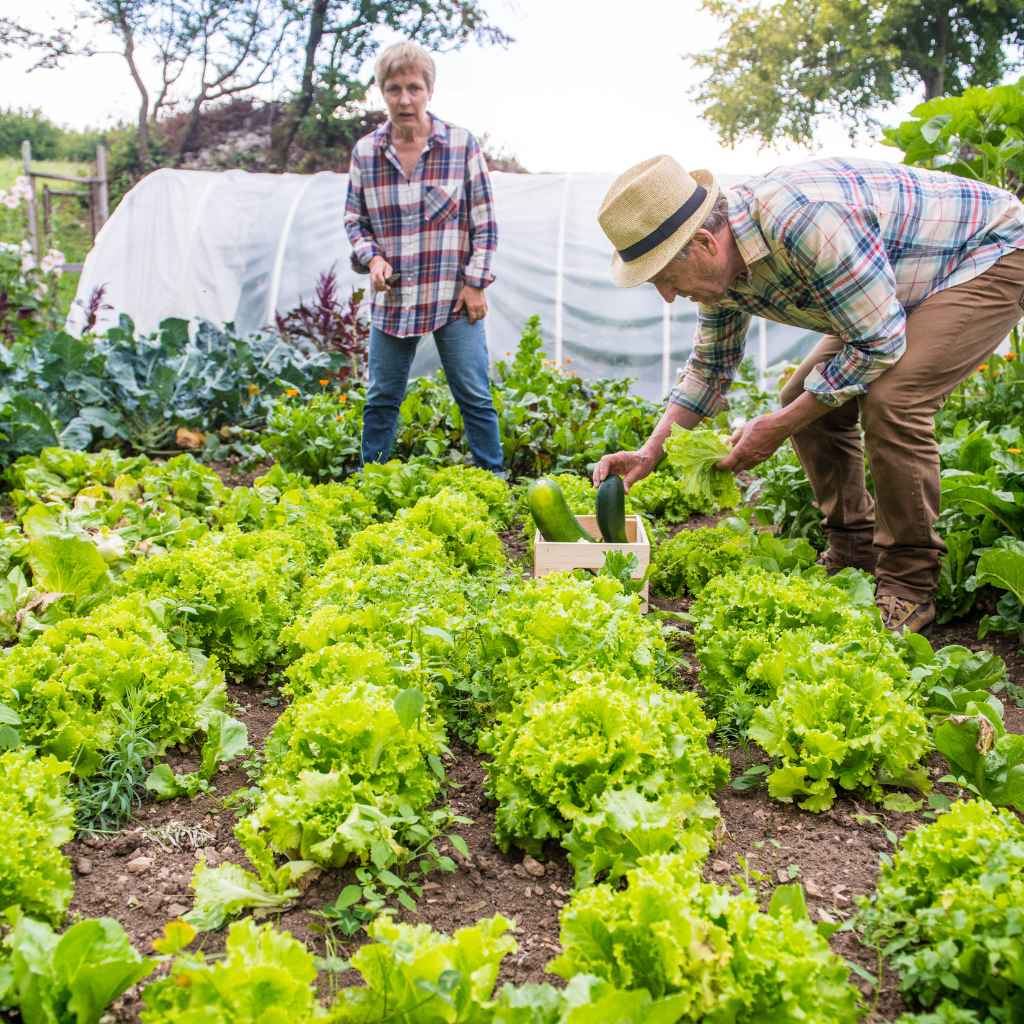
I filled them with the best compost I could find. I planted my lettuce heads closer than the seed packet said.
What happened next blew me away. The lettuce grew so fast! The leaves were big and vibrant.
I was harvesting salads almost every day. It was a game-changer. That small patch of ground suddenly felt like a miniature farm.
I learned that smart planning makes a huge difference.
Soil Building Blocks
Compost is King. This is decomposed organic matter. It adds nutrients and improves soil structure. Think of it as food for your soil.
It helps soil hold water too.
Aged Manure. Well-rotted animal manure is a great fertilizer. It adds nitrogen and other good things. Make sure it’s aged, or it can burn your plants.
Cover Crops. Plants like clover or rye are grown. Then they are tilled back into the soil. This adds organic matter and nutrients.
It also helps prevent erosion.
The Importance of Healthy Soil
In intensive gardening, the soil is truly the star. Think of your soil as a living thing. It’s full of tiny creatures that help your plants grow.
When you feed your soil well, your plants thrive. They become stronger and more productive.
Good soil has a nice, crumbly texture. It drains well but also holds moisture. This is important because plants need water.
But they don’t want to sit in soggy ground. Healthy soil also has lots of air pockets. This helps plant roots breathe.
You build this healthy soil over time. It’s not a one-time thing. You add compost regularly.
You might use other organic materials too. This constant feeding creates a rich environment for your vegetables.
Close Planting Techniques
This is where intensive gardening looks different. Instead of wide-open rows, plants are often set in grids or blocks. This is called “close planting” or “square foot gardening.” The idea is that the plants’ leaves will eventually cover most of the soil surface.
When plants are close, they create their own mulch. Their leaves shade the ground. This keeps moisture in.
It also stops weed seeds from sprouting. Weeds need sunlight to grow. Less sun on the soil means fewer weeds for you to pull.
Each plant still needs enough space to grow. But the spaces between them are smaller. This means you can fit more plants in the same area.
It’s a smart way to use every bit of space. It also encourages plants to grow a bit taller.
Mastering Succession Planting
Succession planting is like having a continuous harvest. You plant a crop, harvest it, and then plant something new. This keeps your garden busy.
It keeps producing food all season long.
For example, you might plant lettuce in early spring. As it’s harvested, you can plant beans. Once the beans are done, you might put in fall spinach.
This way, you’re always using that space. You’re not letting it sit empty.
You can do this with many vegetables. Fast-growing crops are perfect for this. Radishes, spinach, and some types of lettuce are good choices.
Even tomatoes can be part of a succession plan if you pick early-maturing varieties. It’s about planning ahead.
Quick Succession Planting Ideas
- Spring: Radishes, Spinach, Peas
- Early Summer: Bush Beans, Carrots, Beets
- Late Summer: Fall Broccoli, Kale, Swiss Chard
- Fall: Garlic, Winter Radishes, More Spinach
This is just an example. Your climate will affect timing.
The Role of Crop Rotation
Planting the same crop in the same spot year after year can cause problems. Pests and diseases that like that specific plant can build up in the soil. They wait for their favorite meal to return.
Also, some plants use up certain nutrients more than others.
Crop rotation breaks this cycle. You move different plant families to different areas each year. For instance, you might grow tomatoes one year.
The next year, you’d plant something else there, like beans or carrots. Then maybe leafy greens the year after.
This helps keep pests and diseases in check. It also helps balance the nutrients in the soil. Some plants add nitrogen to the soil.
Others take a lot out. Rotating them helps maintain soil fertility. It’s a key part of long-term garden health.
Leveraging Vertical Space
When you’re short on ground space, you look up! Vertical gardening uses structures like trellises, stakes, cages, and even wall-mounted planters. This lets plants grow upwards instead of outwards.
Think of vining plants like cucumbers, pole beans, and some types of squash. These are perfect for vertical growing. They can climb high.
This frees up the ground below them for other, smaller plants. Or it creates a beautiful green wall.
This method is not just about saving space. It can also help keep your plants healthier. Good air circulation around the plant reduces disease.
Fruits hanging on a trellis are less likely to rot on the damp ground. It makes harvesting easier too.
Vertical Garden Helpers
Trellises: Simple frames or nets for climbing plants.
Cages: Often used for tomatoes to keep them upright.
Arches: Allow plants to grow over pathways.
Wall Planters: For smaller herbs or strawberries.
Real-World Intensive Gardening Scenarios
Intensive gardening is highly adaptable. It works in many different settings. You see it in small city lots, large farms, and even on rooftops.
The core idea of maximizing yield in limited space is universal.
Urban Gardens: This is where it truly shines. Many city dwellers have small backyards or just patios. Intensive methods allow them to grow a surprising amount of fresh produce.
Raised beds are very popular here. They offer control over soil quality.
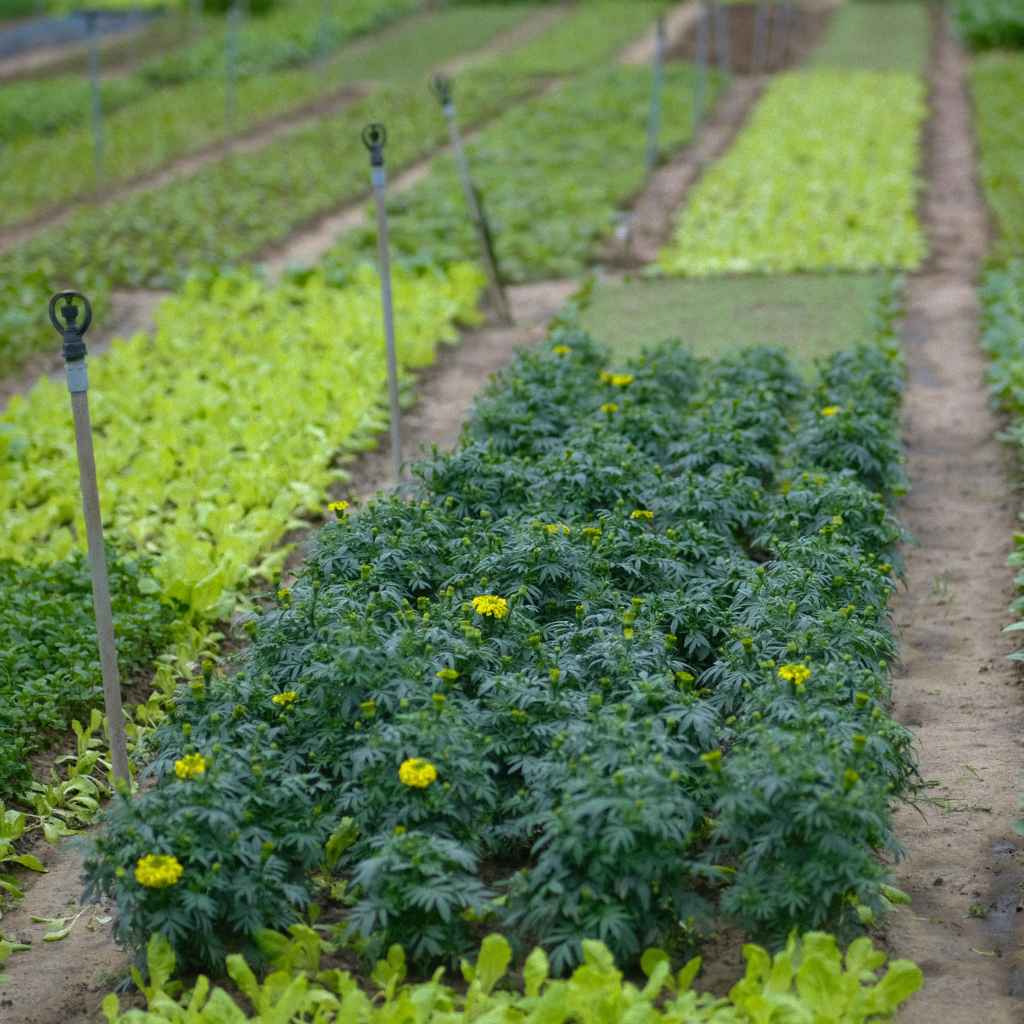
Small Farms: Even on small commercial farms, intensive techniques are used. They might use methods like intensive row cropping. This means planting rows closer together.
They also focus heavily on soil fertility. This boosts their harvest from their acreage.
Home Gardens: For families wanting to supplement their groceries, it’s perfect. You can grow favorites like tomatoes, peppers, and leafy greens. You can grow enough to make a real difference in your weekly food bill.
It’s satisfying to eat what you grow.
Common Intensive Gardening Setups
When you practice intensive gardening, the setup often looks a bit different. It’s designed for efficiency and maximum planting.
Garden Bed Styles
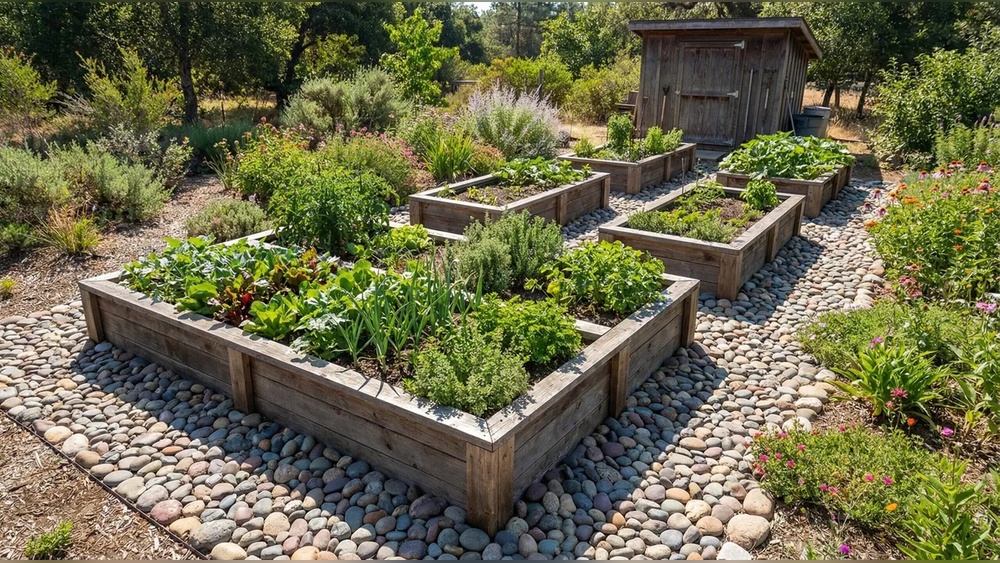
Raised Beds: These are boxes built above ground level. They are very common in intensive gardening. You control the soil perfectly.
They also drain well. You can make them any size you like.
In-Ground Beds: You can also do intensive gardening in the ground. The key is to deeply amend the soil. You’ll add lots of compost.
You’ll loosen the soil well. These beds are usually wide and flat.
Container Gardening: Pots and containers are also used. This is great for balconies or patios. You still focus on great soil.
You choose plants that do well in pots. It’s a very flexible option.
What Does This Mean for Your Garden?
If you have limited space, intensive gardening is your best friend. It means you don’t have to give up on growing your own food. You can enjoy fresh, healthy vegetables even from a small area.
It also means you need to pay attention to your soil. This is not a low-effort method for soil. You’ll be adding compost and organic matter often.
Your garden will require active care. But the rewards are worth it.
You’ll also learn to plan your garden carefully. Thinking about succession planting and crop rotation becomes important. It’s a more thoughtful approach to gardening.
But it leads to more food and less waste. You’ll get more from your efforts.
When Is Intensive Gardening the Right Choice?
Intensive gardening is ideal if:
- You have limited garden space.
- You want to maximize your food yield.
- You are willing to focus on soil health.
- You enjoy active gardening and planning.
- You want to eat fresh, homegrown produce.
It might not be the best choice if you prefer a very hands-off approach. Or if you have vast amounts of land and want to spread things out. But for most home gardeners facing space limits, it’s a fantastic solution.
Tips for Getting Started
Ready to give intensive gardening a try? Here are some simple tips to get you going. Don’t feel like you have to do it all at once.
Start small and learn as you go.
Start with Great Soil: This is the foundation. Buy good compost. If you’re using raised beds, fill them with a mix of compost and good quality topsoil.
Don’t skimp here!
Plan Your Layout: Decide what you want to grow. Research how much space each plant needs when mature. Think about how you can arrange them closely but still allow for growth.
Choose the Right Plants: Some plants are better suited for intensive methods. Leafy greens, bush beans, radishes, and carrots do very well. Vining plants are great for vertical growth.
Water Wisely: With plants closer together, they can dry out faster. Check the soil moisture often. Water deeply when needed.
Drip irrigation or soaker hoses are very efficient for intensive beds.
Observe and Adapt: Watch your plants. See how they are doing. Are they getting enough sun?
Is the soil too wet? Gardening is a learning process. Each season teaches you something new.
Intensive Gardening Quick Checks
- Soil: Is it dark, crumbly, and does it smell earthy?
- Plants: Do they look healthy and green?
- Weeds: Are they minimal?
- Harvest: Are you getting fresh food regularly?
Frequent Questions About Intensive Gardening
Is intensive gardening suitable for beginners?
Yes, it can be! While it requires attention to soil and planning, starting with a small raised bed can be very manageable for beginners. The key is to focus on building good soil and then planting closely.
You’ll learn a lot by doing.
Will plants get enough nutrients if planted closely?
Yes, if you focus on building rich soil. Intensive gardening relies on adding plenty of compost and organic matter. This provides a steady supply of nutrients.
You’re essentially creating a super-fertile environment for your plants.
How do I prevent pests and diseases in an intensive garden?
Healthy soil and strong plants are your first defense. Crop rotation also helps break pest and disease cycles. Good air circulation, from close planting and vertical growing, can reduce fungal issues.
Regularly inspect your plants for any problems.
Do I need special tools for intensive gardening?
Not really. You’ll need basic gardening tools like a shovel, trowel, and a good watering can or hose. If you’re building raised beds, you’ll need tools for that.
Many people find hand tools are excellent for working in close planting.
Can I grow root vegetables like carrots and potatoes intensively?
Yes, root vegetables like carrots and beets do very well in intensive gardens. You’ll want to ensure the soil is loose and deep for them. Potatoes can be grown intensively, often in grow bags or containers, or by mounding soil around the plants.
What is the difference between intensive and traditional row gardening?
Traditional row gardening often uses wide spacing between plants and rows. Intensive gardening plants crops much closer together, often in blocks or grids. This maximizes the use of space and can lead to higher yields per square foot.
Intensive gardening also puts a greater emphasis on soil health and continuous harvesting.
Conclusion
Intensive vegetable gardening is a smart, efficient way to grow food. It lets you get the most from your available space. By focusing on soil health and smart planting, you can enjoy a bounty of fresh vegetables.
It’s a rewarding approach for any gardener.