What Is Safe to Kill Weeds in Vegetable Gardens? Top Picks
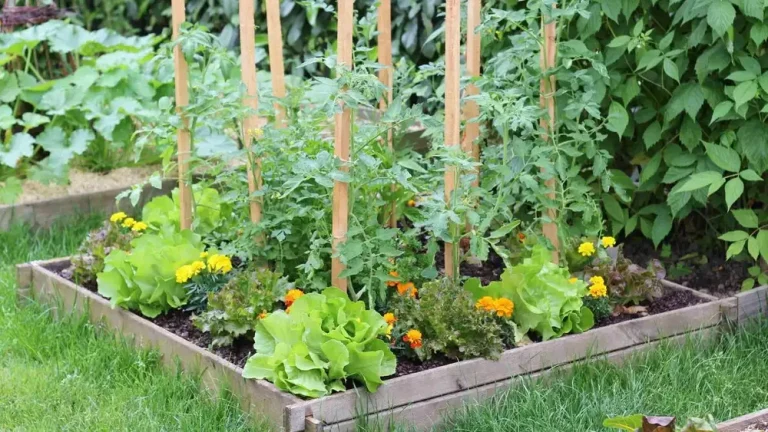
Finding a safe way to kill weeds in vegetable gardens is a top concern for every gardener who wants a bountiful harvest without harmful chemicals. This guide breaks down the most effective, garden-safe herbicides and methods to protect your crops.
We cover everything from homemade solutions to organic commercial products, ensuring you can manage weeds without risking your family’s health.
Simply put, the safest weed killers for vegetable gardens are corn gluten meal (pre-emergent), horticultural vinegar (post-emergent), and manual removal. For persistent weeds, herbicidal soaps or iron-based products like Avenger or Fiesta are excellent organic choices that won’t harm your vegetables when used correctly.
Key Takeaways
- Safe weed killers for vegetable gardens include corn gluten meal, horticultural vinegar, and iron-based herbicides.
- Always identify your weeds and choose a targeted approach—pre-emergent vs. post-emergent—for the best results.
- Manual weeding and mulching remain the gold standard for organic soil and plant safety.
- Timing is crucial: Apply pre-emergents in early spring and post-emergents on sunny days for maximum efficacy.
- Avoid broad-spectrum synthetic chemicals like glyphosate near vegetable beds to prevent soil contamination and health risks.

How Weeds Harm Your Vegetable Garden
Weeds are not just an eyesore; they are active competitors that steal water, nutrients, and sunlight from your vegetables. According to the University of California IPM program, weeds can reduce vegetable crop yields by up to 50% if left unchecked.
They also harbor pests and diseases that can quickly spread to your prized tomatoes or peppers. Understanding the threat is the first step to choosing a safe control method.
- Nutrient theft: Weeds like pigweed and lambsquarters consume nitrogen and potassium meant for your crops.
- Pest habitats: Weeds provide shelter for aphids, spider mites, and slugs.
- Disease transmission: Many weeds are hosts for fungal pathogens like powdery mildew and blight.
- Allelopathy: Some weeds release chemicals that inhibit the growth of nearby vegetables.
- Water depletion: Weeds transpire water, drying out the soil faster.
- Physical barrier: Dense weed growth can physically crowd out young seedlings.
- Reduced air circulation: Thick weed patches limit airflow, encouraging fungal growth.
Warning: Never let weeds go to seed. One purslane plant can produce over 200,000 seeds, creating problems for several seasons to come.
What Are the Safest Natural Herbicides for Vegetables?
When you need to kill weeds in vegetable gardens without harming your plants, several natural and organic options stand out. These products use biologically derived active ingredients that break down quickly in the soil.
Below is a comparison of the top rated safe herbicides available currently. We evaluated them based on effectiveness, OMRI listing, and safety profile for edible gardens.
| Product / Method | Active Ingredient | Best For | OMRI Listed |
|---|---|---|---|
| Horticultural Vinegar | Acetic Acid (20-30%) | Young, annual weeds | Yes |
| Corn Gluten Meal | Gluten proteins | Pre-emergent control | Yes |
| Iron HEDTA (e.g., Fiesta) | Iron (FeHEDTA) | Broadleaf weeds in lawns & gardens | Yes |
| Herbicidal Soap (e.g., Avenger) | Citrus oil, soaps | Annual broadleaf weeds | Yes |
| D-Limonene (e.g., Avenger) | Citrus extract | Tough, established weeds | Yes |
Products containing iron HEDTA are particularly effective for killing broadleaf weeds without harming grass, making them a top pick for garden paths. Citrus-based sprays like Avenger use D-Limonene to dissolve weed waxy cuticles, leading to rapid dehydration.
Tip: For best results with contact herbicides like vinegar or soap, spray on sunny, dry days. The heat and sunlight accelerate the burning and drying process.
How to Make Your Own Safe Weed Killer at Home
If you prefer a DIY approach, you can create an effective and safe weed killer for vegetables using common household ingredients. This method gives you complete control over what touches your soil.
The most reliable homemade mix uses high-strength vinegar, salt (sparingly), and dish soap. However, caution is needed with salt as it can accumulate in soil.
- Choose your vinegar base: Use 1 gallon of 5% household vinegar for mild weeds, or 20% horticultural vinegar for tougher ones. Wear gloves and goggles for the latter.
- Add a surfactant: Mix in 1 tablespoon of biodegradable dish soap (like Dr. Bronner’s). This helps the solution stick to weed leaves.
- Optional salt addition: Add 1 cup of table salt (Epsom salt is gentler on soil). Dissolve completely. Warning: Salt can sterilize soil if overused.
- Transfer to sprayer: Pour the mixture into a clean garden sprayer. Label it clearly for weed use only.
- Apply on a hot day: Spray directly onto weed foliage, avoiding your vegetables. Results appear in 2-4 hours.
- Repeat as needed: Perennial weeds with deep roots may require a second application after 1-2 weeks.
The USDA’s Agricultural Research Service notes that acetic acid concentrations above 11% are significantly more effective than household vinegar for weed control. Always test your DIY mix on a single weed first.
What to Look for in a Store-Bought Safe Weed Killer
When shopping for a commercial product to kill weeds safely in vegetable gardens, you need to read the label carefully. Not all “natural” labels are regulated equally.
Here are the key factors to evaluate before making a purchase. The Environmental Protection Agency (EPA) requires all herbicides to have a registered label, so look for the EPA number and active ingredients list.
- OMRI Listed: The Organic Materials Review Institute (OMRI) seal means the product is allowed for use in certified organic agriculture.
- Active Ingredients: Look for iron HEDTA, acetic acid, citrus oils (d-limonene), clove oil, or caprylic acid. Avoid synthetic auxins like 2,4-D or dicamba near vegetables.
- Target Weeds: Check if it kills grasses, broadleaves, or both. Some safe products only work on annual broadleaf weeds.
- Residual Activity: Pre-emergents like corn gluten meal stop seeds from germinating. Post-emergents only kill existing plants. Choose based on your need.
- Rainfastness: Most natural herbicides need 2-6 hours of dry weather to be effective. Check the label for rainfast timing.
- PHI (Pre-Harvest Interval): Safe products often have a 0-day PHI, meaning you can harvest immediately. Always verify this.
- Coverage Area: Concentrates are more economical. Ready-to-use spray bottles are convenient for small gardens.
How to Safely Apply Weed Killers Around Vegetable Plants
Even the safest weed killer for vegetable gardens can cause damage if applied carelessly. Protecting your crops while effectively targeting weeds requires a strategic approach.
Step 1: Shield Your Vegetables
Use cardboard boxes, plastic buckets, or row covers to physically block spray drift from reaching your tomatoes, peppers, or lettuce. A light breeze can carry tiny droplets.
Step 2: Spot-Treat Only
Pour your chosen herbicide into a small hand sprayer for precise application. Broad spraying is often unnecessary and wastes product.
Step 3: Time It Right
Apply in the late afternoon or early evening. This gives the herbicide overnight to work without the sun degrading it too quickly, and it avoids harming beneficial pollinators who are active during the day.
Important: Never spray herbicides on windy days (over 10 mph). Even gentle wind can cause drift that damages or kills your vegetable plants.
Step 4: Wait Before Watering
Most natural herbicides need to be absorbed into the weed leaves. Wait at least 6 hours or follow the specific label instructions before overhead watering your garden.
Common Mistakes to Avoid When Controlling Weeds
Even experienced gardeners make errors when trying to eradicate weeds safely in vegetable gardens. Here are the most common pitfalls and how to sidestep them.
- Using too much salt: Salt is a non-selective soil sterilant. Overuse can ruin soil structure and prevent vegetables from growing for months.
- Tilling too often: Tilling brings dormant weed seeds to the surface where they germinate. Practice no-till or minimal-till gardening.
- Ignoring the seed bank: Killing the parent weed isn’t enough if it already dropped seeds. Use a pre-emergent like corn gluten meal in spring.
- Applying in direct sun: Heat breaks down natural oils and vinegars quickly. Apply in the evening for better absorption and efficiency.
- Not cleaning tools: Weed seeds stick to hoes, tillers, and boots. Clean your tools after every use to prevent spreading weeds to clean areas.
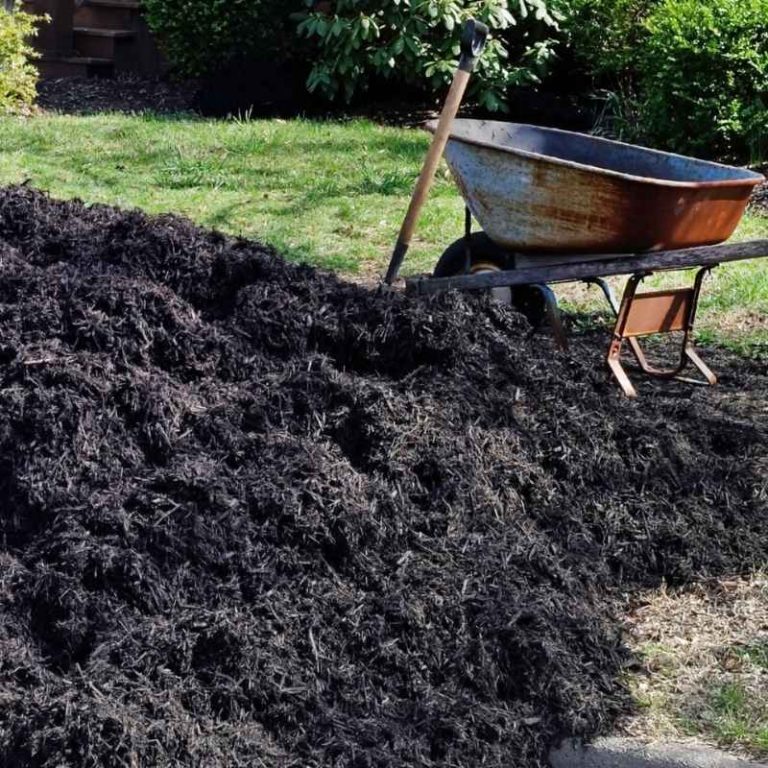
- Forgetting about mulch: The best safe weed killer is prevention. 3-4 inches of organic mulch (straw, wood chips) blocks sunlight and prevents germination.
According to a study from Purdue University, mulching alone can reduce annual weed emergence by up to 90%.
Top 5 Safe Weed Control Practices for Organic Gardens
Combining methods creates a comprehensive Integrated Weed Management (IWM) plan. This approach minimizes the need for any herbicide, keeping your garden 100% safe.
Here are the top 5 strategies that professional organic farmers use to manage weeds without chemicals.
| Practice | How It Works | Best Season |
|---|---|---|
| Stale Seedbed Technique | Water soil, let weeds germinate, then hoe or flame weed them before planting. | Spring pre-planting |
| Solarization | Trap solar heat under clear plastic for 4-6 weeks to kill seeds and pathogens. | Hot summer months |
| Flame Weeding | A quick pass with a propane torch boils cell sap, killing small weeds instantly. | Early morning, calm days |
| Corn Gluten Meal | Sprinkle around established plants to prevent weed seed germination (contains 10% nitrogen too). | Early spring & fall |
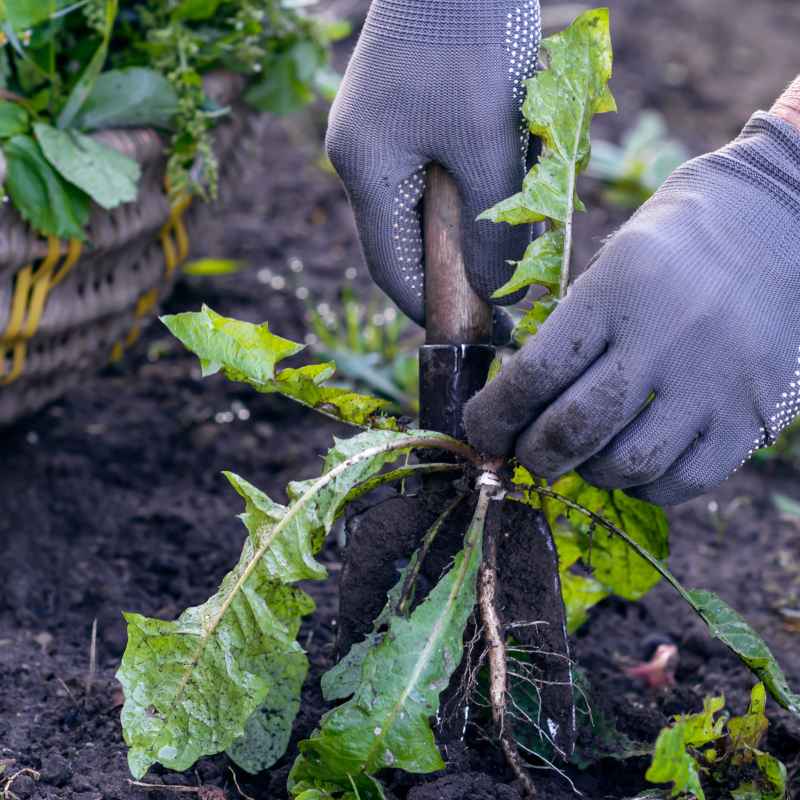
| Hand Pulling | The safest and most targeted method. Use a Hori Hori knife or Cobrahead weeder for roots. | After rain, when soil is soft |
Using a combination of these cultural and mechanical methods drastically reduces your reliance on even natural herbicides. The Rodale Institute reports that organic farming systems can be just as productive as conventional ones while building soil health.

Frequently Asked Questions
Is vinegar safe to use as a weed killer in a vegetable garden?
Yes, horticultural vinegar (20% acetic acid) is safe for vegetable gardens when applied directly to weeds. It breaks down quickly in soil and leaves no harmful residue. However, avoid spraying it on your vegetables as it will burn them too.
Can I use Roundup in my vegetable garden?
It is not recommended. Roundup contains glyphosate, which the World Health Organization has classified as a probable human carcinogen. It can persist in soil and affect future crops.
Opt for organic alternatives like Avenger or Fiesta instead.
What is the best pre-emergent weed killer for vegetable gardens?
Corn gluten meal is the top choice. It prevents weed seeds from germinating without harming established vegetable plants. Apply it in early spring just before weed seeds typically sprout, and it also adds a 10% nitrogen boost to your soil.
Does boiling water kill weeds permanently?
Boiling water effectively kills the foliage and top growth of weeds instantly. It is completely safe and chemical-free. However, it rarely kills deep taproots of perennial weeds like dandelions or thistles, which may regrow from root fragments.
How long after spraying a natural weed killer can I harvest my vegetables?
Most natural weed killers have a 0-day Pre-Harvest Interval (PHI), meaning you can harvest immediately after the spray dries. Always check the specific product label, but contact herbicides like vinegar or citrus oil leave no systemic residue in vegetables.
Final Thoughts
Keeping your vegetable garden free of weeds doesn’t require toxic chemicals. By using OMRI-listed natural products, smart cultural practices like mulching, and timely manual removal, you can maintain a thriving and safe garden. Focus on prevention first, and treat weeds quickly when they appear using the targeted methods outlined above.
Your soil and your family will thank you.