Can You Use Reclaimed Water In Vegetable Gardens Safely?
For a related vegetable-garden decision, Does Spraying Soapy Water Hurt Vegetable Gardens? Answered adds another practical check before you choose materials or treatments.
For a related vegetable-garden decision, How To Use Rain Barrels To Water Vegetable Gardens Easily adds another practical check before you choose materials or treatments.
When safety around edible beds matters, How Far From Vegetable Gardens Can You Safely Use Grubex? adds another practical check before using materials or treatments near vegetables.
It’s a question many gardeners face, especially when water gets scarce. You’ve heard about reclaimed water and wonder if it’s a good option for your precious vegetable patch. You want to be sustainable, and your plants need a drink. But the thought of using treated wastewater, or even greywater, on food you’ll eat can bring up some serious worries. Is it safe? What could go wrong? We’ll dive deep into this, looking at all sides so you can make a clear, informed choice for your garden and your family.
Using reclaimed water in vegetable gardens can be a safe and smart choice for water conservation, but it requires careful consideration of the water’s treatment level, potential contaminants, and local regulations. Not all reclaimed water is created equal, and proper application is key to ensuring food safety and plant health.
Understanding Reclaimed Water
So, what exactly is reclaimed water? Think of it as water that has been used before. It’s been through a treatment process to clean it up. This isn’t just plain old wastewater. It’s been filtered and treated to remove many things we don’t want in it. This can include sewage and industrial waste. The level of treatment can vary a lot. Some reclaimed water is treated to a high standard. It might be almost as clean as drinking water. Other types are treated less. This is often called greywater. Greywater comes from sinks, showers, and washing machines. It doesn’t usually contain human waste. However, it can have soaps, detergents, and grease.
Why do we even have reclaimed water? Mostly, it’s about saving water. Many places face drought. Using water more than once is a smart way to manage what we have. It helps keep rivers and lakes full. It also means we don’t have to draw as much from underground sources. This is great for the environment. But for your vegetable garden, the big question is always: is it safe for my food?
The safety of using reclaimed water on vegetables is a big topic. It depends on what’s in the water after treatment. The treatment aims to remove harmful things. These include germs like bacteria and viruses. It also tries to get rid of chemicals. However, some things might still be left. These could be tiny particles or dissolved minerals. They could also be things that are hard to remove.
My Own Garden Worries: A Story
I remember a particularly dry summer a few years back. My tomato plants were wilting, and the news was full of water restrictions. I was looking at my garden, which is my happy place, and feeling a real pinch. I’d read about using treated water. My neighbor mentioned they had a system for their lawn. I started thinking, “Could I use this for my beans? My peppers?”
The idea felt good because I wanted to save water. But then, a little voice in my head started asking questions. What if something bad got into the water? My kids love eating tomatoes straight off the vine. The thought of them eating something that had been watered with anything less than pure rain made me pause. I pictured tiny germs, invisible to the eye, clinging to the leaves. It felt like a risk I wasn’t sure I was ready to take. I spent days researching, talking to garden friends, and looking at what our local water company said. It was a confusing time, filled with more questions than answers.
Key Considerations for Using Reclaimed Water
When you’re thinking about reclaimed water for your vegetable garden, there are several things to keep in mind. The treatment level is super important. High-level treatment usually means fewer worries. This kind of water is often used for broad irrigation. It might be safe for many garden uses. Lower-level treatment, like for greywater, needs more caution.
What kind of plants are you watering? Some parts of plants are more likely to get water on them. Leafy greens like lettuce and spinach get watered directly. You eat the leaves. That’s different from watering a plant like a zucchini. You usually eat the fruit. The water touches the leaves and stems, but not directly the part you eat. This is a key difference for food safety.
Consider the soil. When you water the soil, not all the contaminants stay in the water. Some can stick to soil particles. Some might be broken down by microbes in the soil. But some things can build up over time. This can affect the health of your soil. It could also potentially lead to plants taking up certain substances.
Local rules are also a big factor. What is okay in one town might not be okay in another. Some places have clear guidelines on how reclaimed water can be used. They might say what types of gardens are allowed. They might also set rules for how the water is applied. Always check with your local water authority or city hall. They can tell you what’s legal and recommended in your area.
Types of Reclaimed Water and Their Uses
There are generally a few categories of water that get reused. Understanding these can help you make a decision.
Treated Wastewater
This is water that has gone through a significant treatment process. It starts as sewage or other wastewater. It’s then filtered and disinfected.
The goal is to remove most harmful bacteria, viruses, and solids. This type of water is often used for large-scale irrigation, like parks or golf courses. For vegetable gardens, it’s generally considered safer than untreated water.
But still, it’s wise to be aware of potential residual contaminants. Some public health guidelines suggest avoiding direct contact with edible parts of plants if possible. Watering the soil is often the preferred method.
Greywater
Greywater is less treated. It typically comes from showers, sinks, and washing machines. It usually does not contain toilet waste.
Soaps, detergents, and hair are common in greywater. It can also have oils and food bits. Greywater can be used for gardens, but with specific care.
It’s best for non-edible plants or for watering the soil around vegetables. Some experts say to avoid using it on leafy greens or root vegetables. It’s also important to use soaps and detergents that are plant-friendly.
Avoid harsh chemicals. Filters can help remove larger particles.
Rainwater Harvesting
While not technically “reclaimed” water in the same sense, collecting rainwater is a very common and safe water-saving practice. Rainwater is pure. It’s naturally soft and free of the chemicals found in tap water or treated wastewater.
Collecting it in barrels or tanks is a great way to supplement your garden’s water needs. It’s the safest option for all types of vegetables.
Potential Risks and How to Mitigate Them
Even with treatment, there are potential risks with reclaimed water. One major concern is pathogens. These are tiny organisms like bacteria, viruses, and parasites. While treatment reduces them, a few might survive. If these get onto your vegetables, they could make you sick. This is why careful application is key.
Another concern is chemical contaminants. These could be things like salts, heavy metals, or residues from cleaning products. Some of these can build up in the soil over time. This can harm plant growth. It can also potentially be absorbed by the plants. The level of these contaminants depends heavily on the source of the water and the treatment it receives.
How can you reduce these risks?
First, know your water source. Is it from a municipal treatment plant? What level of treatment do they provide? Or is it your own greywater system? If it’s greywater, what are you washing down the drain?
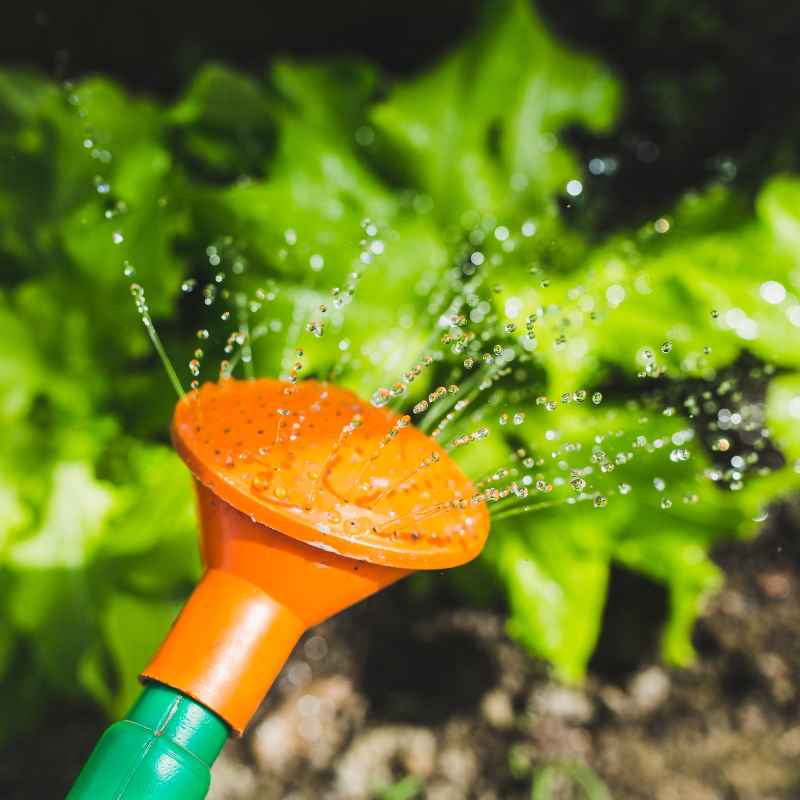
Second, apply water wisely. For vegetables, it’s often best to water the soil directly. Use drip irrigation or soaker hoses. This keeps the water off the leaves and fruits as much as possible. This is a critical step for food safety. It prevents direct contact with the parts you will eat.
Third, choose your vegetables carefully. If you’re worried, perhaps start with watering plants that have parts you don’t eat. Or, if watering vegetables, stick to fruits that grow on vines or bushes, like tomatoes or cucumbers, where the edible part is higher up. Root vegetables (carrots, potatoes) and leafy greens (lettuce, spinach) are often considered higher risk if watered with non-potable sources.
Fourth, maintain your soil health. Healthy soil with lots of good microbes can help break down some contaminants. Don’t let water sit on the surface for too long. Good drainage is important.
Fifth, check local guidelines. This cannot be stressed enough. Your local authorities have the most up-to-date information for your area. They can guide you on what is safe and what is not.
Understanding Contaminants
Let’s look closer at what might be in reclaimed water.
Pathogens
These are microscopic living things that can cause disease. Examples include E. coli, Salmonella, and norovirus.
Treatment processes like chlorination or UV light are designed to kill these. However, no system is perfect. Some hardy pathogens might survive.
Chemicals
This is a broad category. It can include salts, which can harm plants if they build up. Heavy metals like lead or arsenic are serious concerns, though usually removed in advanced treatment.
Pharmaceuticals and personal care products (PPCPs) are also found in wastewater. Their long-term effects on plants and humans are still being studied.
Nutrients
Reclaimed water can sometimes be high in nutrients like nitrogen and phosphorus. This can actually be a benefit for gardens. It can act as a fertilizer.
However, too much of a good thing can be bad. It can lead to overgrowth or nutrient imbalances in the soil.
Real-World Application in Gardens
How does this look in practice for a home gardener? Imagine you have a system that collects water from your washing machine and sink. You’ve put in a filter. You decide to water your tomato plants. Instead of letting a sprinkler spray the leaves, you use a hose or a drip system. You aim the water right at the base of the plant. You make sure the water soaks into the soil. You avoid splashing the fruits or leaves.
If you have access to municipally treated reclaimed water, you might use it to water your entire garden. You’d still follow the same principles: water the soil, not the leaves, whenever possible. You’d also consider what you’re growing. If you’re growing lettuce, you might decide to use rainwater or tap water for that crop, just to be extra safe. For your corn crop, which has stalks and tassels, you might feel more comfortable using reclaimed water.
Consider a different scenario. You live in an area with very strict drought rules. Tap water is limited. You have a choice: let your garden die or use treated reclaimed water. In this case, understanding the risks and taking steps to mitigate them becomes even more important. You might decide that the benefits of growing your own food outweigh the small residual risks, especially if you apply the water carefully.
Many communities encourage water conservation. They might offer rebates for greywater systems or incentives for using reclaimed water. These programs often come with educational materials. They can provide specific guidance on safe usage for gardens. It’s worth checking if such programs exist where you live.
What This Means for Your Vegetable Garden
So, what’s the takeaway for your garden?
When is it normal to use reclaimed water? It’s becoming more normal as water sources get strained. Many cities actively promote its use for landscaping and agriculture. It’s a responsible choice for the environment.
When should you worry? You should worry if you don’t know the source or treatment level of your water. You should worry if you plan to spray it directly onto leafy greens or eatable parts of plants without extensive purification. You should worry if your local regulations forbid it.
Simple checks can help. Can you get a water quality report from your supplier? Do you have a way to filter your greywater? Are you able to direct the water to the soil rather than the plants? These are all good signs that you’re on the right track.
If you’re a beginner gardener, you might want to start with the safest options. Use rainwater or tap water for your first year. Get comfortable with growing. Then, as you gain experience, explore greywater or treated water options. This allows you to learn as you go.
Quick Tips for Safer Watering
Here are some practical tips to help you use reclaimed water more safely.
Drip irrigation is your friend. It delivers water directly to the root zone. It minimizes water contact with leaves and fruits.
Water in the early morning or late evening. This allows the water to soak in. It reduces evaporation. It also means less standing water on leaves, which can be good for plant health.
Mulch your soil. A layer of mulch helps retain moisture. It also prevents splashing of soil onto lower plant parts.
Rotate crops. This can help prevent the buildup of any potential contaminants in one specific area of your garden.
Consider planting a barrier. If using greywater, you might plant non-edible flowers or shrubs around your vegetable patch. This adds an extra layer of separation.
Frequently Asked Questions
Is reclaimed water safe to drink?
Generally, no. Reclaimed water, even after treatment, is not considered potable (safe to drink) unless it has undergone advanced purification processes specifically for drinking water. Always check local regulations and treatment levels. For home gardens, the focus is on safe irrigation, not drinking.
Can I use my washing machine water on my vegetable garden?
Yes, but with caution. Washing machine water is considered greywater. It can contain detergents and other chemicals. It’s best to use it on non-edible plants or to water the soil around vegetables, avoiding direct contact with edible parts. Use plant-friendly soaps.
What are the benefits of using reclaimed water for gardening?
The main benefit is water conservation. It reduces the demand on fresh water supplies, which is crucial in drought-prone areas. It also helps protect rivers and lakes by reducing wastewater discharge. It can be a sustainable way to keep gardens healthy.
How often should I use reclaimed water on my vegetables?
The frequency depends on your climate, soil type, and the plants you are growing. It’s often used as a supplement to other water sources. Always check soil moisture. Overwatering, even with reclaimed water, can be harmful. The key is appropriate watering practices.
Can I use reclaimed water if I have a septic system?
If you are collecting your own greywater for a garden, you might have a septic system. It’s important to ensure your greywater system is properly designed and maintained. Local health departments usually have specific rules about greywater reuse and septic systems.
What is the difference between greywater and blackwater?
Greywater comes from sinks, showers, and laundry. It’s generally less contaminated. Blackwater comes from toilets and kitchen sinks (sometimes). It contains human waste and is much more hazardous. Blackwater requires extensive treatment and is not suitable for garden use.
Wrapping Up Our Garden Chat
Thinking about using reclaimed water in your vegetable garden is a smart step towards being a more sustainable gardener. It’s about being resourceful with the water we have. While it comes with questions and a need for careful thought, it’s not an impossible task. By understanding the different types of reclaimed water, potential risks, and how to apply it safely, you can make a choice that works for your garden and your family. Always prioritize local guidelines and your own comfort level. Happy, safe gardening!