Is Newspaper A Good Mulch For Vegetable Gardens? Find Out
It’s a question many gardeners ask. We all want the best for our plants. And our gardens.
For a related vegetable-garden decision, Is Cutter Backyard Spray Safe For Vegetable Gardens? Here adds another practical check before you choose materials or treatments.
For a related vegetable-garden decision, Can Hay Be a Living Mulch for Vegetable Gardens? Yes, Here's How adds another practical check before you choose materials or treatments.
When safety around edible beds matters, Is Home Depot Mulch Safe For Vegetable Gardens? adds another practical check before using materials or treatments near vegetables.
We want them to grow strong and healthy. We want tasty vegetables. Sometimes, the simplest ideas can feel a bit uncertain.
Will it hurt my plants? Will it make my soil bad? Let’s dig into this.
We’ll find out if newspaper is a friend to your vegetable garden. Or if it’s better left in the recycling bin.
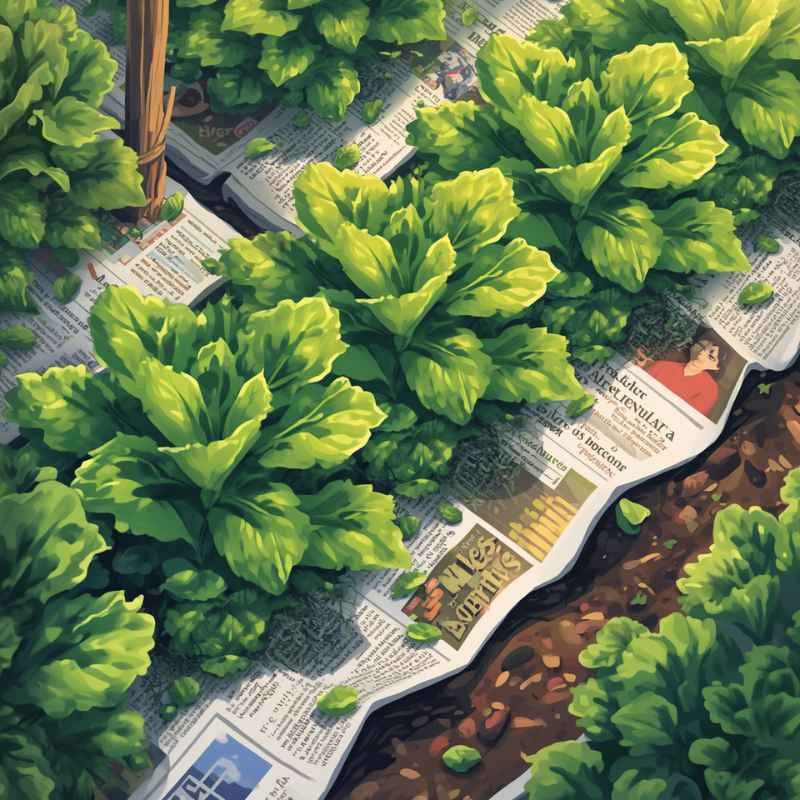
Newspaper can be a useful mulch for vegetable gardens. It helps keep weeds down. It also keeps soil moist. However, it’s important to use it correctly. Avoid glossy paper. Be aware of ink concerns. And break it down well. When used right, it can be a good, free option for many gardeners.
What is Newspaper Mulch and Why Use It?
Mulch is like a cozy blanket for your garden soil. It covers the ground around your plants. This blanket does a lot of good things.
It helps keep the soil from drying out. It stops the sun from baking it too much. It also fights off those pesky weeds.
Weeds pop up from seeds in the soil. Mulch blocks the light. So, weed seeds can’t sprout.
Newspaper is a material many people have. It comes in large sheets. It’s made of paper.
Paper comes from trees. Trees are organic. This means it breaks down over time.
It can add carbon to the soil. This is good for soil health. Many gardeners see it as a free resource.
They want to use what they have. It’s a way to recycle. It’s also a way to save money.
Instead of buying expensive mulch, you can use old newspapers.
Think about it. You get your paper. You read it.
Then what? Usually, it goes in the bin. But in the garden, it can have a second life.
It can help your tomatoes grow bigger. It can help your lettuce stay crisp. It can reduce how often you need to water.
That’s a big plus. Especially when summer gets hot. And you’re busy.
So, the idea of newspaper mulch makes sense. It seems like a win-win. You help your garden.
You also reduce waste.
My First Newspaper Mulch Mishap
I remember my first garden. It was small. Just a few raised beds.
I was so excited. I planted my first peppers. They were so small and green.
I wanted them to grow. I read online that mulch was great. I had stacks of old newspapers.
My neighbor always saved them for me. He said, “Great for your garden!” I took his word for it. I ripped off sheets.
I laid them down thick. I mean, really thick. I even put some around the tiny pepper stems.
I felt like a pro gardener.
A week went by. I went to check on my peppers. They looked…sad.
The leaves were yellowing. They weren’t growing. I panicked.
What was wrong? I pulled back the newspaper. It was a solid, soggy mat.
It was stuck together. It was suffocating my plants. The soil underneath was dark and wet.
But it felt…heavy. Almost like a paper mache mask. I realized my mistake.
I had used way too much newspaper. And I didn’t cover it with anything. It was just a thick layer of ink and pulp.
That’s when I learned a big lesson. Newspaper mulch isn’t just about piling it on. There’s a way to do it right.
My poor peppers took a while to recover. I carefully removed the wet paper. I added some fresh compost.
They eventually perked up. But it was a close call. That experience taught me to be gentle.
And to understand how materials behave. It showed me that even simple things need a bit of thought. Especially when it comes to feeding your family from your garden.
Newspaper Mulch: Quick Facts
What it is: Layers of old newspaper used to cover the soil.
Main Benefits:
- Weed Control: Blocks sunlight from weed seeds.
- Moisture Retention: Reduces evaporation from the soil.
- Soil Improvement: Breaks down and adds organic matter.
- Cost-Effective: Often free or very cheap.
Potential Downsides:
- Ink Concerns: Some inks may contain chemicals.
- Compaction: Can become a soggy, hard mat if too wet.
- Airflow: Too much can limit air reaching roots.
- Appearance: Not always the prettiest mulch option.
The Good News: Benefits of Newspaper Mulch
Let’s talk about the bright side. When you use newspaper mulch the smart way, it’s really helpful. It’s like giving your garden a superpower.
The biggest win is weed suppression. Imagine a garden with fewer weeds. You spend less time pulling them.
Your plants get all the good stuff from the soil. This is a huge relief for any gardener. Weeds are like freeloaders.
They eat without contributing. Blocking them is key.
Another great benefit is water saving. In the summer, water can be precious. Newspaper acts like a sponge’s lid.
It keeps water in the soil. It stops it from evaporating into the hot air. This means you water less often.
Your plants get a more steady supply of moisture. This is especially good for plants that like consistent dampness. Think of lettuce and spinach.
They can get tough if they dry out too much.
Over time, the newspaper breaks down. It turns into small bits of paper. These bits mix into the top layer of soil.
This adds organic material. Organic material is like superfood for soil. It helps soil hold more water.
It makes it easier for plant roots to grow. It can even help feed beneficial microbes. These tiny creatures make soil healthy.
So, your garden floor is literally getting richer. It’s a slow process. But it’s good for the long haul.
Your soil becomes a better home for plants.
Newspaper for Moisture Control
How it helps:
Evaporation Barrier: Newspaper forms a layer over the soil. This layer stops sunlight and wind from drying out the topsoil. Think of it like a shield.
Reduced Watering: Because less water escapes, the soil stays moist longer. This means you might water every few days instead of daily.
Consistent Soil Temps: Mulch also helps keep soil temperatures more even. It’s not as hot during the day. It doesn’t get as cold at night.
This is good for root health.
Experience Note: In my garden, I noticed I only needed to water my cucumbers every other day during a heatwave. Before, it was every single day.
The Not-So-Good: Potential Problems
Now, let’s talk about what can go wrong. We already touched on my soggy newspaper disaster. That happens when you use too much.
Or when it gets too wet. The paper can stick together. It becomes like a solid sheet.
This stops air from getting to the soil. Roots need air. Healthy soil needs air.
If roots can’t breathe, they struggle. Plants can get sick. They might not grow well.
This is a common issue if you’re not careful.
Then there’s the ink. Most newspapers today use soy-based ink. This is generally considered safe.
It breaks down easily. It’s not a big concern for most vegetable gardens. However, some older papers, or specialty papers, might use different inks.
These could have heavy metals or other chemicals. While a tiny bit is unlikely to cause harm, it’s something to be aware of. If you’re growing food, you want to be extra careful.
Using only black and white pages is often recommended. Avoid glossy inserts. Those are usually plastic-coated.
They don’t break down well.
Another thing is appearance. Plain newspaper isn’t the prettiest thing in a garden. It can look a bit messy.
Some people don’t like how it looks. It can also blow around if it’s not weighted down. This can be annoying.
It might end up in your neighbor’s yard. Or blown into your pathways. Over time, it turns gray and then blends in more.
But at first, it’s very noticeable. It’s not as attractive as wood chips or colored bark mulch.
Finally, consider pest attraction. While mulch generally helps deter some pests, very thick layers of wet paper can attract slugs and snails. They like the damp, dark environment.
They can then eat your tender seedlings. This is less common with lighter layers. But it’s something to watch for.
Especially if you have a slug problem already.
Myth vs. Reality: Newspaper Ink
Myth: All newspaper ink is bad and will poison my plants and food.
Reality: Most modern newspapers use soy-based or vegetable-based inks. These are generally safe. They break down well.
They are not known to harm plants or be absorbed into vegetables in harmful amounts.
Caution: Older newspapers or those with very shiny, colorful inserts might contain different inks or coatings. To be safest, stick to plain black and white newsprint. If you’re still worried, you can cover the newspaper with a layer of compost or straw.
This hides it and adds another layer of protection.
Personal Experience: I’ve used newspaper from my local paper for years. I’ve never seen a negative effect on my plants or the taste of my vegetables. But I always make sure to use the plain print pages.
How to Use Newspaper Mulch Safely and Effectively
So, how do you get the benefits without the headaches? It’s all in the preparation and application. First, gather your newspapers.
Look for black and white print. Avoid glossy ads or inserts. If you’re really concerned about ink, you can tear out pages with lots of heavy ink.
Or use older papers that have faded a bit.
Next, prepare the newspaper. Don’t just lay down whole sheets. You need to break it down.
Tear the pages into strips. Or shred them. You can do this by hand.
Or use a paper shredder. This helps it decompose better. It also makes it less likely to mat together.
Aim for pieces about an inch or two wide. Longer strips are okay too.
When applying, don’t go too thick. A layer of 2 to 3 sheets is usually enough. You can stack them up a bit.
But avoid making it a solid, heavy blanket. This is where my mistake happened. You want it to let air and water through.
Space it out a little. Don’t pile it right up against the stems of young plants. Give them a little breathing room.
After you lay down the newspaper, it’s a good idea to cover it. You can put a thin layer of compost on top. Or straw.
Or shredded leaves. This does two things. It makes it look nicer.
And it keeps the newspaper from blowing away. It also adds another layer of organic matter as it breaks down. This covering layer is a game-changer.
It holds the newspaper in place and makes it look more natural.
Water the newspaper gently after you apply it. This helps it settle. It also starts the decomposition process.
Over time, it will get wet from rain. And from watering your plants. As it breaks down, you might need to add more.
This is normal. It’s a continuous process. You’re feeding the soil.
You’re protecting your plants. It’s like a living mulch.
Newspaper Mulch in Different Garden Scenarios
Let’s think about where you might use newspaper mulch. It works well in vegetable beds. Especially for things like tomatoes, peppers, and squash.
These plants benefit from consistent moisture. And they need help fighting weeds. In a new garden bed, before you plant, you can lay down a thick layer of newspaper.
Then cover it with compost. This starts the decomposition. And gives you a weed-free start.
For smaller plants, like carrots or radishes, be a bit more careful. You want to ensure the newspaper doesn’t pack down too hard. Shredding it well is key here.
And maybe covering it with a lighter mulch like straw. This gives the tiny seedlings an easier time pushing through. It also ensures they get enough air and light.
What about paths between garden beds? This is a great place for newspaper mulch. You can use a thicker layer here.
Maybe 5-6 sheets. Cover it well with wood chips or gravel. It will suppress weeds in the paths.
And it will break down over time. This helps improve the soil in the paths too. Which is often forgotten.
Paths can become hard and compacted.
In a raised bed, newspaper is excellent. The soil is already contained. Adding newspaper as mulch helps keep the soil in place.
It also keeps the soil at a good temperature. Raised beds can dry out faster. So, the moisture retention is a big plus.
You can also use it around perennial vegetables. Like asparagus or rhubarb. They benefit from protection year after year.
It makes seasonal cleanup easier too.
Consider your climate. If you live somewhere very wet, be extra mindful of not overdoing the newspaper. You don’t want to create a swamp.
If you live in a very dry climate, the moisture-retaining benefit is huge. Just make sure to add a bit of compost on top. This helps keep it from drying out completely.
And it adds nutrients as it breaks down.
Newspaper Mulch: Where It Shines
Vegetable Rows: Ideal for tomatoes, peppers, beans, corn. Helps with weeds and water.
Young Plants: Use shredded paper. Cover lightly. Helps them establish.
Garden Paths: Lay thick. Cover with wood chips. Stops weeds and improves path soil.
Raised Beds: Keeps soil moist and at a good temp. Prevents drying out too fast.
Perennials: Good for asparagus, rhubarb, berry bushes. Offers long-term protection.
New Beds: Layer heavily before planting. Cover with compost. Creates a weed-free base.
When to Worry: Signs Newspaper Mulch Isn’t Working
How do you know if your newspaper mulch is causing problems? Look at your plants. Are they yellowing?
Are they stunted? This could be a sign of too much newspaper. Or newspaper that is too wet.
It might be blocking air and water. If you see this, gently pull back the newspaper. Let the soil surface dry out a bit.
Add some fresh compost. See if the plants improve.
Are your plants wilting even though the soil looks moist? This is confusing. But it can happen if the roots can’t get air.
Or if the paper has become too dense. It’s like a barrier. The plant’s roots are trying to breathe.
And they can’t. Again, the fix is to remove some newspaper. And let the soil breathe.
Sometimes less is more. Especially with this type of mulch.
Are you seeing a lot of slugs and snails munching on your plants? If you didn’t have a slug problem before, and it started after you mulched with newspaper, the mulch might be the cause. They love that damp, protective layer.
If this is the case, you might need to switch to a different mulch. Or at least remove the newspaper from around the base of vulnerable plants. Adding a layer of sharp material, like crushed eggshells, can also help deter them.
Is the newspaper just not breaking down? If it’s been a long time, and it’s still a solid sheet, it might be too dry. Or the pieces were too large.
Or it’s not getting enough contact with the soil. In this case, you might need to break it up more. Or mix it into the soil a bit.
Or just accept that it will take a while. It’s not a fast-acting mulch. It works over seasons.
One more thing to check is how the soil smells. Healthy soil smells earthy. If the soil under the newspaper smells sour, moldy, or like ammonia, that’s a bad sign.
It means it’s not getting enough air. And things are starting to rot in a bad way. You need to aerate that soil.
And remove excess newspaper. This is a clear signal that the balance is off. Your plants might be in trouble.
Signs Your Newspaper Mulch Needs Adjustment
Plant Symptoms:
- Yellowing leaves
- Stunted growth
- Wilting (even with moist soil)
Pest Issues:
- Increased slugs and snails
Soil Issues:
- Sour or moldy smell
- Very wet, matted paper
- Paper not breaking down
Action: If you see these signs, gently pull back or remove some newspaper. Let the soil dry and breathe. Add compost.
Observe plants for improvement.
Alternatives to Newspaper Mulch
If newspaper mulch isn’t quite right for your garden, or you want to mix things up, there are many other options. Each has its own pros and cons. For vegetable gardens, many gardeners prefer organic mulches.
These break down over time. They add nutrients to the soil. They are generally safe for edible plants.
Straw is a popular choice. It’s lightweight. It’s easy to spread.
It decomposes well. It provides good weed suppression. And it keeps soil moisture consistent.
Just make sure it’s not “weed seed” straw. Look for straw that is a byproduct of grain harvesting. Not hay, which often contains seeds.
Compost itself can be used as a mulch. A thick layer of finished compost is excellent. It feeds the soil directly.
It smothers weeds. It retains moisture. It’s a super mulch.
But it can be more expensive. And you need a lot of it to cover a large area.
Shredded leaves are another fantastic free option. In the fall, collect dry leaves. Shred them with a mulching mower.
They break down nicely. They add carbon to the soil. They are great for suppressing weeds.
And they are very natural.
Wood chips or bark mulch are common. They look nice. They last a long time.
They suppress weeds well. However, they break down slowly. They can also tie up nitrogen from the soil as they decompose.
This can be an issue for hungry vegetables. So, it’s often better to use these on paths. Or around non-edible plants.
Or mix them with other organic matter.
Grass clippings can be used. But use them in thin layers. Thick layers can mat.
And they can get hot. They can also carry lawn chemicals. So, only use clippings from lawns that aren’t treated with pesticides or herbicides.
Finally, coco coir is a newer option. It’s made from coconut husks. It holds water very well.
It’s pH neutral. It’s sterile. It decomposes slowly.
It can be a bit more expensive. But it’s a good option for consistent moisture.
Alternative Mulch Options for Veggie Gardens
Straw: Lightweight, decomposes well, good weed control. (Use clean straw, not hay).
Compost: Feeds soil directly, excellent weed suppression, retains moisture. (Can be costly for large areas).
Shredded Leaves: Free, decomposes well, adds carbon, great for weed suppression. (Best when shredded).
Wood Chips/Bark: Looks nice, lasts long, good weed control. (Slow to decompose, can tie up nitrogen).
Grass Clippings: Free, readily available. (Use thin layers, avoid treated grass).
Coco Coir: Excellent water retention, pH neutral, slow decomposition. (More expensive).
Frequently Asked Questions About Newspaper Mulch
Is it safe to use newspaper mulch around my vegetables if I eat them?
Yes, it is generally considered safe. Most modern newspapers use soy-based or vegetable-based inks. These break down naturally and are not harmful when in contact with edible plants.
To be extra cautious, use plain black and white print and avoid glossy inserts. Many gardeners have used newspaper for years with no ill effects on their food.
How many layers of newspaper should I use?
For most vegetable gardens, a layer of 2 to 3 sheets of newspaper is recommended. This provides good weed suppression and moisture retention without becoming too dense. If you are using it on garden paths and covering it with other materials, you can use a thicker layer, perhaps 5-6 sheets.
Will newspaper mulch attract pests?
Newspaper mulch can sometimes attract slugs and snails, especially if it stays very wet and compacted. This is because they enjoy the damp, dark environment it provides. If you notice an increase in these pests, try using a lighter layer of newspaper, covering it with a different mulch like straw, or adding a deterrent around your plants.
Can I use colored newspaper print or glossy ads?
It’s best to stick to black and white print from regular newspapers. Glossy ads often have plastic coatings or different types of inks that don’t break down well and may contain unwanted chemicals. While a small amount might not cause harm, it’s safer to avoid them for edible gardens to ensure the cleanest mulch possible.
What happens to newspaper mulch over time?
Over time, newspaper mulch breaks down. It mixes with the top layer of soil. This process adds organic matter to your soil.
It helps improve soil structure, fertility, and water-holding capacity. It turns into a rich, dark material that benefits your plants.
My newspaper mulch looks messy. How can I make it look better?
The easiest way to make newspaper mulch look better is to cover it. A light layer of straw, shredded leaves, or finished compost on top of the newspaper will hide it and give your garden a more attractive appearance. This also helps weigh down the newspaper, preventing it from blowing away.
Is newspaper mulch good for starting new garden beds?
Yes, newspaper mulch is excellent for starting new garden beds, especially for methods like sheet mulching or lasagna gardening. You can lay down several layers of newspaper directly on the grass or weeds. Then, add layers of compost, leaves, and other organic materials on top.
This smother weeds and creates a rich soil bed over time.
Final Thoughts on Newspaper Mulch
So, is newspaper a good mulch for your vegetable garden? The answer is a qualified yes. When used correctly, it’s a fantastic, free resource.
It helps keep weeds down. It keeps your soil moist. And it breaks down to feed your soil.
It’s a win for your garden and your wallet. And for the environment, too.
Remember the key points: use black and white print. Shred or tear it. Don’t use too much.
And consider covering it. This helps you avoid the soggy, matted mess I experienced. It also makes it look nicer.
And helps it stay in place. Be aware of your plants. If they look unhappy, the mulch might be the cause.
Adjust as needed. Gardening is often about learning and adapting.
Newspaper mulch is a tool. Like any tool, it works best when you know how to use it. It’s not the only option.
But for many, it’s a very good one. Give it a try. See how your garden responds.
You might be surprised by how much good this simple recycled material can do. Happy gardening!