Is Lambda Cyhalothrin Safe For Vegetable Gardens? The Truth
It’s a common worry. You see bugs nibbling at your precious veggies, and you want to get rid of them fast. Then you see a product with a name like Lambda Cyhalothrin.
For a related vegetable-garden decision, Is Pressure Treated Wood Safe For Vegetable Gardens? adds another practical check before you choose materials or treatments.
For a related vegetable-garden decision, Is Roundup Safe to Use Around Vegetable Gardens? The adds another practical check before you choose materials or treatments.
For a related vegetable-garden decision, Is Cutter Backyard Spray Safe For Vegetable Gardens? Here adds another practical check before you choose materials or treatments.
It sounds strong, and maybe it will work. But is it truly safe for the food you’ll eat? That’s the big question many home gardeners ask.
It’s a tough spot. You want healthy plants, but you also want healthy food.
Lambda Cyhalothrin is an insecticide that can be used on some vegetable gardens. However, its safety depends on the specific vegetable, application method, and pre-harvest interval. It’s crucial to follow label instructions carefully to minimize risks to human health and beneficial insects. Always consider less toxic options first.
Understanding Lambda Cyhalothrin
Lambda Cyhalothrin is a mouthful, isn’t it? This chemical is a type of pyrethroid. Pyrethroids are made to mimic natural pyrethrins.
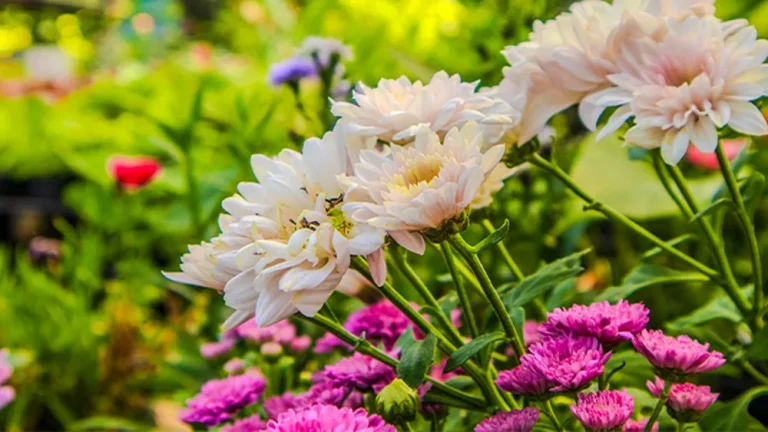
These are found in chrysanthemum flowers. They work by attacking the nervous system of insects. This causes paralysis and then death.
It’s very effective against a lot of common garden pests. Think of aphids, caterpillars, and beetles.
In the world of pest control, Lambda Cyhalothrin is quite popular. Many commercial farmers use it. It’s on shelves in many garden stores.
This makes it easy for home gardeners to find. The label usually says it works on a long list of crops. This can include many common vegetables.
But here’s where confusion often starts. Just because it can be used doesn’t mean it’s always the best or safest choice for your home garden.
The way it works is pretty straightforward. When an insect touches or eats it, the chemical enters its body. It then messes with the insect’s nerves.
This leads to what’s called hyperexcitation. The insect can’t control its movements. Soon, it stops moving altogether.
This is why it’s so good at killing bugs quickly.
One thing to know about pyrethroids like Lambda Cyhalothrin is that they break down. They don’t last forever in the environment. Sunlight and microbes in the soil help them disappear.
This is a good thing. It means they aren’t meant to stick around for years. But it also means you might need to reapply them if pests return.
My Own Run-in with Garden Pests
I remember one summer vividly. My tomato plants were just starting to produce fruit. They looked amazing.
Then, one morning, I noticed tiny holes in the leaves. Then I saw them – small, green worms. They were eating my beautiful plants!
I felt a wave of panic. Those worms were going to ruin my harvest.
I ran to the garden center. I wanted something strong. I grabbed a bottle that promised quick results.
It had Lambda Cyhalothrin in it. The label said it was for vegetables. I rushed home and applied it.
I felt a little better knowing the worms would soon be gone. But later, as I watched my dog sniff around the plants, a different feeling crept in. Was this really okay?
What was I putting on the food my family would eat?
That feeling of doubt stuck with me. I realized that just because something is sold for gardens doesn’t mean it’s completely safe for everything in them. I started to research more.
I wanted to know what the experts said. I learned that even if a chemical is approved for a crop, there are rules. And there are always risks.
Understanding Insecticide Labels
Read Carefully: Always read the entire label before buying or using any pesticide. It’s the law and your best guide.
Target Pests: Does it list the exact bugs you’re seeing?
Target Crops: Does it specifically say it’s okay for the vegetables you are growing?
Application Rates: How much to use and how often?
Pre-Harvest Interval (PHI): This is super important. It’s the time you must wait between spraying and picking your food.
Is Lambda Cyhalothrin Safe for Specific Vegetables?
This is where things get tricky. The safety of Lambda Cyhalothrin depends a lot on the specific plant. Many vegetable plants are listed on product labels.
These can include things like broccoli, cabbage, peppers, and potatoes. For these, the product is usually considered safe when used as directed. This means following the label’s rules precisely.
One key rule is the Pre-Harvest Interval (PHI). This is the number of days you must wait between spraying the insecticide and when you can safely harvest the vegetable. This time is given so that the chemical can break down on the plant.
It needs to reduce to a level considered safe. For many vegetables treated with Lambda Cyhalothrin, the PHI might be anywhere from a few days to over a week. This is why checking the label is so critical.
For example, if the label says the PHI for tomatoes is 7 days, you cannot eat tomatoes sprayed with Lambda Cyhalothrin for a full week after you spray them. Missing this interval can mean you’re eating food with higher levels of pesticide residue than is recommended. This is a major safety concern.
Some vegetables are more sensitive. Or they might be consumed in a way that puts them at higher risk. For instance, leafy greens are eaten whole.
This means any residue on the leaves is directly ingested. Root vegetables are treated differently. The main concern might be residue in the soil or on the skin.
But the plant still absorbs some chemicals.
It’s also important to think about what part of the plant you eat. If you eat the fruit (like tomatoes or cucumbers), the spray is applied to the outside. If you eat the leaves (like lettuce or spinach), the spray is directly on what you consume.
Some products might have different PHIs for different parts of the same plant if applicable.
Common Vegetables and Their Risks
- Leafy Greens (Lettuce, Spinach): Higher risk due to direct consumption of treated leaves. Strict adherence to PHI is essential.
- Fruiting Vegetables (Tomatoes, Peppers): Generally lower risk if PHI is followed, as spray is on the exterior.
- Root Vegetables (Carrots, Potatoes): Risk involves soil residues and potential plant uptake, though often less direct than leafy greens.
- Cruciferous Vegetables (Broccoli, Cabbage): May be listed for treatment, but PHI is critical.
Potential Risks and Concerns
Even when used as directed, Lambda Cyhalothrin isn’t without risks. The main concern for home gardeners is human health. Pesticide residues on food are a hot topic.
While regulatory bodies set limits for what’s considered safe, many people prefer to minimize their exposure.
Children are often more vulnerable to the effects of pesticides. Their bodies are still developing. This is why extra care is important when growing food for families.
Washing produce thoroughly is always a good step. But it doesn’t remove all pesticide residues.
Beyond human health, there’s the impact on the environment. Lambda Cyhalothrin is highly toxic to bees and other beneficial insects. These are the insects that pollinate your vegetables and help control pests naturally.
Spraying during the day when bees are active can be very harmful to them.
It can also affect other helpful creatures in your garden. This includes ladybugs, lacewings, and earthworms. These organisms are vital for a healthy garden ecosystem.
Wiping them out with strong chemicals can create new problems down the line. You might get rid of one pest, only to have another one move in because its natural predators are gone.
The chemical can also move in the environment. Rain can wash it into waterways. This can harm fish and other aquatic life.
While home garden use is smaller scale than commercial farming, the principles of environmental protection still apply. We all want a healthy planet.
Environmental Impact Spotlight
- Bee Toxicity: Extremely toxic to bees. Spraying when bees are active can cause colony collapse.
- Beneficial Insects: Kills ladybugs, lacewings, and predatory mites that help control pests naturally.
- Aquatic Life: Harmful to fish and other organisms if it enters water bodies.
- Soil Health: Can disrupt beneficial microorganisms in the soil over time.
When is it NOT Safe?
There are several situations where using Lambda Cyhalothrin is definitely not safe or advisable for your vegetable garden. The most obvious one is when the product label does not list your specific vegetable. If it’s not on the list, do not use it.
There’s a reason for these lists. Different plants can react differently to chemicals. Some might absorb more, some might be damaged by it.
Another red flag is ignoring the Pre-Harvest Interval (PHI). If you need to harvest your vegetables soon, and the PHI is longer than you have, then it’s not safe to use. This is a common mistake people make when they’re in a hurry.
Patience is key here. The waiting period is there for your safety.
Using Lambda Cyhalothrin when beneficial insects are active is also not safe for your garden’s ecosystem. If you see pollinators or ladybugs working on your plants, it’s best to hold off. Try a more targeted or safer approach instead.
Using more than the recommended amount is also unsafe. More is not better with pesticides. Over-application can lead to higher residues on your food and greater harm to the environment.
Always measure carefully.
Finally, if you have specific health concerns, like being pregnant, nursing, or having a compromised immune system, it’s wise to be extra cautious. Avoiding synthetic pesticides altogether might be the best route for you.
Safer Alternatives for Your Vegetable Garden
The good news is that you have many options besides strong chemical insecticides. The goal is to protect your plants while keeping your food safe and your garden healthy. Integrated Pest Management (IPM) is a great approach.
It combines different methods.
Physical Barriers: Row covers made of fine mesh can keep pests like cabbage worms and flea beetles away from your plants. You can also use collars around the base of stems to stop cutworms. Hand-picking larger pests like tomato hornworms is also very effective.
Just drop them into a bucket of soapy water.
Biological Controls: This means using nature to fight pests. You can attract beneficial insects by planting flowers like dill, fennel, and yarrow. These plants provide food and habitat for ladybugs, lacewings, and parasitic wasps.
You can also buy beneficial insects to release into your garden.
Organic Pesticides: There are several organic options that are much safer. Insecticidal soaps kill soft-bodied insects like aphids on contact. Neem oil can disrupt insect growth and feeding.
It’s derived from the neem tree. Bacillus thuringiensis (Bt) is a naturally occurring bacterium that is very effective against certain types of caterpillars, but it’s harmless to humans and other animals. Always check the label to ensure an organic product is safe for your specific vegetable crop.
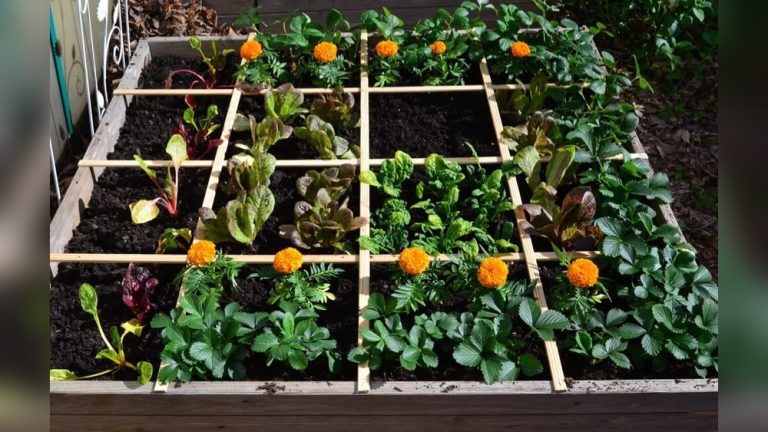
Companion Planting: Some plants can help deter pests. For example, planting marigolds around your vegetable beds is thought to repel nematodes and other soil pests. Basil is said to deter flies and mosquitoes.
While not always a foolproof method, it adds diversity and can offer some protection.
Healthy Soil and Plants: This is perhaps the most important long-term strategy. Plants that are grown in healthy, nutrient-rich soil are stronger. They are less likely to be attacked by pests or diseases.
Proper watering and sunlight are also key. A healthy plant can often withstand minor pest damage on its own.
Quick Scan: Safer Pest Control Methods
| Method | What it Does | Best For |
|---|---|---|
| Row Covers | Physical barrier | Cabbage worms, flea beetles |
| Hand Picking | Direct removal | Larger insects (hornworms, slugs) |
| Insecticidal Soap | Kills soft-bodied insects | Aphids, spider mites |
| Neem Oil | Disrupts growth & feeding | Many common garden pests |
| Bacillus Thuringiensis (Bt) | Targets specific larvae | Caterpillars |
| Beneficial Insects | Natural predators | Aphids, caterpillars |
What Does This Mean for Your Garden?
The main takeaway is that Lambda Cyhalothrin is a tool. It can be effective. But it needs to be used with extreme caution in a vegetable garden.
It’s not a casual spray-and-forget solution.
When it’s normal: It’s considered normal for products containing Lambda Cyhalothrin to be used on certain vegetables. This is because they are registered for use by regulatory agencies. They have passed safety reviews for specific applications when label instructions are followed.
When to worry: You should worry if you’re not reading the label. You should worry if you’re not following the Pre-Harvest Interval (PHI). Worry if you’re spraying when pollinators are active.
Worry if you’re using it on a vegetable that isn’t listed on the product’s label.
Simple checks: Before you buy any pesticide, check the label. Does it list your vegetable? What is the PHI?
After you spray, note down the date. Mark your calendar for when you can harvest. Always wash your produce thoroughly before eating, even organic items.
For home gardeners, the most responsible approach is to try the least toxic methods first. These include physical barriers, attracting beneficial insects, and using organic sprays. Only consider synthetic chemicals like Lambda Cyhalothrin as a last resort.
And even then, know the risks and follow every instruction to the letter.
Tips for Safer Pest Management
You want healthy vegetables. You also want peace of mind. Here are some practical tips to help you manage pests safely:
- Scout Regularly: Walk through your garden often. Look under leaves. Spotting pests early makes them easier to control. Small infestations are much easier to manage than large ones.
- Identify Your Pest: Don’t just spray because you see bugs. Figure out what kind of bug it is. Is it a pest, or is it a helpful insect? Knowing your enemy helps you choose the right weapon.
- Start with the Least Toxic: Always try hand-picking, water sprays, or insecticidal soap first. These are much gentler on your garden and your health.
- Protect Beneficials: If you must use a spray, apply it in the early morning or late evening. This is when bees and other beneficial insects are less active. Target only the affected plants.
- Rotate Your Sprays: If you use organic sprays like neem oil or insecticidal soap regularly, pests can sometimes develop resistance. Rotating between different types can help keep them effective.
- Improve Plant Health: Strong, healthy plants are less attractive to pests. Ensure your soil is healthy, your plants get enough water, and they have the right amount of sunlight.
- Read, Read, Read: I can’t stress this enough. The label is your guide. It contains vital information for safety and effectiveness.
Frequently Asked Questions About Lambda Cyhalothrin
Is Lambda Cyhalothrin safe for organic gardening?
No, Lambda Cyhalothrin is a synthetic chemical pesticide. It is not approved for use in certified organic gardening or farming practices. Organic methods focus on natural processes and substances.
How long does Lambda Cyhalothrin last on plants?
Lambda Cyhalothrin breaks down over time, especially with exposure to sunlight and weather. Its residual effect, meaning how long it keeps killing pests, can vary. It typically lasts from a few days to a couple of weeks, depending on conditions and the specific formulation.
The crucial factor for consumption is the Pre-Harvest Interval (PHI).
Can I spray Lambda Cyhalothrin on my fruit trees?
Some formulations of Lambda Cyhalothrin are approved for use on certain fruit trees. You must check the product label very carefully. It will specify which fruits are allowed and the required Pre-Harvest Interval (PHI) before you can eat the fruit.
What happens if I eat a vegetable sprayed with Lambda Cyhalothrin too soon?
If you consume a vegetable before the Pre-Harvest Interval (PHI) has passed, you may ingest higher levels of pesticide residue. While small amounts might not cause immediate illness, long-term exposure to pesticide residues is a health concern. It is important to always follow the PHI to minimize this risk.
Is Lambda Cyhalothrin harmful to pets like dogs or cats?
Lambda Cyhalothrin can be toxic to pets if ingested or if they have prolonged skin contact. Keep pets away from treated areas until the spray has dried. Symptoms of poisoning in pets can include drooling, vomiting, diarrhea, tremors, and difficulty breathing.
Always follow label instructions to prevent pet exposure.
What are the signs of insect damage that Lambda Cyhalothrin targets?
Lambda Cyhalothrin is effective against a wide range of chewing and sucking insects. This includes pests like aphids, caterpillars (larvae of moths and butterflies), beetles, weevils, thrips, and leafhoppers. You might see chewed leaves, holes in fruits or vegetables, distorted growth, or visible insects on your plants.
Final Thoughts on Vegetable Garden Safety
Choosing how to manage pests in your vegetable garden is an important decision. It affects not only your plants but also the food you bring to your table and the health of your local environment. Lambda Cyhalothrin has its place, but for home gardeners, caution is the guiding principle.
Prioritize safety, read labels carefully, and explore natural solutions first.