Advantages Of Raised Vegetable Gardens You Should Know
It’s so common to dream of fresh, homegrown veggies. You picture juicy tomatoes and crisp lettuce. But then you look at your yard.

As an Amazon Associate I earn from qualifying purchases.
Maybe the soil isn’t great. Or perhaps bending down feels tough. This is where raised garden beds can be a total game-changer.
They help so many people enjoy gardening more.
Raised vegetable gardens offer many benefits that make growing food easier and more productive. They improve soil quality, provide better drainage, and reduce physical strain. These garden beds help plants thrive and can increase your harvest. You’ll find gardening becomes a more enjoyable hobby.
What Are Raised Vegetable Gardens?
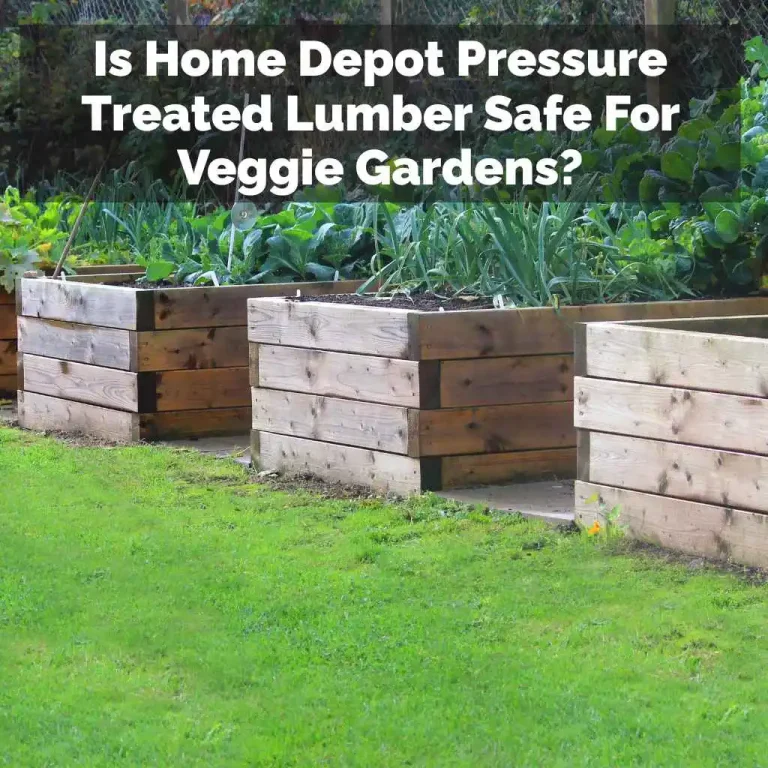
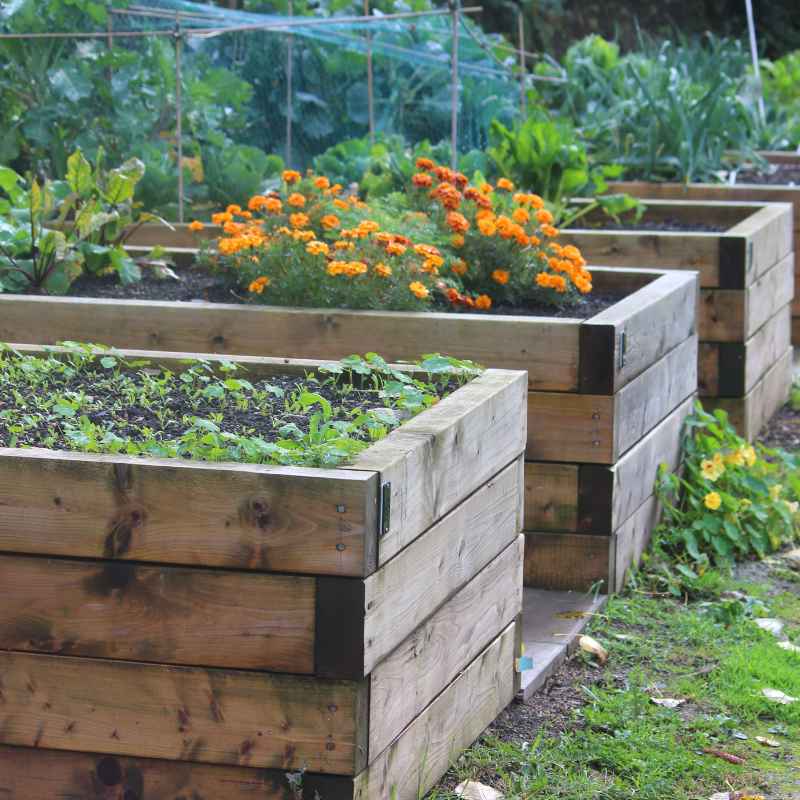
A raised vegetable garden is simply a garden bed. It is built up off the ground. The sides are usually made from wood, stone, or metal.
You fill these beds with good soil. This creates a special spot just for your plants. It’s like giving your vegetables their own comfortable home.
They sit higher than the ground around them.
This simple idea makes a big difference. It helps control the soil quality. It also makes it easier to manage weeds.
And for many, it means less bending and kneeling. This makes gardening possible for more people. It’s a clever way to get more from your garden space.

My First Raised Bed Adventure
I remember staring at my backyard. The soil was hard as rock. Weeds seemed to grow faster than I could pull them.
I wanted to grow tomatoes, but I felt so discouraged. My back hurt just thinking about digging into that tough ground. It felt like a lost cause.
Then, a friend told me about raised garden beds. I was skeptical at first. It seemed like extra work to build them.
But I decided to try just one. I bought some simple wooden planks and screws. I picked a sunny spot and put the frame down.
Filling it with good compost and soil felt amazing. It was like giving my plants a five-star hotel. That first season, my plants grew so much better.
The tomatoes were bigger. The carrots were straight. It was a small change with a huge impact.
I was hooked!
Raised Bed Benefits at a Glance
Better Drainage: Water flows away easier. This stops roots from getting too wet.
Warmer Soil: Soil warms up faster in spring. This helps plants grow sooner.
Less Weeds: It’s harder for weeds to find their way in.
Healthier Soil: You control the soil mix. Add compost for happy plants.
Easier Access: Less bending and kneeling. Good for your back!
The Big Advantages of Raised Vegetable Gardens
Let’s dive into why these raised beds are so great. They really do make gardening better. You get healthier plants and bigger harvests.
Plus, it can be much easier on your body.
Superior Soil Quality
One of the biggest pluses is soil control. In your yard, you might have clay soil. Or it could be sandy and drain too fast.
Maybe it’s full of rocks. With a raised bed, you start fresh. You can mix the perfect soil blend.
You can add lots of compost and organic matter. This gives your plants a nutrient-rich start. It’s like giving them a superfood smoothie from day one.
This custom soil helps plants grow strong roots. They can find water and food easily. This means less stress for the plants.
And less stress for you trying to fix poor soil. You create an ideal environment for growth. This leads to better vegetables.
It’s a foundation for success.
Excellent Drainage
Most plants hate having “wet feet.” This means their roots sit in soggy soil. This can lead to root rot. It can also invite diseases.
Raised beds solve this problem naturally. Because they are higher than the ground, water drains away. It flows out the sides and bottom.
This is especially helpful if your yard tends to hold water. Or if you get a lot of rain.
Even if you water too much, the excess water can escape. This keeps the soil from becoming waterlogged. Good drainage means healthier roots.
Healthier roots mean healthier plants. And healthier plants produce more delicious food. It’s a simple but powerful benefit.
Soil Warms Up Faster
Think about how the sun hits dark soil. It warms it up. Raised beds, especially darker ones, absorb more sun.
The soil inside gets warm more quickly in the spring. This is a big deal for getting your garden started early. You can plant seeds sooner.
Your plants can begin growing when the air is still a bit cool.
This earlier start can mean a longer growing season. You get to enjoy your harvest sooner. And you might get more harvests throughout the year.
This is a key advantage, especially in places with short summers. It helps your plants get a head start. They feel the warmth and start to grow.
Fewer Weeds
Weeds are the bane of every gardener’s existence. They steal water and nutrients from your veggies. They can choke out young plants.
Raised beds help a lot with weed control. First, you start with clean soil. This means fewer weed seeds to begin with.
Second, the edges of the raised bed act as a barrier. It makes it harder for weeds from your lawn to creep in.
You can also add a layer of landscape fabric under the bed. This further stops weeds from growing up from below. Weeding becomes much less of a chore.
You spend less time fighting weeds. And more time enjoying your beautiful garden and tasty produce.
Weed Control Tip
Layering is Key: For extra weed protection, place a layer of cardboard or landscape fabric at the bottom of your raised bed before adding soil. This smothers existing weeds and prevents new ones from growing up.
Reduced Pests
While raised beds don’t eliminate pests entirely, they can help. Certain garden pests, like slugs and snails, have a harder time climbing the walls of a raised bed. This can be a significant help.
Also, since the soil is usually of better quality and the plants are healthier, they can be more resilient to pest damage. A strong plant can often recover from minor pest attacks.
Some gardeners also find it easier to install barriers around raised beds. You can add netting or row covers to protect plants from flying insects or larger critters. The contained nature of a raised bed makes these protective measures more effective.
It’s another way to keep your veggies safe and sound.
Easier on Your Body
This is a huge advantage for many people. Gardening often involves a lot of bending, kneeling, and digging. This can be hard on your back, knees, and joints.
Raised garden beds bring the garden up to you. The height of the bed reduces the need to bend over so much. You can stand or sit more comfortably while you plant, weed, and harvest.
For people with mobility issues, arthritis, or back problems, raised beds can make gardening possible again. It opens up a hobby that might have been out of reach. Imagine tending your garden without the usual aches and pains.
It makes the experience much more enjoyable and sustainable for the long term. This accessibility is a gift to gardeners of all ages and abilities.
Accessibility Options
Varying Heights: Raised beds can be built to different heights. Consider how high you need them to be for comfortable access. Even a few inches can make a difference.
Seating Areas: Some designs incorporate built-in seating. This allows you to rest while you work.
Wheelchair Accessible: Wider beds with pathways allow for wheelchair access, making gardening truly inclusive.
Longer Growing Season
As mentioned earlier, raised beds warm up faster. This early warmth allows you to plant earlier in the spring. You can also extend the season in the fall.
You might be able to harvest a bit longer. Some gardeners even use cold frames or mini-greenhouses over their raised beds. This provides protection from frost.
It allows for winter growing in many climates.
This extended season means more time enjoying fresh produce. You get more bang for your buck with your garden space. It’s like getting extra weeks or even months of fresh food.
This increased yield over the year is a significant benefit.
Better for Root Development
Plant roots need space to grow deep and spread out. In hard, compacted soil, roots can struggle. They might become stunted or circle around.
Raised beds offer loose, well-draining soil. This allows roots to grow freely. They can explore the soil deeply.
Stronger root systems mean healthier, more robust plants. They are better able to take up water and nutrients. This leads to better growth above ground.
You’ll see stronger stems and more flowers. This means more fruits and vegetables for you to enjoy. It’s a foundation for a fruitful harvest.
Controlled Watering
With raised beds, you have more control over how you water. Because the soil drains well, you’re less likely to overwater. You can also water more directly.
You can aim for the base of the plants. This helps water reach the roots. It also reduces water loss through evaporation.
This can mean you use less water overall.
You can also use different watering methods. Drip irrigation systems work wonderfully with raised beds. They deliver water slowly and directly to the root zone.
This efficiency is good for your plants and good for your water bill. Consistent, proper watering is key to a great harvest.
Watering Smartly
Water the Roots: Always aim to water the base of the plants. Avoid wetting the leaves, which can encourage disease.
Check Soil Moisture: Stick your finger about two inches into the soil. If it feels dry, it’s time to water. If it feels moist, wait.
Morning is Best: Watering in the morning allows plants to hydrate before the heat of the day. It also lets foliage dry before nightfall.
Increased Yield
When you combine better soil, drainage, fewer weeds, and healthier plants, what do you get? You get higher yields. Because your plants are thriving, they can produce more.
They are less stressed. They have the resources they need to grow big and strong. This means more tomatoes on the vine.
More peppers in the basket. More beans on the plant.
You can also plant more densely in raised beds. Because the soil is so good, plants can tolerate being a little closer together. This means you can grow more food in a smaller space.
It’s a win-win for any gardener looking to maximize their harvest. More food for your table!
Aesthetic Appeal
Raised garden beds can also make your yard look great. They create defined borders. They add structure and neatness to your garden.
You can choose materials that match your home’s style. Wood gives a rustic look. Stone can feel elegant.
Metal can be modern. They can turn a simple garden into a beautiful focal point.
A well-designed raised garden bed looks intentional. It adds beauty to your landscape. It shows that you take pride in your outdoor space.
It’s not just about growing food; it’s about creating a beautiful and functional area. They can truly enhance your home’s curb appeal.
Material Choices
Wood: Cedar and redwood are naturally rot-resistant. Pine needs treatment or will decay faster.
Stone/Brick: Very durable and can create a formal look.
Metal: Corrugated metal offers a modern, industrial feel.
Composite: A good option for durability and low maintenance.
Real-World Scenarios for Raised Beds
Let’s think about where raised beds shine. They work in so many different situations. You might have a small urban balcony.
Or a large backyard with challenging soil. Raised beds offer solutions for all of them.
Urban Gardening
In cities, yard space is often limited. You might only have a small patch of lawn or even just a patio. Raised beds are perfect for this.
You can build them to fit your available space. You can even use them on rooftops or balconies. They allow you to grow fresh food even in a concrete jungle.
They bring a touch of nature to urban living.
The ability to control the soil is also key in urban areas. You don’t know what’s in the ground. Raised beds let you bypass that concern entirely.
You bring in clean, healthy soil. You create your own green oasis, no matter how small.
Gardening on Slopes
If your yard is on a hill, gardening can be tough. Water runs off quickly. Soil erodes easily.
Building raised beds on a slope can help. You can create level planting areas. This stops soil from washing away.
It also helps hold water for your plants. You can terrace them or build them into the slope.
This makes gardening on uneven ground much more manageable. You don’t have to fight the terrain. You work with it.
It allows you to make use of every bit of your property. Even the parts that seem difficult at first.
Gardening with Children
Raised beds are fantastic for teaching kids about gardening. The contained space is easy for them to manage. The reduced bending makes it comfortable for them.
They can help plant, water, and harvest. They can see the plants grow up close. It’s an engaging way to connect them with nature and food.
The better results from raised beds can also encourage kids. Seeing successful plants makes gardening fun. It builds confidence and a sense of accomplishment.
It’s a great way to get them involved and learning.
What This Means for You
So, what do all these advantages translate to for your garden? It means you can achieve your gardening dreams more easily. It means you can have a productive and beautiful garden.
It means you can enjoy fresh, healthy vegetables. Even if you thought you didn’t have the right conditions.
When It’s Normal to Have Raised Beds
It’s normal to use raised beds if you have poor soil. Clay, sand, or rocky soil are common reasons. If your yard floods or drains poorly, raised beds are a great fix.
If you want to start gardening earlier in the season, they help. If you have limited space, like a small yard or patio, they work well.
If you have physical challenges like back pain or knee issues, raised beds are a smart choice. They are also excellent for organic gardening. You have full control over the soil and any amendments used.
It’s a normal and highly effective gardening practice for many.
When to Consider Alternatives or Add-ons
Raised beds aren’t always the first or only answer. If you have perfectly healthy, well-draining soil already, you might not need them. Some people prefer the look of in-ground gardens.
If you are on a very tight budget, building raised beds can be an initial cost. You might consider starting small.
If pests are a major issue, raised beds alone might not be enough. You may still need to use pest control methods. For very deep-rooted plants, you might need very deep raised beds.
Or you might stick to in-ground planting for those specific crops.
Simple Checks for Your Garden
Before deciding, check your soil. Dig a hole. Does it feel hard?
Does water puddle? Is it full of rocks? Look at your yard after rain.
Does water drain away, or does it sit there? Assess your own comfort. Can you garden comfortably now?
If not, raised beds can offer a solution. Consider the sun exposure in your chosen garden spot. Most vegetables need at least 6-8 hours of direct sun daily.
Quick Tips for Raised Bed Success
If you decide to go for raised beds, here are a few quick pointers. Start with a good plan. Measure your space.
Decide on the materials you want to use. For wood, choose rot-resistant types like cedar if your budget allows. Or use untreated pine and know it will need replacing sooner.
Fill your beds with a good mix. Often, a blend of compost, topsoil, and maybe some peat moss or coconut coir works well. Don’t just use plain garden soil from your yard; it can compact too much.
Water regularly, especially when plants are young. Keep an eye on the soil moisture.
Filling Your Raised Bed
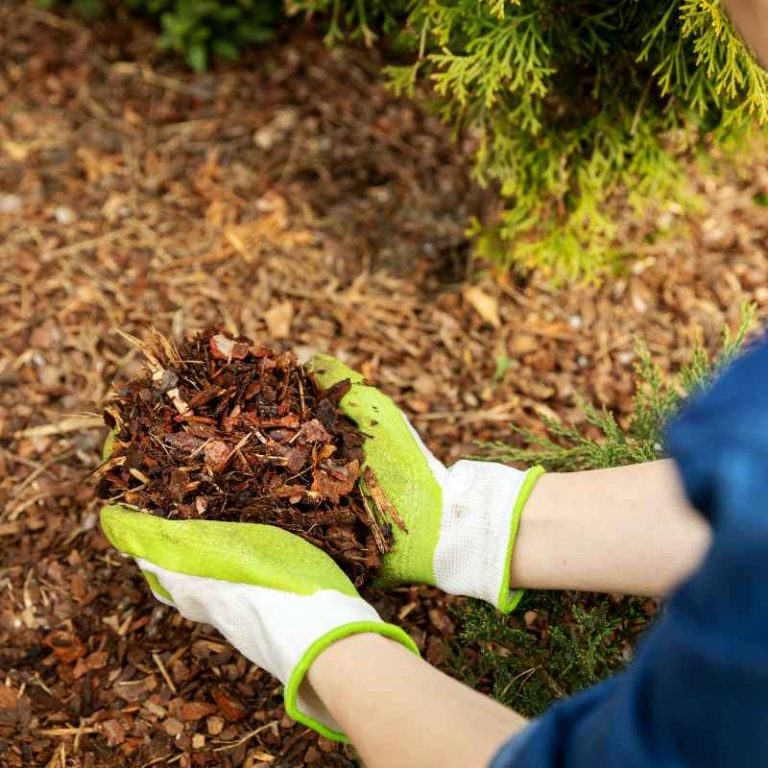
Layering Method: Start with bulky organic materials at the bottom (like small logs, branches, straw). Then add compost, then a good quality topsoil blend. This saves on soil cost and improves drainage.
Bagged Mixes: Many garden centers sell specific raised bed soil mixes. These are convenient but can be more expensive.
DIY Mix: A common mix is 60% topsoil, 30% compost, and 10% perlite or vermiculite for drainage and aeration.
Frequently Asked Questions About Raised Vegetable Gardens
Are raised garden beds better than in-ground gardens?
Raised garden beds offer many advantages like better drainage, warmer soil, and fewer weeds, which can lead to healthier plants and higher yields. They also make gardening more accessible for people with physical limitations. However, in-ground gardens can also be very productive if your soil is good and you manage it well.
It often depends on your specific needs and conditions.
How deep should a raised garden bed be?
For most vegetables, a depth of 6 to 12 inches is sufficient. This allows enough room for root growth. If you plan to grow root vegetables like carrots or potatoes, aim for 12 inches or more.
For plants with shallow roots, 6 inches might be enough. Consider the plants you want to grow.
What are the best materials for building raised beds?
Naturally rot-resistant woods like cedar and redwood are popular choices. They last a long time. Pine is cheaper but will decay faster unless treated.
Stone, brick, or concrete blocks offer durability and a more permanent look. Corrugated metal is a modern option. Composite lumber is also a long-lasting choice.
Do raised beds get too hot in the summer?
Raised beds can get warmer than in-ground gardens, especially darker colored ones or those made of metal. This can be an advantage in cooler climates for an earlier start. In very hot climates, you might need to water more frequently.
Mulching the top of the soil can help keep it cooler and retain moisture.
Can I use regular garden soil to fill my raised beds?
It’s generally not recommended to fill raised beds with just regular garden soil from your yard. It can become compacted over time, reducing drainage and aeration. A good mix usually includes compost, topsoil, and possibly other amendments like perlite or vermiculite for better structure and drainage.
Many places sell specific raised bed soil mixes.
Are raised beds worth the cost and effort?
For many gardeners, the advantages of raised beds far outweigh the initial cost and effort. The improved yields, easier maintenance, and increased accessibility often make them a worthwhile investment. They can simplify gardening and lead to more successful harvests, making the effort feel rewarding.
Final Thoughts on Raised Vegetable Gardens
Raised vegetable gardens are a fantastic way to improve your gardening. They offer solutions for common problems. They lead to healthier plants and better harvests.
Whether you want easier gardening or a more beautiful yard, raised beds deliver. Give them a try and see the difference they can make.
Related pick: Check today's price on Amazon