What Is A Natural Insecticide For Vegetable Gardens? Tips
Natural insecticides are plant-based or mineral-based pest control solutions. They help manage garden pests without synthetic chemicals. This protects beneficial insects and makes your produce safer.

Garden Safe
Garden Safe Multi-Purpose Garden Insect Killer, for…
- FOR ORGANIC GARDENING: This garden insect spray can be used in homes, home gardens and home greenhouses
- KILLS 100+ LISTED INSECTS: Kills aphids, tomato hornworms, green fruitworms and other listed insect pests
- USE UP TO DAY OF HARVEST: May be used on edible crops up to and including the day of harvest
As an Amazon Associate I earn from qualifying purchases.
For the broader gardening context, Can You Use White Containers For Vegetable Gardens? gives readers a useful next step on the same topic.
Many effective natural options exist for a healthy vegetable garden.

What Are Natural Insecticides?
Natural insecticides are ways to control bugs in your garden that aren’t made from labs. They come from things found in nature. Think plants, minerals, or even tiny living things.
These are often called organic pest control. They work by making the bugs go away or by stopping them from hurting your plants.
The main idea is to deal with pests in a way that is kinder to the environment. This means they don’t stick around for a long time. They also don’t harm the good bugs, like bees or ladybugs, that help your garden.
And of course, they make sure your vegetables are safe for you and your family to eat.
Many people worry about bugs. They see holes in leaves or wilting plants. They want to fix it fast.
But they also think about what they are spraying. Will it hurt their pets? Will it make the plants unsafe?
Natural options give you peace of mind. You can tackle pest problems without those worries.
When we talk about natural insecticides, we mean things like oils, soaps, plant extracts, and even simple minerals. These have been used for a very long time. People knew how to manage pests long before modern chemicals were invented.
They observed nature and found solutions within it.
It’s important to know that “natural” doesn’t always mean “harmless.” Even natural things can harm good bugs if not used correctly. The key is using them wisely and targeting the pests you want to get rid of. This helps keep your garden balanced and healthy.

Why Use Natural Insecticides in Your Vegetable Garden?
Using natural insecticides is a smart choice for many reasons. The most important reason is safety. Chemical pesticides can be bad for your health.
They can also harm pets and other animals that visit your garden. Natural options are much safer for everyone. You can feel good about eating vegetables grown with them.
Another big reason is for the environment. Many chemical pesticides can hurt helpful insects like bees and butterflies. These insects are vital for pollinating your plants.
They also eat garden pests. When you use natural methods, you protect these beneficial creatures. This helps your garden thrive on its own.
Natural insecticides also help keep your soil healthy. Chemical pesticides can build up in the soil over time. This can harm the tiny organisms that live there and make the soil rich.
Natural options usually break down quickly. They don’t leave harmful residues behind. This keeps your soil alive and ready for more planting.
Think about your garden as a small ecosystem. Everything is connected. When you use harsh chemicals, you disrupt that balance.
You might kill the pests, but you also harm the good guys. You can also damage the soil. Natural methods aim to work with nature, not against it.
This leads to a more sustainable garden.
Many natural insecticides are also easy to make at home. You can use common items found in your kitchen or pantry. This saves money.
It also means you know exactly what is going into your garden. You are in control of the ingredients. This is a great feeling for any gardener.
Common Natural Insecticides and How They Work
There are several effective natural insecticides you can use. Each works in a slightly different way. Understanding these methods helps you choose the best one for your pest problem.
It also helps you use them correctly. This ensures they do their job without causing other issues.
Horticultural Oils
These are oils that are refined from petroleum or plant sources. They are very light and often mixed with water. When sprayed on plants, the oil coats soft-bodied insects.
This includes things like aphids, spider mites, and whiteflies. The oil blocks their breathing pores. This suffocates them.
It can also disrupt their eggs and larvae. It is important to use these oils when temperatures are not too high. They can burn leaves if applied in hot sun.
Always follow the label directions carefully.
Insecticidal Soaps
These soaps are not your regular dish soap. They are specially made soaps. They work by breaking down the outer shell of soft-bodied insects.
This causes them to dehydrate and die. They are very effective against aphids, thrips, and mealybugs. Like horticultural oils, they work best when they directly contact the pest.
So, thorough coverage is key. They are generally safe for beneficial insects once the soap dries. But it’s still wise to spray in the early morning or late evening when pollinators are less active.
Neem Oil
This is a very popular natural insecticide. It comes from the neem tree, which is native to India. Neem oil does a few things.
It acts as an antifeedant. This means insects don’t want to eat plants treated with it. It also works as an insect growth regulator.
This stops young insects from growing into adults. And it can suffocate some insects. Neem oil is effective against a wide range of pests.
This includes caterpillars, beetles, and even some fungal diseases. It is generally safe for beneficial insects. But it’s good to avoid spraying it when bees are actively foraging.
Pyrethrins
Pyrethrins are natural insecticides derived from chrysanthemum flowers. They are very effective at quickly knocking down insects. They work by attacking the nervous system of insects.
This causes paralysis and death. Pyrethrins are fast-acting. They break down quickly in sunlight.
This means they don’t last very long. This is good for the environment. However, they can also harm beneficial insects.
They are often used in combination with other natural products. Look for products labeled “pyrethrins” derived from chrysanthemums.
Bacillus Thuringiensis (Bt)
Bt is a bacterium that lives in soil. It is very specific. It only harms certain types of insects, mainly caterpillars.
When caterpillars eat leaves sprayed with Bt, it produces toxins in their gut. These toxins cause them to stop eating and then die. Bt is a very safe option for gardeners.
It does not harm humans, pets, birds, or beneficial insects. It is a great choice for controlling pests like cabbage worms and tomato hornworms. There are different strains of Bt for different pests.
Make sure to get the right one.
DIY Natural Insecticide Recipes
Making your own natural insecticides can be very rewarding. It’s often cheaper and gives you control over the ingredients. Here are a few simple recipes you can try.
Always test a small area of your plant first. Wait 24 hours to see if there are any bad reactions. Then, spray your plants thoroughly.
Remember to spray early in the morning or late in the evening.
Garlic and Pepper Spray
What it does: This spray repels many insects with its strong smell and spicy taste. It’s good for aphids, whiteflies, and some beetles.
Ingredients:
- 2 whole bulbs of garlic
- 1-2 hot peppers (like cayenne or jalapeño)
- 1 quart of water
- 1 teaspoon of mild liquid soap (like castile soap)
How to make it:
- Chop the garlic and peppers.
- Mix them in the quart of water.
- Let it steep for at least 24 hours.
- Strain the mixture through cheesecloth or a fine sieve.
- Add the liquid soap and mix gently.
- Pour into a spray bottle.
How to use it: Spray directly on affected plants. Avoid spraying on hot days.
Soap Spray
What it does: This is like store-bought insecticidal soap. It works on soft-bodied insects by damaging their outer layer.
Ingredients:
- 1 tablespoon of mild liquid soap (pure soap, no detergents or degreasers)
- 1 quart of water
How to make it:
- Mix the soap and water in a spray bottle.
- Shake gently.
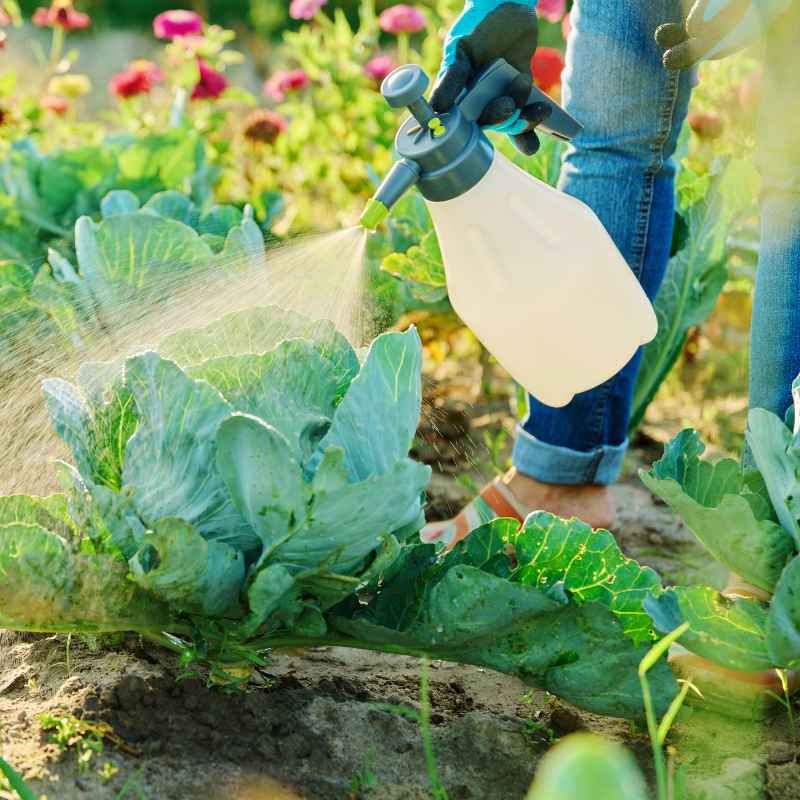
How to use it: Spray directly on pests. Make sure to cover them well. Repeat as needed.
Test on a small leaf first.
Tomato Leaf Spray
What it does: Tomato leaves contain alkaloids that can deter and kill some insects, like aphids and tomato hornworms.
Ingredients:
- 2 cups of chopped tomato leaves
- 1 quart of water
How to make it:
- Chop the tomato leaves.
- Soak them in water for at least 24 hours.
- Strain the liquid.
How to use it: Spray on plants that have aphids or hornworms. This is best used for prevention and light infestations.
Natural Predators and Beneficial Insects
One of the best ways to control pests naturally is to invite good bugs into your garden. These are insects that eat or harm the pests you don’t want. They are nature’s pest control service.
You can attract them by planting certain flowers and herbs. You can also buy them online or at garden centers.
Meet Your Garden Allies
Ladybugs: These eat a lot of aphids. They are a gardener’s best friend. You can buy ladybugs, but it’s better to attract them with plants like dill, fennel, and yarrow.
Praying Mantises: They are big predators. They eat a wide variety of insects. You can find their egg cases in the fall.
Hatching them in the spring releases tiny mantises into your garden.
Lacewings: Their larvae are voracious aphid eaters. Adult lacewings eat pollen and nectar. Planting flowers like cosmos and cilantro helps attract them.
Hoverflies (Syrphid Flies): Their larvae look like tiny maggots and are great aphid eaters. The adult flies look like small bees and pollinate your plants.
Ground Beetles: These live on the soil. They eat slugs, snails, and insect eggs. Keeping your garden beds mulched helps them thrive.
To attract these helpers, plant a variety of flowering plants. Flowers that have small florets are good. Think dill, parsley, cilantro, and fennel.
Also, sunflowers, marigolds, and asters are great choices. Provide a water source. A shallow dish with some pebbles can work.
Avoid using any pesticides, even natural ones, unless absolutely necessary. This protects your beneficial insect population.
Sometimes, you can buy these insects and release them into your garden. This is called biological control. It can be effective for a quick boost.
But it’s usually better to create an environment where they want to live and reproduce naturally. This provides long-term pest control.
Having a healthy garden means having a balance of insects. Some will eat your plants. Some will eat those plant-eaters.
And some will pollinate your flowers. Natural pest control is about supporting this balance. It’s about working with nature to keep your vegetable garden healthy and productive.
Physical Barriers and Other Non-Chemical Methods
Sometimes the simplest methods are the most effective. These methods don’t involve spraying anything at all. They focus on preventing pests from reaching your plants.
Or they involve physically removing them. These are great additions to your natural pest control plan.
Quick Scan: Non-Chemical Pest Control
Row Covers
Use: Fine mesh fabric covers that go over your plants. They keep flying insects out but let light and water in.
Best for: Cabbage worms, flea beetles, squash vine borers.
Collars
Use: Placed around the base of young plants. They create a barrier to stop cutworms.
Best for: Young seedlings of tomatoes, peppers, broccoli.
Handpicking
Use: Simply pick pests off your plants and drop them into a bucket of soapy water.
Best for: Larger pests like tomato hornworms, slugs, snails, Japanese beetles.
Water Spray
Use: A strong blast of water from a hose can knock off aphids and spider mites.
Best for: Aphids, spider mites, small crawling insects.
One simple yet effective method is using row covers. These are lightweight fabrics draped over hoops or frames above your plants. They physically block insects from landing and laying eggs on your vegetables.
They are great for crops like broccoli, cabbage, and cucumbers. Just remember to remove them when your plants need to be pollinated, like when squash or cucumber flowers appear.
Another method is creating barriers around the base of plants. For example, cardboard collars can prevent cutworms from reaching young seedlings. You can also use copper tape to deter slugs and snails.
They don’t like crossing the copper strip.
Handpicking pests is very effective, especially for larger bugs. If you see a tomato hornworm or a slug, just pick it off. Drop it into a bucket of soapy water.
It sounds tedious, but for small gardens, it works wonders. It’s also a good way to get familiar with what’s in your garden.
A strong spray of water from your garden hose can also dislodge many pests. This is particularly useful for aphids. They are small and easily knocked off their perches.
Doing this regularly can significantly reduce their numbers. It’s a quick and easy way to manage an early infestation.
When Natural Insecticides Are Not Enough
While natural methods are fantastic, there are times when pests can become overwhelming. If you have a very large infestation, or if your plants are suffering serious damage, you might need to consider stronger options. It’s about finding the right balance for your garden’s needs.
First, always reassess the situation. Are you sure it’s a pest problem? Could it be a disease or a nutrient deficiency?
Sometimes, plants look bad for other reasons. If it is indeed pests, consider if you’ve applied your natural methods correctly and consistently. Sometimes, repeated applications are needed.
If natural methods are just not cutting it, and your plants are at risk, look for products that are approved for organic gardening. Many companies offer insecticidal soaps, neem oils, and Bt sprays that are certified organic. These are still natural products but are formulated for maximum effectiveness.
It is also important to understand the life cycle of the pest. Some pests have stages where they are harder to control. For example, some might have eggs that are resistant to sprays.
Or they might burrow into the ground. Knowing the pest helps you choose the right time and method to combat it.
Consider companion planting as well. Some plants can naturally repel certain pests. For instance, planting marigolds among vegetables can deter nematodes.
Basil can help repel flies and mosquitoes. This is another layer of natural defense.
If you’re really struggling, don’t be afraid to ask for help. Local garden centers or university extension offices can offer advice. They can help identify pests and recommend specific strategies for your area.
They often have a lot of experience with local gardening challenges.
Real-World Context: A Gardener’s Story
I remember one summer, my tomato plants were absolutely covered in aphids. It was early July, and the heat was just starting to build. I had tried spraying them with just water, but they kept coming back.
The little green bugs were sucking the life out of my plants. I could see the leaves starting to yellow and curl. I felt a knot of panic in my stomach.
My prize-winning tomatoes were under attack!
My first thought was to grab the strongest chemical spray I had. But then I remembered why I started gardening: to grow healthy food, free from harsh chemicals. I took a deep breath and went to my shed.
I pulled out my bottle of insecticidal soap and my neem oil. I also gathered some garlic and hot peppers from my kitchen.
That evening, after the sun had started to dip, I went out to battle. I sprayed the tomato plants thoroughly with the soap and water mix. I focused on the undersides of the leaves where the aphids loved to hide.
Then, I sprayed them again with a diluted neem oil solution. It felt like a lot, but I wanted to make sure I got them all. I also spotted a few tomato hornworms and handpicked them off, dropping them into a jar of soapy water.
The next morning, I checked again. The aphids were still there, but their numbers seemed lower. I repeated the process for the next few evenings.
It took about a week of consistent effort, but I saw a huge difference. The aphid population was drastically reduced. My plants started to look greener and healthier.
The new growth was free of pests. It was such a relief. That experience taught me that natural methods take time and consistency.
But they work. And the reward of knowing my tomatoes were safe to eat was absolutely worth the effort.
What This Means For You: When Is It Normal?
A few bugs here and there in your vegetable garden are perfectly normal. Nature isn’t always neat and tidy. Seeing a few aphids on a new leaf, or a single slug on a lettuce head, isn’t usually a cause for alarm.
It means your garden is alive and part of a larger ecosystem.
It’s when the pest population explodes that you need to pay attention. If you see leaves being skeletonized, or plants wilting rapidly from insect feeding, that’s a sign of a problem. Large numbers of any pest mean they are reproducing faster than natural predators can control them.
Or, the conditions are just perfect for them.
Some pests are more aggressive than others. For example, a few flea beetle holes might be no big deal. But if your young seedlings are getting eaten down to nothing, you have a problem.
Always look at the extent of the damage. Is it just cosmetic, or is it threatening the life of the plant?
You can do a quick check. Gently turn over leaves. Look at the undersides.
See if there are clusters of eggs or small insects. You can also look for sticky residue (honeydew), which is a sign of sap-sucking insects like aphids.
If you’re unsure, take a picture of the pest or the damage. You can often find resources online or ask at your local nursery. Knowing exactly what you’re dealing with is the first step to fixing it.
Quick Fixes & Tips for Natural Pest Management
Here are some simple tips to keep in mind for natural pest management. These are easy to integrate into your gardening routine. They can make a big difference over time.
- Observe Regularly: Spend a few minutes in your garden each day. Look closely at your plants. This helps you spot problems early.
- Encourage Beneficials: Plant flowers and herbs that attract good bugs. Provide water sources.
- Keep Plants Healthy: Healthy plants are more resistant to pests and diseases. Ensure they have good soil, water, and sunlight.
- Rotate Crops: Don’t plant the same vegetables in the same spot year after year. This helps break pest cycles.
- Clean Up Debris: Remove dead leaves and plants. Pests can hide and overwinter in this material.
- Use Mulch: A layer of mulch can suppress weeds and provide habitat for beneficial insects. It also helps keep soil moist.
- Attract Birds: Birds can eat a lot of insects. Providing a bird bath can encourage them to visit.
- Consider Companion Planting: Some plants naturally repel pests or attract beneficial insects.

Frequent Questions About Natural Insecticides
What is the fastest natural way to kill garden pests?
The fastest natural way to kill pests is often through direct contact with insecticidal soaps or horticultural oils. Pyrethrins can also act very quickly. However, “fast” often means less residual effect, so repeated applications may be needed.
Bacillus thuringiensis (Bt) takes a few days to work as caterpillars need to ingest it.
Are natural insecticides safe for bees and other pollinators?
Many natural insecticides are safer than synthetic ones. However, “natural” doesn’t always mean “harmless.” Pyrethrins can harm bees. Neem oil can also affect them if sprayed directly while they are foraging.
It’s best to spray in the early morning or late evening when pollinators are less active. Bt is very safe for pollinators.
Can I use essential oils as natural insecticides?
Some essential oils, like peppermint, rosemary, and thyme, have insect-repelling properties. However, they must be used with extreme caution. They are highly concentrated and can burn plant leaves or harm beneficial insects if not diluted properly.
It’s often safer to use plant-based sprays like neem oil or garlic sprays.
How often should I apply natural insecticides?
The frequency depends on the product and the pest. Insecticidal soaps and oils often require application every 5-7 days until the pest is controlled. Bt might need application every week or two during peak caterpillar season.
Always follow the product label instructions. Regular observation is key to knowing when to reapply.
What is the difference between insecticidal soap and other soaps?
Insecticidal soaps are specifically formulated to kill insects. They contain potassium salts of fatty acids. Regular dish soaps or detergents often have degreasers, fragrances, or other additives that can harm plants and beneficial insects.
Always use a soap labeled as “insecticidal soap” or a pure, mild soap like castile soap for DIY recipes.
Can natural insecticides cure plant diseases?
Some natural products, like neem oil, have fungicidal properties and can help manage certain plant diseases. However, natural insecticides are primarily for pest control. If you have a plant disease, you may need a specific organic fungicide.
Always correctly identify the problem before treating it.
Conclusion
Protecting your vegetable garden from pests doesn’t have to mean using harsh chemicals. You have many natural options available. From simple sprays to inviting beneficial insects, you can keep your garden healthy.
These methods are safer for you, your family, and the environment. They help build a resilient and productive garden that you can be proud of.
Related pick: Check today's price on Amazon