How Different Liquids Affect Plant Growth Science Project
When you test different liquids on plants for a science project, you’ll see that plain water is best for healthy growth. Many other common liquids can harm plants or stop them from growing well. This is because plants need specific things from their water.

Miracle-Gro
Miracle-Gro Indoor Plant Food for All Plants,…
- INDOOR HOUSEPLANT FOOD: Miracle-Gro Indoor Plant Food All Plants contains nutrients for healthier, stronger plants (vs unfed when…
- NUTRIENTS FOR HEALTHY HOUSEPLANTS: This liquid plant food for indoor plants feeds instantly to help grow healthy houseplants
- FOR INDOOR POTTED PLANTS: Use house plant food with all indoor container plants, including houseplants, flowers, vegetables, herbs…
As an Amazon Associate I earn from qualifying purchases.
For a related plant or gardening question, How Are Bacterial Cells Different From Plant & Animal Cells? gives readers a focused next step.
For a related plant or gardening question, Can You Plant Different Fruit Trees Next to Each Other? Answered gives readers a focused next step.
For a related plant or gardening question, How Are Vacuoles Different In Plant And Animal Cells? gives readers a focused next step.
Other liquids have too much salt, sugar, or chemicals.

Understanding Plant Needs
Plants are living things. They need food and drink to live and grow. Just like us, they need water.
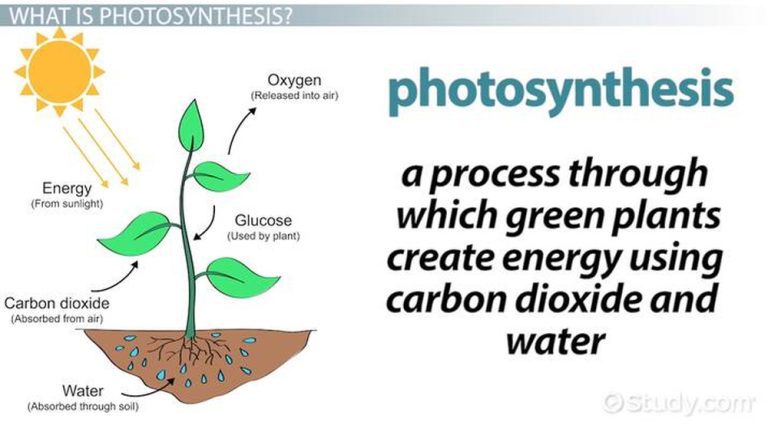
Water helps plants do many important jobs. It carries food from the soil to the leaves. It helps the leaves make their own food using sunlight.
Water also keeps plants firm and strong. Without enough water, plants wilt and die.
But not all liquids are the same. Water is made of H2O. This simple molecule is perfect for plants.
It moves easily through their roots and stems. It helps with something called photosynthesis. This is how plants turn sunlight into energy.
Other liquids have extra stuff in them. Think about milk. It has fats and proteins.
Soda has lots of sugar and carbonation. Saltwater has too much salt. These extra things can block water from getting into the plant.
They can also hurt the plant cells.
This is why testing different liquids is a good science project. You can see firsthand what plants like and what they don’t. It teaches you about plant biology and careful testing.
You will learn how to set up an experiment. You will also learn how to watch and record what happens.

My Own Plant Project Surprise
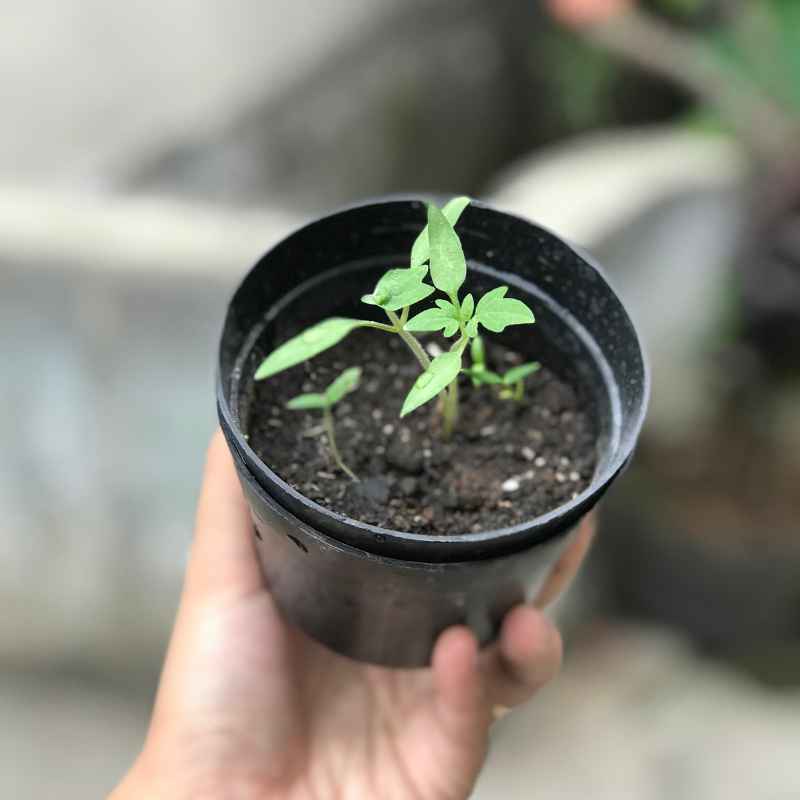
I remember one hot summer day. I was helping my neighbor with her garden. She had a row of little tomato plants.
They looked sad. The leaves were drooping. She had been using tap water.
But she decided to try something different. She had heard that diluted milk could help. So, she poured some milk, watered down with water, onto a few plants.
The next day, those plants looked even worse. The leaves started to turn yellow. There were even some brown spots.
I felt a pang of worry. My neighbor looked disappointed. We had made the plants sick!
That experience showed me right away that not all liquids are good for plants. It made me really want to understand why.
We quickly stopped using the milk. We went back to plain water. Slowly, the plants got better.
But they didn’t grow as well as the other plants that only got water. It was a clear lesson. Plants have simple needs.
We should not assume more is always better. This moment sparked my interest in plant science.
Plant Needs Checklist
What Plants Absolutely Need:
- Water (H2O)
- Sunlight
- Air (Carbon Dioxide)
- Nutrients from soil
What Plants Usually Don’t Need (and can be harmful):
- High Sugar Content
- High Salt Content
- Acids or Bases (pH imbalance)
- Fats or Proteins (hard to break down)
Setting Up Your Science Project
A plant growth project is simple to start. You need a few things. Get some small plants.
You can use seeds too. Pots are good. Make sure they have holes for water to drain.
You will also need the liquids you want to test. And you need a way to measure how the plants grow.
Let’s think about the liquids. Plain water is your control. This is what you compare everything else to.
What else can you test? Maybe milk. Or maybe juice.
How about soda? You could try saltwater. Or even diluted dish soap.
Just remember to be safe. Some liquids might be harmful if touched or tasted.
You need at least 3-4 plants for each liquid. This makes your results more reliable. If one plant gets sick for no reason, you still have others to look at.
You should also give all plants the same amount of sunlight. Keep them in the same spot. This way, the liquid is the only thing changing.
This is called a controlled experiment.
Measure your plants often. You can measure their height. You can count their leaves.
You can look at their color. Write everything down. A notebook is perfect for this.
Date your notes. What did you see each day? This data is what you will use later.
The Science Behind Water
Water is amazing. Its chemical formula is H2O. Two hydrogen atoms join one oxygen atom.
This makes water a polar molecule. This means it has a slight positive charge on one side and a slight negative charge on the other. This helps water attract other molecules.
It also helps water stick to itself.
Plants use water in a few key ways. One is called transpiration. This is like plant sweating.
Water evaporates from tiny pores in the leaves. This pulls more water up from the roots. It’s like a gentle vacuum.
This process also helps cool the plant down on hot days.
Water is also the main part of the plant’s sap. Sap carries nutrients. These are like food for the plant.
They come from the soil. Water dissolves these nutrients. Then it carries them all around the plant.
This helps every part of the plant get what it needs to grow and stay healthy.
Photosynthesis is another big job for water. Plants take carbon dioxide from the air. They use sunlight for energy.
And they use water. They combine these to make sugar. This sugar is the plant’s food.
It gives the plant energy to grow taller, make new leaves, and even produce flowers or fruit.
So, when you think about your project, remember how important pure water is. It’s the perfect carrier. It’s the perfect temperature regulator.
It’s the perfect ingredient for making food. Anything that messes with these jobs will affect the plant.
How Plants Drink
Process: Osmosis
Water moves into plant roots because there is more water outside the root cells than inside. The cell walls let the water pass through.
Process: Capillary Action
Water travels up the plant’s stem in tiny tubes. It moves against gravity because water molecules stick to each other and to the sides of the tubes.
Testing Milk: What Happens?
Milk seems like a good idea. It’s white and goes with growing things, right? Milk has calcium.
It has some vitamins. But it also has fats and proteins. These can be hard for plants to use.
They can also start to rot in the soil.
When milk is poured on plants, it can clog the soil. This stops air from getting to the roots. Roots need air to breathe.
If the soil gets packed down, the roots can’t get oxygen. This is bad for the plant. The fats in the milk can also create a barrier.
This can stop water from being absorbed by the roots.
If you use milk in your project, dilute it a lot. Maybe one part milk to ten parts water. Even then, watch closely.
You might see mold grow. You might see the soil smell a bit off. The plants might not grow as tall.
They could even get yellow leaves. This shows milk is not ideal for most plants.
I saw this happen with my neighbor’s tomatoes. They turned a bit yellow. Then some spots appeared.
It was a clear sign the milk was not helping. It was actually causing a problem for the plants.
Soda’s Sweet Problem
Soda is very different from water. It has sugar. Lots of sugar.
It also has acids. And it’s fizzy. This combination is a big no-no for plants.
The sugar in soda is like candy for plants. It can draw water out of the plant cells. This is the opposite of what plants need.
It can also feed bad bacteria in the soil. These bacteria can then hurt the plant’s roots. The high sugar content can also kill the good microbes in the soil.
These microbes help plants get nutrients.
The acids in soda can change the soil’s pH. Plants like soil to be a certain pH. Too acidic or too alkaline soil can stop plants from taking up nutrients.
It’s like trying to eat when your mouth is full of something sour. You can’t get the good stuff in.
The carbonation in soda is also a problem. When you pour it, bubbles come out. These bubbles can disturb the soil.
They might even damage tiny roots. Plus, the liquid is often cold. Sudden temperature changes can shock a plant.
For your project, soda would likely cause plants to wilt fast. Their leaves might turn brown. They probably wouldn’t grow at all.
Some might even die quickly. It’s a harsh lesson for a plant.
Soda vs. Plant Health
Issue: High Sugar
Effect: Dehydrates plant cells, feeds harmful bacteria, disrupts soil microbes.
Issue: Acidity
Effect: Throws off soil pH, blocks nutrient uptake.
Issue: Carbonation
Effect: Can disturb roots, shock the plant with temperature changes.
Saltwater: A Drying Agent
Salt is something we use to flavor food. But for plants, too much salt is toxic. Saltwater is a common liquid to test.
It shows a clear negative effect.
When plants get saltwater, their roots can’t take up water easily. The salt creates a higher concentration of solutes outside the root cells than inside. This means water actually moves out of the plant’s roots and into the soil.
This process is called osmotic stress. It’s like the plant is drying out, even though it’s surrounded by liquid.
The salt can also build up in the soil. This makes the soil itself toxic. It can burn the plant’s roots.
This damage stops the plant from getting any water or nutrients at all. The leaves will likely turn yellow or brown and dry up. They might even fall off.
For your science project, using saltwater will show a very distinct result. The plants will probably stop growing. They might shrink.
The leaves will likely look crispy and dead. It’s a good example of how balance is key for plants. They need minerals, but not too much salt.
I remember seeing plants near the beach. The salty spray from the ocean would hit them. Even those tough plants looked stressed.
It made me realize how sensitive plants can be to salt.
What About Other Liquids?
There are many other liquids you could test. Coffee or tea. These have acids and caffeine.
Orange juice. It’s very acidic and full of sugar. Vinegar.
This is a strong acid. Even just plain tap water can be different depending on your area. Some tap water has chlorine or fluoride.
While usually not harmful in small amounts, it’s good to be aware.
For your science project, it’s best to pick liquids that are very different. This will give you clear results. Plain water is your baseline.
Then pick something sweet like soda. Something with protein like milk. Something salty like saltwater.
Maybe something acidic like diluted juice.
Think about why you are choosing each liquid. What do you expect to happen? Write down your predictions.
This is called a hypothesis. For example, “I predict that plants given plain water will grow tallest. Plants given soda will grow the shortest.”
Liquid Testing Ideas
Liquid Type | What It Contains | Expected Plant Effect
Plain Water | H2O | Healthy Growth (Control)
Milk (diluted) | Fats, Proteins, Calcium | Possible mold, slow growth, yellow leaves
Soda | Sugar, Acid, Carbonation | Wilting, brown leaves, stunted growth
Saltwater | Sodium Chloride | Dehydration, root burn, wilting
Diluted Juice | Sugar, Acid | Similar to soda, but maybe less severe
Real-World Context: Why Plants Need Water
In nature, plants get water from rain. Rainwater is very pure. It has a neutral pH.
It’s the perfect drink. Sometimes, when there’s a drought, plants suffer. They wilt.
They stop growing. This shows how crucial water is.
What about watering plants in our homes? Most people use tap water. Tap water is treated.
This makes it safe for us to drink. It might have added fluoride or chlorine. Plants can usually handle these.
But if the water is very hard, it might have a lot of minerals. These can build up in the soil over time.
Gardeners sometimes use different things to help plants. They might use compost tea. This is made from compost and water.
It has nutrients. But it’s still mostly water. They might use diluted liquid fertilizer.
This adds specific nutrients. But it’s always diluted in water. The base is always water.
The key is balance. Plants need water to survive. They need nutrients to grow strong.
But they need these things in the right amounts. Too much of anything, or the wrong kind of anything, can be harmful. This is what your science project will show.
What This Means for Your Plants
When you do this project, you will see clear differences. The plants given plain water will likely be the happiest. They will be green.
They will stand up tall. They might grow new leaves or even buds. This shows that water is the best choice.
The plants given other liquids might show problems. They could be short. Their leaves might be yellow.
They might look droopy or sick. This means those liquids are not good for plant health. They are interfering with the plant’s natural processes.
It’s important to know when to worry about a plant. If its leaves turn yellow, it might need more light. Or it might have a watering issue.
If it wilts, it might need water. But if you are watering it with something other than water, and it wilts, then that liquid is likely the problem.
For your project, focus on observing and recording. Don’t try to “fix” a sick plant. The goal is to see what happens.
The data you collect will be very telling. It will confirm that plants need simple, pure water to thrive.
Observation Guide
What to Look For Daily:
Height: Is the plant growing taller?
Leaves: Are they green and healthy? How many are there?
Stem: Is it strong and upright?
Soil: Does it look wet, dry, or maybe moldy?
Overall Appearance: Does the plant look happy or sick?
Quick Tips for a Great Project
Here are some tips to make your project a success:
- Use the Same Pot Size: All pots should be the same. This makes sure the soil amount is equal.
- Use Enough Soil: Fill pots with the same amount of good potting soil.
- Water Consistently: Give each plant the same amount of liquid. Do this at the same time each day.
- Location, Location, Location: Put all plants in a spot with the same amount of sunlight.
- Label Everything Clearly: Use labels on each pot. Show which liquid it is getting.
- Take Pictures: Pictures are great proof! Take a photo of your plants at the start. Then take more photos every few days.
- Be Patient: Plants take time to grow. Stick with your experiment.
- Safety First: If you use something like dish soap, make sure it’s diluted. Wash your hands after touching anything.
These simple steps will help you get good, clear results. They will make your science project stand out.

Frequently Asked Questions
Why is plain water best for plants in a science project?
Plain water is best because it’s pure H2O. It has the right pH and doesn’t contain sugars, salts, or acids that can harm plant cells or disrupt their growth. Water is essential for photosynthesis and nutrient transport without negative side effects.
Can I use leftover drinks like juice or soda for my plant experiment?
While it’s tempting to use leftovers, most sugary or acidic drinks are not good for plants. The sugar can attract pests and rot, and the acid can damage roots. For a successful project, it’s better to use plain water and perhaps a very diluted version of milk or a mild solution if you’re testing something else.
How much liquid should I give each plant?
You should give each plant the same amount of liquid. This amount should be enough to moisten the soil but not so much that it pools at the bottom. For small pots, about 1/4 to 1/2 cup is often a good start.
Always ensure the pot has drainage holes.
What is a “control” in a plant science project?
A control is the group or condition that you compare everything else to. In a plant science project testing different liquids, the plants watered with plain water are the control. This helps you see if the other liquids have a positive or negative effect compared to what is normally good for the plant.
How do I measure plant growth accurately?
You can measure plant growth by marking the top of the plant with a ruler and noting the height in centimeters or inches. You can also count the number of leaves or observe the color and health of the leaves. Recording these details in a logbook is important for comparing results over time.
Is it okay if my plants look sad during the experiment?
Yes, it is okay if some plants look sad. That’s part of the experiment! If you are testing liquids like saltwater or soda, you expect the plants to react negatively.
This shows you what happens when plants get substances they can’t use. Your job is to observe and record these changes carefully.
Final Thoughts on Plant Hydration
Testing different liquids on plants is a fantastic way to learn. You see how crucial plain water is. It is the lifeblood of plants.
Other liquids can cause harm. They disrupt the delicate balance plants need. Your project will be a clear demonstration of this.
Remember to observe, record, and enjoy the process. You’re doing real science. You’re exploring the living world around you.
Happy experimenting!
Related pick: Check today's price on Amazon