How to Plant Seeds in a Windowsill Garden
To plant seeds in a windowsill garden, pick compact crops, use shallow containers with drainage holes for seedlings, sow at the seed packet’s depth, space seedlings for airflow, and keep the mix evenly moist under the brightest south- or southwest-facing window you have. If you ignore depth, light, or spacing, seeds may rot, stretch, or collapse before they can establish. This guide covers crop choice, setup, sowing depth, spacing, light, watering, and common windowsill problems.
What works on a windowsill?
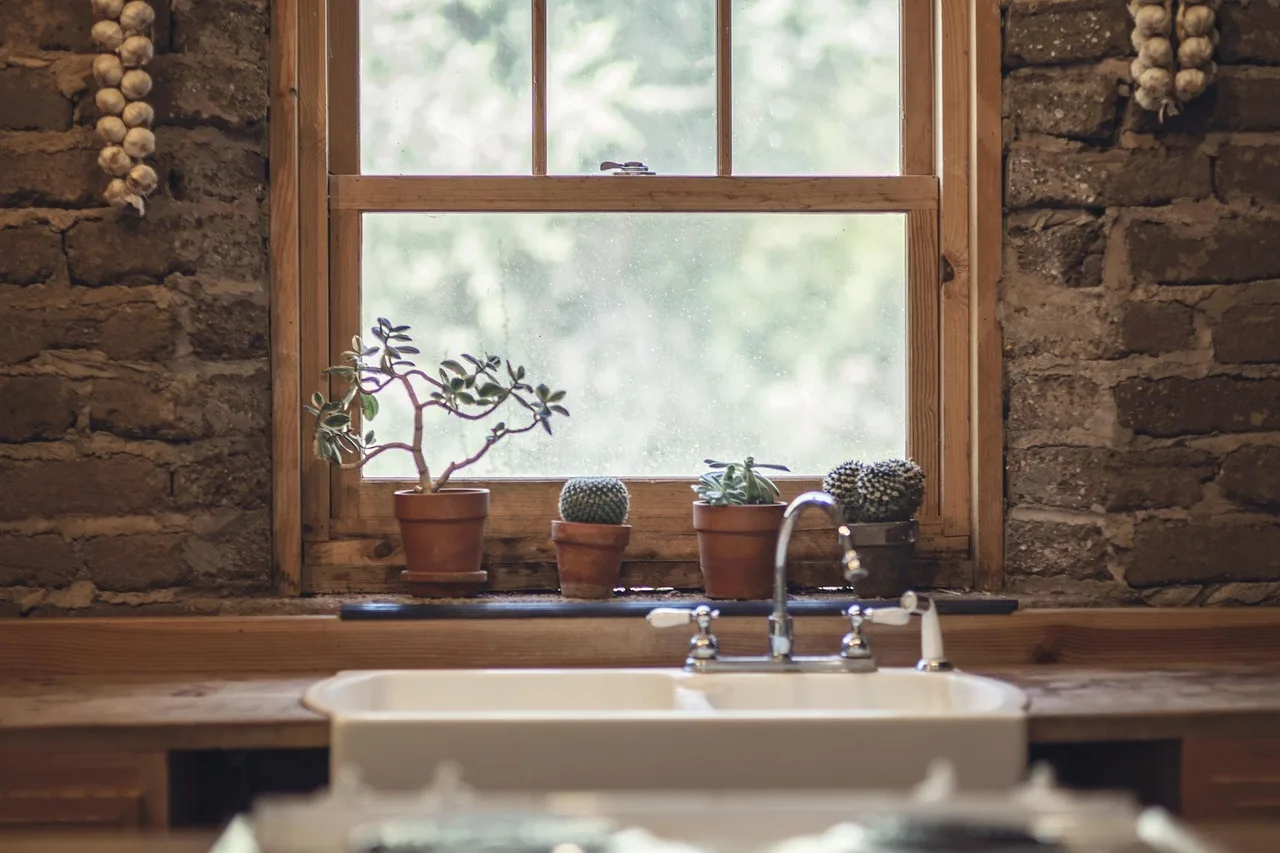


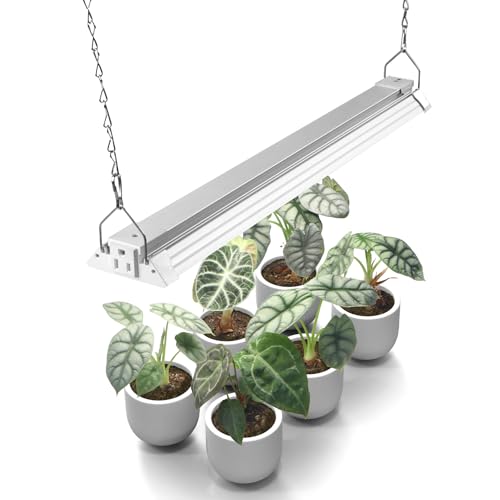
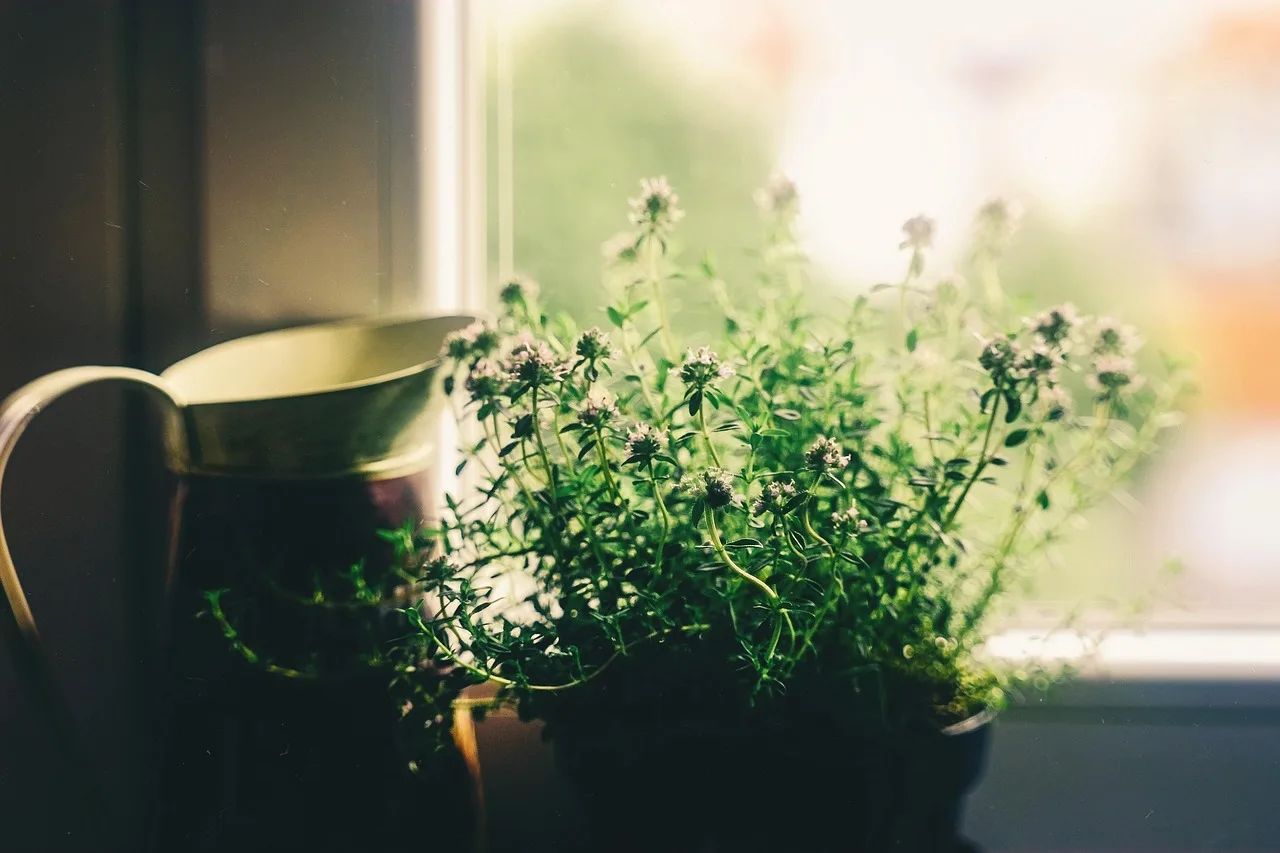
Bright, compact crops do best. Lettuce, arugula, cilantro, parsley, pea shoots, and microgreens are the safest starting choices because they finish in small containers and do not need deep root space. A south- or southwest-facing window is recommended for herb growing, and many herbs need at least 5 to 6 hours of solid sunlight.
Best crops for a bright sill
Leafy greens and fast herbs suit a sill better than bulky fruiting crops. Lettuce, arugula, cilantro, parsley, and pea shoots stay manageable in shallow trays, while microgreens can be packed more tightly and harvested young. If your goal is fresh cut-and-come-again harvests, choose plants that stay small and mature quickly.
Say your only bright spot is a kitchen sill that gets afternoon sun. Lettuce and arugula are better bets than tomatoes or cucumbers, because they can finish in a small tray without needing a deeper root run or stronger light.
When a windowsill is too dim
If the window gets weak winter light, long shade, or only a few hours of sun, seedlings often stretch toward the glass. That is a sign to add a small LED grow light or switch to a crop that needs less time on the sill. A windowsill can still work in winter, but not every sill has enough light for healthy seedlings.
Winter light is the common limit. Even a bright room can have a dim sill once the sun angle drops, so it helps to treat the window as one part of the setup, not the whole answer.
How do you set up the sill?
Start with a bright window, clean trays, and a fine-textured seed-starting mix that drains well without drying into dust. Keep trays away from radiators, heat vents, and other heat sources, because warm air can dry the mix too fast and push seedlings into stress. Use containers with drainage or set them on a drip tray so excess water can leave the root zone.
Choose the right window exposure
A south- or southwest-facing window is the best starting point for herbs and leafy seedlings. Put the trays where they receive the most direct light available, but watch for harsh winter cold against the glass. If the sill is unevenly lit, rotate trays every day or two so one side does not lean.
Use trays, shallow pots, and drainage
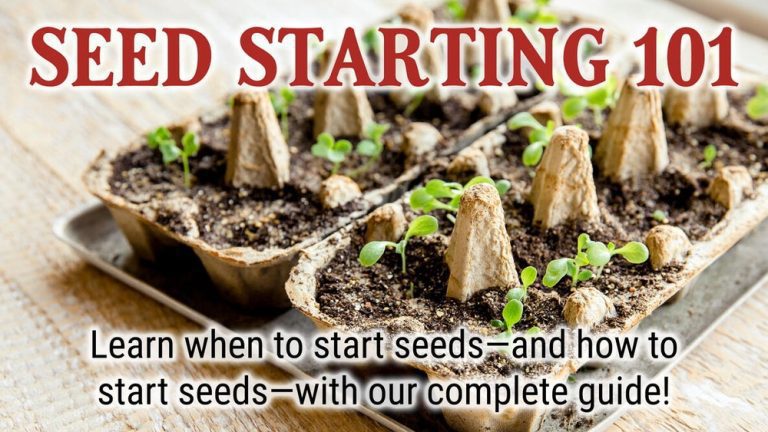
Seed trays are shallow containers made for sowing. They work well for peas, microgreens, and herbs, and they can be reused if cleaned before sowing. Small pots also work if they have drainage holes and sit in a tray that catches runoff.
- Clean the container. Wash reused trays with hot soapy water and let them dry fully. Clean surfaces reduce the chance of lingering debris or disease affecting young seeds.
- Fill with mix. Add a fine, well-draining seed-starting mix and level it gently. Do not pack it hard; roots need air as well as moisture.
- Pre-moisten the mix. Add water until the mix feels evenly damp, then stop before it turns muddy. Seedlings fail fast in waterlogged trays.
- Set the tray in light. Place it on the brightest sill you have, away from radiators and cold drafts. This keeps moisture loss and temperature swings more manageable.
Windowsill sowing matrix
This matrix gives a quick sowing guide for common windowsill crops. Use it as a fit check before you sow, especially if your sill is shallow, unevenly lit, or likely to dry out fast.
| Crop | Container depth | Sowing depth | Spacing | Light needs | First-harvest window |
|---|---|---|---|---|---|
| Lettuce | At least 2–3 inches | 1/4 inch | 2 inches apart | Bright sill; 5 to 6 hours helps | Baby leaves in 3–4 weeks |
| Arugula | At least 2–3 inches | 1/4 inch | 1–2 inches apart | Bright sill; cool light is better than hot glass | Cutting leaves in 3–4 weeks |
| Cilantro | At least 6 inches | 1/4 to 1/2 inch | 2 inches apart | Bright sill; 5 to 6 hours is helpful | Leaves in 4–6 weeks |
| Parsley | At least 6 inches | 1/4 inch | 2 inches apart | Bright sill; 5 to 6 hours is helpful | First snips in 6–8 weeks |
| Pea shoots | 2–3 inches in shallow box or tray | Cover lightly | Sprinkle generously | Bright sill; good light after sprouting | About 1 week after sprouting |
| Microgreens, radish | 1–2 inches | Surface sow, then cover lightly | Dense sowing | Bright sill or supplemental LED | 7–14 days |
| Microgreens, mustard | 1–2 inches | Surface sow, then cover lightly | Dense sowing | Bright sill or supplemental LED | 7–14 days |
| Microgreens, broccoli | 1–2 inches | Surface sow, then cover lightly | Dense sowing | Bright sill or supplemental LED | 7–14 days |
| Microgreens, kale | 1–2 inches | Surface sow, then cover lightly | Dense sowing | Bright sill or supplemental LED | 7–14 days |
| Microgreens, basil | 1–2 inches | Surface sow, then cover lightly | Dense sowing | Bright sill or supplemental LED | 10–18 days |
Direct sowing means placing seed into the final tray or pot on the sill. That is different from transplanting an established seedling into a windowsill setup later. For this topic, direct sowing matters most, because tray depth, spacing, and light all need to match the crop from day one.
How deep should seeds go?
Seed depth depends on seed size and crop type. Small seeds need thin coverage, often just enough mix to hold them in place. Lettuce seeds can be planted 1/4 inch deep, while pea seeds and larger seeds need more coverage and a sturdier tray so they do not dry out before sprouting.
Small seeds and fine coverage
Fine-textured seed-starting mix helps small seeds make contact with moisture without being buried too deeply. Cover lightly with compost or mix, then mist or water gently so the surface stays damp. If the covering layer is too thick, tiny seedlings may never reach daylight.
Leafy greens
Lettuce does well with shallow sowing and even spacing. Lettuce seeds can be spaced 2 inches apart for regular pickings. That room matters because crowded seedlings compete for light and moisture, then stretch upward as they fight for space.
Peas and larger seeds
Peas for shoots can be sown in shallow wooden boxes or seed trays. BBC Gardeners’ World says pea seeds can be sprinkled generously without spacing concerns, which suits a harvest of tender shoots rather than full-size pods. Keep compost just moist, not overwatered, so the seed coat does not sit in soggy mix.
How much light and water do seedlings need?
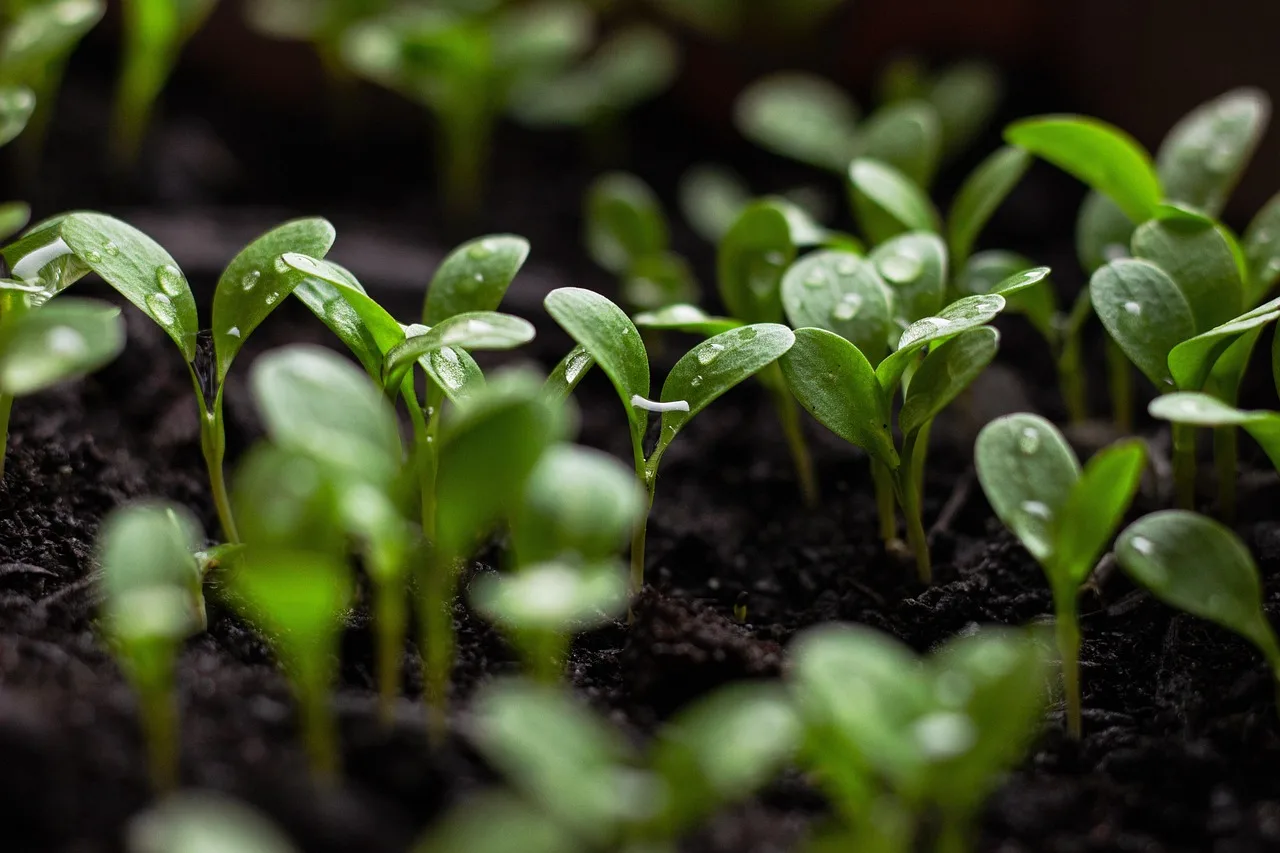
Most windowsill seedlings need strong natural light and careful watering. Herbs indoors may need at least 5 to 6 hours of solid sunlight, and winter windows often fall short. Water should keep the mix moist but never waterlogged, and excess water should drain away instead of sitting under the tray.
Natural light targets
Use the brightest south- or southwest-facing window available for herbs and leafy greens. If the sill only gets weak light, move the tray closer to the glass or add a supplemental LED light. When light is uneven across the sill, rotate the tray so seedlings do not lean in one direction.
Suppose a tray of cilantro sits near a bright corner but the far side shades into the room. The seedlings on the shaded edge will stretch toward the light unless you turn the tray, because the difference across a narrow sill can be enough to change growth.
When to add LED light
Add LED light when winter days are short, the window faces the wrong direction, or seedlings grow thin and pale even after rotation. Supplemental light matters most for crops you want to keep compact. A small grow light can be the better choice when the sill is bright for part of the day but never bright enough for sturdy growth.
Watering and drainage rules
Keep the mix just moist. Indoor containers dry out faster than outdoor beds, especially near heated rooms or sunny glass, so check the surface often. If water pools in the drip tray, pour it off so roots do not sit in excess moisture.
- Check the surface daily. Press a fingertip into the top layer. If it feels dry at the surface but damp below, wait; if it is dry through the top inch, water lightly.
- Water from the edge. Pour slowly until the mix is evenly damp and a little drains out below. That method wets the root zone without blasting tiny seedlings flat.
- Empty runoff promptly. Remove standing water from the tray after watering. This keeps roots from staying soggy and helps prevent damping off.
How do you keep seedlings from getting leggy?
Leggy seedlings usually mean the tray wants more light, more even light, or less crowding. Give them the brightest windowsill available, thin packed seedlings, and keep trays out of hot air from radiators. Cold glass can also slow growth, so a tray pressed directly against a freezing pane may struggle even if the room feels warm.
Fix uneven light
Rotate trays every day or two so all sides get the same exposure. If one end of the tray leans while the rest stays short, the window is probably lighting the tray unevenly. Move the crop closer to the brightest part of the sill before stems start to flop.
Thin crowded trays
Overcrowding increases competition for light, water, and air. Thin lettuce to the 2-inch spacing already noted, and do not let microgreens sit so thick that they mold or shade themselves out. Denser sowing works for microgreens and pea shoots, but even there the crop should still breathe.
Watch for cold glass and dry air
Cold drafts can stall germination near the pane, while heat from a radiator can dry the tray faster than expected. A common first-timer mistake is to place a tray where it gets both bright sun and hot air, then assume the mix should stay wet all the time. It should stay moist, not saturated.
Frequently asked questions
What seeds grow best on a windowsill?
Lettuce, arugula, cilantro, parsley, peas for shoots, and microgreens are the best starting crops for most windowsills. They fit shallow containers, finish quickly, and can be harvested young. Avoid crops that need deep root space or strong, all-day light.
How deep should I plant seeds in a windowsill tray?
Use the seed packet as the final guide, then match depth to seed size. Lettuce seeds can be planted 1/4 inch deep. Smaller seeds often need only a light cover of mix, while peas need a deeper sowing and steadier moisture.
How much light do windowsill seedlings need?
Many herbs indoors need at least 5 to 6 hours of solid sunlight, and they do best on a south- or southwest-facing window. In winter, that is often not enough on its own, so an LED light can help keep seedlings compact instead of stretched.
Should I use a seed starting mix for windowsill seeds?
Yes. A fine-textured, well-draining seed-starting mix is the safer choice for trays and small containers. It holds moisture without turning soggy, which helps small roots form while reducing the risk of rotting or poor germination.
How often should I water seeds on a windowsill?
Water when the top of the mix begins to dry, not on a fixed calendar. Windowsill trays can dry out faster than larger indoor pots, especially near heat sources. Keep the mix just moist, and always drain off excess water from the tray.
Can I grow herbs from seed on a kitchen windowsill?
Yes, if the sill is bright enough. A south- or southwest-facing kitchen window is the best fit, and most herbs need at least 5 to 6 hours of sunlight. Use containers at least 6 inches deep and keep them away from radiators or oven heat.
What can I plant on a windowsill in winter?
Winter is best for lettuce, arugula, cilantro, parsley, pea shoots, and some microgreens if the window is bright. Light is the main limit, so winter sowing often works better for fast crops than for larger plants. Add LED light if the sill is dim.
How do I keep seedlings from getting leggy on a windowsill?
Give them the brightest window, rotate the tray, thin crowded seedlings, and move them away from radiator heat. If light is still weak, add supplemental LED lighting. Leggy growth usually comes from low or uneven light, not from the seed mix alone.
Windowsill vs window sill
Both forms refer to the same thing in common use. The hyphenless version is more common in gardening writing, so this article uses windowsill, but either form points to the same narrow ledge by the window.