How to Plant Seeds for a Cut Flower Garden
Plant cut flower seeds at the depth on the packet, usually about 1/8 to 1/4 inch for small seeds and about twice the seed’s width for larger ones. Water gently, then keep the seedbed evenly moist until germination. Skip spacing, thinning, and succession sowing, and you get weak stems, a short harvest window, and fewer flowers. This guide covers timing, bed prep, direct sowing, indoor starting, thinning, succession planting, and aftercare for repeat harvests.
For timing, start with a reliable last frost date finder, then match each crop to guidance from sources such as university extension seed-starting charts, botanical garden sowing notes, and seed-company packet data. For mixes and trays, a good seed-starting mix guide helps keep moisture even without compacting the root zone.
What you’ll need


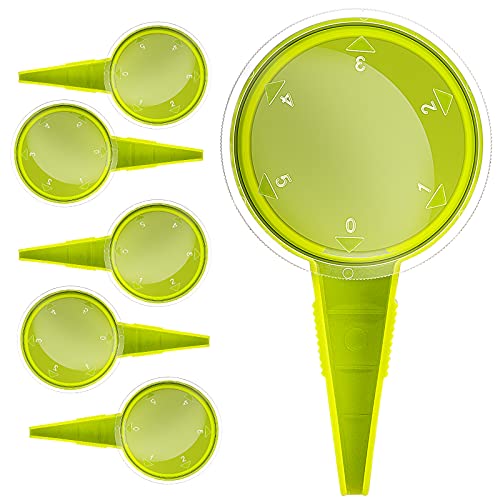
- Cut flower seeds from trusted seed suppliers or a local garden center
- Seed-starting mix for indoor sowing
- Grow lights for indoor seedlings
- Labels and a waterproof marker
- Seed trays, pots, or plug cells
- Watering can with a fine rose or a misting setup
- A way to thin seedlings, such as small snips
- Soaker hose or drip irrigation for transplant watering
- A recent last frost date for your location
- Soil test kit or lab report for nitrogen, phosphorus, potassium, and pH
How do you plant seeds for a cut flower garden?
Planting for cut flowers starts with stem quality, not bed color. Pick varieties with long stems and good vase life, then decide which ones you will start indoors and which ones you will direct sow. The last frost date is the key timing point for spring planting and transplanting.
Set up the bed with harvest access in mind. Keep rows or blocks narrow enough to reach the center without stepping in the soil, and leave paths wide enough for buckets, snips, and harvest carts if you use them. According to extension crop-planning advice, easy access protects stems and makes repeat cutting faster.
Annuals, biennials, and perennials
Annuals usually give the fastest bouquet harvest, so they often fit a first cut flower bed. Biennials need a longer runway, and perennials may be a better long-term bed choice if you want repeat cutting in later seasons. Do not give all three the same planting schedule.
Start with the harvest pattern
Think in waves. A productive cut flower garden usually depends on succession sowing, staggered transplanting, and a mix of bloom windows. That keeps flowers coming instead of arriving all at once and fading together.
Succession intervals vary by flower type. Fast annuals like zinnias and cosmos often do well with repeat sowings every 2 to 3 weeks during the planting season, while longer-season flowers such as snapdragons are usually staggered by one larger sowing plus a backup sowing. University and seed-company production notes consistently emphasize that repeated sowings extend the harvest and smooth out shortages.
How do you move seedlings outdoors?
Move seedlings only after hardening them off and after the frost danger has passed for tender plants. Give each plant the space its mature size needs, because airflow matters as much as root room in a cutting bed. A soil test can tell you what to add before transplanting.
Water at the base
Use a soaker hose or drip irrigation after transplanting. This keeps water off the foliage and helps limit fungal disease. Overhead watering is a poor default for a cut flower bed because wet leaves and crowded stems create more disease pressure.
Space for stem quality
Spacing is not only about fitting plants into the bed. It also affects stem length, straightness, and bloom quality. If a variety matures large, give it the room listed on the packet or more if the bed is exposed to wind and moisture stays high.
Support matters just as much as spacing for many cut flowers. Install floral netting or another stem-support system before plants get tall enough to flop. That is especially useful for crops grown for bouquet stems, because straight stems are easier to cut and arrange than short, tangled, or bent stems.
How deep should flower seeds be planted?
Follow the seed packet for depth, because tiny seeds and larger seeds do not want the same covering. A common rule of thumb is 1/8 to 1/4 inch for small seeds and about twice the seed’s width for larger ones, but packet directions should win if they differ. Some seeds should barely be covered at all.
Reputable sources back up the packet-first approach: botanical gardens and extension services commonly advise surface sowing or light covering for tiny seeds and deeper sowing only for larger seed types. If a packet or university guide conflicts with a general rule, use the crop-specific instruction.
Plant in the right medium
Sow into seed-starting mix rather than dense garden soil. The mix supports moisture control and germination, and it helps tiny roots move through the cell without crusting over the surface.
Thin early
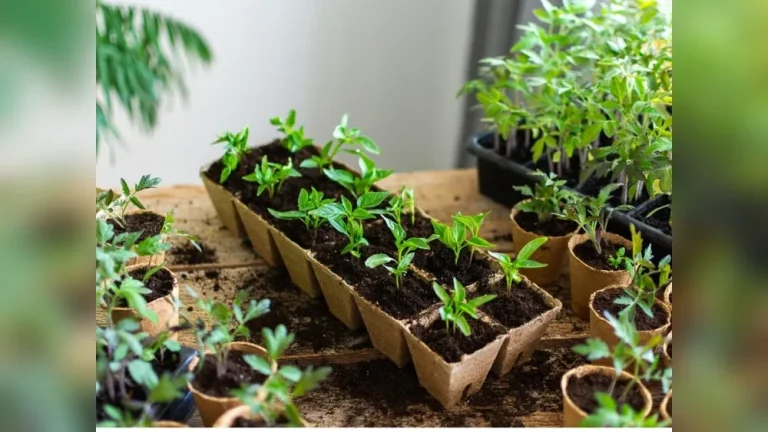
Label each tray, then thin crowded seedlings while they are still small. Dense stands compete for light and moisture, and they lead to weak stems that do not hold up well in a vase.
Stem length and vase life matter more than ornamental bedding traits when you are growing for cutting. A plant can look attractive in a border and still be a poor cut flower if the stems are short, floppy, or quickly fade in water.
When should you start cut flower seeds before the last frost?
Count backward from the last frost date, then match each flower type to the packet instructions. Many flowers can be started indoors several weeks ahead, while some are better direct sown once the soil warms. The packet is still the most reliable guide for each variety.
University extension seed-starting calendars typically use a weeks-before-last-frost window rather than a fixed calendar date, because climate and spring warming vary by location. Use the last frost finder, then adjust by crop and transplantability.
Indoor sowing versus direct sowing
Use indoor sowing for flowers that need a longer season or more reliable early growth. Direct sowing works best for flowers that are easier to handle in place or that dislike root disturbance. The Almanac says direct sowing is possible but less dependable, and many flower seeds can take time to sprout.
Sunflowers are a good example of a crop that can go either way. Balcony Garden Web recommends sowing sunflowers indoors 2 to 3 weeks before the last frost date, and it notes that sunflowers take about 2 to 3 months from seed to bloom and last almost two weeks in vases.
Hardening off is the bridge between indoors and outdoors. A gradual transition over several days reduces sunscald, wind stress, and transplant shock; many extension services recommend increasing outdoor exposure step by step rather than moving trays out all at once. For a simple sequence, see the hardening off seedlings guide.
Good timing by flower type
Zinnias are usually direct sown after frost or started indoors if the season is short. Cosmos often germinate well in place. Snapdragons are a stronger candidate for indoor starting. Sweet peas are often direct sown in cool soil or started early indoors where summers arrive fast. Sunflowers can be handled either way, but they need room and good light.
Choose seeds from trusted suppliers or a local garden center, then compare bloom window, stem length, and vase life before you buy. For a cut bed, seed packets that only promise a pretty flower are less useful than packets that give clear maturity and spacing guidance.
Beginner-friendly choices include zinnias, cosmos, snapdragons, sweet peas, and sunflowers. Those are common starting points because they give strong bouquet stems and clear seed-packet guidance, but they still need spacing, light, and timing matched to the crop.
For choosing selections with real cutting value, look at stem length, bloom duration, and vase life first. A bed of flowers that lasts in the landscape but produces short or weak stems is harder to harvest and arrange than a bed of more practical cut types. See also best cut flower varieties from seed.
What should you use to prepare the soil?
Run a soil test first, then adjust compost or amendments to fit the results for nitrogen, potassium, phosphorus, and pH. After that, loosen the bed, remove debris, and set irrigation so you can water at the base without wetting the foliage.
If you need help reading the lab report, use a soil test interpretation guide before adding fertilizer. That keeps you from overfeeding the bed or correcting the wrong nutrient problem.
Seed-starting timeline
| Flower | Indoor sowing window relative to last frost | Direct-sow timing | Transplant notes | Spacing |
|---|---|---|---|---|
| Zinnia | 4 to 6 weeks before last frost if started indoors | After frost and warm soil | Transplant carefully if started early; avoid disturbing roots | 6 to 12 inches apart, depending on variety |
| Cosmos | 3 to 4 weeks before last frost if started indoors | Often direct sown after frost | Keep spacing open for airflow and long stems | 9 to 12 inches apart |
| Snapdragon | 8 to 10 weeks before last frost | Usually not the first choice for direct sowing in cold soil | Start indoors for stronger transplants; press seeds lightly into mix | 6 to 12 inches apart, depending on type |
| Sweet pea | 6 to 8 weeks before last frost if started indoors | Direct sow where cool spring weather lasts | Transplant very young seedlings if moved; roots resent disturbance | 4 to 8 inches apart |
| Sunflower | 2 to 3 weeks before last frost | Can be direct sown after frost | Handle roots gently and provide sturdy support for tall types | 6 to 18 inches apart, depending on variety |
Common problems
| Failure point | Likely cause | Corrective action |
|---|---|---|
| Leggy seedlings | Insufficient light indoors | Move them under grow lights and keep the light source close enough for compact growth. |
| Poor germination | Wrong depth, uneven moisture, or temperature too low or too high | Recheck packet depth, moisture, and temperature; many seeds need time and stable moisture. |
| Crowding | Too many seedlings left in one tray or bed | Thin seedlings early and transplant at final spacing instead of packing more plants into the bed. |
| Fungal disease | Wet foliage, poor airflow, or heavy overhead watering | Switch to base watering with drip or a soaker hose and improve airflow around the plants. |
Step-by-step planting guide
- Start with the harvest goal, not color alone. Choose cut flower seeds for long stems, steady bloom production, and vase life, then sort annuals, biennials, and perennials before you buy.
- Check your last frost date before you do anything else. That date is commonly used to decide when to start indoors, when to transplant, and which flowers should stay in the ground longer before moving out.
- Sort crops into two groups: indoor sowing and direct sowing. Slower starters and flowers that need a head start usually belong indoors; crops that dislike transplanting often do better sown where they will grow.
- Fill trays with seed-starting mix, not garden soil. A lightweight mix holds moisture without packing down, which helps seedling roots and gives better germination than dense native soil.
- Sow at the packet depth, label every flat, and keep the surface evenly moist. Use the packet for timing too, because many flower seeds take time to sprout and some need light to germinate.
- Move seedlings under strong light as soon as they emerge. Grow lights help prevent weak, stretched stems, especially in cool seasons or on a dim windowsill.
- Harden off before transplanting outdoors. Set trays outside for short periods over several days so the seedlings adjust before they face sun, wind, and cooler nights.
- Prepare the bed with a soil test, then adjust compost or amendments based on the results. A test that checks nitrogen, potassium, phosphorus, and pH gives you a cleaner starting point than guessing.
- Set transplants at the right spacing for the mature plant. Crowded plants get less air, make weaker stems, and face a higher risk of fungal disease.
- Water at the base with a soaker hose or drip line. Keep the soil evenly damp, then check the bed again after watering instead of adding more from overhead.
Best beginner varieties
Zinnias, cosmos, snapdragons, sweet peas, and sunflowers are dependable starting points for a bouquet bed. They are beginner-friendly because they are widely grown, have well-documented seed-starting instructions, and can produce the stem quality needed for cutting when spaced and timed correctly.
If you want a simple first season, choose a small mix rather than a large catalog order. That makes it easier to manage succession sowing, support, and harvest timing while you learn how each flower behaves in your climate and bed layout.
Common mistakes
Starting too early can leave seedlings rootbound before the weather allows transplanting. Starting too late can shorten bloom time and reduce stem length. Both problems are common when the last frost date is ignored.
Another mistake is using garden soil in trays. It compacts, holds water unevenly, and can slow emergence. Dense soil also makes overwatering more likely, which raises disease pressure in young plants.
Suppose a bed is full of healthy seedlings but the rows are packed tight. The plants may bloom, yet the stems will be thin and hard to harvest cleanly. If that happens, thin hard now and respace the rest on the next planting round.
Prevention: keep a planting log with sowing date, transplant date, and spacing for each variety. That record makes next season’s timing and succession planting easier to repeat.
Frequently asked questions
Should I start cut flower seeds indoors or direct sow them?
Start indoors if the crop needs a longer season or benefits from early root growth, and direct sow if the variety dislikes transplanting or grows well in place. The seed packet and your last frost date should decide the method, not habit.
What are the best cut flowers to grow from seed?
Zinnias, cosmos, snapdragons, sweet peas, and sunflowers are dependable starting points for a bouquet bed. They give useful stem length and vase life, and they are common enough that packet directions are usually straightforward for spacing, depth, and timing.
How do I prepare soil for a cut flower garden?
Run a soil test first, then adjust compost or amendments to fit the results for nitrogen, potassium, phosphorus, and pH. After that, loosen the bed, remove debris, and set irrigation so you can water at the base without wetting the foliage.
Where do I buy cut flower seeds?
Buy from trusted seed suppliers or a local garden center with clear packet directions and current lot information. Look for varieties that list stem length, days to bloom, and plant spacing, since those details matter more in a cutting bed than flower color alone.
What seeds are easiest for a beginner cut flower garden?
Zinnias, cosmos, sunflowers, and some snapdragons are good starter choices because they are familiar, productive, and easy to organize in a simple succession plan. Start with a few varieties, not a packed mixed bed, so you can manage spacing and harvest timing more easily.