How to Plant Herb Seeds Indoors for a Kitchen Garden
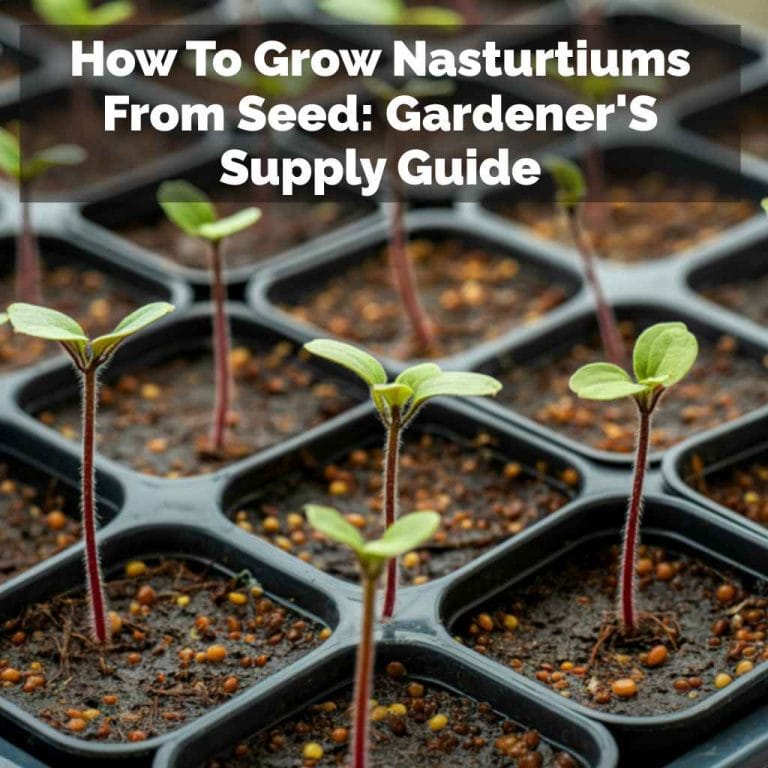
Start herb seeds indoors about 6 to 8 weeks before the last frost in a bright south-facing window or under a grow light for about 14 to 16 hours a day, using shallow trays, fine seed mix, and the sowing depth recommended for the herb. Weak light, soggy mix, or one-size-fits-all timing leads to stretched seedlings, thin flavor, and failed transplants. This guide shows how to choose seeds and setup, then sow, water, light, and transplant basil, parsley, cilantro, chives, dill, oregano, and thyme for kitchen use.
What you’ll need


- Containers with drainage holes and a watertight tray under them
- Indoor potting mix that drains well and does not pack tightly
- Herb seeds: basil, parsley, chives, cilantro, dill, oregano, thyme, and mint
- Plant labels or masking tape and a marker
- Spray bottle or a watering can with a fine rose
- Clear humidity dome or plastic wrap, optional for germination
- LED grow light, if your kitchen window is dim or winter light is weak
- Small snips for thinning and early harvest
Which herb seeds are easiest to grow indoors?
For a sunny kitchen window, basil, chives, oregano, and thyme are the quickest seed choices. Parsley and cilantro sprout more slowly, while dill does best when you give it strong light and space. Mint is usually simpler from a young plant than from seed.
Best first herbs for a sunny kitchen window
Basil has soft green leaves and a strong scent, and it grows well with warmth and steady light. Chives also fit a windowsill because they handle repeated snipping. Oregano and thyme stay compact if you keep them under bright light and do not overwater.
Herbs that need more patience from seed
Parsley and cilantro often take longer to emerge and are more likely to stall in cool rooms. They are still worth starting indoors, but they need steady moisture and a bright window or light fixture. Dill can sprout quickly, yet its roots dislike disturbance, so sow it where it can stay put longer.
Herbs better started as transplants in low-light homes
Mint is one of the clearest examples. It has fresh-smelling leaves and a cool flavor, but indoor seed starts are rarely the fastest way to get usable leaves. In a shaded apartment or winter kitchen, buy a healthy mint start and move it into its own pot.
Herb seed-starting matrix
Use this table to match each herb to the right setup instead of treating all seeds the same. Tiny seeds need shallow covering, cool-season herbs tolerate less heat, and some herbs are better transplanted once seedlings are established rather than kept too long in starter cells.
| Herb | Sowing depth | Germination window | Light need | Transplant trigger | First harvest estimate |
|---|---|---|---|---|---|
| Basil | 1/4 in | 5-10 days | Bright south-facing window or LED grow light | 2-3 sets of true leaves | 4-6 weeks |
| Parsley | 1/8 in | 14-28 days | Bright window; grow light helps in winter | Roots show from cells or 3-4 true leaves | 10-12 weeks |
| Chives | 1/4 in | 7-14 days | Bright window; moderate light is workable | Clumps hold together and can be lifted gently | 8-10 weeks |
| Cilantro | 1/4 in | 7-10 days | Bright, cool window; avoid hot glass | Before roots circle the cell | 3-5 weeks for leaves |
| Dill | 1/4 in | 7-14 days | Very bright light | Early, before roots tangle | 4-6 weeks |
| Oregano | Surface to 1/8 in | 7-14 days | Bright light | When seedlings are sturdy | 6-8 weeks |
| Thyme | Surface, lightly pressed | 14-28 days | Very bright light | When several true leaves appear | 8-12 weeks |
| Mint | Surface to 1/8 in | 10-15 days | Bright light; cooler rooms are better | Move early to its final pot | 8-10 weeks |
How do you start herb seeds indoors?
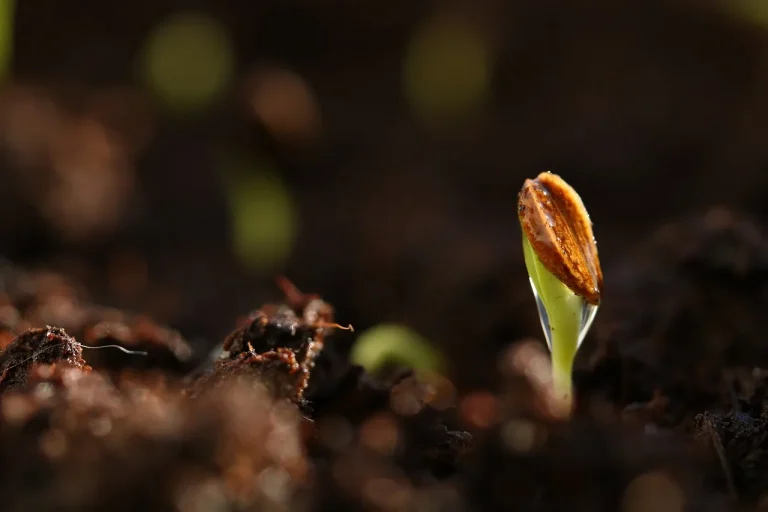
Fill clean containers with moist indoor potting mix, sow each seed at its herb-specific depth, then keep the surface evenly moist until sprouting. Set the pots in the brightest spot you have, and move seedlings under stronger light as soon as they emerge. That keeps stems short and sturdy.
- Set containers in the tray and fill them with indoor potting mix.
- Moisten the mix until it feels evenly damp, not soggy.
- Label each pot before sowing.
- Sow basil, chives, cilantro, parsley, and dill about 1/4 inch deep; press thyme and oregano onto the surface and cover lightly only if needed.
- Spray the top layer instead of pouring water across the pot.
- Cover with a humidity dome only until sprouting, then remove it to cut damping-off risk.
- Move the pots to a south-facing window or under a grow light as soon as green tips appear.
- Thin crowded seedlings after true leaves appear, keeping the strongest plant in each cell or pot.
Say a kitchen tray sits on a north-facing counter and basil seedlings lean hard after three days. That points to light, not watering. Move the tray under an overhead LED grow light, then rotate the tray every day or two so the stems grow straight.
How much light do herb seedlings need?
Herb seedlings need the strongest steady light you can give them. A south-facing window gives the best natural light, but winter days or shaded apartments may still fall short, especially for basil, oregano, thyme, and dill. In those settings, put an LED grow light above the seedlings instead of beside them.
Use a south-facing window when you have one
For kitchen herbs, a south-facing window is the strongest natural-light option. Real Homes recommends 6-9 hours of sunlight for proper development. If your window is bright only in the morning or blocked by nearby buildings, treat that light as partial support, not a full replacement for a grow light.
Add an LED grow light if seedlings stretch
Use a daylight-imitating or overhead LED grow light when stems lengthen, leaves pale, or winter sun is weak. Keep the fixture close enough to light the plants evenly without heating the leaves. Raise the light as plants grow so the canopy stays evenly lit.
Rotate pots so stems grow straight
Herb seedlings lean toward light. Turn trays every day or two, the same way Shifting Roots recommends, so one side does not do all the work. This matters most for basil, parsley, and cilantro, which can get floppy fast if one side stays shaded.
How often should you water herb seedlings indoors?
Water when the top layer starts to dry, but do not let the mix dry out completely. Keep it evenly moist, never saturated, and empty standing water from the tray after watering. A light surface dry-down between waterings helps roots seek oxygen and lowers the odds of root rot.
Water by touch, not by schedule alone
Check the mix every day in warm kitchens and every second day in cooler rooms. If the top feels barely dry and the pot feels light, water gently at the edge of the cell or from below. If the surface stays shiny or wet for hours, pause and improve airflow.
Prevent damping off and root rot
Wet, stagnant conditions can cause seedlings to collapse at the stem base. Use a tray only as a catch basin, not as a reservoir. Homes and Gardens notes that herb pots need drainage holes to prevent root rot, which is why a saucer and a drainable container belong together.
A common first-timer mistake is watering a parsley tray twice in one day because the surface looks dry. The top can dry before the root zone does. Add enough water to moisten the whole cell, then recheck after 10 minutes and pour off what collects in the tray.
When should you transplant herb seedlings into pots?
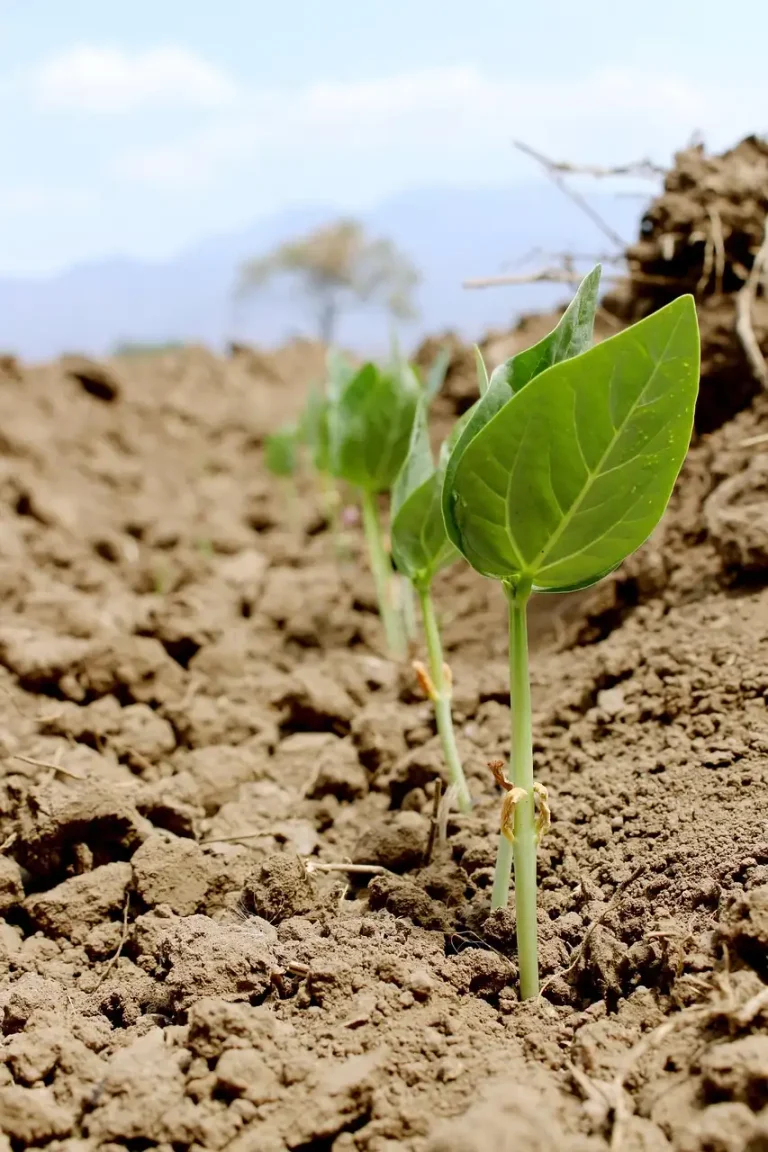
Transplant when seedlings have several true leaves or roots show through the starter cells. Move them before they become rootbound, because cramped roots slow growth and make herbs stall. For most kitchen herbs, final pots around 6in work well, with mint kept in its own container.
Move seedlings from starter pods or trays
Loosen the seedling by the leaves, not the stem, and lift with as much root ball as possible. If roots are circling the cell, transplant right away. Handle dill, cilantro, and parsley especially gently, because their roots resent rough handling more than basil or chives do.
Choose the final pot size
Homes and Gardens suggests a 6in container for many herbs. That size suits a single basil, oregano, or thyme plant to start, and larger pots help long-lived herbs hold moisture more evenly. Mint needs its own pot because it spreads fast and crowds neighbors.
Pinch or harvest to keep herbs compact
Once stems have several sets of leaves, pinch the growing tips to encourage branching. Start with the top leaves only, never stripping the plant bare. Regular snipping also helps basil, chives, and oregano stay bushy instead of sending all their energy into one tall stem.
Common mistakes
- Sowing tiny seeds too deep: Thyme and oregano need very shallow covering. If they disappear under the mix, they may sprout poorly or not at all.
- Using a deep, dense potting mix: Herb roots need air. A mix packed too tightly stays wet and slows germination.
- Leaving seedlings in weak light: Long, pale stems are a sign to move plants under a grow light or closer to the window.
- Overwatering and leaving water in the tray: That is the fast route to root rot and damping off.
- Waiting too long to transplant: Rootbound seedlings stop growing well, especially parsley, cilantro, and dill.
- Treating all herbs the same: Basil likes warmth; parsley and cilantro handle cooler conditions better. Mint is best handled as its own case.
Say your kitchen window gets bright light only from 8 a.m. to 11 a.m., and your basil seedlings start leaning by noon. Add a grow light for the rest of the day rather than moving them farther into the room. The extra light matters more than the extra distance from the glass.
Frequently asked questions
How do you grow herbs from seeds indoors?
Use a drainable pot with indoor potting mix, sow at the right depth for each herb, and keep the mix evenly moist until germination. Put the container in a south-facing window or under an LED grow light, then thin and transplant once seedlings have true leaves.
Do herb seeds need a grow light indoors?
Not always, but a grow light becomes the better choice when winter sun is weak or the window is not south-facing. An overhead LED kept on for 14 to 16 hours a day helps prevent legginess and keeps seedlings compact enough for later transplanting.
What container is best for starting herbs indoors?
Use a pot or tray with drainage holes and a catch tray underneath. Homes and Gardens notes that many herbs do well in a 6in container, which is a practical size for single plants after transplanting. Mint usually needs its own pot.