When to Start Seeds Indoors by Plant Type: Timing Guide
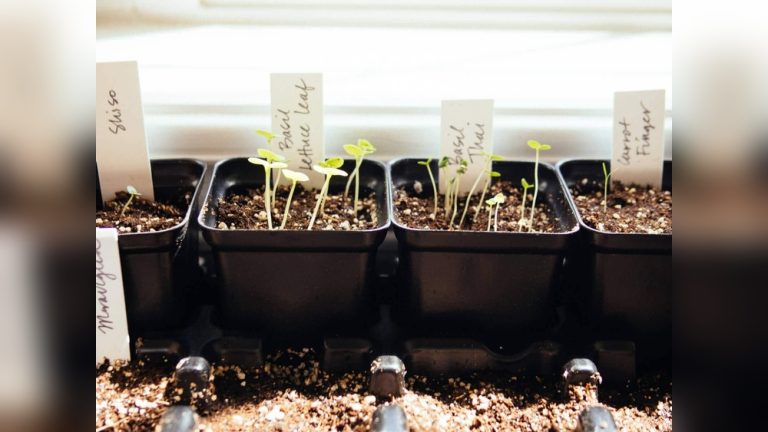
Start indoor seeds a few weeks before your last frost for average transplants, give slower growers more lead time, and direct-sow crops that do poorly with root disturbance or prefer cool soil. Start too early and plants get leggy; start too late and you lose weeks of harvest. This guide sorts common crops by plant type so you can pick indoor-start, brief indoor-start, or direct-sow timing fast.
How to choose the right seed-start time
Use your local last spring frost date as the calendar anchor. Count backward from that date to set indoor sowing windows, then check the seed packet instructions before planting. The packet often gives the exact timing range for that crop, and it can override a generic chart.
A cold spring may justify waiting until the soil is warm enough, even if the calendar says it is time. That matters for crops that move slowly in cold ground and for seedlings that would sit too long in trays.
Use last spring frost date as the anchor
Last spring frost date varies by location. It is the main reference for indoor sowing because it sets the likely outdoor transplant window. If the date is wrong for your yard, every follow-up date will be off.
Start by finding the frost-free date, then count backward in weeks. That gives you the indoor start window. If a crop needs 8 weeks before frost and your average last frost is May 15, the seed-start target lands in mid-March.
Check seed packet timing before you plant
Seed packet instructions are the first thing to trust. Many packets list indoor sowing timing directly, and some specify a range like 8 to 10 weeks. That crop-specific range is more useful than a one-size-fits-all calendar.
Packets also flag whether a crop wants cool soil, brief indoor handling, or direct sowing. If the packet timing disagrees with a generic chart, follow the packet unless local conditions clearly call for a delay.
Which plants should you start indoors?
Start indoors crops that need a long season or that dislike cold spring soil. Tomatoes, peppers, and eggplant are the classic examples. Broccoli, Brussels sprouts, cauliflower, celery, and leeks also fit this group when the outdoor season is short.
The practical reason is simple: these crops need a head start before the ground is reliably warm. If they are sown outside too early, they often stall. If they are started too early indoors, they can outgrow their trays before transplant time arrives.
Tomatoes: 6 to 8 weeks before last frost
Tomatoes are a tender warm-season crop and are usually started indoors. A 6 to 8 week window before last frost is a solid target for many home gardens, because tomatoes need warmth but also need to be a manageable size at transplant time.
Starting tomatoes too early often creates lanky seedlings that need staking before they ever leave the house. Starting too late usually means a slower first harvest and less time for fruit to ripen before fall weather cools.
Peppers: 8 to 10 weeks before last frost
Peppers are a tender warm-season crop and are usually started indoors. They are slow to get going in cool spring soil, so a longer indoor lead time helps them build size before outdoor planting.
Because peppers can sit in starter cells for a while, they need steady light and enough root room. If they stay in small trays too long, growth slows hard and stems can stretch toward the light.
Eggplant: 8 to 10 weeks before last frost
Eggplant should usually be started indoors. It is sensitive to cold spring temperatures and needs warmth to grow well. The 8 to 10 week window before frost-free date gives it enough time to become transplant-ready without being rushed.
Eggplant seedlings that are started too early can become woody and cramped in small pots. That often leads to weaker transplants, even if the plants look large above the soil line.
Other indoor-start crops
Broccoli is listed as a crop best started indoors, and Brussels sprouts are too. Cauliflower should also be started indoors because of slow root development. Celery is commonly listed at 10 to 12 weeks before the frost-free date, and leeks at 8 to 10 weeks before the frost-free date.
Those crops are worth bringing inside when outdoor conditions are still cool, because they need a stable start. The goal is not early growth alone. It is transplantable growth.
Which seeds should stay in the ground?
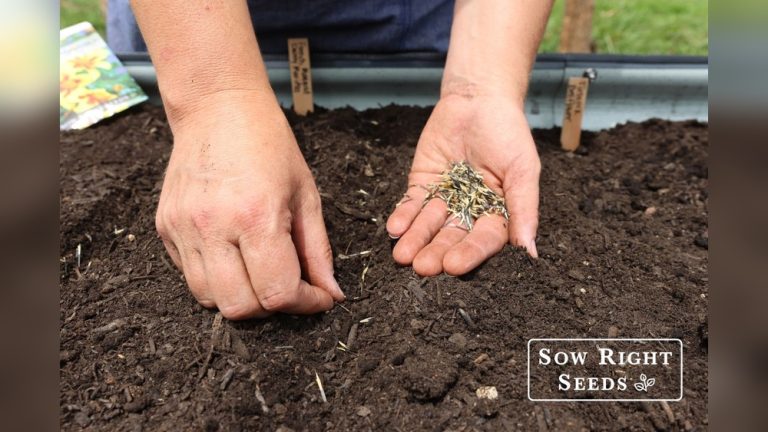
Root crops and cold-tolerant fast growers usually belong in the direct-sow group. They either dislike root disturbance or do well in cool soil. Carrots are a clear example of a crop best started outdoors, and radishes and peas are fast-growing, cold-tolerant choices for direct sowing.
If a crop makes a long taproot or forms a harvestable root underground, it often resents being moved. Direct sowing avoids the shock that can twist roots, stunt bulking, or create forked shapes.
Root crops that dislike disturbance
Carrots are listed among root vegetables best started outdoors. Turnips and beets usually fit the same rule in practice. These crops do best when the seed drops straight into the final bed and the root grows undisturbed.
Dill and parsley are other useful examples because they have long taproots and dislike transplanting. If they are moved too late, recovery can be slow and uneven.
Cold-tolerant fast growers
Radishes and peas are described as fast-growing and cold-tolerant. They usually go straight into the garden because they germinate and grow well in cool soil. Direct sowing them also avoids wasting indoor space on crops that finish quickly anyway.
For these crops, a brief wait for workable soil is better than forcing indoor starts. They are built for the ground.
Can you start some crops indoors only briefly?
Yes. Some crops can be started indoors for a very short time, then moved out quickly before they suffer from cramped roots or transplant shock. Cucumbers are the clearest example, and they are often listed as not transplant-friendly. They can be started indoors only briefly if the gardener needs a jump on the season.
The value of a brief indoor run is early growth, not a long stay in trays. If the seedling sits too long inside, it often becomes rootbound or weakens when it finally moves outdoors.
Cucumbers and similar crops
Cucumbers are usually direct-sown outdoors. If started inside, they should be handled briefly because they dislike transplant stress. The same caution applies to melons, pumpkins, and squashes, which are described as not transplanting well.
For these crops, short is better than slow. Move them while the root ball still holds together cleanly.
When a brief head start helps
A brief indoor start can help when the garden bed is still cold but the crop needs a few extra days of protection. It also helps in short-season gardens, where every warm week matters. The indoor run should be short enough that the seedlings do not outgrow their cells.
If the forecast stays cold, holding them inside too long backfires. The stems stretch. The roots circle. Then transplanting becomes a recovery project instead of a simple move.
Planting timing matrix by crop type
This matrix turns crop type into a simple planting-timing rule. Use the last frost date, then choose the bucket first. After that, adjust for packet directions and local spring speed.
| Bucket | Common crops | Weeks before last frost | Transplant sensitivity |
|---|---|---|---|
| Start indoors | Tomatoes, peppers, eggplant, broccoli, Brussels sprouts, cauliflower, celery, leeks | 6 to 10 weeks; celery often 10 to 12 weeks, eggplant 8 to 10 weeks, leeks 8 to 10 weeks | Moderate to low, but plants need enough time indoors to size up without becoming leggy |
| Start indoors briefly | Cucumbers | 3 to 4 weeks | High; keep the indoor run short because cucumbers are not transplant-friendly |
| Direct sow | Carrots, turnips, beets, radishes, peas, dill, parsley, melons, pumpkins, squashes | Usually no indoor lead time; sow when soil and weather fit the crop | High sensitivity for root disturbance crops; cold-tolerant fast growers prefer the bed from the start |
How do you adjust if spring runs late?

If spring runs late, shift by crop type instead of forcing a fixed date. Short-season gardens often benefit from every possible indoor week on slow crops, while long-season gardens can wait longer and still finish on time. Delayed warmth also means some direct-sow crops will perform better once the soil is ready.
The main trap is starting everything on the original calendar date even though the weather has stalled. That often creates overgrown seedlings indoors and weak results outdoors.
Short-season gardens versus long-season gardens
Short-season gardeners usually push the indoor-start crops toward the early end of the packet range. Long-season gardeners can often use the late end of the range and still get a strong harvest. The crop matters more than the calendar alone.
For a delayed spring, direct-sow crops may simply wait. Warm-season transplants should stay under lights until the soil and forecast are both ready.
Avoiding overgrown seedlings
Two common failure cases show up here. Start too early and seedlings become leggy before transplant time. Start too late and maturity slips into a shorter part of the season. Both problems cut yield.
Container size, lighting, and potting-up also set timing limits. A seedling in a small cell under weak light reaches its limit faster than one in a larger pot under strong light. If the indoor setup cannot hold the crop comfortably, the start date should move later.
Tools that help you set sowing dates
Use a Frost Date Calculator to count back from the frost-free date and personalize timing for your location. A Planting Calendar does the same job in a broader format, usually laying out ideal seed-start dates for common vegetables and herbs. A Garden Planner adds weather station data and can show sowing dates indoors and outdoors, plus growing and harvest periods.
These tools are most useful when they are paired with crop type. The calculator gives the date. The plant category tells you whether that date should be indoors, briefly indoors, or straight into the bed.
Practical worksheet for the home gardener
- Find the last spring frost date for the garden site.
- Check the seed packet for the crop-specific indoor timing.
- Sort the crop into start indoors, start indoors briefly, or direct sow.
- Count backward the right number of weeks from frost-free date.
- Confirm that light, pot size, and space can hold the seedlings until transplant time.
- Delay sowing if the spring forecast stays cold and the soil is not ready.
Frequently asked questions
When should I start tomato seeds indoors before last frost?
Tomatoes are best started indoors 6 to 8 weeks before your last frost date. That gives them enough time to build sturdy transplants without sitting so long in trays that they turn leggy. If your spring is delayed, it is safer to hold them back than to rush them outdoors.
What seeds should not be started indoors?
Seeds that dislike root disturbance usually should not be started indoors. Carrots, turnips, beets, radishes, peas, dill, and parsley are common examples, along with melons, pumpkins, and squashes when transplant shock is a concern. These crops usually do better when the seed goes straight into the bed.
How many weeks before the last frost should I sow seeds indoors?
Many indoor starts begin about 6 weeks before the last frost date, but the right window depends on the crop. Tomatoes often fit 6 to 8 weeks, peppers 8 to 10 weeks, and eggplant 8 to 10 weeks. Seed packet instructions should always be checked first.
Should peppers and eggplant be started indoors or outdoors?
Peppers and eggplant should usually be started indoors. They are tender warm-season crops that need warmth and protection from cold spring temperatures. Starting them outside too early can stall growth, while starting them too early indoors can leave them overgrown before transplant time.
Can I direct sow carrots, peas, and radishes instead of starting them indoors?
Yes. Carrots, peas, and radishes are classic direct-sow crops. Carrots dislike root disturbance, while peas and radishes are fast-growing and cold-tolerant. Putting them straight into the garden usually gives better results than trying to transplant them later.
How do I know the right indoor seed-starting date for my area?
Start with your last spring frost date, then count backward by the number of weeks listed for that crop. A Frost Date Calculator can personalize that timing, while a Planting Calendar or Garden Planner can lay out the sowing window for your location. Always compare the result with the seed packet.
What if my seed packet gives a different indoor sowing time?
Use the packet timing first. Packets often list the best indoor sowing window for that crop, sometimes as a range like 8 to 10 weeks. If the packet timing differs from a general chart, the packet is usually the better fit unless local weather clearly changes the plan.
Which vegetables transplant poorly and should stay direct-sown?
Cucumbers, melons, pumpkins, and squashes transplant poorly and are usually better direct-sown, or started only briefly indoors if needed. Root crops such as carrots, turnips, and beets also prefer direct sowing because they dislike root disturbance. Radishes and peas fit the same direct-sow pattern in most gardens.