How to Germinate Seeds Faster the Right Way Indoors
To germinate seeds faster, match the treatment to the seed: soak hard-coated seeds for a short period, keep the medium evenly moist, and hold warm crops in a warm range; skip soaking tiny or pelletized seeds. If you miss that match, seeds rot, dry out, or sprout unevenly, wasting weeks and packets. This guide covers which seeds to soak, which to chill, the best moisture level, and the temperatures that speed sprouting without losses.
This guide is part of our Planting from seeds: a beginner’s guide series.
What you’ll need


- Seed-starting mix or another light, airy medium
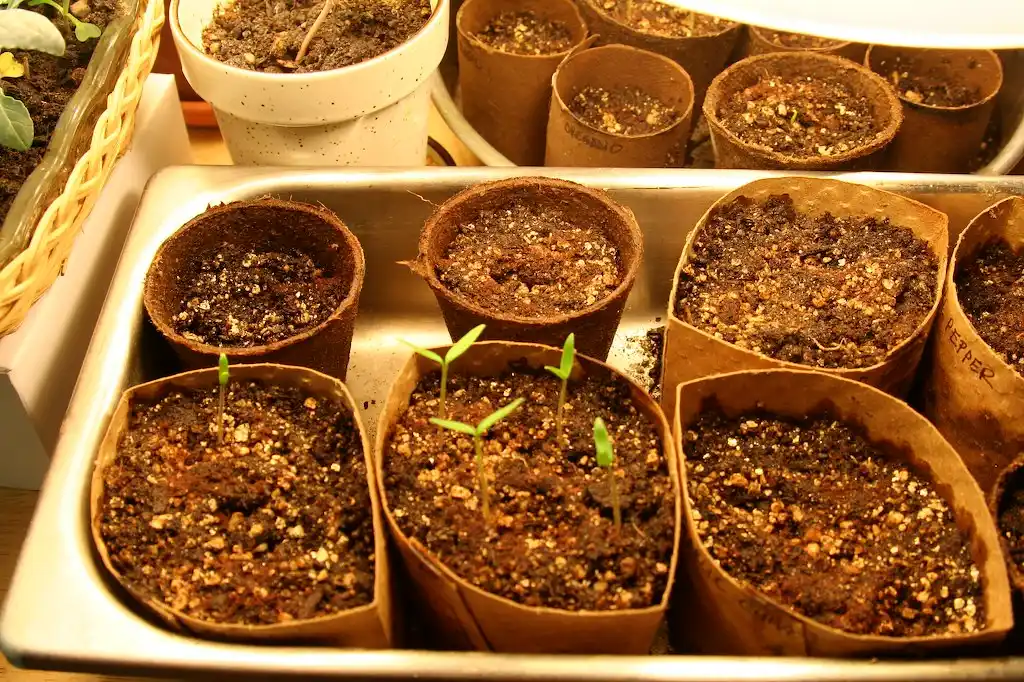
- Shallow containers with drainage holes
- A watering method that wets evenly, such as a fine mister or gentle bottom-watering tray
- A way to keep the right temperature for the species
- Seed packet directions or a species reference for light and pretreatment needs
- A clean cover or dome only if it still allows some air exchange
- A label for sowing date and seed name
📊 Many seeds germinate at temperatures slightly above 60–75 F. Source: Germination.
How to germinate seeds faster the right way
Fast germination starts with viable seed, then temperature, moisture, oxygen, and only then pre-treatment. Germination is the growth of an organism from a seed or spore, and the process starts with water imbibition. If the seed is old, buried too deeply, or kept too wet, no temperature trick can fully make up for it.
- Check seed age and source first. Older seed lots usually sprout more slowly and less reliably, and freshness is species-specific. Before changing technique, confirm the packet date or source age.
- Sow at the right depth. Cover seeds lightly or follow packet directions. Deep burial can limit oxygen and delay emergence, especially for small seeds.
- Moisten the medium, do not soak it. Seed germination starts with imbibition, but the medium should be damp, not waterlogged. Too much water can reduce air pockets and increase rot risk.
- Hold the species’ temperature range. Many seeds germinate at temperatures slightly above 60–75 F, and most seeds germinate just fine at room temperature, 65-75°F. Too cold slows metabolism; too warm can stop sprouting or invite damping-off.
- Give the light level the seed needs. Some seeds need light, some need darkness, and many can sprout under normal room light. Once they emerge, move seedlings to stronger light quickly so they do not stretch.
Which seed treatment should you use?
Use the lightest treatment that fits the seed type. Soaking helps some seeds hydrate faster, scarification helps hard coats admit water, and cold stratification helps seeds that expect winter before germination. Using the wrong treatment can slow sprouting or cause rot, so match the method to the species.
Soak seeds that benefit from quick hydration
Use this for larger, hard-seeded crops that tolerate pre-soaking. A short soak can speed water uptake, but long soaking is risky for seeds that rot easily, tiny seeds, or pelletized seed. If the packet warns against soaking, skip it.
Scarify hard-coated seeds before sowing
Scarify seeds with a tough coat so water can enter faster. A small nick or light abrasion is enough for many hard-coated types. Do not scarify soft, tiny, or already treated seeds; they can be damaged faster than they are helped.
Cold-stratify seeds that need winter conditions
Some species need a period of cold before they sprout. For those, cold treatment is the speed-up, not warmth. Keep the seed moist during the cold period if the species requires it, then move it to the germination temperature afterward.
Use this seed-speed decision checklist
Choose one branch. The goal is to remove only the bottleneck that matters for that seed type. Easy seeds usually need stable moisture and temperature. Hard-coated seeds need help with water entry. Dormant seeds need the seasonal cue they are waiting for.
Easy seeds
- Skip extra treatment.
- Sow at the packet depth.
- Keep the mix evenly moist.
- Hold room temperature unless the species needs otherwise.
Hard-coated seeds
- Lightly scarify or use a short soak.
- Drain off excess water before sowing.
- Use a shallow container so oxygen stays available near the seed.
- Watch daily for swelling, then sow promptly.
Dormant seeds
- Check whether the species needs cold stratification.
- Chill only for the species that requires it.
- Keep the seed moist, not saturated, during treatment if the species calls for it.
- Move to warm germination conditions after the cold period.
How to successfully germinate seeds?
Success means matching the seed’s built-in timing with the conditions it expects. Start with viable seed, a light seed-starting mix, shallow sowing, and the right temperature. For many home gardeners, that means starting indoors, because it gives better control over moisture, warmth, and light during the slow early stage.
What actually speeds germination
Speed comes from removing the main block. For one seed lot, that may be old age. For another, it may be a hard coat. For a third, it may be missing a cold period. Warmth helps many crops, but only after moisture and oxygen are in place.
Say your bean seeds sit dry on the surface for 4 days. The fix is usually not more heat; it is steadier moisture and slightly deeper contact with the mix so imbibition can begin.
What slows it down
Cold mix, buried seeds, soggy media, and the wrong pretreatment all slow sprouting. So does using regular garden soil indoors, because it is denser and more likely to hold water around the seed. A light, airy seed-starting mix gives better air and more even moisture.
Why are my seeds not sprouting?
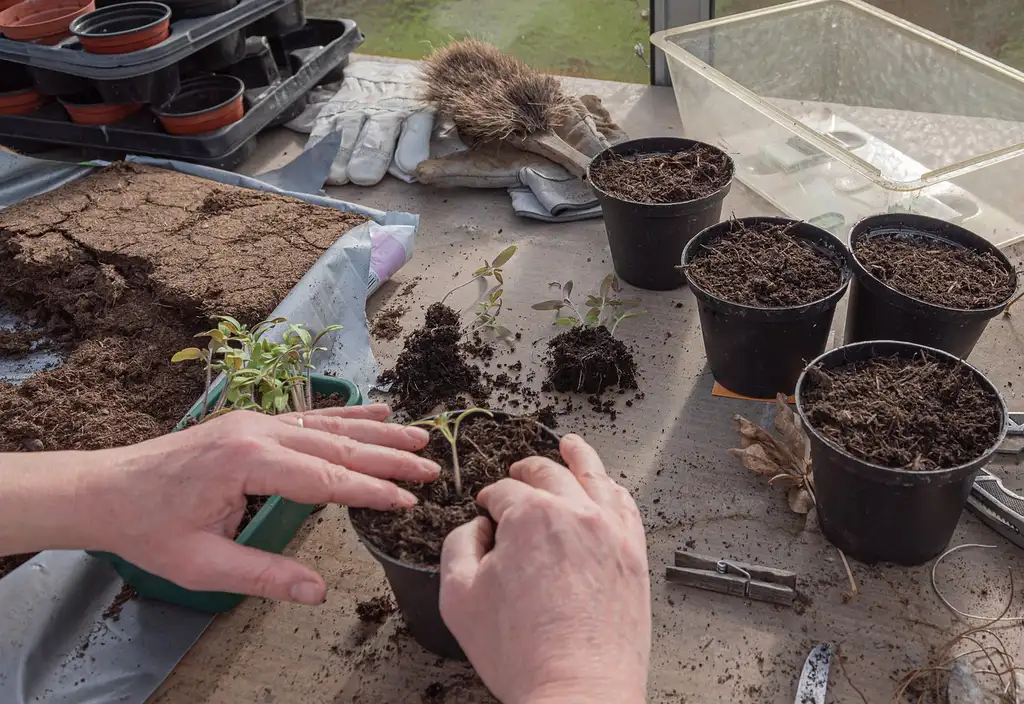
If seeds are not sprouting, the usual causes are dry media, waterlogged media, the wrong temperature, or seed that is no longer viable. Check the simplest block first: moisture. Then check the species’ temperature needs, planting depth, and any required pre-treatment.
| Failure case | What it usually means | What to change next |
|---|---|---|
| Seeds stayed dry | The seed never began imbibition | Pre-moisten the mix, then keep it evenly damp |
| Seeds turned soft or moldy | Too much water and too little air | Use a draining container, lighter mix, and less surface water |
| Seeds are slow but still firm | Temperature, age, or missing pretreatment | Check species range, then consider soak, scarify, or cold treatment |
| Seedlings emerged weak or stretched | Light is too low after sprouting | Move them to stronger light right away |
If that didn’t work, try this next
- Inspect the seed packet or species note. Confirm whether the seed needs light, darkness, soaking, scarification, or stratification before sowing.
- Lift one seed to check moisture and depth. If the mix is dry, water more evenly; if it is soggy, let it drain and restart in fresher mix.
- Adjust temperature within the species range. Move cool-season seeds away from warm spots and warm-season seeds away from cold windowsills.
- Reseed with fresher stock if needed. If the lot is old, start a small fresh batch rather than waiting on weak seed.
How to get seeds to germinate?
Give the seed four basics in the right order: moisture to start imbibition, oxygen from a loose medium, temperature matched to the species, and the right light condition if that species needs it. For many seeds, room temperature and a clean seed-starting mix are enough. The rest is species-specific.
Suppose a tray of lettuce is buried under a thick layer of mix. It may stay quiet even though the medium is wet, because the seed is short on oxygen and light. Thinner coverage and a shallower container can fix that faster than more watering.
Common mistakes that slow germination
Regular garden soil indoors is a common mistake because it holds water unevenly and compacts around the seed. Planting too deep slows oxygen flow. Overwatering removes air spaces. Using a soak or chill on the wrong species can be just as bad as doing nothing.
How to germinate seeds fast?
The fastest safe path is not one trick; it is removing the main constraint for that seed. For many easy crops, that means clean seed-starting mix, shallow sowing, steady moisture, and a warm room. For hard-coated or dormant seeds, the correct pre-treatment usually saves more time than extra heat.
How to speed up seed germination?
Speed it up by matching the seed to the treatment. Use a short soak for seeds that absorb water slowly, scarification for hard coats, and cold stratification for seeds that need winter. Keep the medium moist but never waterlogged, because oxygen loss can delay sprouting more than cool air does.
How to germinate vegetable seeds quickly?
Most vegetable seeds sprout fastest when they are fresh, lightly covered, and kept at the species’ preferred temperature. Many vegetables do well around room temperature indoors, but some cool-season crops prefer lower warmth. Once they sprout, move them under stronger light right away.
How to germinate seeds at home?
Home germination works best in shallow containers with drainage holes and a light seed-starting mix. Set the tray where you can keep moisture stable and watch it daily. Starting indoors can provide better control and a higher germination rate, especially before the last frost date.
How to properly germinate seeds?
Proper germination means using the least disruptive method that still fits the species. Check seed freshness, sow at the right depth, hold the right temperature, keep the medium moist but not soaked, and respect light or darkness requirements. That sequence prevents most early failures.
How to help seeds germinate?
Help them by giving them the cue they expect. For some seeds that means water. For others it means a scratch through the seed coat or a cold period. If a packet gives specific directions, follow those before trying any speed trick.
How to properly germinate seeds
Proper germination is mostly restraint. Use a light medium, a draining container, and the right pre-treatment only when the species calls for it. Seeds need water, oxygen or air, and sometimes light or darkness. Warmth helps only when those other pieces are already in place.
Prevention
Label each tray with seed name and sowing date, and keep different species separate. That makes it easier to spot which group needs a change in moisture, warmth, or pretreatment before the whole batch goes off track.
Frequently asked questions
How to successfully germinate seeds?
Start with viable seed, a shallow container with drainage holes, and a light seed-starting mix. Keep the mix evenly moist, not soaked, and set the tray at the species’ temperature range. If the seed needs light, darkness, soaking, scarification, or cold treatment, follow that requirement exactly.
How to get seeds to germinate?
Give the seed water first, then air, then the right warmth. For many seeds, 65-75°F works well indoors. If germination stalls, check depth and seed age before adding more water, because soaked media can reduce oxygen and slow the process further.
How to germinate date seeds faster?
Date seeds usually benefit from a soak and warm, steady moisture before sowing. After that, use a light medium and a shallow container with drainage. Do not keep them in standing water; the seed needs water entry, not a saturated pocket that cuts off air.
How to germinate seeds fast?
Use the fastest correct pretreatment for that species, then keep the medium evenly moist and the temperature steady. If the seed is hard-coated, scarify or soak briefly. If it needs winter, use cold stratification instead of extra warmth. The wrong shortcut often slows sprouting.
How to germinate vegetable seeds quickly?
Sow fresh vegetable seed in a clean, airy seed-starting mix and cover it at the packet depth. Many vegetable seeds sprout well near room temperature indoors, which gives better control than an outdoor bed. Move seedlings to stronger light immediately after emergence.
How to help seeds germinate?
Match the method to the seed’s needs rather than using a one-size-fits-all trick. Keep the mix damp, not soaked; provide the right temperature; and use soaking, scarification, or cold treatment only when that species calls for it. That avoids most rot and delay problems.