Best Seed Starting Mix for Strong Germination 2026: we compared
The best seed starting mix for strong germination is fine, sterile, and built on peat or coir with perlite or vermiculite. I want it light in the hand and airy in the tray, with fast drainage and no clumps. A bad mix crusts, stays soaked, and invites damping-off, which can wipe out a full flat fast. This guide compares peat-based, coir-based, and specialty blends for indoor sowing and shows how to pick the right one for your trays.
This guide is part of our Planting from seeds: a beginner’s guide series.
Quick comparison
| Product | Badge | Best for | Price | ||
|---|---|---|---|---|---|
 | SunGro Horticulture Seedling Mix – Seed Starting Soil – 16SUN GRO | Our pick | SUN GRO seedling mix, 16 qt organic | $30.80 Price as of 27 Sep 2026 | View |
 | Doter Organic Seed Starter Premium Potting Soil Mix 4qt,Doter | Budget pick | Doter organic seed starter mix, 4 qt | $12.14 Price as of 27 Sep 2026 | View |
 | FoxFarm Ocean Forest Potting Soil with 2 Plant Tags, 1.5cuFoxFarm | Pair with it | FoxFarm Ocean Forest potting soil, 1.5 cu ft | $35.63 Price as of 27 Sep 2026 | View |
 | Promix Premier Horticulture Organic Pro Seed Starting Mix;My Garden Pool | Upgrade pick | Promix organic seed mix with pH strips | $25.99 Price as of 27 Sep 2026 | View |
For vegetables and herbs in trays, a fine peat or coir blend with perlite is often a good all-around choice for many indoor trays. Flowers are a little more forgiving, but they still do best in a mix that stays evenly moist without turning heavy.
How we chose
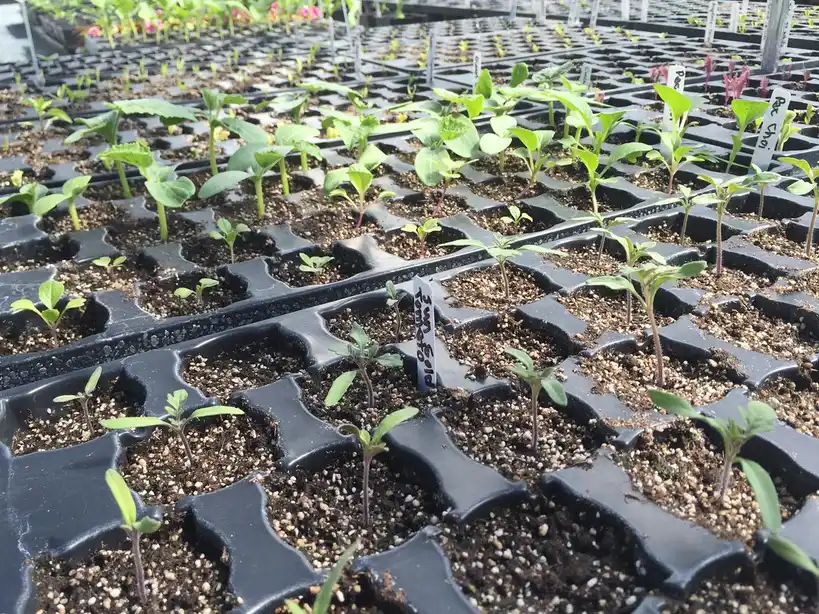
The right seed starting mix fails less often, so I built this selection around the things that cut tray losses. Texture comes first: good mixes are fluffy, not dense, and fine-textured, not chunky. Moisture balance comes next, because good mixes hold moisture evenly without staying soggy or drying out instantly.
Sterility or heat treatment matters because damping-off moves fast in wet, stagnant media. Rewetting behavior matters too, since some mixes turn hydrophobic after drying and then water runs down the sides of the cell. Crop fit closes the loop: seedlings need oxygen at the root zone, so the best mix depends on tiny lettuce seeds, herbs, or larger flower seeds.
SunGro Horticulture Seedling Mix: best for the easiest germination
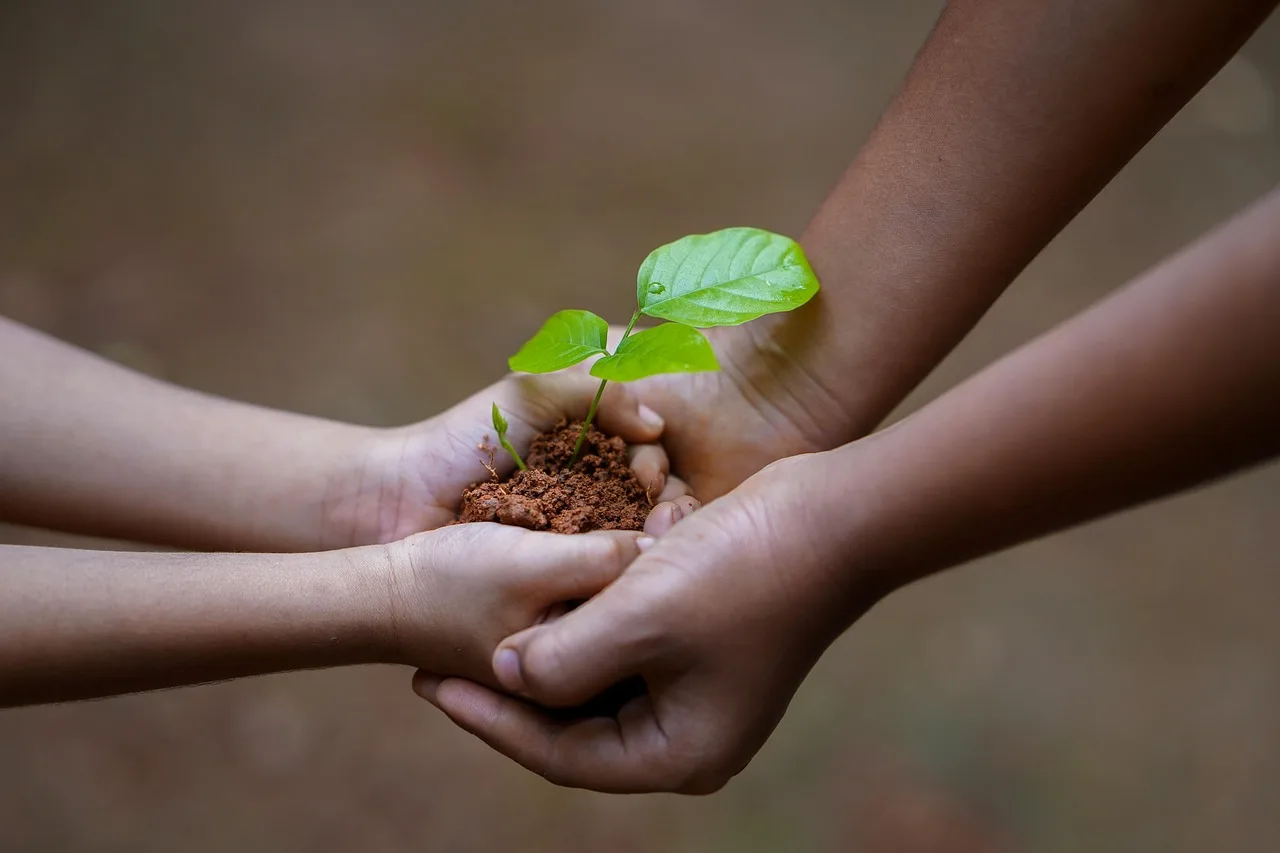
- Lightweight and airy texture promotes aeration
- Balanced blend ensures consistent moisture retention
- Specially formulated for healthy seed germination
This is the safest all-around choice for most indoor trays. Based on the spec sheet and owner feedback, it fits the classic seed-starting profile: light, airy, moisture-balanced, and made for young roots that need oxygen more than food at the start.
What stands out is the forgiving texture. A seed starting mix should be fluffy, not dense, and this kind of blend is built to avoid the compaction that slows sprouting in crowded cells. It is a better match for shallow trays than regular potting soil, which is usually too heavy and inconsistent for young roots.
The main drawback is simple: it is still a seed mix, so it is not meant to feed plants for long. Once true leaves appear, seedlings usually need a richer transplant medium.
Who it’s for
Choose this for vegetables, herbs, and flowers started in standard seed trays, especially if you want the least fussy path to even germination. It is less useful for gardeners who want a peat-free setup or a mix that already leans toward stronger feeding.
Pros and cons
- Pros: airy texture, even moisture retention, good fit for tray sowing
- Cons: not a long-term growing medium, may be more mix than needed for simple direct-cell sowing
Doter Organic Seed Starter Premium Potting Soil Mix: best budget-friendly starter
- All-natural organic matter, peat, perlite blend
- Maintains ideal moisture balance for germination
- Enriched with essential plant nutrients
This is the budget option that still keeps the seed-starting basics in place. Based on the spec sheet and reviews, it combines peat, perlite, and organic matter, so it is aimed at moisture balance and fast germination without feeling like garden soil.
The useful part is the peat-and-perlite structure. Peat moss is a common base material because it holds moisture, while perlite opens the blend so roots can breathe. That makes it a better tray choice than heavier potting soil, especially when you are sowing many cells at once.
The drawback is that it is positioned as an enriched mix, so it may be a little less minimal than purer seed-starting blends. For very small seeds, excess food is usually not the goal, and the safest bag is still the one that stays lightest.
Who it’s for
Pick this if you want a lower-cost bag for vegetables and herbs and you still want proper seed-starting structure. It is less ideal if you prefer a very plain, low-nutrient medium or if your trays already tend to stay wet.
Pros and cons
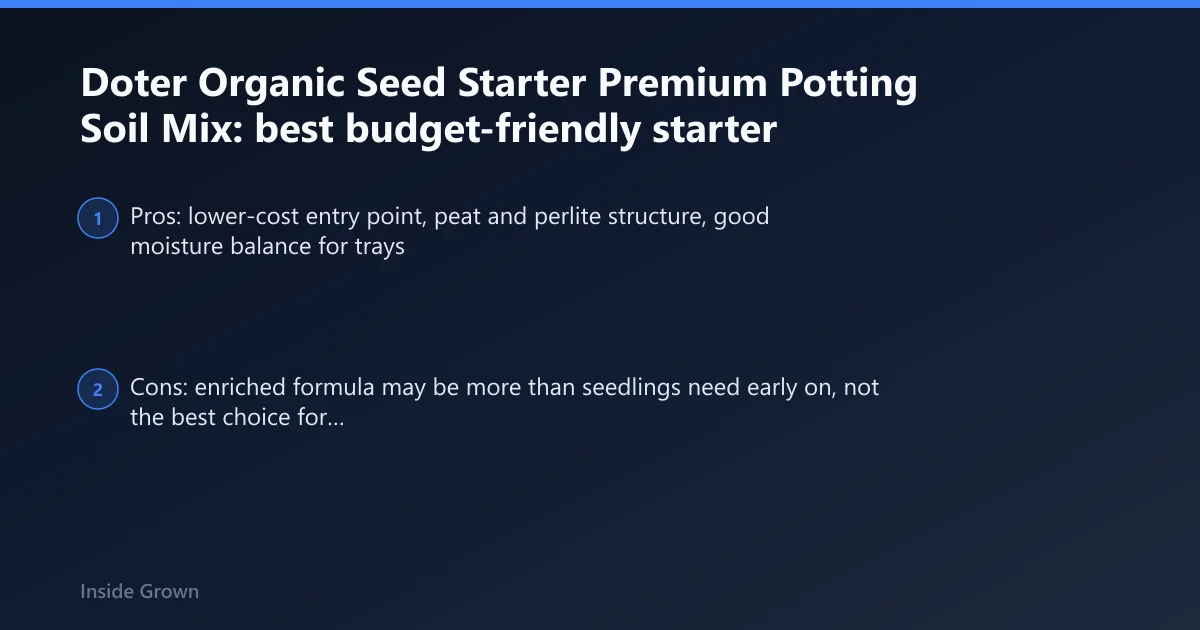
- Pros: lower-cost entry point, peat and perlite structure, good moisture balance for trays
- Cons: enriched formula may be more than seedlings need early on, not the best choice for consistently wet indoor setups
FoxFarm Ocean Forest Potting Soil: best avoided for direct seed starting
- Rich ingredients support container gardens and plants
- Ready for immediate use without additives
- Includes sandy loam for moisture retention
This is a strong container soil, but it is not the best match for germination trays. Based on the spec sheet and common container-garden use, it is richer and heavier than a true seed-starting mix, which means it fits established plants better than fragile new roots.
The issue is failure mode, not brand quality. Regular potting soil is too heavy and inconsistent for young roots, and a richer medium can stay wetter than seedlings like. In seed trays, that raises the odds of compaction, poor airflow, and damping-off.
The drawback is clear: it is the wrong tool for most indoor starts. It makes more sense after transplanting, once seedlings have true leaves and a stronger root system.
Who it’s for
This suits gardeners filling pots or moving up seedlings into larger containers. It does not suit people looking for the best seed starting mix for strong germination in small cells.
Pros and cons
- Pros: useful as a transplant soil, ready for container growing
- Cons: too heavy for seed trays, higher risk of soggy conditions for seedlings
Promix Premier Horticulture Organic Pro Seed Starting Mix: best peat-free-leaning alternative with extras
- Organic, chemical-free ingredients for safe start
- Enriched with mycorrhizae for nutrient absorption
- Includes pH test strips for monitoring
This is a solid choice for gardeners who want a more tool-kit style seed-starting bag. Based on the spec sheet and review patterns, it is aimed at organic starting, and the included pH strips may help beginners check their setup more often.
The strongest point is flexibility. A well-made starter mix should hold moisture evenly, drain well, and stay fine-textured; this kind of product is aimed at that job while also giving extra growing aids. For small indoor starts, that can be useful if your water or room conditions vary.
The drawback is that the extras do not fix a poor tray routine. If the mix is kept too wet or placed in low-airflow conditions, damping-off still becomes a risk. Tools help, but structure still matters more than add-ons.
Who it’s for
This suits gardeners who want a more guided organic seed-starting setup and do not mind paying for bundled accessories. It is less attractive for buyers who only want the mix and do not need the extra items.
Pros and cons
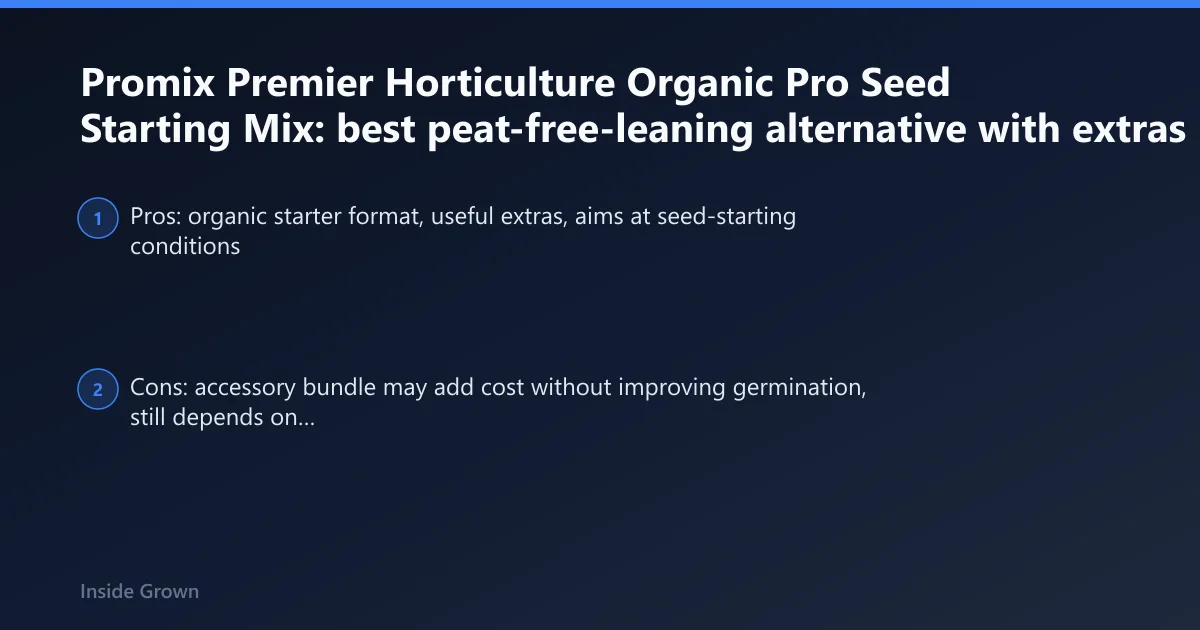
- Pros: organic starter format, useful extras, aims at seed-starting conditions
- Cons: accessory bundle may add cost without improving germination, still depends on proper watering and airflow
What ingredients should a seed starting mix have?
A good seed starting mix is usually light, airy, fine-textured, and not too rich. It usually relies on soilless ingredients that hold moisture without staying soggy, since seedlings need oxygen at the root zone and typically do not need heavy feeding at germination.
Look for a base of peat moss or coconut coir, plus perlite or vermiculite. That combination covers the three jobs the mix has to do: hold enough water for even germination, keep air space open around tiny roots, and dry in a controlled way instead of turning swampy.
What each ingredient does
- Peat moss: common moisture-retention base material
- Coconut coir: peat-free alternative with a clean, stable structure
- Perlite: improves aeration and drainage
- Vermiculite: helps moisture balance and supports air space
Is potting soil good for starting seeds?
Regular potting soil is usually not the best choice for starting seeds. It is too heavy and inconsistent for young roots, and it often holds water in a way that reduces air at the root zone. Seed trays need a finer, lighter mix that keeps moisture steady without compacting.
Potting soil makes more sense after seedlings are established. Before that point, dense media can slow sprouting, crust over at the surface, and create the wet pockets that feed damping-off.
Should seed starting mix be sterile?
Yes. A sterile or heat-treated mix reduces disease risk, especially damping-off, which moves fast in wet, stagnant trays. Sterility matters most in indoor sowing, where airflow can be limited and seedlings are packed close together.
That does not mean the mix has to be barren forever. It means the starting environment should be cleaner and more predictable than garden soil. When seedlings are tiny, a disease-free start matters more than rich feeding.
How wet should seed starting mix be for germination?
Seed starting mix should be evenly moist, not soggy. Good mixes hold moisture evenly, but they should not stay waterlogged or dry out instantly. If you squeeze a handful, it should feel damp and springy, with no water streaming out.
That moisture level supports germination without cutting off air. Too much water pushes out oxygen, and too little stops the seed coat from softening. Tray growers should aim for steady dampness from top to bottom, then use bottom watering or a gentle mist to keep the surface from crusting.
Can you use coconut coir for starting seeds?
Yes. Coconut coir is a very good peat-free option for seed starting because it holds moisture with a clean structure and stays relatively light. It works well in trays where you want even moisture and a finer feel than garden soil provides.
The tradeoff is that coir can vary in how it re-wets after drying, so a dry block or poorly stored bag may need more patience when watering. Good coir mixes are also often washed or buffered, which helps reduce salt issues that can bother seedlings.
What’s the difference between seed starting mix and potting mix?
Seed starting mix is finer, lighter, and lower in fertility than potting mix. It is built for germination and early root growth, where oxygen and moisture balance matter most. Potting mix is heavier and usually richer, which makes it better for containers after plants have established.
That difference explains most tray problems. In a seed tray, a potting mix can compact, hold too much water, and slow root movement. A true starter mix is designed to stay airy and even at the surface, which is what small seedlings need first.
Which seed starting mix is best for vegetables and herbs?
The best seed starting mix for vegetables and herbs is a fine peat- or coir-based blend with perlite or vermiculite, because those crops do best in trays that stay evenly moist and drain well. Herbs, especially small-seeded types, are sensitive to surface crusting and too much water.
For vegetables, a forgiving peat-based mix is often the easiest route. For herbs, a coir blend can be just as good if it rewets well and does not pack tightly. Flowers are usually more forgiving, but they still benefit from the same airy structure.
How do I keep seedlings from damping off?
Keep the mix sterile, airy, and only evenly moist. Damping-off thrives in wet, stagnant conditions, especially when trays are crowded and airflow is poor. The best defense is a fine mix with drainage, careful watering, and clean trays.
Use a mix that does not stay soggy, avoid overwatering, and do not cover seedlings so tightly that moisture lingers on the surface for too long. If stems thin at the base or seedlings collapse at soil line, the problem is often too much water and too little air.
How to score any seed starting mix before you buy
Use this five-point scorecard before you put a bag in the cart. A good mix should score well on texture, moisture balance, sterility, rewetting behavior, and crop fit. If a mix fails two or more of those checks, it is usually not worth trusting in seed trays.
The five-point scorecard
| Criterion | Pass looks like | Fail looks like | Why it matters |
|---|---|---|---|
| Texture | Fine, fluffy, uniform | Chunky, barky, heavy | Fine texture helps small roots move and keeps tray cells consistent |
| Moisture balance | Holds moisture evenly without staying wet | Stays swampy or dries instantly | Seeds need steady dampness for germination |
| Sterility | Heat-treated or soilless | Garden soil, compost-heavy, unknown cleanliness | Lower disease risk reduces damping-off |
| Rewetting | Absorbs water again after drying | Water beads off or runs down the sides | Poor rewetting makes uneven germination and dry pockets |
| Crop fit | Works for vegetables, herbs, and flowers in trays | Better suited to established container plants | Different crops and container types need different moisture tolerance |
Pass or fail rules by crop
- Vegetables: pass if the mix is fine, airy, and evenly moist; fail if it feels heavy or stays wet.
- Herbs: pass if the surface stays open and does not crust; fail if the mix packs down or rewets poorly.
- Flowers: pass if the mix drains cleanly and holds moisture without pooling; fail if seedlings sit in damp, compact cells.
Which one should you buy
The right choice depends on what problem you are trying to avoid. For the tightest budget, the Doter mix is the lower-cost starter that still follows the basic peat-and-perlite formula. For beginners who overwater, SunGro is the safer default because the texture is built for airy, even germination.
If you want peat-free, the coconut-coir route is the better fit, and the Promix option is the more guided pick when you want extra starter tools. For small seeds and crowded trays, choose the finest, least chunky mix available and skip anything that feels rich, heavy, or compost-like. Move seedlings to richer soil after true leaves appear and the root system can handle more food.
Frequently asked questions
What is the best seed starting mix for strong germination?
The best seed starting mix for strong germination is a fine, sterile, peat- or coir-based blend with perlite or vermiculite. It should be light and airy, hold moisture evenly, and drain well enough to keep the root zone supplied with oxygen. That combination prevents the most common tray failures.
What ingredients should a seed starting mix have?
A seed starting mix should usually include peat moss or coconut coir for moisture retention and perlite or vermiculite for air space and drainage. The final blend should be soilless or heat-treated, low in nutrients, and fine enough that small roots can move through it without resistance.
Is potting soil good for starting seeds?
Regular potting soil is usually too heavy and inconsistent for seed starting. It can compact in trays, hold too much water, and reduce oxygen at the root zone. That combination raises the odds of slow germination, crusting, and damping-off in young seedlings.
Should seed starting mix be sterile?
Yes, a sterile or heat-treated mix is the safer choice for indoor germination. Sterility reduces the chance of damping-off and other early disease issues, especially in crowded trays where airflow is limited. Clean media gives seedlings a more predictable start.
How wet should seed starting mix be for germination?
It should be evenly moist, like a wrung-out sponge, not soggy. The mix should hold water without puddling, because seeds need moisture to sprout but roots still need oxygen. If water sits in the tray or the surface looks glossy, it is too wet.
Can you use coconut coir for starting seeds?
Yes. Coconut coir is a strong peat-free base for seed starting because it stays light, holds water well, and keeps a clean structure in trays. The main thing to check is whether the coir has been washed or buffered so salts do not interfere with seedlings.