How to Thin Seedlings for Stronger Plants
Thin seedlings when they have about 1–2 sets of true leaves and are starting to crowd each other. Keep one strong seedling per cell or the spacing on the packet, and cut the extras at soil level. Skip thinning, and crowded plants stretch, compete for light and moisture, and stay weak. This guide shows when to thin, which seedling to keep, crop-by-crop spacing, and how to fix light or watering problems that look like overcrowding.
This guide is part of our Planting from seeds: a beginner’s guide series.
What thinning seedlings means
Thinning means removing extra seedlings so the strongest ones have room, light, water, and nutrients. It is not routine cleanup. It is a crop-specific choice based on how many plants the final bed can support, how sensitive the roots are, and whether the seedlings are actually crowded.
Crowding builds fast in trays and direct-sown rows. Seedlings shade each other, share limited moisture, and compete for nutrients in a small root zone. Airflow also drops as leaves touch, which raises disease pressure in dense flats.
Cotyledons vs true leaves
Cotyledons are the first seed leaves that emerge from the seed. True leaves are the next leaves, and every leaf after that. For many crops, true leaves are the timing cue for thinning because the plant has started real leaf growth and the stronger seedling is easier to judge.
Do not thin just because cotyledons appear. At that stage, seedlings can still be uneven, and pulling too soon can disturb roots before the best plant is obvious. Wait until you can compare stem thickness, color, and upright growth.
When should you thin seedlings?
Thin most crops after cotyledons are out and true leaves are present. That is usually the safest stage to judge vigor without waiting so long that roots tangle badly. If the tray is already leaning, touching, or shading itself, thin sooner rather than later.
Wait a few more days when growth is still even
If seedlings are upright, spaced apart naturally, and only at cotyledon stage, leave them alone. A few extra days can make the strongest plant easier to identify, especially in flats where germination is uneven. The goal is to remove extras at the right time, not the earliest time.
Say your lettuce tray has six sprouts in one cell but only two have true leaves. If the others are still tiny and the mix is moist, wait until the strongest plant is obvious, then thin. Say your carrots are already 2 inches tall in a tight row. Thin sooner, because taproots dislike later disturbance.
What you’ll need
- Small scissors or snips for clean cuts in crowded trays
- Watering can or spray bottle for gentle moisture before and after thinning
- Potting mix or seed-starting mix with a light texture
- Bright window or grow light to prevent stretch after thinning
- Labels or a marker if you want to note crop spacing by tray
How to thin seedlings properly
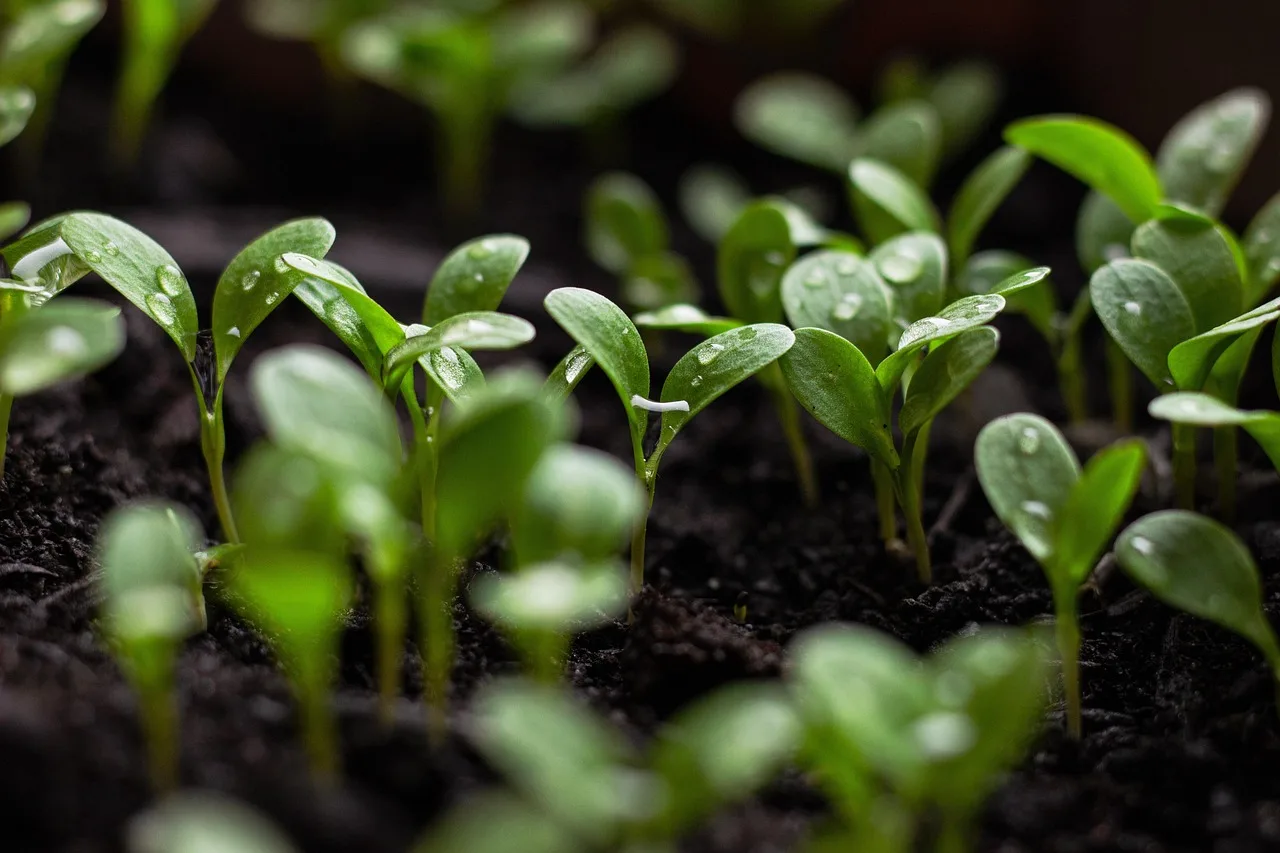
- Water the tray lightly first so the mix is moist, not soggy.
- Choose the strongest seedling: straight stem, better color, and true leaves.
- Use snips for delicate crops or tight cells; pull only when roots release easily.
- Keep the final count per cell or row spacing on the packet.
- Finish with a gentle watering so the mix settles around the roots.
Snip vs pull
Snip when roots are close together, the container is shallow, or the crop is root-sensitive. Cut extras at soil level with small scissors or snips. Pull only when the mix is loose, moist, and the seedlings are widely spaced enough that one can slide out without tugging the keeper.
Seed-starting mix and fine potting mix release roots more cleanly than heavy garden soil. A light, airy mix breaks apart with less force, which lowers transplant shock if a seedling is pulled. In tight cells, though, even loose mix can cling to roots, so snipping is still safer for many crops.
How many seedlings should you leave?
Leave one seedling per cell for most tray-grown vegetables and flowers unless the packet says otherwise. In rows, leave the final spacing the crop needs at maturity. If germination is poor or seed viability is uncertain, keep two seedlings for a short time, then remove the weaker one after a few days.
Over-thinning can reduce yield, especially for greens and flowers sown in small patches. Under-thinning leaves plants cramped, which reduces airflow and can lead to soft stems, uneven growth, and disease. The right count depends on crop type, final spacing, and whether the seed is dependable.
Seedlings matrix
| Crop type | Stage | Method | Keep count per cell | Post-thin recovery steps |
|---|---|---|---|---|
| Lettuce | 1–2 true leaves | Snip extras | 1 | Water gently; keep under bright light |
| Basil | 2 true leaves or more | Snip or careful pull in loose mix | 1 | Raise light intensity; avoid wet leaves overnight |
| Tomatoes | 1–2 true leaves | Snip extras | 1 | Water at soil level; rotate tray for even light |
| Peppers | 1–2 true leaves | Snip extras | 1 | Keep warm and evenly moist |
| Carrots | First true leaves visible | Snip weak seedlings | 1 every 1–2 inches in rows | Water lightly so roots stay undisturbed |
| Beets | 1–2 true leaves | Snip extras | 1 per cluster | Water gently; thin again if two seedlings remain |
| Marigolds | 1–2 true leaves | Snip or pull if roots separate cleanly | 1 | Set in bright light; avoid drying out |
| Zinnias | 2 true leaves | Snip extras | 1 | Water after thinning; keep air moving |
For lettuce, basil, tomatoes, peppers, marigolds, and zinnias, one strong seedling per cell is the standard starting point. For carrots and beets, thinning often happens in rows rather than cells, and the spacing matters more than the count in one plug. Final spacing improves airflow and lowers disease pressure.
How to thin seedlings step by step
- Check the tray under bright light and identify the strongest seedling in each crowded spot.
- Water the mix first if it feels dry; moist mix reduces root breakage.
- Snip extras at soil level with clean scissors, especially in shallow cells or root crops.
- Pull only the weakest extra if the mix is light and the seedling lifts without tugging the keeper.
- Leave the final spacing shown on the packet, or one seedling per cell for tray crops.
- Water gently after thinning so the root zone settles, then return plants to bright light.
Suppose a 72-cell flat of basil has three sprouts in many cells. If each cell holds one sturdy plant with two true leaves and the mix is moist, snip the other two. Suppose a carrot row is packed every half inch. Thin with scissors to 1 plant every 1 to 2 inches, because pulling can disturb the roots left behind.
Common mistakes to avoid
Thinning too early is a common error. If you act at cotyledon stage, you may remove plants before the strongest one is obvious. Wait for true leaves when possible, unless the tray is already crowded enough to shade itself.
Pulling in tight cells can tear roots and slow recovery. Use snips when in doubt. Skipping light corrections is another problem: if seedlings are long and pale, more thinning will not fix weak stems by itself.
Leaving trays too crowded keeps airflow low and stems soft. That can lead to legginess, uneven growth, and damp conditions that invite disease. If germination was uneven, do not leave extra plants just to fill gaps; keep the strongest few and match the crop’s final spacing.
Why are seedlings tall and thin?
Tall, thin seedlings usually point to low light first. Thinning can reduce crowding, but it does not fix a dim window, a light source placed too far away, or a short daily light period. If stems are stretching between leaves, treat light as a separate problem.
How to strengthen seedling stems
Move seedlings closer to a grow light or to the brightest window you have, then keep the light on long enough for steady growth. Rotate trays so stems do not lean one way. Water on a sensible cadence; very wet mix can leave stems soft.
Hardening off comes later, after thinning or transplanting, when plants are ready for outdoor exposure. Move trays outside for a few hours at a time over several days, starting in shade and sheltered conditions, and increase exposure gradually. That gradual schedule reduces shock and helps stems adjust to wind and sun.
Frequently asked questions
How to thin seedlings properly: use clean snips
Use clean snips at soil level for most crops, especially in shallow cells and tight clusters. Pull only when the mix is loose and the roots separate cleanly. The keeper should stay undisturbed, and the final spacing should match the crop’s adult size.
What is thinning seedlings?
It is the removal of extra young plants so the best one has room, light, water, and nutrients. The right timing is usually after true leaves appear. For many crops, that is when the strongest seedling is easiest to judge.
How to grow strong seedlings
Use a fine seed-starting mix, keep moisture even, and thin to the crop’s final spacing. Strong seedlings usually come from steady light and enough room, not from leaving every sprout in place. For tray crops, one healthy plant per cell is the usual target.