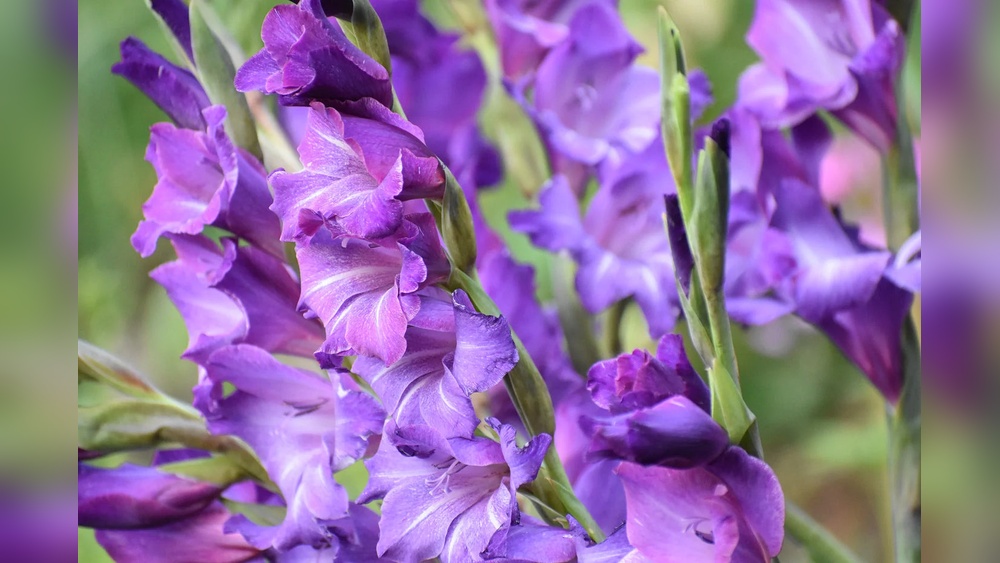

Spring in Massachusetts transforms gardens into vibrant displays of color and life. The anticipation of spring blooms motivates gardeners to plan months in advance, and planting bulbs at the right time is crucial for a spectacular floral show. Whether you’re a seasoned horticulturist or a first-time gardener, understanding local climate nuances, bulb varieties, and best practices ensures your garden thrives. Massachusetts’ unique climate presents both opportunities and challenges, making timing and technique essential for successful bulb planting.
This guide provides everything you need to know about planting bulbs in Massachusetts for spring blooms. From the science of soil temperatures to the impact of regional microclimates, we’ll cover actionable strategies and expert advice. Detailed tables, real-world case studies, and a comprehensive FAQ section will empower you to make informed decisions, maximize your garden’s beauty, and avoid common mistakes. Let’s dig into the art and science of spring bulb planting in the Bay State.
Key Takeaways
- Optimal planting time for spring-blooming bulbs in Massachusetts is late September through mid-November.
- Soil temperature and weather patterns greatly influence bulb viability and bloom quality.
- Popular spring bulbs include tulips, daffodils, crocuses, hyacinths, and snowdrops.
- Preparation of soil and site selection is essential for healthy growth and vibrant blooms.
- Planting depth, spacing, and aftercare directly affect bulb performance.
- Regional microclimates and climate change trends can alter traditional planting schedules.
Credit: www.longfield-gardens.com
Understanding Massachusetts’ Climate And Its Impact On Bulb Planting
Massachusetts’ climate is characterized by four distinct seasons, with cold, snowy winters and warm, humid summers. This variability affects when bulbs should be planted to ensure optimal spring blooms. The state’s weather is also influenced by proximity to the Atlantic Ocean, which moderates coastal temperatures and often brings more precipitation to eastern regions.
Average Temperatures And Frost Dates
Massachusetts falls within USDA Hardiness Zones 5a to 7a, which determines which bulbs thrive and when they should be planted. The average first frost date ranges from mid-October in western regions to early November along the coast. Understanding these frost dates is critical for timing bulb planting, as bulbs need to be in the ground before the soil freezes but after it has cooled sufficiently.
| Region | USDA Zone | Avg. First Frost | Avg. Last Frost |
|---|---|---|---|
| Western MA | 5a | Oct 10-20 | May 5-15 |
| Central MA | 5b-6a | Oct 15-25 | May 10-20 |
| Eastern MA (Boston) | 6b-7a | Oct 25-Nov 5 | Apr 25-May 5 |
| Cape Cod | 7a | Nov 1-10 | Apr 15-25 |
Soil Temperatures And Bulb Viability
Bulbs require a period of cold dormancy to trigger spring blooming. Optimal planting occurs when soil temperatures drop to 40–55°F. Planting too early can result in premature sprouting, while planting too late risks bulbs not establishing roots before winter. Soil temperature is often overlooked, but it’s a fundamental factor in bulb performance. Gardeners can use inexpensive soil thermometers to monitor conditions and ensure precise timing.
- Tulips, daffodils, hyacinths: Prefer soil below 55°F, as warmer soils can cause them to sprout prematurely and become susceptible to frost damage.
- Crocuses, snowdrops: Can tolerate slightly warmer soils but still require cool conditions for proper root development.
Bulbs planted at the right soil temperature will develop strong root systems before winter sets in. This root growth is vital for supporting lush foliage and vibrant flowers in spring.
Microclimates And Local Variability
Urban areas and coastal regions often experience warmer conditions, impacting planting schedules. For example, Boston’s urban heat island effect may delay soil cooling, while rural Berkshire towns cool faster. Microclimates can also be created by factors such as tree cover, proximity to buildings, and elevation.
Real-world Example: Coastal Vs. Inland Planting
A gardener in Cape Cod plants tulip bulbs in early November, while a gardener in Northampton plants in mid-October. Both achieve optimal blooms by aligning planting time with local soil temperatures and frost dates. This careful attention to microclimates ensures bulbs receive the right dormancy period and are protected from early frost.
Additionally, gardens situated on south-facing slopes or near bodies of water may experience warmer microclimates, affecting both the timing and success of bulb planting. Gardeners should observe their local environment and adjust planting times accordingly.
For further regional climate data, consult the National Weather Service Boston.
Credit: www.hartney.com
Choosing The Right Bulbs For Massachusetts Spring Blooms
Selecting bulbs suited to Massachusetts’ climate ensures robust growth and vibrant spring displays. Each species has unique requirements and bloom times. The diversity of bulbs available allows gardeners to create layered, sequential blooms that extend the spring display for weeks.
Popular Spring-blooming Bulbs
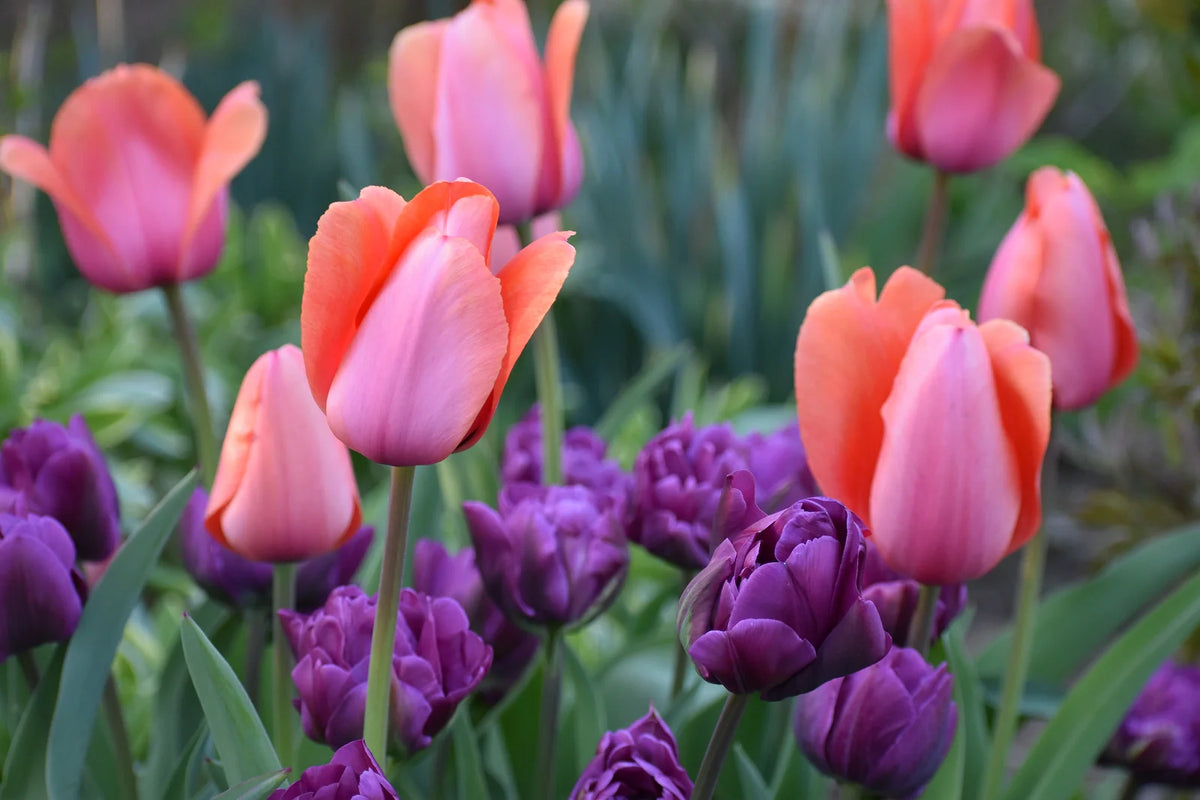
- Tulips: Iconic spring flowers with a range of colors; best planted in October. Tulips are available in early, mid, and late blooming varieties, allowing for staggered color throughout the season.
- Daffodils: Hardy, deer-resistant, and early blooming; ideal for Massachusetts’ variable weather. Daffodils are reliable and multiply over time, creating larger drifts each year.
- Crocuses: Among the first to bloom; thrive in well-drained soils. Crocuses signal the arrival of spring, often blooming while snow is still on the ground.
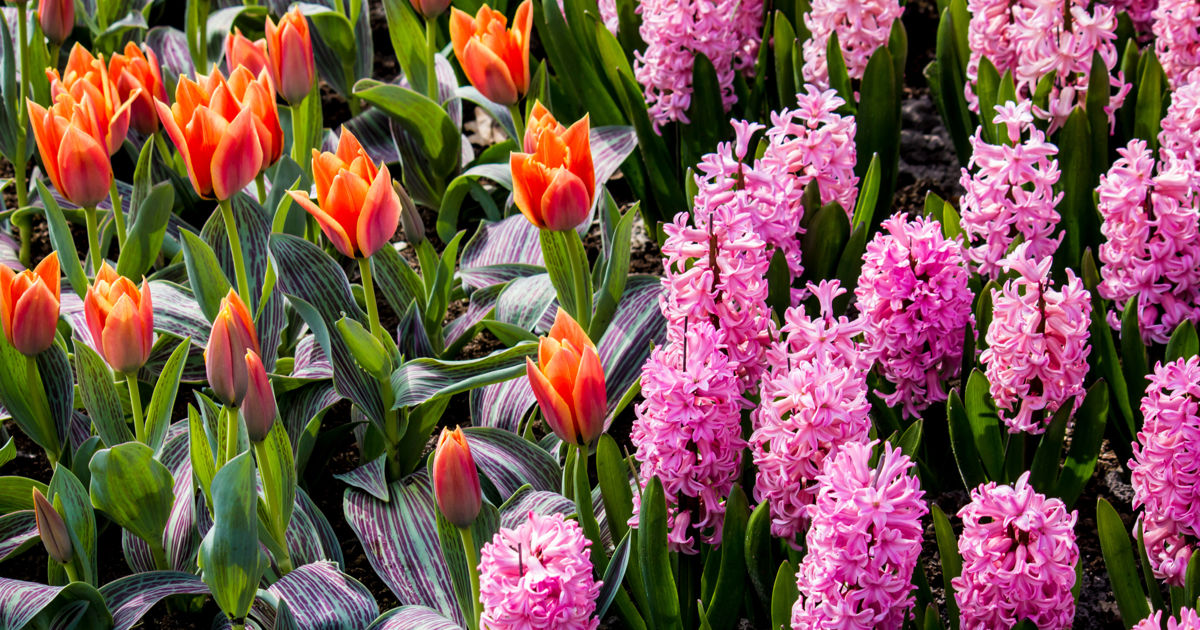
- Hyacinths: Fragrant, colorful spikes; prefer slightly warmer soils. Hyacinths provide intense scent and vibrant hues, perfect for borders and containers.
- Snowdrops: Small, white blooms; excellent for naturalizing wooded areas. Snowdrops are tough and resilient, spreading naturally to create carpets of early spring flowers.
| Bulb Type | Recommended Planting Time | Bloom Window | Special Notes |
|---|---|---|---|
| Tulip | Oct 1–31 | April-May | Requires cold dormancy |
| Daffodil | Sept 20–Nov 10 | March-April | Deer resistant |
| Crocus | Sept 25–Oct 30 | March | Early blooming |
| Hyacinth | Oct 10–Nov 5 | April | Strong fragrance |
| Snowdrop | Sept 20–Oct 20 | Late Feb-March | Naturalizes well |
Specialty Bulbs For Unique Gardens
- Fritillaria: Unusual patterns, thrives in slightly moist soils. Fritillaria varieties such as Fritillaria meleagris (checkered lily) add exotic texture and color to spring beds.
- Scilla: Blue carpets; great for woodland gardens. Scilla siberica is particularly hardy and spreads easily, forming beautiful blue masses beneath trees.
- Allium: Dramatic globes, late spring bloom. Alliums are visually striking and attract pollinators, making them excellent for ecological gardens.
Bulb Quality And Sourcing
Purchase bulbs from reputable suppliers to ensure disease-free, high-quality specimens. Look for large, firm bulbs with no signs of mold or damage. Avoid bulbs that are soft, shriveled, or have visible blemishes, as these are less likely to thrive. Local nurseries often carry bulbs selected for regional success.
Online suppliers offer broader selections, but be sure to check shipping dates and storage recommendations.
For expert guidance, check resources from the Massachusetts Nursery and Landscape Industry.
Case Study: Tulip Success In Central Massachusetts
A gardener in Worcester sourced bulbs from a certified nursery, planted in mid-October, and achieved a 95% bloom rate. Proper timing and bulb quality were key. The gardener also selected varieties with staggered blooming periods, extending color from mid-April through May.
When And How To Plant Bulbs In Massachusetts
Timing and technique are critical for bulb health and successful blooms. Follow best practices for planting depth, spacing, and soil preparation. Bulbs are perennial investments, so proper planting ensures long-term garden success.
Optimal Planting Windows
- Western MA: Late September to late October
- Central MA: Early to late October
- Eastern MA: Mid-October to early November
- Cape Cod: Late October to mid-November
Plant bulbs when daytime temperatures drop consistently below 60°F and soil cools to 40–55°F. This window aligns with the bulbs’ natural cycle, providing them with enough time to establish roots before winter.
Planting Depth And Spacing
Different bulbs require specific depths and spacing for optimal root development. Planting too shallow exposes bulbs to frost; too deep can hinder sprouting.
| Bulb Type | Planting Depth | Spacing |
|---|---|---|
| Tulip | 6–8 inches | 4–6 inches |
| Daffodil | 6–8 inches | 6–8 inches |
| Crocus | 3–4 inches | 3–4 inches |
| Hyacinth | 6 inches | 4–6 inches |
| Snowdrop | 3 inches | 2–3 inches |
Soil Preparation And Amendments
- Well-drained soil: Essential to prevent bulb rot. Bulbs are sensitive to excess moisture, which can encourage fungal diseases.
- Add compost or organic matter for improved texture. Organic amendments increase soil fertility and promote healthy root growth.
- Test pH: Most bulbs prefer pH 6.0–7.0. Adjust pH with lime (to raise) or sulfur (to lower) as needed.
Step-by-step Planting Process
- Clear site of weeds and debris. Remove stones and roots to prevent obstruction.
- Loosen soil to a depth of 8–12 inches. Aerated soil encourages robust root systems.
- Add compost and mix thoroughly. Compost provides essential nutrients and improves soil structure.
- Dig holes to specified depth. Use a bulb planter or trowel for precision.
- Place bulbs with pointed end up. The pointed end is where the stem will emerge; correct orientation is essential.
- Backfill holes and water well. Watering helps settle soil and initiates root growth.
For mass plantings, consider digging trenches to accommodate groups of bulbs. This technique is especially effective for creating drifts of color.
Real-world Example: Daffodil Naturalization In Franklin
A community project in Franklin planted 5,000 daffodil bulbs in late October. Volunteers followed proper depth and spacing, resulting in a stunning spring display with minimal maintenance. The naturalized area continues to expand annually as bulbs multiply.
For further planting techniques, refer to the National Gardening Association.

Credit: www.wgbh.org
Preparing Your Garden For Bulb Planting
Preparation sets the stage for healthy bulbs and abundant blooms. Site selection, soil quality, and pest management are critical. Investing time in preparation pays dividends in spring beauty.
Site Selection
Choose locations with:
- Full to partial sun (at least 6 hours daily): Sunlight is essential for vigorous growth and vibrant blooms.
- Well-drained soil: Avoid areas prone to waterlogging or compacted earth.
- Protection from harsh winter winds: Bulbs in exposed areas may suffer from desiccation or frost heaving.
If you’re planting under deciduous trees, bulbs will benefit from full sun in spring before leaves emerge.
Soil Testing And Amendment
- Conduct a soil test for pH and nutrient levels. Soil test kits are available at garden centers or through local extension services.
- Amend with compost or peat moss as needed. Amendments improve moisture retention and provide nutrients.
- Avoid heavy clay; improve drainage with sand or grit. Clay soils can be loosened with organic matter and coarse sand.
Testing soil annually helps maintain optimal conditions for bulb growth.
Pest And Disease Management
- Use wire mesh to deter squirrels and voles. Mesh can be laid just below the soil surface and removed in spring.
- Inspect bulbs for fungal diseases before planting. Discard any bulbs with soft spots or visible mold.
- Apply organic deterrents as needed. Products like blood meal or crushed chili flakes discourage digging.
Routine inspection and prevention are the best strategies for avoiding pest and disease issues.
Mulching And Winter Protection
- After planting, apply a 2–3 inch layer of mulch. Mulch insulates soil, conserves moisture, and reduces weed growth.
- Mulch stabilizes soil temperature and prevents frost heaving. Frost heaving occurs when soil repeatedly freezes and thaws, pushing bulbs out of the ground.
Materials for mulch include shredded leaves, straw, bark chips, or pine needles.
Case Study: Mulch Application In Marblehead
A gardener in Marblehead used shredded leaves as mulch after bulb planting. The mulch prevented frost heaving and improved moisture retention, resulting in vigorous spring growth. Using locally sourced mulch is cost-effective and environmentally friendly.
For more on soil and site preparation, visit the Gardening Know How.
Regional Variations And Microclimates In Massachusetts
Massachusetts’ diverse geography creates microclimates that affect bulb planting schedules and outcomes. Understanding your region’s particular conditions allows for more precise planning and higher success rates.
Urban Vs. Rural Planting Differences
- Urban areas: Warmer soils, delayed cooling, later planting window. Buildings and pavement absorb and radiate heat, keeping soil warmer longer.
- Rural areas: Earlier cooling, advanced planting schedule. Open fields and less development allow for faster cooling and earlier frosts.
Urban gardeners may need to monitor soil temperature more closely, as it can remain above optimal planting temperatures well into autumn.
Coastal Influence
Coastal areas (e. g. , Cape Cod) remain warmer longer, allowing for later planting. Inland towns cool faster, requiring earlier bulb planting. Coastal breezes can also moderate temperature swings, reducing frost risk.
Elevation And Exposure
Higher elevations experience earlier frosts and cooler soils. South-facing slopes warm faster, extending the planting window. North-facing slopes and shaded areas may require earlier planting for bulbs to establish before winter.
Gardeners in hilly areas should be aware of microclimate differences within their own property, as a few feet in elevation can change planting conditions.
Case Study: Early Bloomers In Berkshire Hills
Gardeners in the Berkshire Hills plant bulbs in late September due to early frosts. South-facing garden beds allow for slightly later planting and earlier spring blooms. The region’s cooler climate also supports specialty bulbs like snowdrops and Scilla, which thrive in colder soils.
Data Table: Regional Planting Trends
| Area | Earliest Planting Date | Latest Planting Date | Typical Bloom Start |
|---|---|---|---|
| Berkshire Hills | Sept 25 | Oct 20 | Late March |
| Boston Metro | Oct 15 | Nov 5 | Early April |
| Cape Cod | Oct 25 | Nov 10 | Mid April |
| Worcester County | Oct 5 | Oct 31 | Late March/Early April |
For more on microclimates, see the Wikipedia Microclimate Entry.
Common Mistakes And How To Avoid Them
Planting bulbs is deceptively simple, but common mistakes can hinder spring blooms. Awareness and prevention are key to gardening success.
Planting Too Early Or Too Late
- Too early: Bulbs may sprout in fall and die in winter. Early sprouting leaves bulbs vulnerable to frost.
- Too late: Bulbs fail to establish roots and may rot. Late planting can also reduce bloom performance in spring.
Always check soil temperatures and aim for the recommended planting window.
Incorrect Depth And Spacing
- Shallow planting exposes bulbs to frost and wildlife.
- Crowding reduces bloom quality and increases risk of disease.
Proper depth and spacing ensure healthy growth and maximize blooms.
Poor Soil Drainage
- Bulbs rot in waterlogged soils. Excess moisture is the most common cause of bulb loss.
- Solution: Amend soil with sand or compost. Raised beds can also be used in areas with persistent drainage issues.
Neglecting Aftercare
- Forgetting to water bulbs after planting can hinder root development.
- Skipping mulch application exposes bulbs to temperature fluctuations and weeds.
Consistent aftercare is crucial for long-term bulb health.
Pest Damage
- Squirrels and voles dig up bulbs, especially tulips and crocuses.
- Use wire mesh or bulb cages to protect vulnerable bulbs.
Planting daffodils, which are less appealing to rodents, alongside tulips can help deter pests.
Real-world Example: Avoiding Squirrel Damage In Cambridge
A gardener in Cambridge lost 30% of tulip bulbs to squirrels. The following season, wire mesh was used, resulting in zero losses. The gardener also planted a ring of daffodils around tulip beds, further discouraging pests.
Quick Checklist: Bulb Planting Success
- Plant during recommended window
- Use proper depth and spacing
- Ensure well-drained, amended soil
- Protect from pests
- Apply mulch for winter protection
For further advice, consult the Gardener’s Supply Company.
Aftercare And Maximizing Spring Blooms
Proper aftercare ensures healthy bulbs and dazzling spring flowers. A little attention after planting goes a long way toward spectacular spring displays.
Watering And Fertilizing
- Water bulbs immediately after planting to settle soil and initiate root growth.
- Minimal watering needed during winter as bulbs are dormant. If winter is dry, an occasional watering can help.
- Apply balanced fertilizer (10-10-10) in early spring as shoots emerge. Fertilizing at this stage supports flower development.
Avoid over-fertilizing, which can lead to lush foliage but poor blooms.
Mulching And Winter Protection
- Mulch preserves soil moisture and temperature, protecting bulbs from freeze-thaw cycles.
- Remove mulch in early spring to allow shoots to emerge freely. Monitor for signs of growth and remove mulch once green tips appear.
Monitoring For Pests And Disease
- Inspect for fungal rot or mold, especially after wet winters.
- Use organic pest deterrents as needed. Neem oil and insecticidal soap are effective and environmentally friendly.
Encouraging Repeat Blooms
- Allow foliage to die back naturally after blooming. Cutting leaves too soon deprives bulbs of the energy needed for next year’s flowers.
- Deadhead spent blooms to prevent seed formation, directing energy back to the bulb.
Proper aftercare is the foundation for perennial success in your bulb garden.
Case Study: Repeat Blooms In Lexington
A gardener in Lexington allowed daffodil foliage to die back, resulting in consistent blooms for five consecutive years. The gardener also divided overcrowded bulbs every three years, rejuvenating beds and increasing bloom numbers.
For more aftercare tips, see the Royal Horticultural Society.
Adapting To Climate Change And Future Trends
Recent climate trends in Massachusetts affect bulb planting schedules and outcomes. Adapting to changing conditions is key for sustained gardening success.
Warmer Autumns
- Later soil cooling may shift planting windows, requiring gardeners to adjust timing based on real-time conditions.
- Monitor local forecasts for soil temperature and frost dates. Flexibility is essential in years with unusually warm falls.
Increased Precipitation
- Risk of waterlogged soils and bulb rot increases with heavy rainfall.
- Improve drainage and use raised beds or containers to protect bulbs from excessive moisture.
New Bulb Varieties
- Breeders develop bulbs tolerant of variable climates, including those resistant to rot and disease.
- Consider climate-adapted varieties for future-proof gardens. Species tulips and hybrid daffodils are especially resilient.
Technology And Forecasting
- Use soil thermometers and online climate tools for precision planting.
- Track frost dates and soil temperatures for optimal timing. Apps and websites provide hyper-local data for gardeners.
Real-world Example: Technology Adoption In Amherst
A horticulturist in Amherst used a digital soil thermometer and online weather tracking, optimizing bulb planting and bloom timing. The gardener also experimented with climate-adapted bulbs, achieving excellent results during an unusually wet spring.
For climate change updates, refer to the Climate Central.
Frequently Asked Questions
When Is The Best Time To Plant Tulip Bulbs In Massachusetts?
The optimal time to plant tulip bulbs in Massachusetts is from early to late October. In coastal and urban areas, you can plant until early November as soils cool later. Plant when soil temperatures are consistently below 55°F for best results.
Can I Plant Bulbs After The First Frost?
Yes, bulbs can be planted after the first frost as long as the ground is not frozen. Ideally, plant before hard freezes to allow bulbs to establish roots. If the soil is workable and temperatures remain above 40°F, planting is still possible.
How Deep Should I Plant Spring Bulbs?
Most spring-blooming bulbs should be planted two to three times their height deep. For example, tulips and daffodils require 6–8 inches depth, while crocuses and snowdrops need 3–4 inches. Always follow specific recommendations for each bulb type.
What Are The Best Bulbs For Naturalizing In Massachusetts?
Daffodils, crocuses, and snowdrops are excellent for naturalizing, as they multiply and return each year with minimal care. These bulbs are hardy, resistant to local pests, and thrive in Massachusetts’ climate.
How Do I Protect Bulbs From Squirrels And Other Pests?
Protect bulbs by covering planting areas with wire mesh or using bulb cages. Applying mulch and organic deterrents can also help. Avoid planting bulbs in areas frequented by squirrels or voles, and inspect bulbs for signs of disease before planting.
Spring bulb planting in Massachusetts rewards gardeners with dazzling displays and enduring beauty. By understanding local climate, choosing the right bulbs, and following expert planting techniques, you’ll maximize your garden’s potential. Armed with actionable strategies, practical examples, and the latest climate insights, you’re ready to transform your landscape into a springtime masterpiece.
Happy gardening!