
Choosing the right materials for your vegetable garden isn’t just about aesthetics or durability—it can directly impact the safety and health of your crops, and ultimately, your family. Landscape timbers are a popular choice for constructing raised beds and garden borders due to their affordability and ease of installation. But a growing number of gardeners are questioning: _Are landscape timbers safe for vegetable gardens?_
This question goes beyond simple product labeling. It’s about understanding what these timbers are made of, how they interact with soil, and if they leach any chemicals that could be absorbed by your tomatoes, carrots, or leafy greens. With organic gardening and safe food production at the forefront of home gardening trends, taking a closer look at the safety of landscape timbers is more relevant than ever.
This article provides a comprehensive, evidence-based analysis to help you make informed decisions for your edible garden space.
Key Takeaways
- Landscape timbers may be treated with chemicals that can leach into garden soil, potentially affecting vegetable safety.
- There are significant differences between treated and untreated timbers—understanding these is crucial for safe gardening.
- Safer alternatives like natural hardwoods, concrete blocks, and recycled plastic lumber offer long-term solutions.
- Proper installation techniques and barriers can reduce risk but do not guarantee complete safety.
- Real-world studies and data highlight varying risks depending on timber type, treatment, and garden practices.
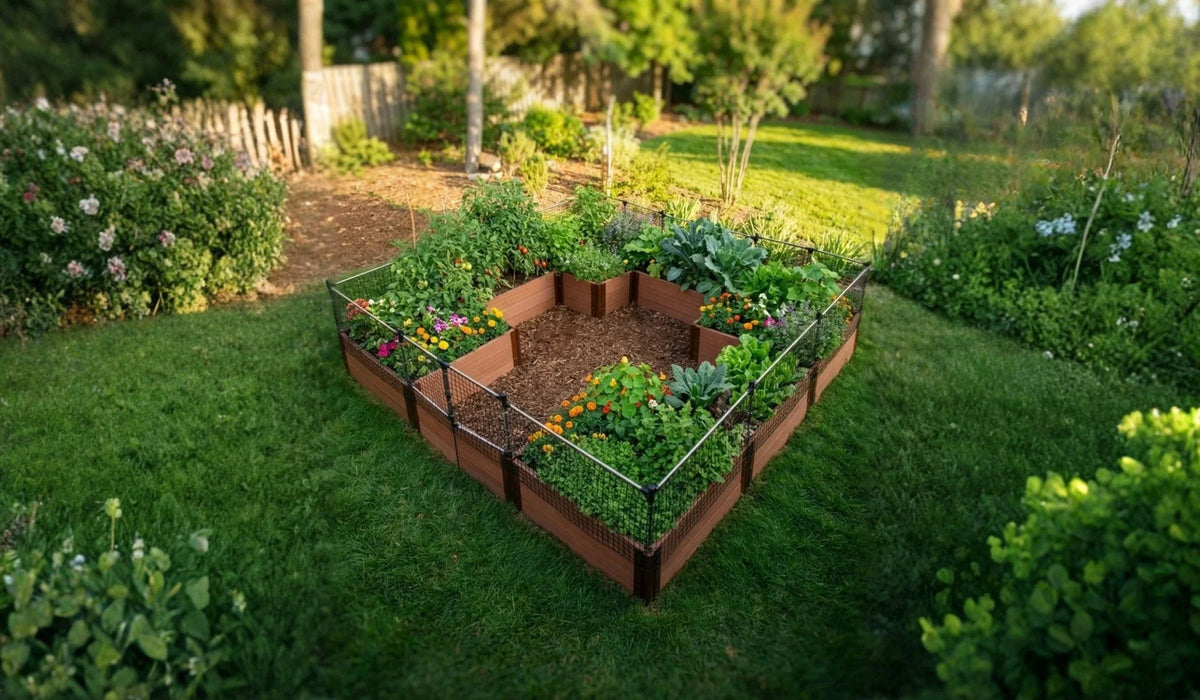
Credit: frameitall.com
Understanding Landscape Timbers
Landscape timbers are versatile, rectangular wood pieces commonly used to edge garden beds, build retaining walls, and create raised beds. They are widely available at home improvement stores and come in several types, each with unique properties and risks.
What Are Landscape Timbers Made From?
Most landscape timbers are constructed from softwoods such as pine or fir. They are often milled from lower-grade wood, making them more affordable but less durable than hardwoods. Some are pressure-treated to enhance longevity, while others are left untreated.
Softwoods like pine are favored for their availability and cost-effectiveness, but their cellular structure makes them more susceptible to rot and insect damage unless treated. In contrast, hardwoods like oak or maple are less commonly used for landscape timbers due to higher costs and sourcing limitations, but they offer greater resistance to decay naturally.
Types Of Timbers: Treated Vs. Untreated
There are two main categories:
- Treated Timbers: These are processed with chemicals to resist rot, insects, and fungal decay. Historically, chromated copper arsenate (CCA) was widely used, but after 2003, its use was restricted by the EPA for residential settings due to arsenic concerns. Newer treatments include alkaline copper quat (ACQ) and copper azole (CA). Some timbers may also be treated with micronized copper azole (MCA), where copper particles are ground ultra-fine to improve wood penetration and reduce surface residue. Although these newer treatments are less hazardous, they are not entirely risk-free, especially with prolonged soil contact.
- Untreated Timbers: These are natural woods without chemical preservatives. While safer for vegetable gardens, they are more susceptible to decay and insect attack. Untreated woods are often chosen by organic gardeners or those prioritizing environmental sustainability, but they may require more frequent replacement or additional protective measures, such as elevated beds or improved drainage.
Common Uses In Vegetable Gardens
Gardeners favor landscape timbers for:
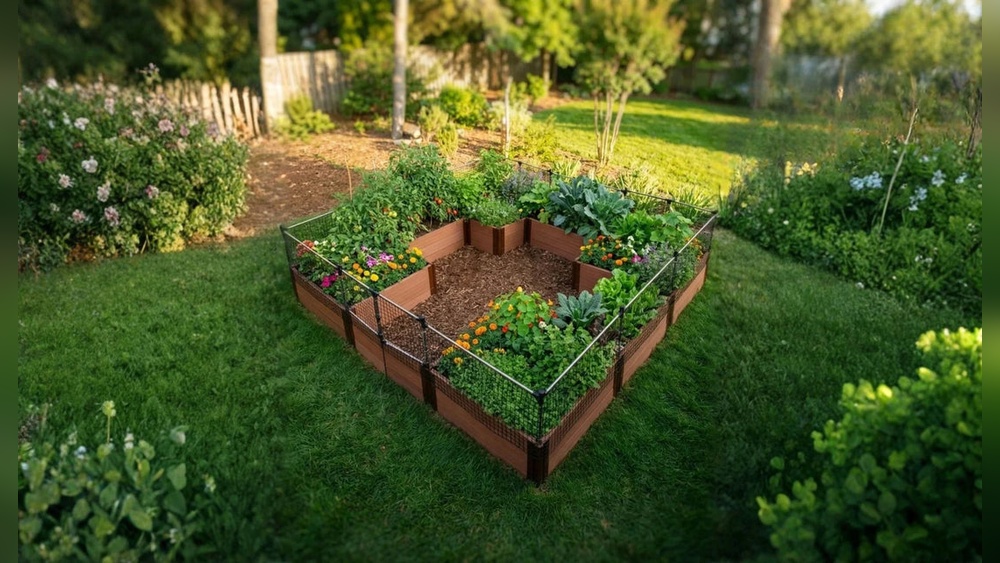
- Raised bed construction: Provides structure, depth, and well-defined planting areas.
- Garden edging: Neatly separates vegetable beds from pathways and lawns.
- Retaining walls: Helps manage sloped areas or prevent soil erosion.
- Pathway borders: Keeps mulch or gravel in place and adds an orderly look.
Their popularity stems from their easy installation, clean appearance, and ability to define garden spaces. DIY enthusiasts appreciate the ability to customize lengths and configurations, and the timbers’ weight and shape make them relatively easy to stack or anchor in place.
Industry Standards And Regulations
The U.S. Environmental Protection Agency (EPA) regulates wood treatments for residential use. However, not all landscape timbers are clearly labeled for edible gardens. The International Agency for Research on Cancer (IARC) and Consumer Product Safety Commission (CPSC) have also issued guidelines regarding wood preservatives, particularly those containing arsenic and creosote.
In many countries, building codes or local environmental agencies may restrict the use of certain treated timbers in garden applications. Always check with your local extension office or municipality to ensure compliance with the latest regulations. Retailers may also provide safety data sheets (SDS) for pressure-treated products, which should be reviewed before purchase.
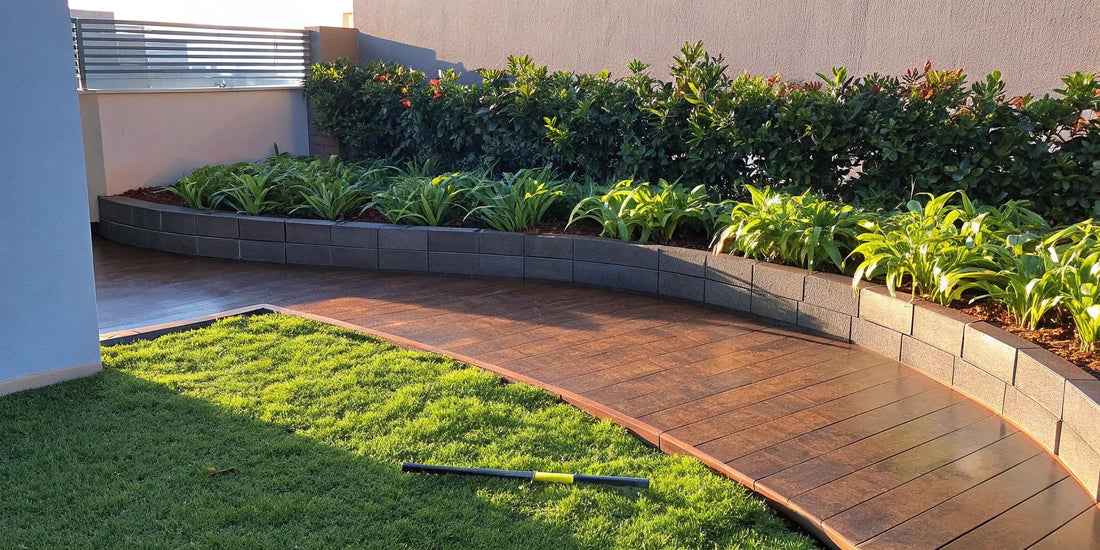
Credit: frameitall.com
The Risks: Chemical Treatments And Soil Contamination
A primary concern for vegetable gardeners is whether chemicals from treated landscape timbers can leach into soil and be taken up by edible plants.
Pressure-treated Wood: What’s Inside?
Historically, pressure-treated landscape timbers used CCA, a compound containing copper, chromium, and arsenic. While highly effective at preserving wood, CCA’s arsenic content is toxic, raising health concerns for food gardens. The EPA’s phase-out of CCA for most residential uses in 2003 was a watershed moment in garden safety awareness.
Since 2004, CCA has been largely replaced by:
- ACQ (Alkaline Copper Quaternary): Contains copper and ammonium compounds.
- CA (Copper Azole): Copper-based, with biocides to inhibit rot.
- MCA (Micronized Copper Azole): Uses finely ground copper particles.
While copper is less toxic than arsenic, it can still be harmful in large amounts and may accumulate in soil over time. Prolonged exposure can lead to phytotoxicity—stunted growth, leaf discoloration, and lower yields in sensitive crops.
Additionally, some imported or specialty timbers may still be treated with chemicals not approved for residential use. Always verify the source and treatment type before incorporating any timber into an edible garden.
Leaching Of Chemicals Into Soil
Numerous studies have examined the leaching potential of treated wood. Research from the University of Minnesota Extension found that copper and other chemicals can migrate from treated timbers into adjacent soil. Leaching rates depend on several factors:
- Soil pH: Acidic soils increase leaching, particularly for copper and arsenic. For example, soils with pH below 6 can accelerate the breakdown of wood preservatives, releasing more contaminants.
- Moisture: Wet conditions accelerate chemical movement. Raised beds with poor drainage or areas with heavy rainfall will experience faster leaching.
- Age of Timber: Older wood leaches less over time because much of the easily mobilized chemical content has already dissipated.
Other factors include the amount of physical damage or cutting to the timber (which exposes untreated surfaces), soil type (sandy soils allow faster movement than clay), and the presence of organic matter (which can bind or immobilize some chemicals).
| Timber Treatment | Main Chemicals | Leaching Risk | Suitability for Veg Beds |
|---|---|---|---|
| CCA (pre-2004) | Arsenic, Chromium, Copper | High | Not recommended |
| ACQ | Copper, Quaternary Ammonium | Medium | Use with barrier |
| CA/MCA | Copper, Azole | Low-Medium | Use with caution |
| Untreated | None | None | Recommended |
Plant Uptake And Health Concerns
Studies indicate that while most edible plants do not take up large quantities of copper or arsenic, root vegetables (carrots, potatoes, beets) grown adjacent to treated wood can accumulate higher levels, especially in the first few inches of soil. Leafy greens and fruiting crops are less affected, but caution is still warranted.
In addition, cumulative exposure over several growing seasons can result in higher background concentrations in the soil, particularly if the bed is never rotated or refreshed. Children are especially vulnerable to heavy metal exposure, making the risks even more relevant for family gardens.
Some research has shown that while tomatoes and peppers generally accumulate little copper or arsenic in fruit tissue, the foliage or roots may contain higher concentrations, especially if grown immediately adjacent to treated timber. Washing crops thoroughly and peeling root vegetables can reduce, but not eliminate, potential exposure.
Regulatory And Health Guidance
The EPA and Centers for Disease Control and Prevention (CDC) recommend avoiding the use of arsenic- or creosote-treated wood in gardens where food is grown. For newer copper-based treatments, guidelines suggest minimizing contact between edible plants and treated wood, and using physical barriers when possible.
It is also recommended to keep children and pets from playing near treated timbers, as direct contact can lead to accidental ingestion of residues. If you are pursuing organic certification for your garden or farm, the use of any treated timber is generally prohibited.
For more detailed regulatory information, see the EPA Wood Preservatives Overview.
Real-world Examples And Case Studies
To understand the practical impact of landscape timbers in vegetable gardens, let’s examine real-world scenarios.
Example 1: Urban Community Garden
A Minneapolis community garden used recycled CCA-treated timbers for raised beds in 2001. Subsequent soil tests (2006) revealed arsenic levels up to 30 ppm (parts per million) within 6 inches of the timbers—significantly higher than background levels (2-5 ppm). The garden replaced the timbers with untreated cedar after several root crops exceeded safe arsenic thresholds.
This example illustrates the lingering risk of older, recycled timbers. Even after several years, the arsenic persisted in the soil and posed a direct risk to food safety, especially for root vegetables.
Example 2: Home Vegetable Garden Using Acq Timbers
A family in Portland, Oregon constructed raised beds with ACQ-treated lumber in 2010. After five years, soil tests showed elevated copper concentrations (up to 70 ppm) within 2 inches of the timber, but levels dropped sharply 8 inches away. Leafy greens grown near the wood tested below EPA concern thresholds, but carrots absorbed higher copper levels, prompting the use of a heavy-duty plastic barrier in subsequent seasons.
This case demonstrates both the reduced risk of newer copper-based treatments and the effectiveness of physical barriers in limiting chemical migration. However, it also highlights the importance of monitoring root crops and testing soil regularly.
Example 3: Organic Farm Switching To Untreated Lumber
A small-scale organic farm in Vermont originally used pressure-treated landscape timbers but switched to locally-sourced, untreated hemlock. After five seasons, the beds showed no significant chemical migration, and crop yields remained strong. The farm cited improved marketability and organic certification compliance as key benefits.
Market preference for chemical-free produce and the ease of certification were significant factors. The farm also reported a marketing advantage, as customers increasingly asked about growing methods and material safety.
Lessons Learned
- Older treated timbers pose the greatest risk due to arsenic content.
- Copper-based timbers leach less hazardous chemicals but still require caution.
- Untreated woods provide peace of mind for food safety, though they may decay faster.
For more case studies, see the University of Minnesota Extension.
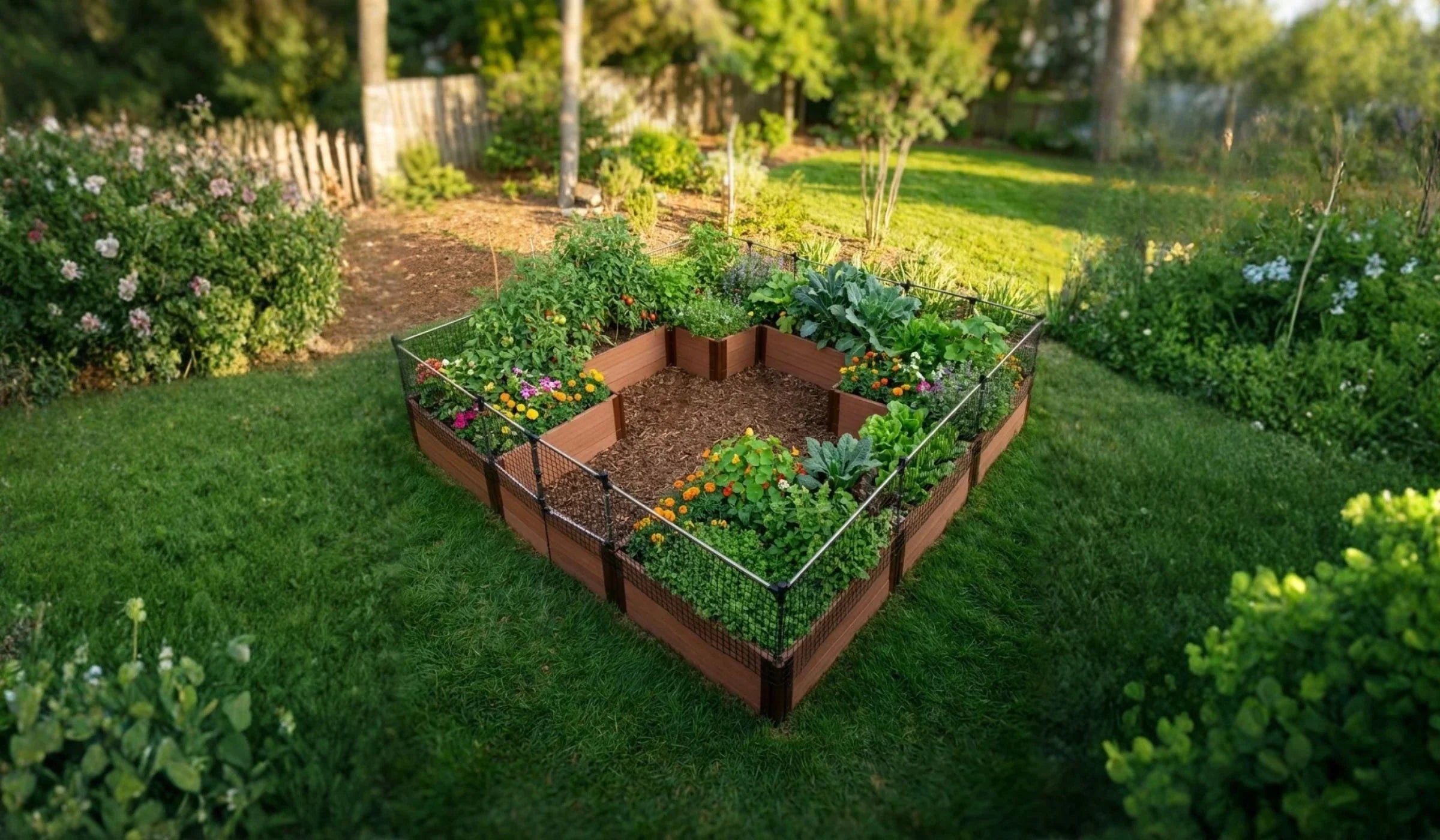
Credit: frameitall.com
Alternatives To Landscape Timbers For Vegetable Gardens
Given the safety concerns, many gardeners opt for alternative materials that eliminate the risk of chemical leaching altogether.
Natural Woods
Cedar, redwood, and cypress are naturally rot-resistant and contain no added chemicals. While pricier than landscape timbers, they can last 10–20 years with proper maintenance. These woods contain natural oils and compounds (like thujaplicin in cedar) that deter insects and decay.
- Cedar: Highly durable, resistant to rot and insects, attractive grain. Western red cedar is a favorite for raised beds due to its balance of durability and workability.
- Redwood: Similar to cedar, with a rich red hue; more expensive. Often used for high-end garden features.
- Hemlock/Pine: Untreated options are affordable but less durable. These may only last a few years, especially in wet climates, but can be a good choice for temporary beds or budget-conscious gardeners.
When using natural woods, regular maintenance such as cleaning, sealing with natural oils, or raising beds slightly off the ground can extend lifespan.
Stone, Brick, And Concrete
Non-wood options like concrete blocks, bricks, and natural stone are inert and will not leach chemicals. They offer excellent durability and a more permanent solution, though installation can be labor-intensive and may require additional planning for drainage.
- Concrete blocks: Affordable, easy to stack, create neat raised beds. They also retain heat, which can benefit heat-loving crops but may require extra watering in hot climates.
- Brick: Visually attractive, lasts decades. Salvaged brick can add historic charm while reducing material costs.
- Stone: Rustic look, excellent longevity, but heavy and costly. Dry-stacked stone can be reconfigured as garden needs change, and is particularly suited to sloped or terraced gardens.
Recycled Plastic Lumber
Recycled plastic or composite timbers are increasingly popular for their longevity and zero leaching risk. Made from post-consumer plastics, they are weatherproof and insect-resistant.
- Pros: No chemical leaching, lasts 25+ years, eco-friendly, often available in a variety of colors and sizes.
- Cons: Higher upfront cost, may look less natural, and some products can warp in extreme temperatures.
Recycled plastic lumber is an excellent choice for gardeners seeking a long-term, low-maintenance, and environmentally responsible solution.
Comparison Table: Raised Bed Materials
| Material | Safety for Veg Gardens | Durability (Years) | Cost | Maintenance |
|---|---|---|---|---|
| Pressure-Treated Timber | Medium Risk | 10-15 | Low-Medium | Low |
| Untreated Cedar/Redwood | Safe | 10-20 | High | Low |
| Concrete Block | Safe | 20-50 | Medium | None |
| Recycled Plastic | Safe | 25+ | High | None |
| Stone/Brick | Safe | 50+ | High | None |
Other Creative Solutions
- Galvanized steel beds: Modern, durable, and safe. These modular systems are easy to assemble, resist rust, and are becoming more widely available.
- Upcycled materials: Wine bottles, logs, or old tires (research safety before use). Pallets can sometimes be used, but ensure they are heat-treated and not chemically treated.
Explore more alternative ideas at the Royal Horticultural Society.
Best Practices For Using Landscape Timbers In Vegetable Gardens
If you choose to use landscape timbers, there are steps you can take to reduce potential risks.
Selecting The Right Timber
- Avoid CCA or creosote-treated wood. These pose the highest risks for leaching toxic chemicals.
- Look for “ground-contact rated” ACQ or CA timbers, but verify with the supplier if suitable for food gardens. Request documentation or safety data sheets when in doubt.
- Choose untreated wood whenever possible.
Additionally, if you must cut treated timbers, always seal the cut ends with a compatible wood preservative to minimize chemical exposure at the newly exposed surfaces.
Installing A Physical Barrier
A physical barrier between the timber and soil can significantly reduce chemical leaching. Options include:
- Heavy-duty plastic sheeting (polyethylene)
- EPDM pond liner
- Landscape fabric (less effective but better than nothing)
Secure the barrier so it covers the inside faces and bottom of the raised bed, with drainage holes to prevent waterlogging. Ensure that the liner extends up to the top of the timber, and periodically inspect for tears or deterioration.
Avoid using thin plastic that may break down quickly in sunlight or with repeated freezing and thawing.
Strategic Garden Design
- Plant root crops away from timber edges. Focus root vegetables in the center of beds to minimize direct soil contact with treated wood.
- Use timbers only for garden pathways, not for beds growing edible crops. This keeps edible plants away from potential contamination.
- Consider double-lining beds for added safety, especially if you plan to grow sensitive or high-value crops.
Regular Soil Testing
Annual soil tests can detect elevated levels of copper, arsenic, or other contaminants. Many state cooperative extensions and commercial labs offer affordable testing services.
- Test soil within 2–4 inches of the timber, as this is where contamination is most likely.
- Compare results against EPA soil screening levels to determine if action is necessary.
Soil testing is particularly important if you have inherited an older garden or suspect previous use of treated timbers.
Find more testing resources at the Texas A&M Soil Testing Lab.
Routine Maintenance
- Inspect timbers annually for signs of decay or chemical residue, such as crumbly surfaces, discoloration, or powdery buildup.
- Replace any decaying or damaged wood promptly to prevent the spread of contaminants.
- Monitor plant health for unusual symptoms, such as stunted growth, yellowing leaves, or poor yields, which may indicate soil contamination.
By keeping up with maintenance, you can extend the safe life of your raised beds and catch problems early.
Data-driven Insights: What Research Says
A review of peer-reviewed studies and government reports provides a clearer picture of the risks and best practices associated with landscape timbers.
Key Findings From Recent Studies
- A 2013 study published in the *Journal of Environmental Quality* found that copper-based pressure-treated wood increased soil copper up to 2 inches from the timber, but levels dropped to background further away.
- EPA research concluded that arsenic from CCA-treated timbers can persist in soil for decades and may exceed safe levels for root vegetables.
- Australian research on treated pine in gardens found negligible risk to human health when a plastic barrier was installed.
Other studies have shown that proper construction methods—such as lining beds and avoiding direct contact between crops and wood—can effectively mitigate most risks associated with newer treated timbers. However, the safest option for long-term vegetable gardening remains the use of untreated or inert materials.
Summary Table: Research Findings
| Study/Source | Timber Type | Key Finding | Recommendation |
|---|---|---|---|
| Journal of Environmental Quality, 2013 | ACQ | Copper leaching up to 2” | Use barrier near edibles |
| EPA, 2006 | CCA | Arsenic persists decades | Avoid for food gardens |
| University of Florida Extension | CA, Untreated Pine | No significant plant uptake when barrier used | Barrier recommended |
| Australian Government, 2017 | Treated Pine | Minimal risk with liner | Use liner for safety |
Official Guidance
- EPA: Avoid CCA and creosote in edible gardens; use a liner with copper-based timbers.
- Organic certification bodies: Prohibit all treated wood in certified organic production.
For further research, visit Wikipedia: Wood Preservation.
Long-term Impacts And Environmental Considerations
Beyond immediate food safety, the choice of landscape timbers can have broader environmental consequences.
Soil Health And Microbial Life
Copper and other wood preservatives can negatively affect soil microorganisms, potentially disrupting nutrient cycling and plant health over time.
- Copper toxicity: High concentrations are toxic to beneficial bacteria and earthworms. Over time, this can decrease soil fertility and reduce the biodiversity of soil life, impacting the resilience and productivity of your garden ecosystem.
- Arsenic: Persistent and highly toxic, even at low concentrations. Arsenic can remain in soil for decades, creating a long-term hazard that is difficult and expensive to remediate.
Disposal And Recycling
Disposing of old treated timbers is challenging. Many landfills restrict CCA and creosote wood due to hazardous waste concerns. Untreated wood can be composted or repurposed safely.
Burning treated timbers is never recommended, as it can release toxic fumes and ash. Instead, contact local waste authorities for safe disposal guidance.
Sustainability And Carbon Footprint
- Natural, untreated hardwoods are renewable and biodegradable, supporting sustainable forest management when sourced responsibly.
- Recycled plastic lumber diverts waste from landfills and has a long lifespan, though energy is used in manufacturing and transport.
- Concrete and stone have high embodied energy but offer permanence, reducing the need for replacement over time.
Prioritizing sustainable materials can help reduce your garden’s overall environmental impact and contribute positively to broader ecological health.
For a deeper dive into environmental impacts, see USDA Forest Service Research.
Frequently Asked Questions
Is It Safe To Use Old Railroad Ties Or Telephone Poles In A Vegetable Garden?
No. Railroad ties and telephone poles are typically treated with creosote or pentachlorophenol, both of which are highly toxic and not approved for use near edible crops. These chemicals persist in wood for decades and can leach into soil, posing health risks. Even weathered or “washed out” timbers can still leach harmful residues, especially when cut or damaged.
Can I Use Landscape Timbers If I Install A Plastic Liner?
Installing a plastic liner (such as heavy-duty polyethylene or EPDM pond liner) between the timber and soil can significantly reduce chemical leaching. However, liners must be properly installed and maintained, and cannot completely eliminate all risk, especially with root crops growing close to the barrier. Inspect liners yearly for damage, and replace as needed.
How Long Do Untreated Timbers Last Compared To Treated Ones?
Untreated timbers (like pine or hemlock) typically last 3–7 years in garden beds, depending on climate and soil moisture. Treated timbers can last 10–15 years or more, but carry associated chemical risks. Naturally rot-resistant woods like cedar or redwood can last 10–20 years without treatment. Lifespan can be extended with good drainage, proper design, and regular maintenance.
Are There Any Safe Wood Treatments For Vegetable Gardens?
Most commercial wood preservatives are not approved for food gardens. However, natural oils (such as raw linseed oil or tung oil) can provide modest protection without toxic residues. Always confirm product safety for edible gardens and avoid any treatment containing pesticides or heavy metals. Beeswax-based sealers are another natural option, though they may require more frequent reapplication.
What Are The Best Alternatives To Treated Landscape Timbers For Raised Beds?
The safest alternatives are:
- Untreated cedar or redwood
- Concrete blocks or bricks
- Recycled plastic lumber
- Natural stone
These materials do not leach harmful chemicals and offer excellent durability for vegetable gardens.
Final Thoughts
Deciding whether landscape timbers are safe for your vegetable garden requires careful consideration of timber type, chemical treatments, soil conditions, and your own risk tolerance. While newer copper-based timbers are less hazardous than older arsenic-laden products, the potential for chemical leaching—especially for root crops—means caution is warranted.
Using untreated rot-resistant woods, inert materials like stone or concrete, or recycled plastic is the surest path to food safety and long-term garden health. When in doubt, install a robust barrier and test your soil regularly. By making informed choices, you can enjoy a productive, safe, and sustainable vegetable garden for years to come.
Remember, the materials you choose today will shape the health of your soil—and your family—for seasons to come. Stay informed, prioritize safety, and don’t hesitate to consult local experts or extension services if you have questions about the best options for your unique gardening environment.
Happy gardening!