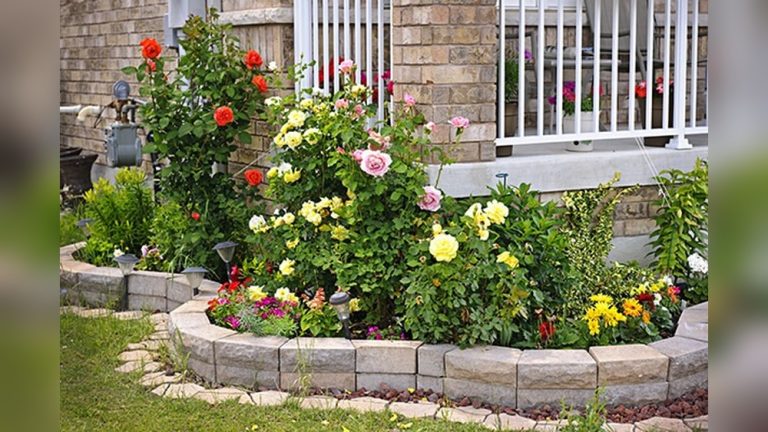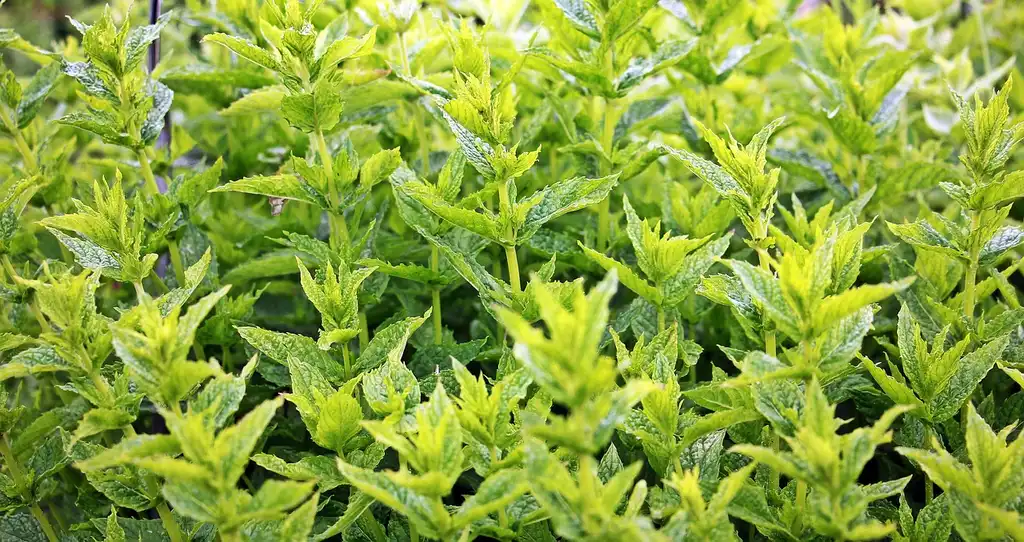
Landscaping Services for Herb Garden Installation
Landscaping services for herb garden installation should be handled as a design-build job: put the bed in full sun, keep paths at least 30 inches wide, and plan for drainage, soil depth, and easy harvesting. Poor layout wastes space, creates muddy access, and cuts yields. This guide covers site planning, bed construction, soil prep, irrigation, and plant placement for a productive herb garden.
What herb garden installation includes

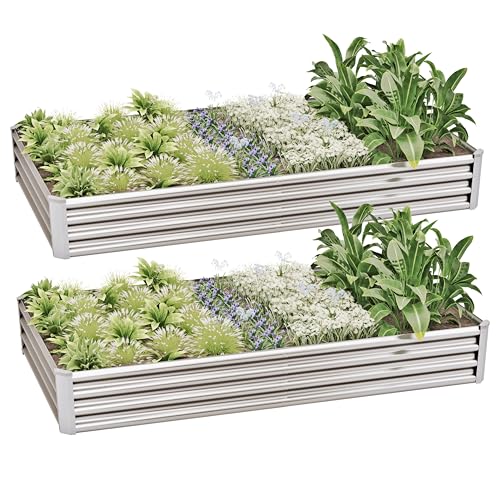

Herb garden installation starts with site review, then moves into layout, bed construction or in-ground planting, soil work, irrigation, and finish details. The goal is to place herbs where sun, drainage, access, and harvest patterns all work together.
Site review and layout planning
Start with sun exposure, slope, roof drip lines, and foot traffic. Herb beds perform best where the site gets direct light for most of the day and water does not pool after rain. Layout should also leave enough room to reach the center of each bed without stepping into it.
A practical herb bed layout uses narrow enough beds for hand access and wide enough paths for a wheelbarrow or watering can. Long, straight runs are easier to maintain than irregular shapes. If the garden sits near a wall or fence, leave space for airflow and for plants that need more heat than others.
Bed prep, planting, and finish work
Bed prep usually includes soil amendment, grading, and setting the final planting surface. A landscaper may install a raised bed frame, prepare an in-ground area, or build container edges where soil depth is limited. Planting should follow the light and water needs of each herb group, not a mixed scatter plan.
Finish work matters because it affects daily use. Clean edging, mulch, and a stable access path make the bed easier to use and less likely to collect weeds or compacted soil. Those details also help keep the harvest zone open so herbs do not get buried under overgrowth.
Irrigation, edging, and access details
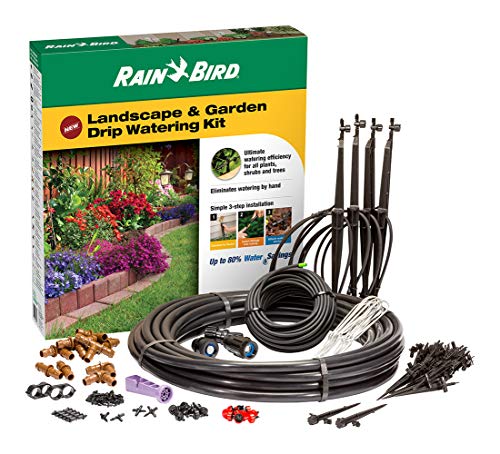
Herb beds usually benefit from low-volume irrigation rather than overhead spraying. Drip lines and emitters reduce leaf wetting, direct water to the root zone, and make seasonal adjustment easier. Edging contains soil and mulch, while a hardscape path protects the bed edge from repeated foot traffic.
Herb garden planning table
| Herb type | Sun requirement | Soil depth | Spacing | Irrigation fit | Install priority |
|---|---|---|---|---|---|
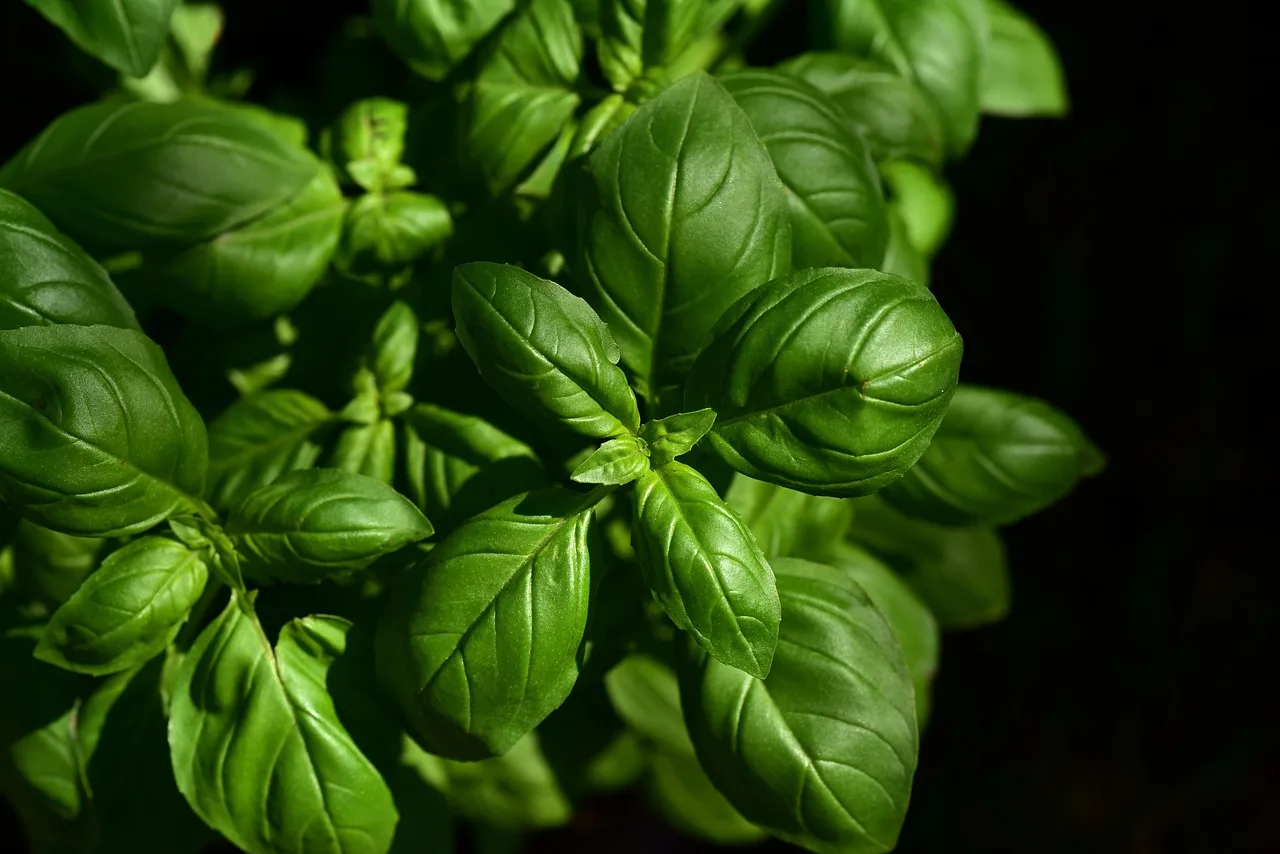
| Basil | Full sun | 12 inches or more | 12 to 18 inches | Drip with steady moisture | High in warm season beds |
| Parsley | Full sun to light shade | 10 to 12 inches | 8 to 12 inches | Even moisture, moderate flow | High for harvest access |
| Rosemary | Full sun | 12 to 18 inches | 24 to 36 inches | Low flow, dry between watering | High where drainage is strong |
| Thyme | Full sun | 8 to 12 inches | 8 to 12 inches | Low flow, drought tolerant once established | Medium for edging or front rows |
| Mint | Sun to part shade | 12 inches or more | 12 to 24 inches, with containment | Regular moisture, separate line preferred | High only in contained spaces |
| Cilantro | Full sun to light shade | 10 to 12 inches | 6 to 8 inches | Cool-season moisture control | Seasonal, quick turnover crop |
This table is the planning step that competitors often skip. It ties herb choice to root room, spacing, and watering style, which is where many herb beds fail. Crowded basil, dry rosemary, and uncontained mint all need different treatment.
How do you choose the right bed type?
Choose bed type by matching root volume, drainage, and access to the site. Raised beds suit poor native soil, wet ground, or anyone who wants easier harvesting height. In-ground planting suits well-drained sites with decent soil already in place. Containers or edge planters make sense when the area is small or the soil is not worth rebuilding.
Raised bed vs in-ground installation
Raised beds are often built about 10 to 18 inches high, though deeper frames can help for herbs with longer roots or for sites that drain slowly. Common materials include rot-resistant wood, composite boards, stone, and masonry block. The advantage is control: soil mix, drainage, and bed height are all easier to manage.
In-ground planting can work well when the native soil drains properly and the bed can be widened without disturbing buried utilities or tree roots. It costs less to set up, but the installer has less control over grade, compaction, and moisture. If the site stays damp after rain, a raised bed is usually the better choice.
When containers or edge planters make sense
Containers and edge planters help when the yard has a patio, a tight side yard, or a narrow strip of usable soil. They also work for mint and other herbs that need containment. The tradeoff is faster drying and less root space, so irrigation and soil mix matter more.
Picture a sunny side yard that holds water after storms. A shallow in-ground bed there will often stay wet too long, while a raised frame with drain-friendly soil lets rosemary and thyme perform better. The bed type solves the site problem before planting starts.
Height, depth, and root volume
Herbs do not all need deep beds, but they do need enough root room to establish without crowding. Shallow layouts can work for thyme and chives. Deeper soil supports basil, parsley, and rosemary more comfortably, especially if the bed gets regular use and repeated harvesting.
Soil prep for herbs
Soil prep should improve drainage, support steady growth, and avoid overfeeding. Herbs generally prefer soil that drains well and does not stay rich and soggy for long periods. The best amendment is usually a compost blend that improves structure without turning the bed into a high-nitrogen vegetable patch.
Compost blend and nutrient balance
Use compost to loosen heavy soil and add modest organic matter. A topdress layer of about 2 inches is a common prep depth before planting, then mix it into the top several inches of the bed rather than leaving it on top only. That gives herbs a balanced start without burying crowns or creating a slick interface between layers.
A common first-timer mistake is loading the bed with rich, dark compost and then planting drought-loving herbs into soil that holds too much water. Rosemary and thyme usually do better in leaner, faster-draining mixes than basil or parsley. Too much fertility can push soft growth and weaker flavor.
Drainage improvement and pH fit
Drainage matters more than heavy feeding for most herb gardens. If the site is dense clay, a raised bed or soil rebuilding may be needed before planting. Compost can improve structure, but it is not a cure for standing water. If water lingers after irrigation, the root zone needs adjustment.
Herbs also respond better when pH stays in a suitable range for general garden soil rather than extreme acidity or alkalinity. A local soil test is the safest guide before major amendments. That step tells you whether you need lime, sulfur, or just a compost adjustment.
Can irrigation be added to an herb bed?
Yes. A landscaper can add irrigation to an herb bed, and drip is usually the best fit. It puts water at the root zone, keeps foliage drier, and makes it easier to separate thirstier herbs from dry-loving ones. Zone control matters when one bed holds basil, parsley, and rosemary in different rows.
Drip lines, emitters, and zone control
Drip lines work well for linear herb beds, while individual emitters help when plants are grouped by water need. Zone control lets you keep a wetter schedule for annual herbs and a lighter schedule for perennial Mediterranean herbs. That keeps one irrigation pattern from harming the whole bed.
Water efficiency improves when the system matches plant groups instead of flooding the whole garden. Emitters placed close to the root zone reduce waste and cut weed growth between plants. Overhead sprinklers are usually a poor fit for herbs because they wet leaves and encourage more disease pressure in dense beds.
Seasonal adjustments for established beds
Spring and early summer often call for closer watering during establishment. Later, established herbs may need less frequent irrigation, especially if the weather is dry and the soil has been mulched correctly. A season change is also a good time to check clogged emitters and make small flow adjustments.
Paths, edging, and mulch
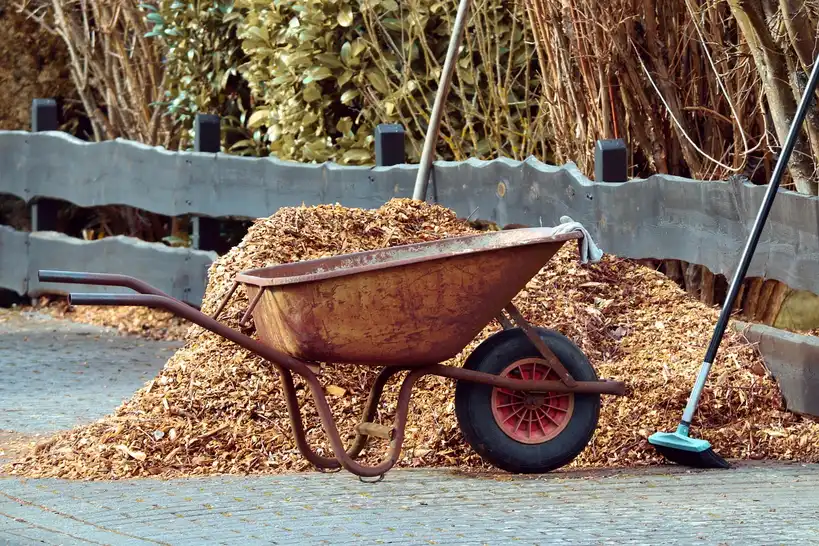
Paths, edging, and mulch are not extras. They are part of the working herb garden. A stable path gives you access without compacting soil, edging keeps mulch and soil in place, and herb-safe mulch moderates moisture and weeds without smothering the plants.
Hardscape access path width and material
Keep the main access path at least about 30 inches wide so you can move through the space without brushing plants or stepping into the bed. Wider paths help when you carry tools or harvest baskets. Gravel, pavers, decomposed granite, and compacted stone fines are common choices, but the best material is the one that drains and stays level.
Slip resistance matters after watering and rain. Smooth stone can be risky on a slope, while a textured surface or well-compacted path gives better footing. Good access also means you can reach a bed edge for pruning, harvesting, and seasonal cleanup without stretching too far.
Edging options for containment and weed control
Edging can be wood, metal, stone, brick, or composite. The main jobs are to define the bed, hold mulch in place, and separate the herb area from turf or gravel. Durable edging reduces maintenance by keeping the bed shape intact and slowing weed migration.
Low edging works well for front borders and small herb gardens. Taller edging can help hold deeper soil in raised beds. If the bed includes mint or other spreaders, a firmer border is worth the added cost because it limits creep into nearby plants.
Mulch type and placement
Use a herb-safe mulch that does not bury crowns or keep the root zone too wet. Fine bark, shredded bark, and leaf mold are common choices when applied in a light layer. A depth of about 2 inches is usually enough for weed suppression and moisture retention without trapping excess water.
Keep mulch back from stems. Herbs with woody crowns, such as rosemary and thyme, can suffer if mulch stays piled against the base. The goal is a clean ring around each plant and a light blanket over the rest of the bed.
How much does herb garden installation cost?
Herb garden installation cost depends on bed type, soil work, irrigation, edging, hardscape access, and planting scope. A simple in-ground herb patch costs less than a raised-bed system with drip irrigation, stone edging, and a new path. Sites with poor drainage or limited access usually add labor and material cost.
Cost drivers by bed type
Raised beds often cost more because they require framing material, fill soil, and more assembly labor. In-ground beds cost less when the soil already drains well, but they may need more prep if the native ground is compacted or uneven. Container edges can fall in between, depending on material and quantity.
One service area page describes projects ranging from $1,500 to $50,000, and says most smaller enhancement projects land between $2,500 and $15,000. For herb gardens, the lower end usually fits small planting zones or basic soil improvement, while the higher end can include multiple beds, irrigation, edging, and paths.
Soil prep, irrigation, and edging costs
Soil delivery and installation, compost blending, and grading can add noticeable cost when the existing soil is poor. Irrigation cost depends on whether the system needs a new zone, drip lines, emitters, and seasonal controls. Edging adds both material and labor, especially when the bed outline is curved or tied into existing hardscape.
Planting scope also changes the price. A bed filled with a few perennial herbs is simpler than one planted with annual herbs that will be rotated through the seasons. If the design includes a harvest path and multiple containment zones, the project will cost more than a basic planting strip.
What changes pricing on larger or harder sites
Slopes, buried roots, poor drainage, and limited access usually increase labor. So does a site that needs demolition before new beds can go in. If the installer has to move material by hand through a narrow side yard, the project will take longer and cost more than one with easy equipment access.
- Confirm sun exposure and drainage before choosing a bed type.
- Group herbs by water need so the irrigation plan is simpler.
- Decide whether the site needs raised beds, in-ground planting, or containers.
- Set the path, edging, and mulch plan before planting.
- Use a soil mix and amendment plan that fits herb roots, not just general landscaping.
Say your front-yard herb strip gets full sun but sits on dense clay. A raised bed with a 12-inch frame, drip irrigation, and a 2-inch mulch layer will usually perform better than a shallow in-ground strip that stays wet after rain.
Suppose a side yard has room for a narrow bed but the path is only 18 inches wide. That setup invites trampling and makes harvest awkward. Widening the path to at least 30 inches and adding edging creates a usable space instead of a squeeze-through strip.
Frequently asked questions
What does herb garden installation include?
It usually includes site planning, bed construction or in-ground prep, soil improvement, planting, irrigation, edging, mulch, and access paths. A good installation also groups herbs by sun and water need so the bed is easier to maintain after planting.
How do you keep an herb garden low-maintenance?
Keep the design simple. Use a bed that drains well, group herbs by moisture need, install drip irrigation, add a light mulch layer, and leave enough path width for easy access. Fewer mixed conditions mean fewer correction jobs later.
Which herbs are easiest to grow in a yard?
Thyme, rosemary, parsley, basil, chives, and mint are common choices, but “easy” depends on site conditions. Rosemary and thyme prefer drier, sunnier ground, while basil and parsley need more regular moisture. Mint is easy only when it is contained.
Do I need raised beds or in-ground planting for herbs?
Choose raised beds if the soil drains poorly, the site is hard to work, or you want better access height. Choose in-ground planting if the soil is already suitable and you want a lower-cost setup. Containers help when space is tight or containment matters.
Can a landscaper install irrigation for an herb garden?
Yes. Drip lines, emitters, and zone control are standard options for herb beds. They help separate thirsty annual herbs from drier perennial herbs and reduce leaf wetting. Seasonal adjustments are important, especially during establishment and hot weather.
Should I add paths, edging, or mulch around herb beds?
Yes, if you want the bed to stay usable. Paths protect the soil from compaction, edging holds the shape and limits weed spread, and mulch helps with moisture retention and weed suppression. Use materials and depths that suit edible plantings, not decorative beds alone.