Landscaping Services for Low-Maintenance Gardens
Low-maintenance landscaping services often design the yard around site conditions, durable hardscaping, drip irrigation, and climate-fit plants so routine care can be limited to pruning, seasonal checks, and occasional mulching. Done badly, the yard needs constant weeding, dead plant replacement, drainage fixes, and higher water bills. This guide covers design, plant selection, grading, irrigation, and hardscaping that cut future work.
This guide is part of our Landscaping services guide series.
What makes a garden low maintenance?
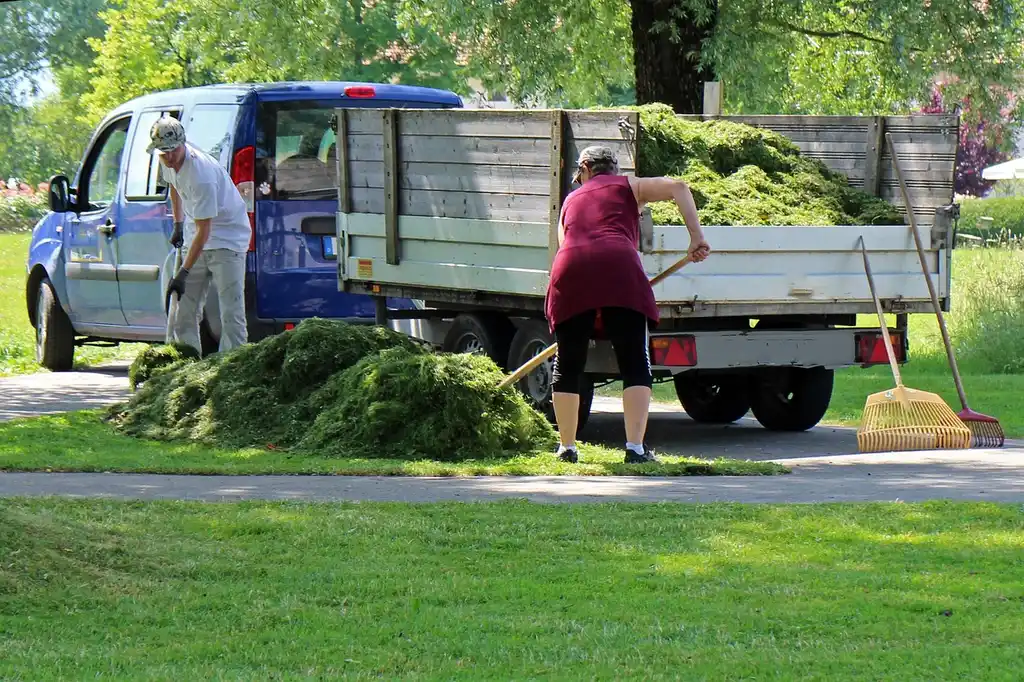

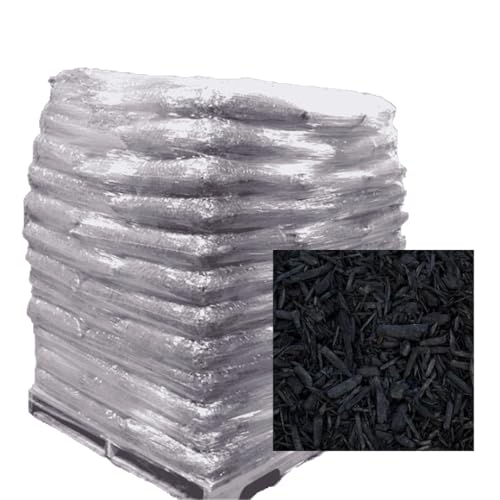
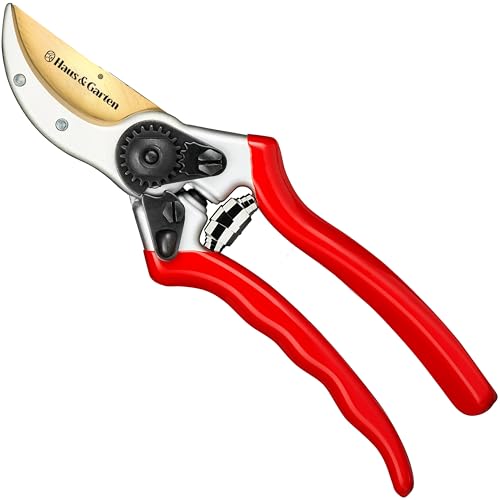
A low-maintenance garden is planned to reduce routine labor, not eliminate it. The key is simple: design choices, grading, irrigation, plant selection, and bed layout reduce weeding, watering, and replacement later. Lawn-heavy layouts usually need more mowing, edging, feeding, and irrigation.
That is why “low maintenance” should mean fewer weak points. A good plan avoids wet spots, heat traps, and plants that outgrow their space. It also separates plant care from appearance-only work, because tidy mulch and clean edges help, but they do not fix poor drainage or the wrong plant in the wrong place.
Low-maintenance landscaping versus lawn care
Low-maintenance landscaping is broader than lawn care. Lawn care focuses on keeping turf healthy and cut, while low-maintenance landscaping can reduce the amount of turf, use harder surfaces where they make sense, and place plants in conditions where they may stay healthy with less intervention.
That difference matters over time. A turf-heavy yard can look simple at first, but it often needs more mowing, irrigation, fertilizing, and repair. A planting-first design with paths, beds, and the right soil preparation usually shifts the workload toward lighter, less frequent tasks.
Which services lower upkeep instead of masking it
The services that truly lower upkeep are the ones that solve site problems before planting begins. Design, grading, drainage work, irrigation planning, proper installation, and selective hardscaping all reduce future maintenance. Mulch and bed edging help too, but they work best after the site has been corrected.
Which landscaping services reduce upkeep the most?
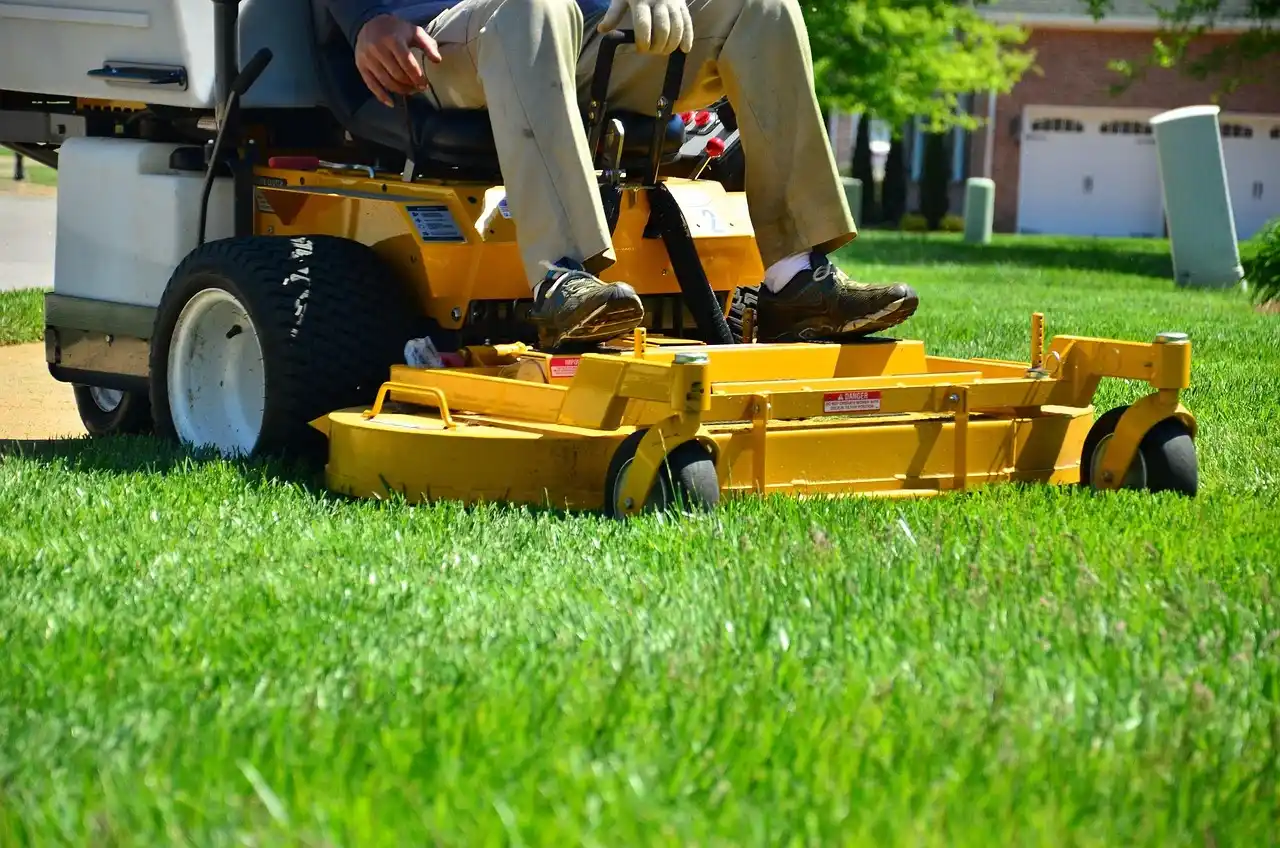
The biggest maintenance reductions usually come from design, installation, irrigation, and drainage work done together. Design decides where plants and hardscape go. Installation puts those decisions into the ground correctly. Irrigation and drainage keep the system stable so plants do not fail from stress, rot, or repeated replacement.
Landscape design for site-specific layout
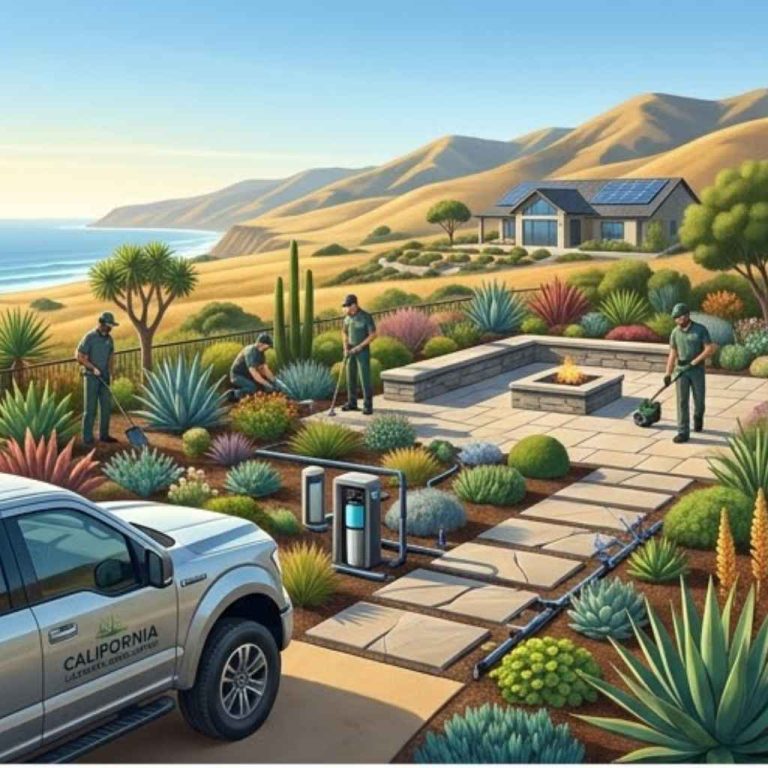
Landscape design is more than drawing beds. It is site planning, plant selection, circulation planning, and long-term maintenance reduction. A good design looks at sun, shade, slope, runoff, soil texture, and how people actually use the yard before any planting begins.
That planning can remove whole categories of work. For example, a narrow path between a patio and a side gate may be better as hardscape than as a strip of turf that needs constant trimming. A planting bed near a downspout may need drainage correction before any shrubs go in.
Landscape installation from planting to hardscape placement
Landscape installation is the stage where the plan becomes a functioning yard. It can include planting installation, hardscape placement, soil prep, bed shaping, edging, and irrigation setup. If installation is rushed, even a good design can become high-maintenance fast.
Planting depth, spacing, and grade all matter. So does the order of work. Paths and patios should be placed before finishing bed edges, and irrigation should be installed so it reaches root zones without soaking paving or wasting water on walkways.
Irrigation setup for efficient water use
An irrigation system lowers upkeep when it delivers water where plants need it, when they need it. Drip lines and properly zoned systems can help reduce overspray, dry pockets, and runoff. They also cut the need for hand-watering, which is often inconsistent and easy to skip during hot spells.
Efficiency depends on design and maintenance. Valves, emitters, timers, and coverage should match the plants, not the other way around. A broken spray head can create a soggy patch in one area and a drought-stressed border in another.
Drainage and grading work that prevents future problems
Drainage solutions are preventive maintenance in disguise. Grade correction, stormwater management, and erosion control can help keep water from pooling around roots, washing out mulch, or cutting channels through beds. If water moves poorly, the garden will need more repairs no matter how carefully it was planted.
Many low-maintenance projects start with drainage questions. Water should move away from structures and out of planting beds without creating new erosion or soggy zones. That may require regrading, soil amendment, swales, or a better path for runoff.
How do plants affect maintenance over time?
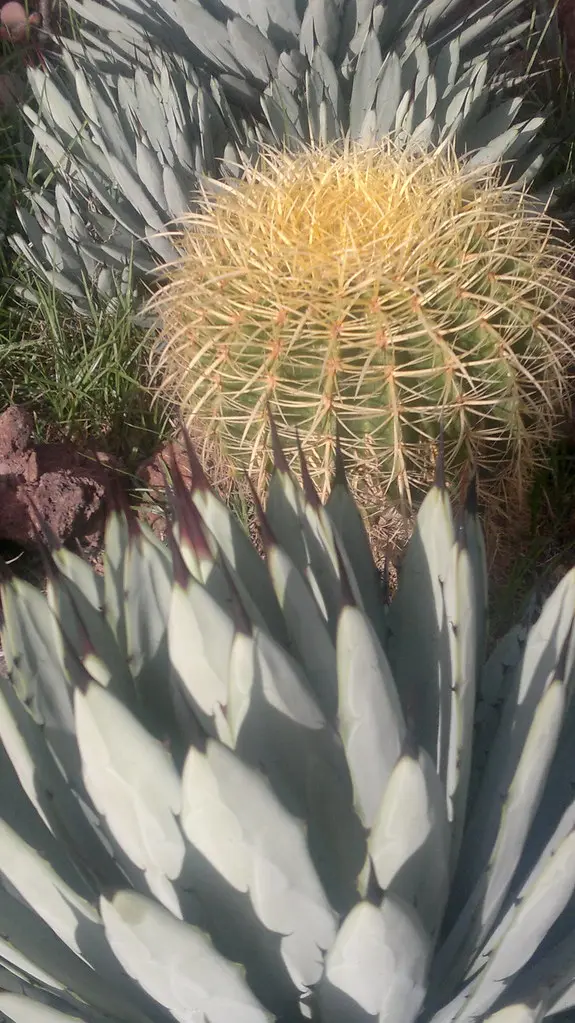
Plant choice is one of the strongest predictors of future upkeep. Native plants and drought-tolerant plantings usually need less watering and replacement because they are better matched to local climate and site stress. The wrong plant can turn a simple bed into a pruning and rescue project.
Native plants and local climate fit
Native plants are adapted to local climate conditions, which often means better survival, lower watering needs, and fewer replacements after weather swings. They also support local ecosystem function. JW Townsend has over 40 years of planting and maintaining gardens, and says they offer more than 320 years of collective gardening experience.
That kind of experience matters because plant fit is not generic. A shrub that thrives in one region may struggle in another because of frost, humidity, summer heat, or soil type. Native plants narrow that risk.
Drought-tolerant plantings for dry sites
Drought-tolerant plantings are generally suited to dry sites and can lower irrigation demand. They are often paired with native grass and meadow concepts, especially where a homeowner wants seasonal movement and texture without a thirsty lawn. JW Townsend highlights drought-tolerant natural areas with native grass and wildflower meadows, and says those meadows support habitat for wildlife and pollinators.
These plantings work best when the soil, slope, and sun exposure match the palette. Dry-site beds should not be treated like general-purpose borders. They need spacing, mulch depth, and watering that support establishment without creating chronic moisture problems.
Low-maintenance garden plantings for year-round interest
Low-maintenance garden plantings usually combine evergreen structure, dependable perennials, and a limited number of repeat plants. The goal is year-round interest with fewer inputs than turf-heavy yards. That means color and texture should come from plants that stay in bounds instead of constant replacement.
A common first-timer mistake is choosing plants for peak bloom only. A bed may look great in spring and then become leggy, overgrown, or water-hungry by midsummer. Planning for mature size and seasonal form prevents that cycle.
Common plant-choice failures that increase pruning and replacement
- Choosing a shade plant for full sun.
- Placing a drought-tolerant plant in a low spot that stays wet.
- Using fast-spreading plants without enough spacing or edging.
- Ignoring mature height, which creates constant pruning near windows, paths, and fences.
- Mixing plants with very different water needs in the same irrigation zone.
Where do mulch, beds, and hardscaping help most?
Mulch, defined beds, and hardscaping cut upkeep by shrinking weed pressure, limiting soil splash, and reducing the amount of area that needs plant care. They are not decoration only. Used correctly, they change how much labor the yard demands after installation.
Mulch and planting beds for weed suppression
Mulch suppresses weeds, helps hold moisture in the root zone, and gives beds a cleaner finish. It works best when beds have clear edges and the mulch layer is maintained at a sensible depth. Thin mulch loses effectiveness quickly; piled mulch can create problems near trunks and stems.
Defined planting beds matter because they reduce bed creep into turf and stop grass from invading. Cleaner edges also make routine maintenance faster. You can see where to prune, where to weed, and where not to step.
Patios, paths, and timber edging as plant-area reducers
Hardscaping reduces the amount of plant-only area that needs watering, trimming, and replanting. Patios and paths replace turf or high-turnover beds with durable surfaces. Timber edging can also help by holding bed lines in place and limiting mulch migration.
RSG lists hardscaping as one of its services, and RSG also lists irrigation solutions as one of its services. That pairing reflects the right approach: reduce planting area where it makes sense, then support the remaining plants with proper water delivery.
How much upkeep does a low-maintenance garden still need?
A low-maintenance garden still needs regular attention. It simply needs less of it, and the work is more predictable. Expect weeding, deadheading, pruning, mulching, seasonal cleanups, and system checks rather than weekly corrections for poor layout or plant failure.
Maintenance-frequency framework by task
- Weekly to biweekly: quick weeding, visual checks for irrigation leaks, and removal of obvious debris.
- Monthly to seasonal: deadheading, light pruning, bed-edge cleanup, and mulch touch-ups where it has thinned.
- Seasonal: cutbacks, leaf removal, drainage inspection, and irrigation adjustments for weather changes.
- As needed: plant replacement, soil correction, pest or disease response, and repairs to hardscape or edging.
Garden maintenance is best treated as an ongoing service rather than a one-time event. JW Townsend says garden maintenance is a featured service, and JW Townsend says garden installation is also a featured service. That combination fits a low-maintenance plan because the finish work and the follow-up work are connected.
Short scenario examples
Say your front yard is a 20-by-30-foot sun exposure with a narrow strip of turf, a hot south-facing wall, and a downspout that splashes one corner. If the plan ignores grading and irrigation zones, the wall bed dries out while the corner stays soggy and loses plants.
Suppose your backyard has mature shade and compacted soil under a maple canopy. A generic sun-loving perennial mix will fail there, and the bed may need repeated replacement. A shade-appropriate plant palette, plus mulch and root-zone-friendly irrigation, lowers that churn.
Low-maintenance garden service checklist by site condition
Different sites need different service priorities. Sun, shade, slope, and dry soil each create separate failure modes, so the lowest-maintenance plan matches the site first and the plant list second. The checklist below shows where service choices reduce upkeep most.
| Site condition | Recommended service | Expected upkeep reduction | Common failure mode |
|---|---|---|---|
| Sun | Heat-tolerant plant selection, drip irrigation, deeper mulch, and reflective-surface checks | Lower hand-watering and fewer scorch-related replacements | Plants chosen for shade or too close spacing that increases pruning |
| Shade | Shade-tolerant plants, soil improvement, airflow spacing, and careful watering zones | Less replacement from rot, mildew, and weak growth | Overwatering and plants that need more sun than the site provides |
| Slope | Grade correction, erosion control, terracing or steps, and bed edging | Less runoff repair, mulch washout, and soil loss | Water racing downhill, exposing roots, and moving mulch into paths |
| Dry soil | Drought-tolerant plantings, efficient irrigation, moisture-retentive mulch, and soil building | Lower irrigation demand and fewer drought deaths | Plants that need frequent watering or mixed zones with conflicting needs |
What should you ask a landscaper for a low-maintenance yard?
Ask for a service plan, not a plant list. The best low-maintenance result comes from matching design, installation, irrigation, drainage, and maintenance frequency to the site. If a contractor only talks about “cleaning up” the yard, that is usually an appearance-first approach, not a maintenance-reduction plan.
Questions about design, planting, irrigation, and drainage
- How will the design reduce watering, weeding, and replacement over time?
- Which parts of the yard need grading or drainage correction before planting?
- What irrigation method fits the plant zones and sun exposure?
- Which hardscape elements would reduce planting area without creating runoff problems?
Questions about maintenance frequency after install
- What does maintenance look like in the first season?
- How often will beds need weeding, pruning, and mulch renewal?
- Which irrigation checks should be scheduled each season?
- What tasks stay on the homeowner side, and what stays with the contractor?
Questions about plant replacement risk and site fit
- Which plants are native or climate-adapted to the site?
- What happens if the soil stays wetter or drier than expected?
- How will the plan handle mature plant size?
- What is the replacement strategy if a plant fails in the first year?
The Great Outdoors offers residential and commercial landscaping services, and says they provide design, installation, and maintenance services. They also say they use native plants adapted to the local climate, and they help with overgrown yards, weed-choked lawns, and drainage issues. Those are the kinds of services that matter when the goal is less work later.
For problem sites, ask whether the contractor can solve the site first and plant second. Low-maintenance outcomes depend on that order. A yard can look neat for a month and still fail if the drainage, grade, or irrigation plan is weak.
Frequently asked questions
What yard services make a garden low maintenance?
The most useful services are landscape design, installation, irrigation setup, drainage correction, selective hardscaping, and recurring maintenance. Together, they reduce watering, weeding, erosion, and replacement. Mulch and edging help, but they work best after the site and plant choices are matched to the conditions.
What plants are best for a low-maintenance site?
Native plants and drought-tolerant plants are usually the best starting point because they fit local conditions better and often need less water and replacement. The right choice still depends on sun, shade, slope, and soil moisture. A low-maintenance plant in the wrong zone becomes high maintenance fast.
Do I need irrigation for a low-maintenance garden?
Often, yes. A well-designed irrigation system can reduce hand-watering, improve plant survival, and keep moisture more even across the yard. Drip irrigation is often a good fit for beds because it targets roots and wastes less water than broad spray in many layouts.
How much upkeep does a low-maintenance garden actually need?
It still needs regular care, just less of it. Plan on some weeding, pruning, deadheading, mulch refreshes, seasonal cleanups, and irrigation checks. The goal is to move from constant correction to scheduled, predictable tasks that are easier to manage.
Can landscaping services help with drainage and drainage issues?
Yes. Drainage services can include grade correction, stormwater management, and erosion control. These are preventive services, not cosmetic extras. When water moves correctly, plants live longer, mulch stays in place, and the yard usually needs fewer repairs and replacements.
What is the difference between low-maintenance landscaping and lawn care?
Lawn care mainly keeps turf healthy and cut. Low-maintenance landscaping reduces the amount of turf, uses better plant matches, adds hardscape where it makes sense, and solves drainage and irrigation issues that drive future work. In other words, it is a site plan, not a mowing schedule.