Where to Buy Crushed Shells for Landscaping Near You
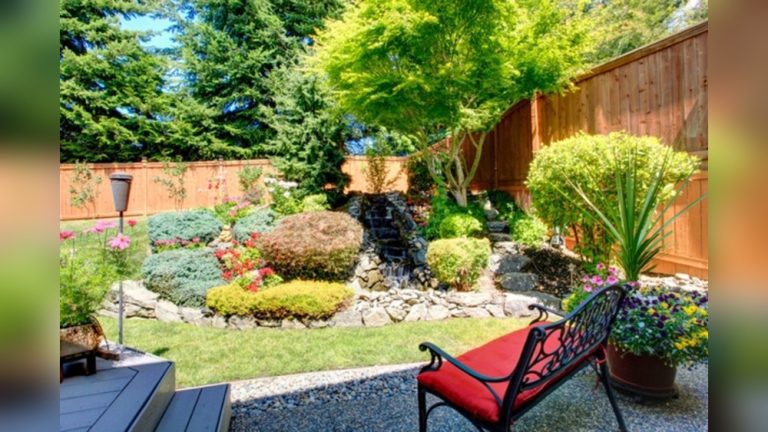
Crushed shells for landscaping offer a beautiful, natural, and surprisingly practical solution for pathways, garden beds, and driveways. Choosing the right type and source is key to achieving both aesthetic appeal and functional benefits for your outdoor space. This guide will navigate you through the best places to find quality crushed shells locally and online, helping you make an informed decision for your next landscaping project.
Simply put, crushed shells for landscaping can be purchased from local garden centers, landscape supply yards, agricultural feed stores, and online retailers specializing in landscaping materials. Availability and specific types vary by region, so checking with local suppliers first is often the most efficient approach to find suitable crushed shells near you.
Key Takeaways
- Crushed shells for landscaping are available from a variety of local sources like garden centers and landscape supply yards, as well as online retailers.
- The type of shell (oyster, clam, scallop) impacts appearance, drainage, and durability, so consider your project needs.
- Local agricultural feed stores are often overlooked but can be excellent sources for bulk crushed shells at competitive prices.
- Consider the grading or size of the crushed shells, as finer grades are suitable for pathways while coarser ones offer better drainage for garden beds.
- Always inquire about delivery options and minimum order quantities, especially when purchasing in bulk for larger landscaping projects.
What are Crushed Shells for Landscaping?
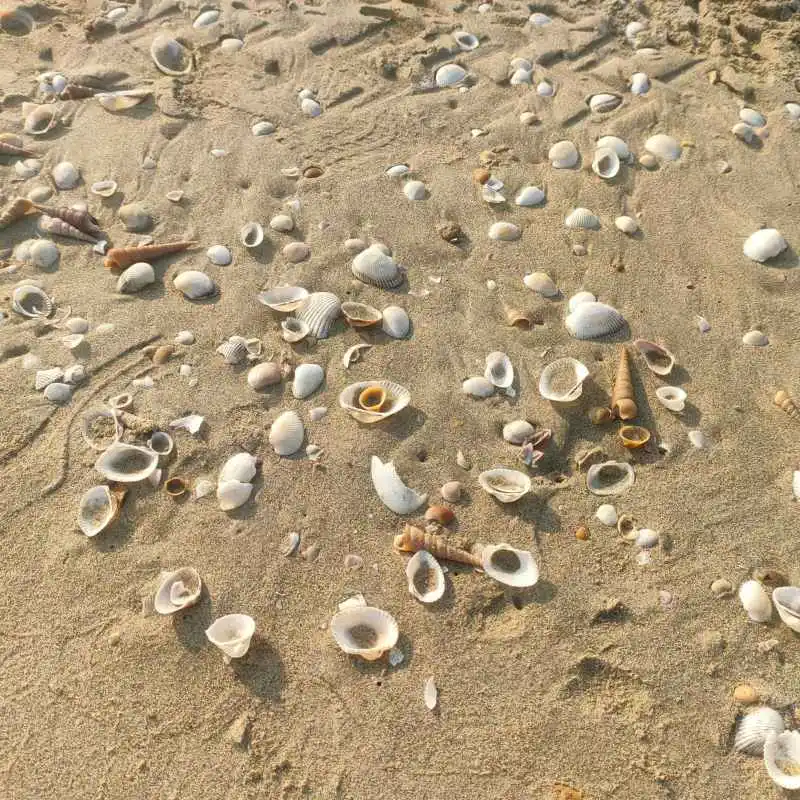
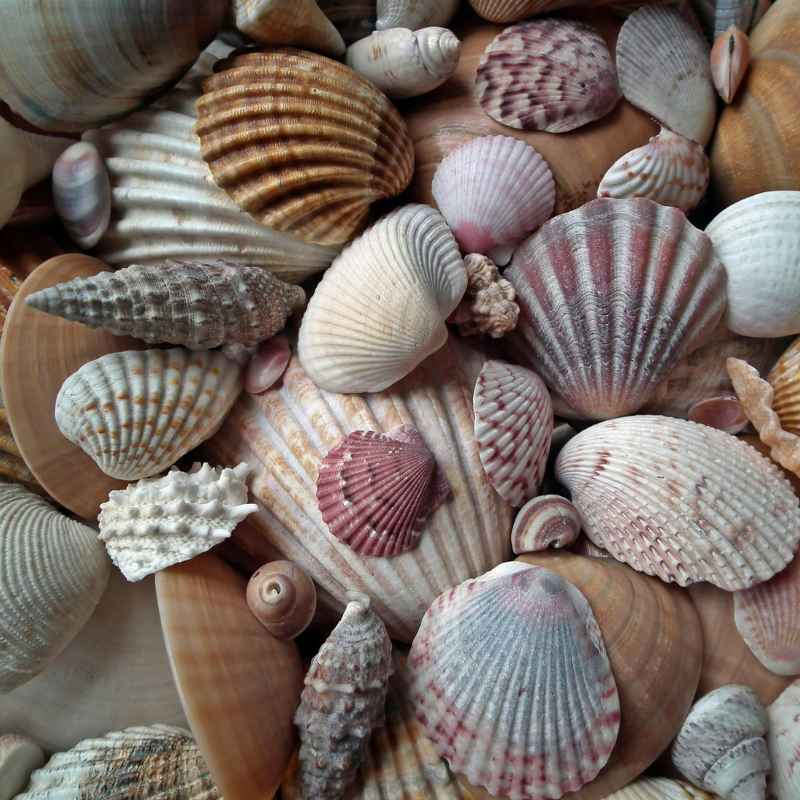
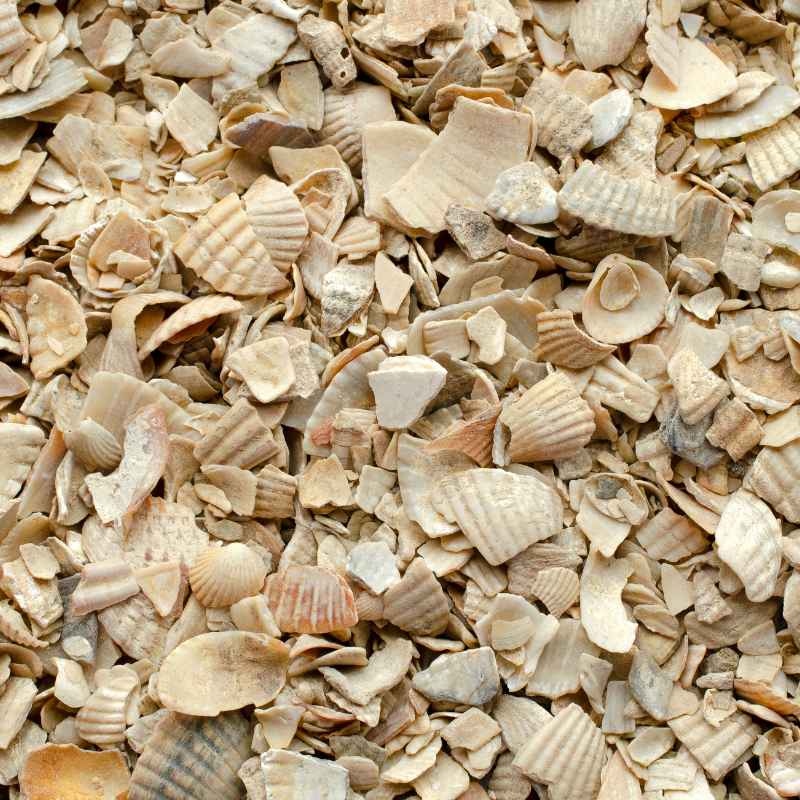
Crushed shells, often derived from oyster, clam, or scallop shells, are a popular landscaping material. They are processed by crushing larger shells into smaller, more manageable pieces. This creates a natural, textured aggregate that can be used for various outdoor applications.
Unlike gravel or wood mulch, crushed shells offer a unique aesthetic with their subtle iridescence and varying shades of white, cream, and gray. They can add a touch of coastal charm or a sophisticated, clean look to any garden or yard. Their natural origin also makes them an environmentally friendly choice for many homeowners.
Beyond their visual appeal, crushed shells provide functional benefits such as excellent drainage, weed suppression, and reduced soil compaction. They are also relatively low maintenance once installed, requiring occasional raking to maintain their appearance.
- Types of Shells Commonly Used:
- Oyster Shells: Often the most abundant and readily available, offering a mix of white, gray, and pink hues. They tend to be slightly more brittle.
- Clam Shells: Typically larger and more durable, providing a creamy white to light gray appearance.
- Scallop Shells: Less common and often more expensive, but can offer distinctive patterns and a pearly sheen.
- Mixed Shells: A combination of various shell types, providing a more varied color and texture profile.
- Key Characteristics:
- Natural and Sustainable: Made from recycled byproducts.
- Aesthetic Appeal: Adds a unique, bright, and textured look.
- Excellent Drainage: Allows water to pass through easily, preventing waterlogging.
- Weed Suppression: The dense layer can help block sunlight from reaching weed seeds.
- Soil Amendment: Can slowly break down and add calcium to the soil.
- Reflective Quality: Brightens shaded areas and can help reflect light.
Where to Find Crushed Shells Locally
The most convenient way to source crushed shells for landscaping is often through local suppliers. These businesses typically cater to regional needs and can offer a variety of materials. Visiting a local landscape supply yard allows you to see the shells in person, assess their quality, and discuss your project requirements with knowledgeable staff.
Garden centers and nurseries are another excellent resource, especially for smaller projects. They often carry bagged crushed shells, which are easier to transport for homeowners with limited vehicle capacity. Larger landscape yards, however, are usually the best bet for bulk purchases, offering significant cost savings and a wider selection of shell types and sizes.
Online stores can provide a wider variety of shell types, grades, and quantities than might be found locally. This is particularly useful if you’re aiming for a specific look or require shells with particular drainage characteristics. Many online providers also offer detailed product descriptions, including particle size, color variations, and recommended uses.
However, buying online comes with its own set of considerations. You won’t be able to see or touch the shells before purchasing, making it important to rely on product photos and descriptions. Shipping costs can also be significant, especially for bulk orders, so it’s crucial to factor these into your total budget.
Always compare prices and shipping fees from multiple online vendors to ensure you’re getting the best deal.
- When to Buy Online:
- Limited local availability of desired shell types (e.g., specific clam or scallop shells).
- Seeking unique colors or specific grading for a particular aesthetic.
- Convenience is a high priority, and delivery to your location is essential.
- Comparing prices from multiple national suppliers to find the best value.
- Projects requiring smaller quantities that might not meet bulk minimums locally.
- Tips for Online Purchasing:
- Read customer reviews carefully for insights into product quality and seller reliability.
- Check the dimensions and weight of the product to estimate the quantity needed.
- Understand the return policy in case the product doesn’t meet expectations.
- Verify delivery methods and timelines, especially for large orders.
- Look for retailers specializing in natural landscaping materials for a curated selection.
Many online suppliers also offer helpful resources, such as calculators to estimate how much material you’ll need for a given area, which can be invaluable for large projects.
Understanding Shell Grades and Sizes
The “grade” or size of crushed shells is a critical factor that dictates their best use in landscaping. Shells are typically processed and screened to create different particle sizes, each offering unique benefits and appearances.
Finer grades, often referred to as “pea gravel” size or smaller (e.g., 1/4 inch to 1/2 inch), are excellent for pathways, patios, and areas where a smooth, walkable surface is desired. They compact well and provide a stable base. These smaller pieces also offer good weed suppression properties.
Coarser grades, with larger shell fragments (e.g., 1/2 inch to 1 inch or more), are ideal for garden beds, drainage layers, and decorative mulching. The larger pieces provide better aeration and drainage, making them suitable for plant health. They also create a more textured and visually striking effect in garden designs.
| Shell Grade/Size | Typical Size | Best Uses | Pros |
|---|---|---|---|
| Fine Grade | 1/4″ – 1/2″ | Pathways, patios, decorative ground cover, bocce courts. | Smooth surface, compacts well, good weed suppression. |
| Medium Grade | 1/2″ – 3/4″ | Driveways, garden edging, decorative mulch, drainage layers. | Good drainage, stable, attractive texture. |
| Coarse Grade | 3/4″ – 1″+ | Drainage in planter boxes, rustic pathways, decorative accents. | Superior drainage, significant texture, long-lasting. |
Choosing the right grade ensures your landscaping project is both beautiful and functional. A well-chosen shell size will enhance drainage, prevent mud, and create the desired aesthetic for your outdoor space.
Cost and Quantity Considerations
The cost of crushed shells for landscaping can vary significantly based on several factors: the type of shell, the grade, the quantity purchased, and the supplier’s location relative to your project. Generally, oyster shells tend to be the most affordable due to their widespread availability.
When purchasing in bulk (by the cubic yard or ton), you’ll receive a much lower per-unit price compared to buying bagged materials. Bulk pricing is ideal for larger projects like driveways, extensive pathways, or significant garden bed areas. Bagged shells are convenient for smaller decorative accents or touch-ups but are considerably more expensive per square foot coverage.
Estimating the quantity needed is crucial to avoid overspending or running short. A general rule of thumb for pathways and driveways is to lay down a layer of 2-4 inches. For garden beds, 2-3 inches is often sufficient as a mulch layer.
Online calculators or speaking with your supplier can help you determine the cubic yards or tons required based on your project’s square footage and desired depth.
- Typical Cost Ranges (per cubic yard, approximate):
- Oyster Shells: $40 – $80
- Clam Shells: $50 – $90
- Mixed Shells: $45 – $85
- Delivery Fees:
- Can range from $50 to $200+ depending on distance and the size of the delivery truck.
- Often waived for very large orders.
- Bagged Material (per bag, approximate):
- $6 – $15 for a 40-50 lb bag.
- Covers a much smaller area than bulk material.
Always get a written quote that includes the material cost, any delivery fees, and taxes. This helps prevent surprises and allows for accurate budgeting of your landscaping project.
Installation Tips for Crushed Shells
Proper installation is key to ensuring your crushed shell landscaping is both attractive and functional for years to come. While the process is relatively straightforward, following a few best practices will enhance the longevity and appearance of your pathways or garden beds.
For pathways and driveways, start by preparing the sub-base. This typically involves excavating the area to a depth of 4-6 inches, compacting the soil, and laying down a layer of geotextile fabric. This fabric prevents weeds from growing through the shells and stops the shells from mixing with the underlying soil over time, maintaining their appearance and drainage capabilities.
Once the fabric is in place, spread the crushed shells evenly to your desired depth. Use a rake to level the surface and ensure consistent coverage. For high-traffic areas, a second layer might be beneficial for added stability and longevity.
After spreading, lightly misting the shells with water can help them settle slightly.
Tip: For pathways, consider using a border material like stone, brick, or metal edging to contain the shells and give your path a clean, finished look. This also helps prevent the shells from migrating into lawn areas.
In garden beds, crushed shells can be applied directly over the soil or on top of a layer of landscape fabric. Ensure the fabric is well-secured to prevent weed growth. Apply the shells to a depth of 2-3 inches, keeping them a few inches away from the base of plants to avoid moisture buildup and potential rot.
- Steps for Pathway Installation:
- Excavate the area to a depth of 4-6 inches.
- Compact the sub-base thoroughly.
- Lay down a layer of geotextile fabric, overlapping seams by at least 6 inches.
- Spread the crushed shells evenly to a depth of 2-4 inches.
- Rake the shells smooth and level.
- Consider adding edging for containment.
- Lightly water to help settle the shells.
- Steps for Garden Bed Installation:
- Prepare the soil or lay landscape fabric.
- If using fabric, secure it well to the ground.
- Spread crushed shells to a depth of 2-3 inches.
- Maintain a small gap around plant stems.
- Gently rake for an even appearance.
Maintenance and Longevity
One of the appealing aspects of crushed shells is their relatively low maintenance requirement. Once installed correctly, they can last for many years with minimal upkeep. However, a few simple practices will ensure your shell landscaping remains beautiful and functional.
Regular raking is the primary maintenance task. Over time, especially in high-traffic areas, the shells can become uneven or kicked out of place. A simple rake can help redistribute them and maintain a smooth, consistent surface.
This is also an opportunity to remove any fallen leaves or debris that might accumulate.
Shells can also accumulate dirt and grime over time, especially if exposed to splashing mud or sprinkler systems. Gentle washing with a hose can help restore their bright appearance. For particularly stubborn dirt or algae, a mild detergent and a stiff brush can be used, followed by a thorough rinse.
Important: Avoid using harsh chemicals or power washers, as these can damage the shells or their natural color. For garden beds, monitor the shell depth and top up if necessary, especially after significant settling or decomposition.
The longevity of crushed shells is impressive. Unlike wood mulch, they don’t decompose significantly. With proper installation and occasional raking or washing, a crushed shell pathway can maintain its appeal for 10-15 years or even longer before needing a replenishment of the top layer.
- Maintenance Checklist:
- Monthly: Rake pathways and garden beds to maintain an even surface and remove debris.
- Quarterly: Gently hose down shell surfaces to remove accumulated dirt and restore brightness.
- Annually: Check for areas where shells may have thinned and top up if necessary. Inspect edging for stability.
- As needed: Spot clean any stains or areas with algae growth.
- Signs It’s Time for Refresh:
- Significant thinning of the shell layer.
- Excessive accumulation of dirt and grime that washing won’t remove.
- Weeds beginning to grow through the shell layer, indicating a need for replenishment or better fabric.
- Loss of original bright appearance.
By following these simple maintenance tips, you can ensure your crushed shell landscaping remains a beautiful and enduring feature of your property.
Frequently Asked Questions
Where is the best place to buy crushed shells for landscaping?
The best place to buy crushed shells is typically a local landscape supply yard or an agricultural feed store for bulk purchases. Online retailers are also a good option if local availability is limited or if you require specialized types. Always compare prices and delivery options from multiple sources.
What type of crushed shells is best for pathways?
For pathways, finer grades of crushed shells, typically between 1/4 inch and 1/2 inch in size, are best. These smaller particles compact well, creating a stable and smooth walking surface, and are less likely to be kicked out of place.
How deep should crushed shells be for a driveway?
For a driveway, a depth of 2 to 4 inches of crushed shells is generally recommended. This provides sufficient stability for vehicle traffic and good drainage. For heavier traffic, a thicker layer or a combination with a compacted gravel base may be necessary.
Can crushed shells be used as mulch in garden beds?
Yes, crushed shells can be an excellent natural mulch for garden beds. They help suppress weeds, retain soil moisture, and slowly add calcium to the soil. A depth of 2-3 inches is usually sufficient for effective mulching.
How long do crushed shells last in landscaping?
Crushed shells are very durable and can last for 10-15 years or even longer with minimal maintenance. Unlike organic mulches, they do not decompose significantly, maintaining their structure and appearance for extended periods.
Final Thoughts
Finding the right source for crushed shells for your landscaping needs involves exploring local suppliers and reputable online retailers. Whether you prioritize convenience, cost-effectiveness, or specific shell types, there are options available to suit every project. By understanding shell grades, considering quantity and cost, and employing proper installation and maintenance techniques, you can create a beautiful, functional, and long-lasting landscape feature with crushed shells.
For related guidance, see our article on How Deep Should Rock Be For Landscaping. For related guidance, see our article on Is Landform Another Word For Landscapes. For related guidance, see our article on Is Landscaping Considered Construction. For related guidance, see our article on How To Paint Landscapes With Watercolors. For related guidance, see our article on Do You Need A License For Landscaping. For related guidance, see our article on Is Mulch Or Rock Better For Landscaping. For related guidance, see our article on How Many Wires For Landscaping Timer. For related guidance, see our article on How To Record Landscape Video On Phone. For related guidance, see our article on How To Price And Quote Landscaping Jobs. For more on this, see our guide on How to Landscape a Front Yard for Beginners on Any Budget. For more on this, see our guide on Is Landscaping and Gardening the Same?.