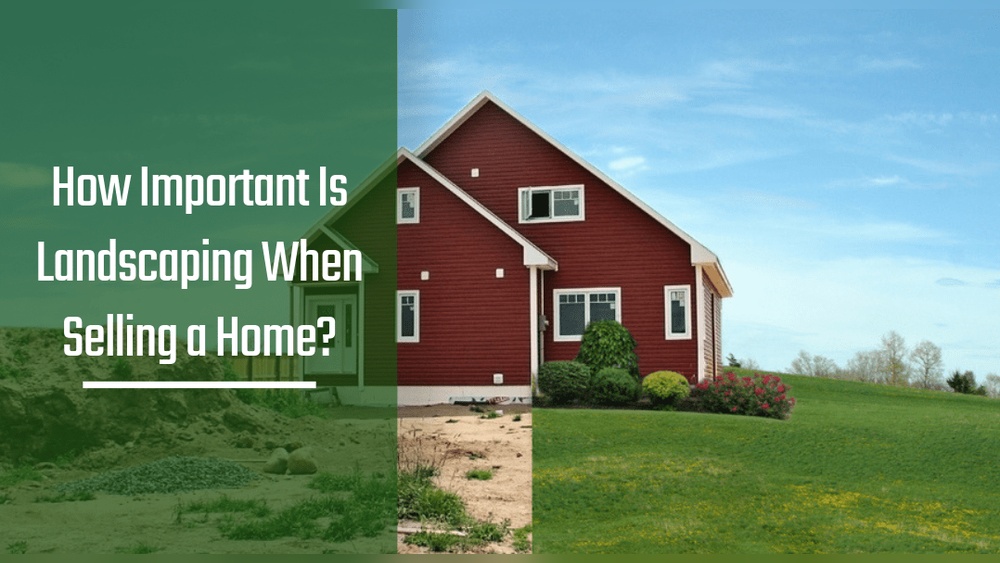

Transforming your front yard from a plain patch of grass into an inviting landscape can seem overwhelming—especially if you’re new to landscaping or working with a tight budget. Yet, a well-designed front yard not only boosts your home’s curb appeal but also creates a welcoming atmosphere for guests and neighbors.
Whether you’re seeking a complete overhaul or just want to add a few touches of greenery, the right approach can make a dramatic difference without draining your wallet.
The good news? Landscaping isn’t just for experienced gardeners or those with deep pockets. With a blend of practical planning, creative thinking, and a bit of hands-on effort, anyone can craft a front yard that’s both beautiful and affordable. In this comprehensive guide, you’ll learn exactly how to landscape your front yard as a beginner—no matter your budget.
Key Takeaways
- Landscaping your front yard can be affordable and approachable for beginners with the right plan.
- Budget-friendly options include DIY projects, using native plants, and phased installation.
- Design principles, like focal points and layering, help maximize visual impact regardless of yard size or budget.
- Smart plant selection and maintenance reduce long-term costs and effort.
- Real-world examples show that beautiful results are possible at any price point.
:max_bytes(150000):strip_icc()/GettyImages-494526921-def1d9162bc84fab8120e8558e779df1.jpg)
Credit: www.thespruce.com
Planning Your Front Yard Landscape
Every successful landscape project starts with a thoughtful plan. This initial phase lays the foundation for a front yard that’s both functional and visually appealing, ensuring your investment of time and money pays off.
Assessing Your Yard’s Unique Characteristics
Before buying plants or sketching designs, take time to observe your front yard:
- Sunlight: Track where sunlight falls throughout the day.
- Soil: Test for drainage and pH. Simple test kits are available at garden centers.
- Space: Measure your yard’s dimensions.
- Existing features: Note walkways, driveways, trees, and utility lines.
Understanding these elements helps you choose plants and features that will thrive.
Setting Your Landscaping Goals
Ask yourself:
- Do you want a low-maintenance yard?
- Is water conservation a priority?
- Are you aiming for year-round color or seasonal highlights?
- Do you need space for kids or pets?
Clarifying your priorities will guide all subsequent decisions, from plant selection to layout.
Creating A Realistic Budget
Landscaping can cost anywhere from under $100 for simple DIY updates to over $10,000 for professional designs. According to the National Association of Realtors, the median cost for a basic front yard landscape is around $1,500, but you can achieve great results for far less with DIY approaches.
Budgeting tips:
- List must-haves vs. nice-to-haves.
- Research local plant prices.
- Account for tools, mulch, and soil amendments.
- Set aside 10–20% of your budget for unexpected expenses.
Drawing A Simple Landscape Plan
No advanced design skills are required. Use graph paper or free online tools to sketch:
- The outline of your yard.
- Existing features (walkways, trees, house).
- Areas for new garden beds, lawns, or accents.
Aim for a balanced layout with clear sightlines to your home’s entrance.
Phased Approach For Any Budget
If funds are limited, break your project into phases:
- Clean-up and preparation
- Hardscape installation (paths, edging)
- Planting beds and trees
- Mulching and finishing touches
This method allows you to spread out costs and effort over time.
:max_bytes(150000):strip_icc()/GettyImages-92278522-61f180252bff4b689a9c3f3b1b9ef6a8.jpg)
Credit: www.thespruce.com
Budget-friendly Landscaping Ideas
Transforming your front yard doesn’t have to be expensive. Strategic choices can deliver high impact for minimal investment.
Diy Vs. Professional Help
DIY landscaping can reduce costs by 50–80% compared to hiring professionals. For instance, planting shrubs or laying mulch yourself typically costs under $100 per bed, while pros may charge $400–$700.
However, consider hiring help for:
- Grading and drainage
- Installing large trees
- Complex hardscaping (retaining walls, patios)
Choosing Cost-effective Materials
- Gravel, mulch, or decomposed granite are affordable alternatives to expensive paving.
- Pre-cast concrete pavers cost less than natural stone and are easy to install.
- Reuse reclaimed bricks or stones from salvage yards for edging or borders.
Low-cost Planting Strategies
- Buy small plants and allow them to grow.
- Divide perennials from friends or neighbors.
- Grow from seeds for annuals and wildflowers.
- Focus on native plants, which often cost less and thrive with minimal care.
Comparison Table: Diy Vs. Professional Landscaping Costs
| Project Element | DIY Cost Estimate | Pro Cost Estimate | Potential Savings |
|---|---|---|---|
| Mulching (per 100 sq ft) | $40 | $150 | $110 |
| Planting 10 shrubs | $100–$150 | $400–$700 | $300–$550 |
| Edging (per 20 ft) | $30 | $120 | $90 |
| Small path (10 ft) | $80 | $400 | $320 |
Creative Upcycling And Repurposing
- Convert old pallets into planters.
- Use broken pots as garden art.
- Paint rocks for decorative accents.
Affordable Focal Points
- Add a birdbath, bench, or container garden to draw the eye.
- Paint your front door a bold color for instant curb appeal.
Real-world Example: The $500 Front Yard Makeover
A young couple in Austin, Texas, transformed their barren 400 sq ft front yard for just under $500 by:
- Installing a gravel path ($80)
- Planting native perennials from a local sale ($120)
- Mulching with bulk wood chips ($60)
- Creating a DIY bench from reclaimed wood ($100)
- Adding a few decorative solar lights ($40)
Their project demonstrates that a vibrant, welcoming yard is possible on even a modest budget.

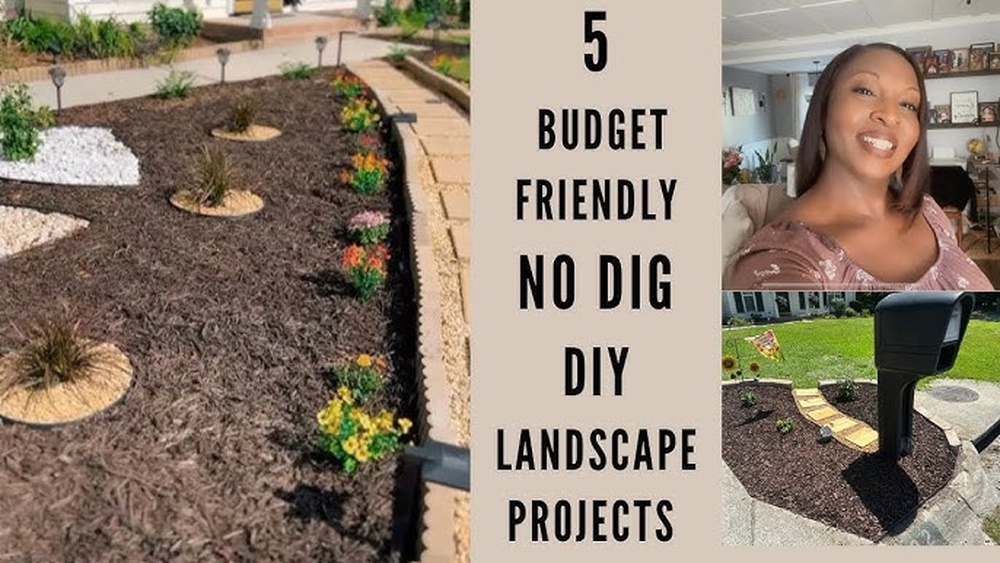
Credit: www.youtube.com
Designing For Curb Appeal
The best front yard landscapes balance beauty, functionality, and simplicity. Following basic design principles ensures your yard stands out for all the right reasons.
Establishing A Focal Point
Every great landscape has a visual anchor—the first thing people notice. This could be:
- An attractive tree or flowering shrub
- A unique sculpture or birdbath
- A colorful front door framed by symmetrical plantings
Focal points create a sense of order and guide the viewer’s eye.
Layering And Plant Grouping
Arrange plants in layers—tallest at the back, medium in the middle, and shortest in front. Grouping plants in odd numbers (3, 5, 7) creates a more natural look.
Benefits:
- Adds depth and texture
- Reduces maintenance by grouping plants with similar needs
- Enhances year-round interest
Creating Welcoming Walkways
A clear path to your door is essential. Use:
- Stepping stones set in gravel or mulch
- Curved lines for a softer, more inviting look
- Edging to define boundaries
Adding solar lights boosts both safety and curb appeal.
Using Color And Texture
- Choose a color palette that complements your home’s exterior.
- Mix leaf shapes and textures for interest even when flowers aren’t in bloom.
- Incorporate evergreens for winter structure.
Framing The Entrance
Symmetrical plantings or matching containers on either side of the door create a classic, welcoming feel.
Case Study: A Small Suburban Front Yard
In Seattle, a homeowner with just 200 sq ft of planting space used these techniques:
- A Japanese maple as the focal point
- Layered perennials (hostas, ferns, heucheras)
- A curved gravel path with solar lights
- Matching pots with seasonal annuals by the door
The result: a lush, tidy look that received compliments from neighbors and improved the home’s value.
Smart Plant Selection And Placement
Choosing the right plants for your climate, soil, and maintenance preferences is the cornerstone of successful landscaping—especially for beginners.
Embracing Native And Drought-tolerant Plants
Native plants are adapted to your local conditions, needing less water and fertilizer. They’re also more resistant to pests and diseases.
Drought-tolerant options like lavender, sedum, and ornamental grasses reduce both water bills and maintenance.
According to the U.S. EPA, choosing drought-tolerant landscaping can reduce outdoor water use by up to 50%.
Plant Selection Table: Low-maintenance Favorites By Region
| US Region | Recommended Plants | Estimated Annual Maintenance (hrs) |
|---|---|---|
| Northeast | Black-eyed Susan, Coneflower, Switchgrass | 12 |
| Southeast | Azalea, Liriope, Coreopsis | 15 |
| Midwest | Daylily, Little Bluestem, Purple Prairie Clover | 10 |
| Southwest | Agave, Red Yucca, Mexican Feather Grass | 8 |
| West Coast | Ceanothus, California Poppy, Salvia | 9 |
Grouping Plants By Water And Sun Needs
- Place sun-lovers where they get full exposure.
- Cluster drought-tolerant plants together for efficient watering.
- Use shade-loving groundcovers under trees.
Incorporating Trees And Shrubs
Trees and shrubs provide structure, shade, and privacy. For beginners:
- Choose disease-resistant varieties
- Plant away from foundations and utilities
- Consider mature size to avoid overcrowding
Adding Seasonal Interest
For year-round appeal, mix:
- Spring bulbs (daffodils, tulips)
- Summer perennials (coreopsis, salvia)
- Fall foliage (maples, burning bush)
- Winter evergreens (juniper, boxwood)
Real-world Example: Low-water, High-impact Planting
A homeowner in Phoenix, Arizona, replaced a thirsty lawn with:
- Native cacti and succulents
- Gravel mulch
- Accent boulders
Water usage dropped by 60%, and maintenance needs plummeted—proving that smart plant choices pay off.
Essential Steps For Diy Front Yard Landscaping
Even first-time landscapers can achieve professional-looking results by following a step-by-step approach.
Step 1: Yard Clean-up And Preparation
- Remove weeds, dead plants, and debris.
- Prune overgrown shrubs.
- Edge existing beds for a tidy look.
Step 2: Soil Improvement
Healthy soil is the secret to thriving plants.
- Test your soil’s pH and amend as needed.
- Add compost to improve structure and fertility.
- Loosen compacted areas before planting.
Step 3: Installing Hardscape Features
Hardscaping provides definition and usability.
- Lay out paths with pavers, gravel, or stepping stones.
- Install simple edging using bricks, plastic, or metal.
- Consider a small seating area or bistro set for added charm.
Step 4: Planting
- Arrange plants while still in their pots to visualize placement.
- Dig holes twice as wide as the root ball.
- Water thoroughly after planting.
Step 5: Mulching
A 2–3″ layer of mulch:
- Conserves moisture
- Suppresses weeds
- Adds a finished look
Wood chips, bark, or pine needles are all good options.
Step 6: Watering And Ongoing Care
- Water new plantings regularly until established.
- Use drip irrigation or soaker hoses for efficiency.
- Weed and prune as needed.
Diy Landscaping Checklist
- [ ] Clean up yard and prepare soil
- [ ] Sketch a simple plan
- [ ] Install hardscape features
- [ ] Choose and plant suitable species
- [ ] Mulch beds and borders
- [ ] Set up watering system
- [ ] Perform weekly maintenance
Case Study: Weekend Warrior Transformation
In Portland, Oregon, a novice gardener tackled their 300 sq ft front yard over two weekends. The process included:
- Renting a tiller ($40/day) to improve soil
- Installing a gravel path and stone border
- Planting donated perennials from friends
- Mulching with free arborist wood chips
Total cost: under $300, with a dramatic boost in curb appeal.
Maximizing Value On Any Budget
No matter your budget, a little strategic thinking can stretch your landscaping dollars further.
Sourcing Free Or Discounted Materials
- Attend local plant swaps for free cuttings.
- Check municipal compost or mulch programs.
- Shop end-of-season sales or clearance racks at nurseries.
- Browse online marketplaces (e.g., Craigslist, Facebook Marketplace) for used tools or décor.
Timing Your Purchases
- Fall and late winter are often the best times to buy plants at a discount.
- Purchase bulbs and seeds in bulk for savings.
Diy Lawn Alternatives
Replacing traditional grass with alternatives can save money and time:
- Clover lawns require less mowing and water.
- Groundcovers like creeping thyme or sedum create a green carpet.
- Artificial turf is low-maintenance but has a higher upfront cost.
Comparison Table: Front Yard Lawn Alternatives
| Option | Installation Cost (per sq ft) | Annual Maintenance Cost | Water Use |
|---|---|---|---|
| Traditional Turf | $1.50 | $120 | High |
| Clover Lawn | $0.75 | $40 | Low |
| Groundcover | $1.00 | $30 | Low |
| Artificial Turf | $5.00 | $10 | None |
Maintaining Your Investment
Regular, light maintenance prevents costly fixes later:
- Mulch annually to control weeds.
- Prune shrubs to maintain shape.
- Watch for pests and address early.
Leveraging Local Resources
Many county extension offices offer free advice and soil testing. Check with your local office or visit the USDA Extension Service for resources tailored to your region.
Sustainable And Eco-friendly Landscaping
Sustainability is not only better for the environment—it can also save you money and effort.
Water-smart Landscaping
- Install rain barrels to collect runoff for irrigation.
- Use drip irrigation for efficient watering.
- Group plants by water need (hydrozoning).
Composting For Soil Health
Creating your own compost reduces waste and enriches your garden beds. Start a simple backyard compost pile with:
- Kitchen scraps (vegetable peels, coffee grounds)
- Grass clippings
- Leaves
For composting basics, check out the EPA’s composting guide.
Attracting Pollinators
Planting bee-friendly flowers like coneflower, salvia, and milkweed supports local ecosystems and ensures healthy blooms.
Reducing Chemical Use
- Hand-pull weeds or use mulch for suppression.
- Choose disease-resistant plants.
- Use organic fertilizers when possible.
Eco-friendly Hardscape Materials
- Permeable pavers allow rainwater to soak into the ground, reducing runoff.
- Recycled materials (glass mulch, rubber edging) minimize environmental impact.
Case Study: Sustainable Curb Appeal
A homeowner in Denver, Colorado, replaced a water-intensive lawn with:
- Native wildflowers
- Permeable flagstone path
- Drip irrigation and mulch
The result: a yard that’s beautiful, drought-tolerant, and supports local wildlife—featured in a city sustainability initiative.
Troubleshooting Common Beginner Mistakes
Even the best-laid plans can hit a snag. Avoid these frequent pitfalls for smooth success.
Overplanting Or Poor Spacing
Plants need room to grow. Overcrowding leads to disease and stunted growth. Always check mature sizes before planting.
Choosing Incompatible Plants
Mixing sun-lovers with shade-lovers or dry-soil plants with moisture-lovers creates maintenance headaches. Group plants by their needs.
Ignoring Soil Health
Neglecting to amend poor soil leads to weak, struggling plants. Prioritize soil improvement for long-term success.
Underestimating Maintenance
Be realistic about how much time you can spend on upkeep. Start small and expand as you gain confidence.
Forgetting To Plan For All Seasons
Aim for a yard with interest in every season—mix evergreens, flowering shrubs, and perennials that bloom at different times.
Real-world Example: Learning From Mistakes
In Raleigh, North Carolina, a homeowner planted tall shrubs under low windows, blocking light and views. After consulting with a local nursery, they replaced them with dwarf varieties and added flowering groundcovers—instantly improving both appearance and functionality.
Resources For Continued Learning
- Explore the Wikipedia entry on landscape design for foundational concepts.
- Find plant recommendations at the Missouri Botanical Garden Plant Finder.
- Check local garden clubs for workshops and tours.
Frequently Asked Questions
What Is The Cheapest Way To Landscape A Front Yard?
The most affordable approach is a DIY project using native plants, mulch, and upcycled materials. Focus on cleaning up, defining borders, and adding a few focal points. Sourcing plants from local sales or swaps, and doing the labor yourself, can keep costs under $300.
How Do I Choose The Right Plants For My Front Yard?
Select plants based on your region, sun exposure, and soil type. Native and drought-tolerant species are typically easier for beginners and require less maintenance. Group plants with similar needs together for best results.
How Can I Make My Small Front Yard Look Bigger?
Use curved paths, diagonal lines, and layered plantings to create depth and draw the eye into the space. Lighter colors and reflective surfaces (like gravel or pale pavers) also help make a yard feel more expansive.
Is It Better To Seed Or Sod A New Lawn?
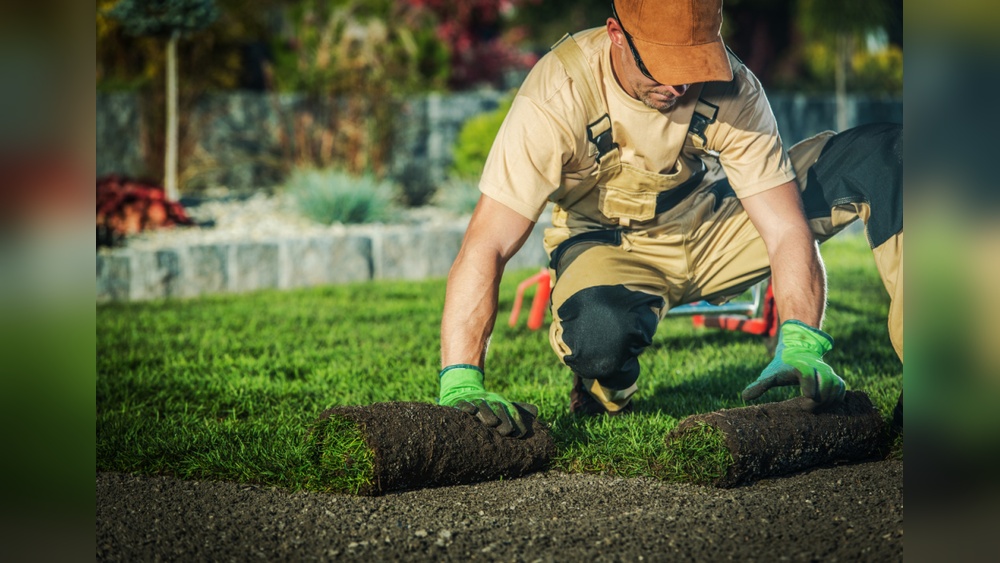
Seeding is much cheaper (about $0.10/sq ft) but requires patience and more initial care. Sod provides instant results but is more expensive ($0.30–$0.85/sq ft). For small areas and tight budgets, seeding is usually the better choice.
How Much Time Does It Take To Maintain A Landscaped Front Yard?
Maintenance time varies by plant choice and yard size, but most beginner-friendly front yards need 1–2 hours per week for weeding, watering, and pruning. Native and low-maintenance plantings can reduce this even further.
Transforming your front yard doesn’t require a massive budget or professional experience—just a clear plan, a willingness to learn, and a bit of creativity. By starting with small, achievable projects and building your skills over time, you’ll create a landscape that not only enhances your home’s curb appeal but also brings you lasting satisfaction.
With the strategies and real-world examples outlined here, you’re well-equipped to tackle your front yard landscaping journey—no matter your starting point or budget.