Landscaping Services for Weed Control and Prevention
Landscaping services for weed control and prevention work best when you match the fix to the failure point: turf needs pre-emergent and selective post-emergent control, beds need mulch and hand weeding, and recurring weeds often point to irrigation or maintenance gaps. Ignore that system, and weeds return fast, spread by seed, and drive up labor and replacement costs. This guide compares the services, what each fixes, and how to choose for lawns and planting beds.
What service fixes your weed problem?


The right service depends on where the weeds are appearing and what failed first. Lawn weeds usually call for inspection, pre-emergent, or post-emergent treatment. Bed weeds usually need mulch, edging, and hand removal. If weeds keep returning after treatment, the issue may be thin turf, poor watering, or irrigation trouble.
Weed control decision table
| Common scenario | Best service | Best for | Not enough for |
|---|---|---|---|
| Crabgrass or other annual weeds have not sprouted yet | Pre-emergent herbicide | Stopping germination before weeds appear, especially in early spring | Visible weeds already rooted in the turf |
| Weeds are already visible in the lawn | Post-emergent spot treatment | Targeting existing broadleaf weeds or other visible infestations | Future germination or bare soil that invites new weeds |
| Weeds keep returning in planting beds | Mulch refresh and edging | Blocking light, reducing exposed soil, and separating bed from turf | Dense turf problems or lawn weeds |
| Thin turf with open patches | Overseeding and seeding | Filling gaps so opportunistic weeds have less room to move in | Compaction, drainage failures, or irrigation leaks |
| Weeds appear in streaks, soggy spots, or along dry zones | Irrigation adjustment | Fixing uneven moisture that weakens turf and favors weeds | Existing weeds already established in the area |
| Lawn has widespread thinness, poor coverage, and repeated weed pressure | Full lawn renovation | Resetting a turf area that no longer competes well | A simple spot treatment plan |
A common first-timer mistake is treating a creeping clover patch in the front lawn with a quick spray instead of scheduling a landscaping service that can prevent it from coming back. A 12-foot planting bed with 3 inches of mulch can still fill with weeds if the edging is weak and soil is exposed near the border. In that case, herbicide alone may miss the real cause.
What does a weed control service do?
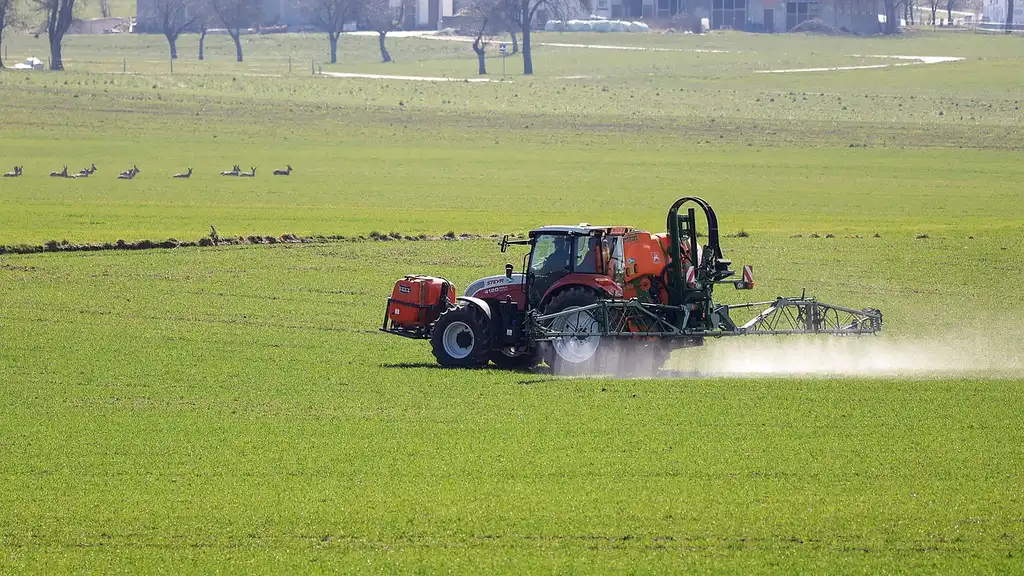
A weed control service usually starts with inspection, then applies removal and prevention treatments based on what is growing and where it is growing. Many providers also schedule follow-up visits through the year, because weed pressure changes with season, grass type, and bed conditions. Ned Stevens says its weed control services include inspection, prevention, and treatment.
Inspection before treatment
Good weed control begins with a lawn inspection. That step identifies weed species, turf condition, and where pressure is coming from, such as bare spots, compacted soil, shaded edges, or irrigation issues. The goal is to separate a weed problem from a maintenance problem before choosing a treatment.
That inspection matters because weed species differ. Broadleaf weeds, grassy weeds, annual weeds, perennial weeds, and warm-season versus cool-season weeds do not respond the same way. Broadleaf weeds are noted as relatively easy to treat, but grassy weeds often need a different approach and tighter timing.
Removal and prevention treatments
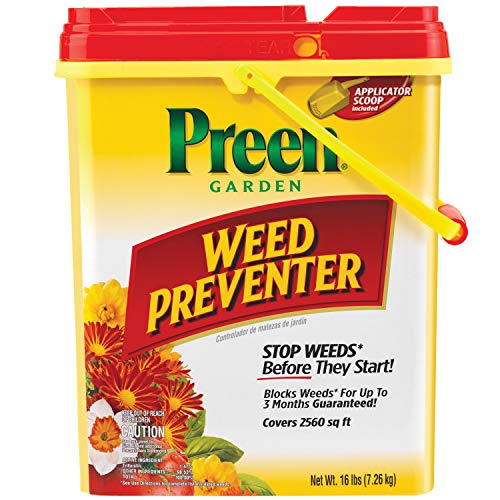
For lawns, a service may use selective post-emergent treatment on visible weeds and pre-emergent herbicide for new germination. Pre-emergent herbicide is recommended in early spring before weeds germinate, and it forms a barrier against sprouting. That is prevention, not cleanup.
For beds, the service list changes. Hand-weeding, mulch refresh, and edging often matter more than broad spraying because planting beds leave more exposed soil and more light at the surface. LawnStarter says it covers weeding as one of its services, and its lawn treatment services include fertilization.
Year-round scheduling and follow-up
Weed prevention uses several methods through the year. A service plan may include six to ten treatments throughout the year, depending on climate, weed pressure, and turf condition. A Cut Above recommends treating lawns regularly and says preventing weeds starts before they take root.
That schedule is not just about repeat spraying. It may also include fertilization, mowing guidance, watering adjustments, and inspection follow-up. A service plan that only treats symptoms can miss the cause and leave the same weeds returning in the same places.
Which weed types are you dealing with?

The weed type matters because it points to the right treatment and the right timing. Broadleaf weeds, grassy weeds, annual weeds, perennial weeds, and warm-season versus cool-season weeds behave differently. If you identify the group first, you can usually narrow the service choice faster and avoid paying for the wrong fix.
Broadleaf weeds versus grassy weeds
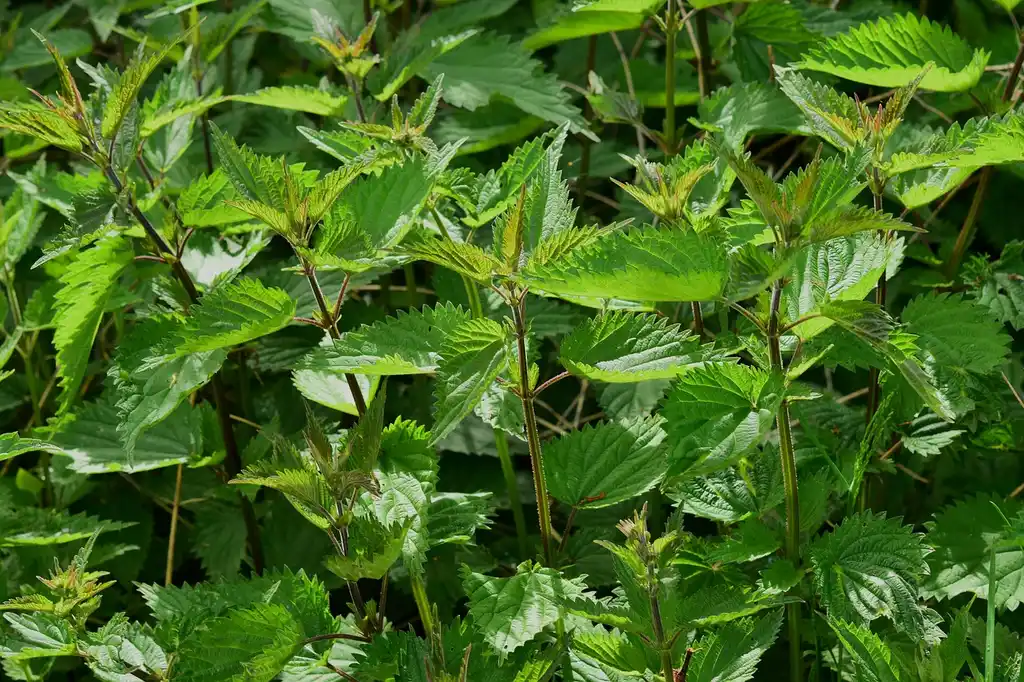
Broadleaf weeds usually stand out with wider leaves and are often the easiest group to treat selectively in turf. Grassy weeds blend in more closely with the lawn, so they are harder to spot early and can be harder to remove without damaging surrounding grass. That difference changes both product choice and timing.
Annual weeds versus perennial weeds
Annual weeds complete their life cycle in one season, so pre-emergent and early removal matter most. Perennial weeds return from roots or underground structures, which means spot treatment alone may not be enough if the root source remains. A recurring perennial patch often points to a deeper maintenance or renovation issue.
Warm-season and cool-season patterns
Warm-season and cool-season weeds respond to seasonal changes differently, and your grass type matters too. A watering schedule, mowing height, and fertilization timing should match the region and the grass type, or the lawn may thin out and leave room for weeds. Wrong timing often looks like a weed problem first.
Picture a cool-season lawn with bare edges after summer heat stress. If the turf thins out in August, seed can land in open soil and germinate with little competition. In that case, the service need is not only weed treatment; it is also restoration of turf density.
Can prevention still work if weeds are already present?
Yes, but prevention is not the first move if weeds are already established. Pre-emergent herbicide helps before seeds germinate, usually in early spring, while post-emergent spot treatment handles visible weeds that are already growing. If the lawn is full of active weeds, cleanup comes first and prevention follows.
When pre-emergent herbicide fits
Pre-emergent herbicide is the right choice when you want to stop new weeds from sprouting. It is generally most effective before germination, rather than after plants have emerged. That is why timing matters so much in early spring, when many annual weeds are trying to start.
When post-emergent treatment is the better first step
If weeds are already visible, a post-emergent spot treatment is often the first service to consider. This is especially true for scattered broadleaf weeds in turf. Cleaning up existing growth lowers immediate weed pressure, then a prevention plan can help reduce the next flush.
When cleanup must happen before prevention
If the area is full of existing weeds, prevention can wait until after removal. A barrier helps only before germination, so it will not solve a lawn with mature weeds, bare soil, or heavy bed infestation. In those cases, inspection should identify whether the real problem is soil, water, or turf density.
Which maintenance services reduce weeds over time?
Regular mowing, fertilization, and watering can reduce weeds by helping grass grow denser and compete better. A Cut Above links weed control to stronger turf and root systems. Those services do not replace herbicide, but they make a lawn less open to invasion and less likely to thin out after stress.
Mowing practices that support denser turf
Regular mowing supports healthier roots and steadier growth. Shorter blade length is not the goal by itself; the goal is consistent mowing at the right height for the grass type so the turf can stay dense. A lawn that gets scalped or cut irregularly usually leaves more room for weeds.
Fertilization that helps grass compete
Fertilization supports thick turf, which helps grass compete with weeds. Timing and rates vary by grass species and region, so the schedule should follow the local growth cycle rather than a generic calendar. Too little feeding can leave thin turf; too much can create weak, soft growth.
Watering schedules by region and grass type
A watering schedule should match the region and the grass type. That keeps roots growing deeper and turf denser. Overwatering, underwatering, and leak-driven wet spots all create openings for weeds. If weeds cluster around sprinkler heads or dry borders, irrigation adjustment belongs in the service plan.
Say your front lawn has dandelions near a sprinkler head and thin grass along one side of the driveway. That pattern points to uneven watering or coverage, not just weed pressure. A spray may knock back the weeds, but the same patch will reopen if the irrigation issue remains.
When do overseeding and renovation make more sense?
Overseeding and seeding make sense when thin turf is the main failure point and the lawn still has enough structure to recover. If bare spots are small to moderate, seed can fill them and reduce opportunistic weeds. If the turf is collapsing across large areas, a fuller renovation or sod repair may be the better reset.
Thin turf and bare spots
Thin turf gives weeds more light, more soil access, and less competition. Overseeding helps close those gaps, and new seed can crowd out opportunistic weeds once it establishes. This is one of the clearest cases where prevention fails unless the lawn density problem is addressed.
Compaction, drainage, and irrigation problems
If weeds are returning after treatment, look for compacted soil, drainage issues, or irrigation leaks. Those problems weaken grass and make herbicides seem ineffective because the weed pressure keeps returning to the same stressed zone. Fixing the cause matters more than repeating the same spray.
When patch repair is not enough
If large sections are bare, weak, or repeatedly invaded, a full lawn renovation may be needed. That can mean larger-area seeding, sod repair, or a more complete reset of the turf surface. Prevention alone does not repair dead turf, and dead turf will keep inviting weeds.
Suppose a backyard strip along a fence has compacted soil from foot traffic, poor drainage after rain, and repeated crabgrass. That is not a simple spot-treatment job. A stronger plan would combine soil correction, renovation, and a prevention schedule for the next season.
Frequently asked questions
What landscaping services help with weed control and prevention?
Inspection, pre-emergent herbicide, post-emergent spot treatment, mulch refresh, edging, overseeding, fertilization, mowing, and irrigation adjustment all play different roles. The right mix depends on whether the weeds are in turf or beds, whether they are already visible, and whether the underlying issue is thin grass or maintenance gaps.
Do I need pre-emergent herbicide even if I already have weeds?
Yes, but usually not as the first step. Pre-emergent herbicide helps before weeds germinate, so it is best used in early spring or before a new flush starts. If weeds are already visible, clean them up first with post-emergent treatment, then use prevention for the next cycle.
How often should weed control treatments be applied?
It depends on the property, but many service plans may include six to ten treatments throughout the year. That range makes sense when weed pressure is seasonal and recurring. A one-time treatment can reduce active weeds, but it rarely covers germination, follow-up, and maintenance corrections all at once.
What is the difference between weed control and weed prevention?
Weed control removes weeds that are already there. Weed prevention keeps new weeds from starting. In practice, control often uses post-emergent spot treatment, while prevention often uses pre-emergent herbicide, mulch, dense turf, and maintenance choices that make the site less inviting to weeds in the first place.
Can mowing, watering, and fertilizing actually reduce weeds?
Yes. Those services help turf grow thicker, which leaves less room for weeds to move in. Regular mowing supports healthier roots, fertilization helps grass compete, and the right watering schedule supports dense growth. They work best when matched to the grass type and local climate, not guessed at.
Should weed control be part of a full lawn care plan?
Yes. Weed control works better when it is part of ongoing lawn care rather than a stand-alone spray job. A full plan connects inspection, treatment, mowing, fertilization, watering, and overseeding where needed. That approach is more likely to fix the cause of repeat weed pressure.
How do I know if weeds are coming from thin turf or poor maintenance?
Look at the pattern. Thin turf usually shows open soil, patchy coverage, and weeds filling gaps. Poor maintenance often shows uneven mowing, mismatched watering, or stressed spots near irrigation issues. A lawn inspection should sort out weed species and the condition of the turf before treatment starts.