Landscaping Services for Mulch Delivery and Spreading
Mulch delivery and spreading are usually priced by cubic yard or by bag plus labor, and many quotes add a minimum fee, bed prep, and hauling; for most homes, 2-4 inches of mulch is the standard target. Bad estimates leave beds thin, stress roots, waste material, and trigger surprise labor charges. This guide explains what a quote should include, how to measure coverage, and how to compare local pricing before you hire.
What does mulch delivery and spreading include?
Mulch delivery and spreading is a material-plus-labor service, not one task. Delivery-only means the crew drops mulch at the curb, driveway, or another access point. Delivery plus spreading usually adds bed prep, even distribution, edging, cleanup, and plant-safe clearance around trunks and stems.
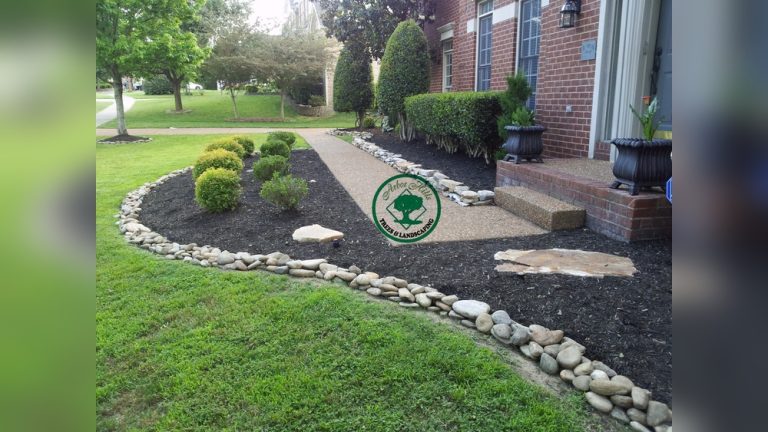
That split matters because labor changes the quote. Art of Landscaping offers mulch installation within broad care and also supplies and installs materials. TruScape lists mulch installation as a core landscaping service and pairs it with flower beds and plants. TruScape also markets free estimates for landscaping services.
Common tasks in a spreading visit
- Weed removal from the bed surface.
- Edging along turf or bed borders.
- Raking and leveling existing material.
- Even spreading to the requested depth.
- Cleanup of overspray on hardscapes, walks, or steps.
- Keeping mulch off trunks, crowns, and stems.
Extra work depends on the crew and the bed condition. Old-mulch removal, heavy weed cleanup, soil correction, hauling debris, and plant installation are common add-ons. A solid quote spells out whether those items are included or billed separately.
Picture a front bed with 160 square feet of exposed soil and two shrubs near the walk. One quote may cover only delivery of 2 cubic yards. Another may include delivery, hand spreading, edging, and cleanup, which changes both labor time and final price.
How much mulch do you need?
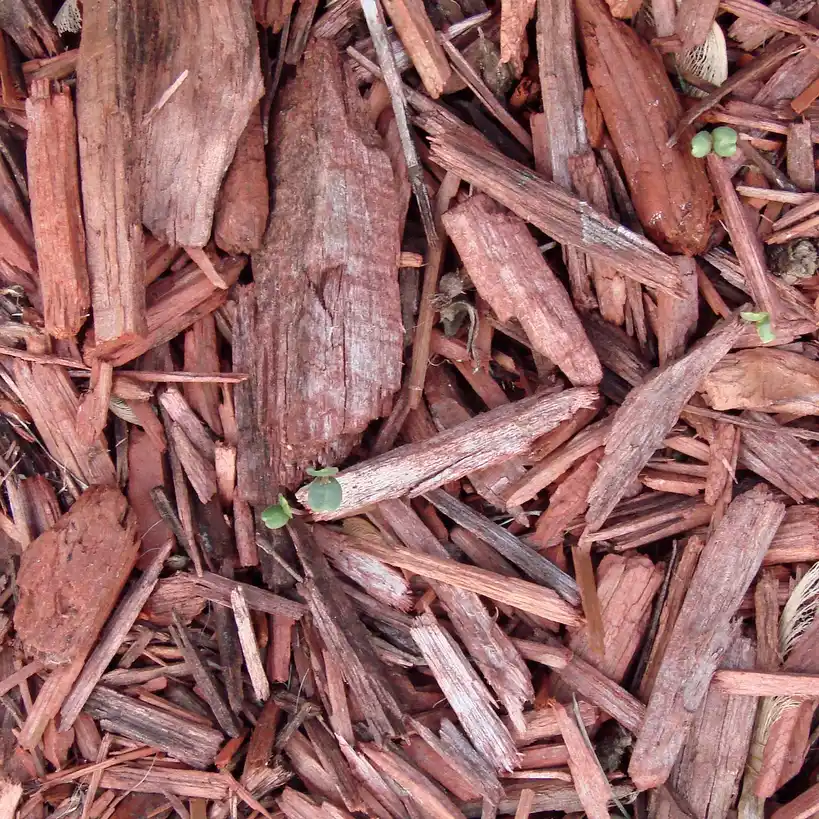
Start with bed square footage, then choose a target depth. Those two inputs drive the cubic-yard estimate and most of the labor cost. A thin top-off needs less material. A full refresh over bare soil or sparse old mulch needs more.
Measure square footage first
Break the bed into simple shapes. Multiply length by width for rectangles, then add the sections together. For curved beds, use the closest rectangle or split the space into smaller shapes and total them. That number becomes the base for the quote.
Match depth to the job
Many planting beds use a target depth of about 2-4 inches. Thicker layers can smother crowns, hold too much moisture against stems, or push mulch onto trunks. Thin layers may not suppress weeds or hold moisture well enough to justify the trip and labor.
Estimate cubic yards from square feet and depth
A common rule of thumb is that 1 cubic yard covers about 324 square feet at 1 inch deep. Use that as a planning tool, then scale it to the depth you want.
| Bed size | Target depth | Estimated mulch needed |
|---|---|---|
| 100 sq ft | 2 inches | 0.62 cubic yard |
| 100 sq ft | 3 inches | 0.93 cubic yard |
| 250 sq ft | 2 inches | 1.54 cubic yards |
| 250 sq ft | 3 inches | 2.31 cubic yards |
| 500 sq ft | 2 inches | 3.09 cubic yards |
| 500 sq ft | 4 inches | 6.17 cubic yards |
Suppose a side yard has about 300 square feet of beds and you want about 3 inches of coverage; that works out to roughly 1.9 cubic yards of mulch. The estimate is about 1.85 cubic yards. That is the kind of number you want before asking for a quote, because it helps you spot underordering and padded labor assumptions.
Mulch quote worksheet
Use this checklist before you approve work. It keeps delivery, labor, and cleanup separate so you can compare bids line by line. It also gives the crew the details they need for a cleaner estimate.
| Quote item | Your notes |
|---|---|
| Bed square footage | List each bed or total the areas. |
| Target depth | State 2, 3, or 4 inches, or another agreed depth. |
| Cubic-yard estimate | Write the estimated quantity and whether it is rounded up. |
| Delivery fee | Separate line item; note distance, load size, and drop location. |
| Prep tasks | Weed removal, edging, raking, and leveling. |
| Old-mulch handling | Fluff, reduce, remove, or leave in place. |
| Edging | Include hand edging, machine edging, or no edging. |
| Cleanup | Blowing off walks, patios, and driveways; hauling debris. |
| Plant-trunk clearance | Note whether mulch will be kept off trunks and stems. |
| Plant installation | List any shrubs, perennials, or annuals to be installed. |
Which mulch type fits your beds?
Choose the material by job, not by habit. Bulk mulch is usually delivered loose by the cubic yard, with bark, wood chips, and composted yard waste among the common options. Organic mulch breaks down over time, can improve soil structure and humus, and is often preferred in planting beds. Inorganic mulch includes rock or stone and lasts longer, so it is often used where replacement frequency should stay low or drainage is a priority.
Organic mulch for planting beds
Organic mulch works well where soil improvement matters. Bark and wood chips are common in beds around shrubs and perennials. Composted yard waste can also be used, and Grist notes local mulch sources can include composted yard waste. The same source says mulch helps retain moisture, suppress weeds, and improve soil by adding organic matter as it breaks down; Grist also notes mulch can improve water-holding capacity.
Inorganic mulch for lower replacement needs
Rock and stone are common materials too. They are not the right answer for every bed, but they can fit areas that need a longer replacement interval or a drainage-focused finish. They usually cost more to move and install by hand, and they do not decompose into humus the way organic mulch does.
How to choose by use case
- Flower beds: often better with organic mulch for soil support and easier refresh cycles.
- Foundation beds: often need careful depth control and trunk clearance.
- Dry or decorative zones: rock may fit if maintenance frequency matters more than soil improvement.
- Shade beds with active planting: organic mulch usually makes more sense.
Should old mulch be removed first?
Not always. Old mulch should be fluffed, reduced, or removed based on its current depth and condition. If the bed already has a thick layer, adding more can create over-mulching problems. If the old layer has compacted or matted down, a crew may rake and redistribute it before adding a thin top layer.
Signs of over-mulching
- Mulch piled against trunks or stems.
- Depth clearly above the intended range.
- Roots or root flare buried under material.
- Wet, sour, or compacted mulch near the base of plants.
Volcano mulching is the bad version of this job. It happens when mulch is heaped into a cone around a trunk. That contact can trap moisture against bark, invite decay, and hide structural issues at the base of the plant. Plant-safe clearance around trunks and stems should be part of the service, not an afterthought.
A common first-timer mistake is adding 3 more inches to a bed that already has 2 inches in place. The result looks full for a week, then settles into a thick mat. A better approach is to measure the existing depth first and decide whether the old layer should be fluffed or reduced before any new material goes down.
What affects mulch installation pricing?
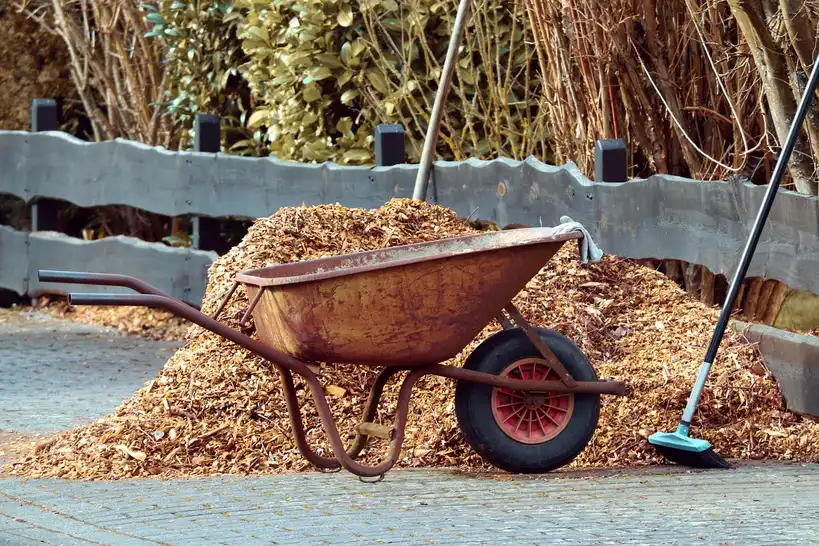
Mulch installation pricing depends on more than material volume. Delivery distance, load size, bed prep, edging, removal of old mulch, cleanup, and plant installation can all change the quote. That is why two bids for the same yard can look very different on paper.
Delivery distance and load size
Delivery fee is often a separate line item. It can vary by distance, truck size, and whether the material must be staged far from the access point. Loose bulk mulch is usually delivered by cubic yard, so larger orders may reduce the number of trips but still require more labor to move around the property.
Bed prep and cleanup labor
Weed removal, raking, leveling, and edging add time before any mulch is spread. If the beds need old debris hauled off or heavy cleanup around hardscape edges, the labor line should reflect that. Quotes that skip these details can look cheaper and still cost more once the crew starts.
Add-ons that change the scope
- Removing old mulch before spreading new material.
- Installing annuals, shrubs, or other plants at the same visit.
- Extra cleanup around patios, driveways, and fences.
- Edging that requires more than a quick hand pass.
Landscapers can also install plants when delivering mulch, but that should be priced as a separate scope unless the quote says otherwise. Art of Landscaping supplies and installs landscape materials, and TruScape pairs mulch installation with flower beds and plants. Ask whether plant material, digging, amendment, and watering are included.
Local climate and soil matter too. In wetter areas, overly thick mulch can stay damp longer. In hotter, drier areas, a properly measured organic layer can help hold moisture between waterings. The material should fit the bed, not the other way around.
Frequently asked questions
How much does mulch delivery and spreading cost?
Cost usually depends on cubic yards, labor time, delivery distance, and bed condition. A small top-off costs less than a full cleanout and refresh. Ask for separate lines for material, delivery, prep, and spreading so you can compare bids without guessing what each number includes.
Do landscapers spread mulch or just deliver it?
Both services exist. Some crews deliver only and leave the material at the drop point. Others deliver and spread it, which usually includes bed prep, even distribution, edging, and cleanup. Never assume spreading is included unless the quote says so in plain language.
How many cubic yards of mulch do I need for my beds?
Measure the bed square footage first, then pick a target depth. A common planning rule is 1 cubic yard covers about 324 square feet at 1 inch deep. From there, adjust for 2, 3, or 4 inches. Round up if the beds have uneven edges or mixed depths.
What type of mulch is best for flower beds?
Organic mulch is usually the better fit for flower beds because it breaks down over time and can improve soil structure. Bark, wood chips, and composted yard waste are common choices. If the bed needs long-term low replacement, rock may fit better, but it does not improve humus.
Should old mulch be removed before new mulch is added?
Only if the existing layer is already too thick, compacted, or piled against plants. In many cases, old mulch can be fluffed and reduced instead of fully removed. The key is the final depth around stems and trunks, not simply adding more on top.
How thick should mulch be spread around plants?
For most homes, 2-4 inches is the standard target, with 2-3 inches common around established beds. Keep mulch off the trunk flare and stems. If the layer is thick enough to bury the base of a plant, it is too thick and should be pulled back.