Seasonal landscaping services homeowners should consider
Schedule 4 core seasonal landscaping services: spring cleanup and pruning, summer irrigation checks and pest control, fall leaf removal and aeration, and winter protection or dormant pruning. Ignore the calendar and you invite plant loss, turf decline, drainage damage, and higher repair bills. This guide tells you what to schedule, when to schedule it, and which jobs are worth paying for based on weather windows and risk.
What seasonal landscaping services actually cover
Seasonal landscaping is timed work tied to plant growth, soil conditions, and weather shifts. It is broader than mowing. Typical work can include sod laying, mowing, planting, watering, irrigation installation, and other grounds tasks performed with hand or power equipment. The schedule changes when plants break dormancy, stop growing, or face freeze risk.
Seasonal landscaping vs. routine lawn care
Routine lawn care keeps the yard presentable on a repeating cycle. Seasonal landscaping is a timing decision. It addresses tasks that matter only when the plant, soil, or weather window is right, such as aeration before overseeding, pruning after bloom, or winterizing irrigation before a hard freeze.
That difference matters for risk control. Mowing can wait a few days. Pruning a spring-flowering shrub at the wrong time can strip next year’s flowers. Skipping irrigation blowout in a freeze-prone climate can crack pipes and fittings.
When a service is essential, optional, or climate-dependent
Essential services protect plant survival or prevent damage. Optional services mainly improve appearance or cut labor later. Climate-dependent services only pay off where the weather, plant type, or soil condition makes them useful.
A mulch refresh is often essential after bare winter beds. Summer deadheading is often optional unless a plant keeps reblooming. Lawn aeration is climate-dependent and grass-type dependent; it is useful only when compaction is real and the turf is actively recovering.
How weather and plant stage shape timing
Use local weather windows, not a fixed calendar, as the trigger. Soil should be workable after thaw for spring cleanup. Pruning should follow bloom timing for flowering shrubs. Aeration and overseeding should happen when grass can recover quickly, and irrigation shutdown should happen before hard freeze risk rather than after an unexpected cold snap.
Spring landscaping services to schedule first

Spring work should focus on damage control, clean structure, and early weed prevention. After thaw, the priority is removing debris, checking for winter injury, and setting beds up for the growing season. If a task risks buds, roots, or new growth, it should wait until the plant stage is right.
Cleanup after thaw and bed edging
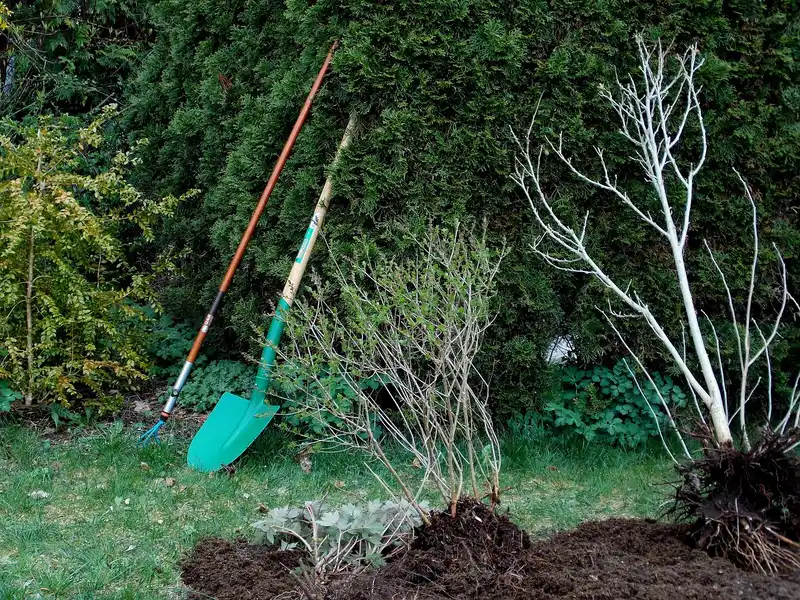
Start with debris removal once the soil is no longer soggy. Pull leaves, sticks, dead annuals, and any winter mulch that has crusted over crowns. Then edge beds while the soil can still hold a clean line. This improves drainage and makes later weed control easier.
Bed cleanup is important. Bed edging is often high value. Fresh edges help keep turf out of planting beds and keep mulch from spilling into the lawn after spring rains.
Pruning timing, mulch refresh, and pre-emergent weed control
Spring pruning depends on plant type. Remove dead, damaged, or rubbing branches first. For flowering shrubs, wait until the bloom pattern is clear. Spring-blooming shrubs are usually pruned after flowering, while nonflowering shrubs can often be shaped before active growth starts.
Mulch refresh belongs early, but only after the bed is cleaned and soil has warmed a bit. Keep mulch at about 2-3 inches deep. Organic mulch supports soil conditioning and moisture retention as it breaks down. Inorganic mulch lasts longer but does little for soil improvement. Too much mulch traps moisture around stems and invites rot.
Pre-emergent weed control is most useful before weed seeds sprout. Miss the window and you will be pulling more later. If the area is full of desirable seedling plants, skip it or use it only where labeled for the target bed.
When spring planting and aeration belong on the calendar
Planting belongs in spring when frost danger is past and roots have time to settle before heat arrives. Aeration belongs only if the turf is compacted and the grass type is ready to recover. For cool-season lawns, spring aeration can help, but fall is often a better recovery window. For warm-season lawns, late spring is usually the better fit.
Which summer services are worth paying for?
Summer services are worth paying for when heat, drought, and fast growth create damage risk that homeowners often miss. The highest-value work is irrigation tuning, watering strategy, weed control, edging, and heat stress monitoring. Decorative work matters less if plants are under water or already stressed.
Watering strategy and irrigation checks
Watering should be deep and less frequent when conditions allow, not a daily shallow splash. Irrigation should be checked for leaks, broken heads, blocked nozzles, and uneven coverage. Seasonal workers may install irrigation systems as part of grounds maintenance, and they may also adjust controllers as weather shifts.
Summer controller settings should follow rainfall and plant demand. If the lawn is getting runoff or puddles, reduce runtime or shift zones. If beds dry faster than turf, separate them into different watering logic when possible. Coverage adjustments matter more than longer runtimes.
Deadheading, weed control cadence, and lawn edging
Deadheading is valuable for many flowering plants because it can keep them tidy and sometimes encourage more bloom. Weed control in summer should be frequent enough to stop seed set, but not so aggressive that desirable roots are disturbed in heat.
Lawn edging is a small task with a visible payoff. It frames the yard and keeps grass from creeping into beds and walkways. It is often a better curb-appeal spend than extra decorative work during peak heat.
Heat stress monitoring and when to scale back work
Heat stress shows up as wilted foliage, dull turf, leaf scorch, and slowed growth. When that happens, scale back pruning, fertilizing, and heavy disturbance. Fresh cuts and root disturbance can worsen water loss. Shade plants, newly planted shrubs, and shallow-rooted ornamentals need the most caution.
Fall services that prevent winter damage
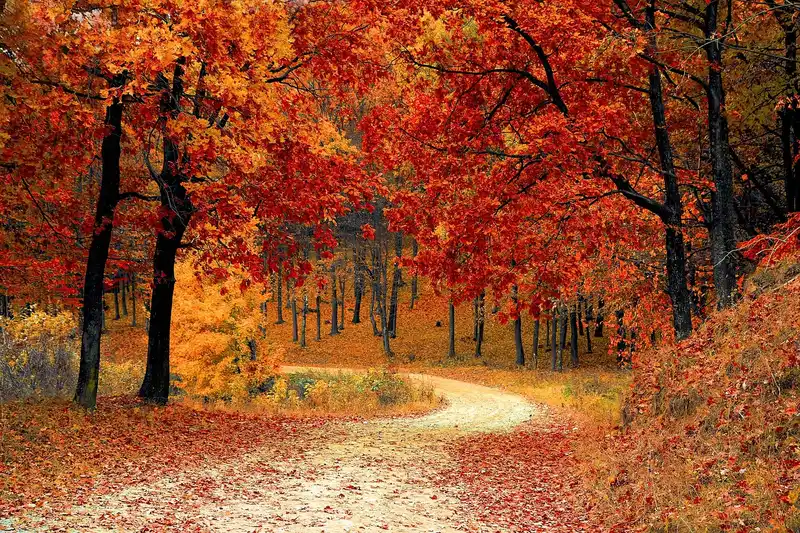
Fall is the best return-on-effort season for many homeowners because it cuts winter damage before it starts. Leaf removal, turf prep, perennial cutback, irrigation winterization, and drainage checks all matter more once growth slows and freeze risk rises.
Leaf removal, final mowing height, and perennial cutback
Leaf removal is important when coverage starts to smother turf or mat over beds. If leaves stay wet, they block light and trap disease. Final mowing should leave grass low enough to avoid matting but not so short that crowns are exposed. The right height depends on turf type, but scalping is a mistake in nearly every case.
Perennial cutback depends on the plant and the site. Some stems are left for winter structure or wildlife cover. Others should be cut back to reduce disease and tidy the bed. Remove diseased foliage no matter what the calendar says.
Aeration or overseeding timing by grass type
Aeration and overseeding are often best in fall for cool-season lawns because soil is still warm enough for roots, and air temperatures reduce stress. Overseeding after aeration improves seed-to-soil contact. That contact matters more than the seed bag. Warm-season lawns usually follow a different schedule and often recover better in late spring or early summer.
If the lawn is not compacted, aeration may be optional. If foot traffic, clay soil, or heavy equipment have packed the soil, it becomes a high-value service.
Winter prep for irrigation and drainage
Fall is the time to inspect irrigation for leaks and plan winter shutdown. In freeze-prone areas, blowout or drain-down should happen before freezing weather. Drainage should be checked before freeze because standing water near beds, walkways, or foundations turns into ice and can heave soil or damage roots.
How to protect plants and equipment in winter
Winter protection is about preventing breakage, salt injury, frost heave, and equipment failure. The work is usually light, but the timing is unforgiving. Miss the freeze window and protection becomes repair work.
Tree and shrub wrapping, salt damage, and snow load issues
Wrap young trunks or exposed shrubs where sunscald, wind burn, deer, or rodent damage is likely. Use protection only where the plant and site call for it. Heavy snow should be brushed off branches before it compacts or snaps them. Salt exposure near driveways and walks should be blocked with barriers or plant placement where possible.
Drainage checks before freeze also matter in winter. A bed that stays wet can ice over and damage roots. Redirect downspouts or clear blocked outlets before the ground locks up.
Dormant pruning only when it fits the plant
Dormant pruning is useful for many deciduous trees and shrubs when leaves are off and structure is visible. It is not a free pass to cut everything. Avoid pruning spring bloomers too early unless the goal is deadwood removal only. Sanitize tools between plants, especially if disease has been present.
Storage planning for hoses, mowers, and other equipment
Hoses should generally be drained and stored before freezing. Mowers, trimmers, and hand tools should be cleaned, dried, and stored in a dry space. Equipment planning is not glamorous, but it prevents cracked fittings, rust, stale fuel problems, and spring start-up delays.
Seasonal service checklist by timing, urgency, and value
Use this checklist as a homeowner decision tool. High urgency means the job prevents damage or loss. Medium urgency means the work matters, but a short delay is usually tolerable. Low urgency means the job is mostly aesthetic or location-specific.
| Season | Service | Urgency | Ideal timing window | Signs it is needed | Common mistakes to avoid |
|---|---|---|---|---|---|
| Spring | Debris removal after thaw | High | After soil thaws and dries enough to walk on | Matted leaves, broken twigs, winter-killed stems | Raking too early and compacting wet soil |
| Spring | Bed edging and mulch refresh | Medium | Before active weed growth and after cleanup | Blurred bed lines, bare soil, exposed roots | Applying more than 2-3 inch depth |
| Spring | Pruning timing for shrubs and perennials | High | After bloom for spring-flowering shrubs; before growth for many nonflowering shrubs | Deadwood, crossing branches, frost breakage | Overpruning and removing next season’s flower buds |
| Spring | Pre-emergent weed control | Medium | Before weed germination | Known crabgrass or annual weed pressure | Applying after seedlings are already up |
| Summer | Watering strategy and irrigation inspection | High | During dry stretches and heat waves | Uneven turf color, dry beds, overspray, leaks | Shallow watering and ignored broken heads |
| Summer | Deadheading and weed control cadence | Medium | Every 1-2 weeks in active bloom and growth periods | Spent flowers, seed heads, young weeds | Waiting until weeds set seed |
| Summer | Lawn edging | Low | As needed for appearance and bed separation | Grass creeping into borders | Cutting too deep into root zones |
| Fall | Leaf removal | High | As soon as leaves mat down or cover turf | Wet leaf layers, shaded grass, slimy beds | Letting leaves stay through repeated rain |
| Fall | Aeration or overseeding | High for compacted cool-season turf | When recovery weather is still mild | Thin turf, heavy traffic, bare spots | Missing soil contact after seeding |
| Fall | Irrigation winterization | High in freeze climates | Before hard freeze risk | Outdoor lines, controllers, exposed backflow parts | Waiting for the first hard freeze |
| Winter | Tree and shrub wrapping | Medium | Before repeated freeze-thaw and wind exposure | Young bark, exposed stems, wildlife pressure | Wrapping too tightly or leaving it on too long |
| Winter | Drainage checks and equipment storage | High | Before freeze-up | Pooling water, blocked downspouts, wet storage areas | Storing hoses and tools while still wet |
How to read the checklist
Start with high-urgency items in your climate. If winters are mild, winterization may be less critical than in freeze-prone regions. If the yard has mature trees and shaded beds, drainage and leaf removal may outrank pruning or edging. Property type changes the order.
Which jobs deliver the fastest homeowner payoff
The fastest visible payoff usually comes from bed edging, leaf removal, mulch correction, and lawn edging. The fastest damage-prevention payoff usually comes from irrigation winterization, deadwood removal, and drainage correction. The best-value jobs are often the ones that help prevent bigger repairs later.
What should be included in a seasonal landscaping checklist?
A useful checklist should cover cleanup, plant care, turf care, irrigation, drainage, and storage. It should also note which items are essential, optional, or climate-dependent. The best checklist is tied to bloom stage, soil condition, and freeze risk, not just the month on the wall.
Core items for spring, summer, fall, and winter
- Spring: debris removal after thaw, bed edging, pruning by plant type, mulch refresh, pre-emergent weed control.
- Summer: watering strategy, irrigation checks, deadheading, weed control cadence, lawn edging, heat stress monitoring.
- Fall: leaf removal, final mowing height, perennial cutback, aeration or overseeding, irrigation winterization.
- Winter: tree and shrub wrapping, salt and snow damage prevention, drainage checks, dormant pruning where appropriate, equipment storage planning.
The most common mistakes to avoid
Too much mulch is a common one. So is pruning spring bloomers before they flower. Another is skipping blowout or drain-down on irrigation in a freeze-prone area. Homeowners also miss the weather window and do the right task at the wrong time.
How to coordinate services with local weather windows
Watch frost dates, thaw timing, rainfall, and bloom stage. Schedule work when the soil can take equipment without rutting. If a freeze warning is coming, shift winter prep ahead of decorative jobs. If a shrub is flowering, delay shaping until the bloom cycle ends.
When is the best time to schedule landscaping services?
The best time is the first workable window that matches the plant and the weather. Spring cleanup should follow thaw. Summer work should be adjusted around heat and drought. Fall services should happen before repeated frost and leaf matting. Winter protection should be done before freeze-up, not after damage starts.
In practice, the right schedule changes by climate and plant type. A cool-season lawn in a northern yard may need fall aeration more than spring aeration. A warm-season yard may need spring recovery work later. The calendar is a guide, not the decision-maker.
Frequently asked questions
What seasonal landscaping services should I schedule in spring, summer, fall, and winter?
Spring should usually cover cleanup after thaw, edging, pruning, mulch refresh, and weed prevention. Summer should focus on watering strategy, irrigation checks, deadheading, weed control, and heat stress monitoring. Fall should prioritize leaf removal, aeration or overseeding, and irrigation winterization. Winter should handle wrapping, drainage, and storage.
Which landscaping services are worth paying for each season?
Pay for services that prevent damage first. In spring, pruning and mulch correction often matter. In summer, irrigation inspection and watering adjustments are high value. In fall, leaf removal and winterization usually pay off quickly. In winter, protection work is worth paying for when freeze, snow, or salt exposure is real.
How often should seasonal landscaping services be done?
Some services are seasonal once-per-window tasks, such as winterizing irrigation or doing major fall cleanup. Others repeat through the active season, such as mowing, deadheading, or weed control. The right frequency depends on growth rate, rainfall, soil pressure, and how quickly the property shows decline.
What is the difference between seasonal landscaping and lawn care?
Lawn care is routine turf maintenance, usually centered on mowing, watering, and basic feeding or weed control. Seasonal landscaping is broader and more timing-sensitive. It includes pruning, mulching, planting, irrigation winterization, aeration, drainage checks, and other work that depends on weather windows and plant stage.
Should I hire a landscaper for fall cleanup or do it myself?
Do it yourself if the job is light, the property is small, and the only goal is tidiness. Hire help when leaf volume is high, drainage is poor, aeration or irrigation shutdown is included, or the site has slopes, heavy beds, or large trees. Risk and labor should guide the decision.
What landscaping services help protect plants before winter?
The most useful services are leaf removal, cutback of damaged growth, irrigation winterization, drainage correction, and wrapping for vulnerable trees or shrubs. Dormant pruning can help if it fits the plant. The goal is to reduce breakage, freeze damage, waterlogging, and salt injury before cold weather settles in.