How to Use Landscape Fabric in a Vegetable Garden Safely
Home gardeners and commercial growers alike are always searching for methods to improve vegetable yields, reduce weeds, and maintain soil health with minimal chemical intervention. One widely adopted solution is landscape fabric, a permeable barrier placed over soil to suppress weed growth and streamline garden maintenance. However, concerns persist about its safety, effectiveness, and impact on both crops and the environment—especially in edible gardens. Understanding how to use landscape fabric safely and effectively can transform your gardening experience, but the key lies in making informed choices and following best practices.
This comprehensive guide will unpack the science and strategy behind landscape fabric in vegetable gardens. You’ll learn the types of fabrics available, how to install and maintain them, the pros and cons compared to alternative weed control methods, and crucial safety considerations.
Whether you’re a beginner or a seasoned grower, you’ll find actionable insights, real-world examples, and data-driven comparisons to help you achieve a bountiful, healthy harvest while protecting your soil and plants for the long term.
Key Takeaways
- Landscape fabric can significantly reduce weed pressure and conserve soil moisture in vegetable gardens, but must be used with best practices for food safety.
- Not all landscape fabrics are suitable for edible crops; choose food-safe, UV-stabilized, and non-toxic materials.
- Proper installation and maintenance—including the use of organic mulch and correct anchoring—are essential for long-term effectiveness and safety.
- Alternatives like organic mulches or living groundcovers may be more appropriate for some gardens and climates.
- Short-term and long-term impacts on soil health, microbial activity, and crop yield should guide your decision.
- Real-world case studies and data show landscape fabric can enhance productivity when used wisely, but improper use can harm soil and plants.
Understanding Landscape Fabric: Types And Safety Considerations
Landscape fabric, also known as weed barrier or garden fabric, is a permeable textile designed to block weed growth while allowing air, water, and nutrients to pass through. Its effectiveness and safety in vegetable gardens depend on the type of fabric, its physical properties, and how it interacts with soil and crops.
Types Of Landscape Fabric
There are several types of landscape fabric, each with distinct characteristics:
- Woven Polypropylene Fabric
- Durable, strong, and UV-resistant.
- Allows water and air penetration.
- Common in commercial agriculture.
- Non-Woven Polypropylene Fabric
- Felt-like texture.
- Higher water retention.
- Less durable over multiple seasons.
- Biodegradable Fabric
- Made from natural fibers such as jute, coir, or paper.
- Breaks down over time.
- Suitable for organic gardens.
- Plastic Sheeting (Polyethylene)
- Completely blocks water and air.
- Not recommended for most vegetable gardens due to poor soil health outcomes.
| Type | Durability | Water/Air Permeability | Food Safe? | Best Use |
|---|---|---|---|---|
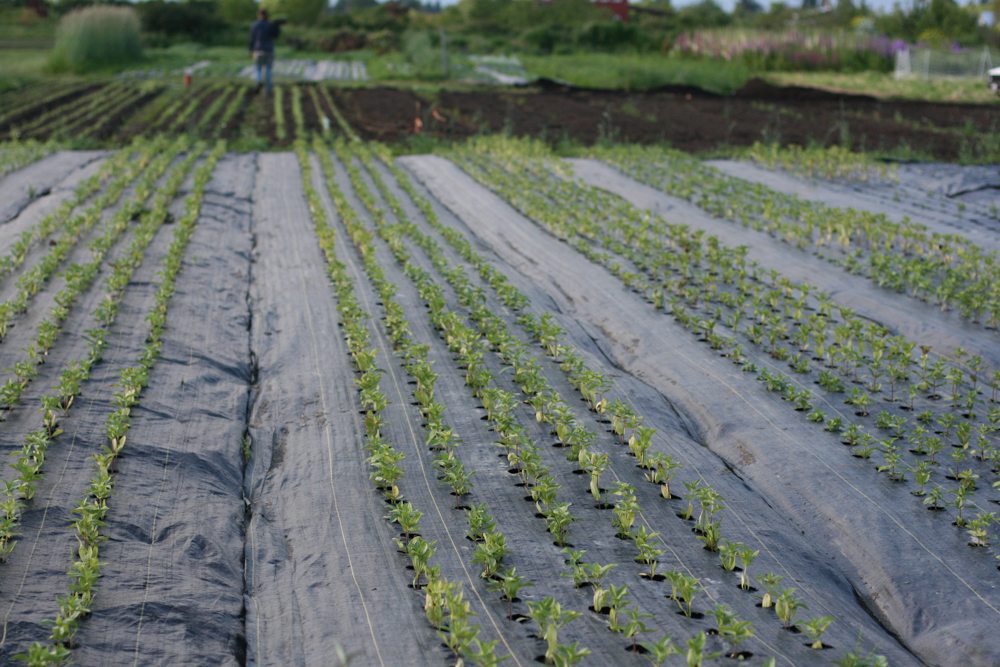
| Woven Polypropylene | 3-5 years | High | Yes (if UV-stabilized) | Row crops, raised beds |
| Non-Woven Polypropylene | 1-2 years | Medium | Yes (if chemical-free) | Seasonal beds |
| Biodegradable | 1 season | High | Yes | Organic, no-till gardens |
| Plastic Sheeting | 2-3 years | Low | No | Solarization, not for edibles |
Material Safety And Food Contact
Not all landscape fabrics are created equal when it comes to safety in vegetable gardens. The USDA National Organic Program approves certain synthetic and natural fibers for use in organic food production, provided they don’t leach harmful chemicals or heavy metals. When selecting a fabric, check for:
- Food-contact safety certifications (e.g., FDA-approved, BPA-free)
- UV stabilization (to avoid breakdown into microplastics)
- Absence of chemical coatings or dyes
The University of California Agriculture and Natural Resources recommends avoiding recycled plastics of unknown origin, as they may contain phthalates or other contaminants not suitable for edible gardens (UC ANR).
Environmental And Soil Health Concerns
Improperly chosen or installed landscape fabric can disrupt soil life, block beneficial insects, and contribute to microplastic pollution. Biodegradable options help mitigate these risks but may require more frequent replacement. Always weigh the trade-offs between longevity, soil health, and sustainability.
Credit: www.floretflowers.com
Preparing Your Vegetable Garden For Landscape Fabric
Proper preparation is crucial for maximizing the benefits and minimizing the risks of landscape fabric in a vegetable garden. Skipping or rushing these steps can lead to poor weed suppression, stunted plant growth, or even food safety hazards.
Assessing Your Site And Soil
- Soil Testing: Before installation, conduct a comprehensive soil test to determine pH, nutrient levels, and potential contaminants. Soil health lays the foundation for plant success.
- Drainage Evaluation: Ensure your site has adequate drainage. Waterlogged soils beneath fabric can foster disease and root rot.
Clearing The Area
Remove all existing weeds, roots, and debris from the target area. Use manual weeding, solarization, or shallow cultivation. Avoid chemical herbicides, especially in food crops, to prevent residual toxicity.
Amending And Fertilizing
- Add compost or organic matter to improve soil structure and fertility before laying fabric.
- Apply slow-release, organic fertilizers as needed, since post-installation fertilization is more difficult.
Planning Plant Layout
- Design beds with optimal spacing for each vegetable type. This allows for effective anchoring and reduces the need to cut excess holes in the fabric, which can compromise its integrity.
- Mark out paths and growing areas. Consider using separate strips of fabric for walkways and beds if you plan annual crop rotation.

Credit: www.bootstrapfarmer.com
Step-by-step Guide To Installing Landscape Fabric Safely
Careful installation is key to ensuring landscape fabric serves its purpose without harming your vegetable garden’s productivity or safety. Follow these best practices for each stage of the process.
Choosing The Right Fabric
- For long-term beds, select woven polypropylene or certified biodegradable fabric.
- For annual beds or rotation-intensive plots, opt for biodegradable fabric or non-woven polypropylene.
- Confirm the product is food-contact safe and UV-stabilized (check the manufacturer’s specifications).
Tools And Materials Needed
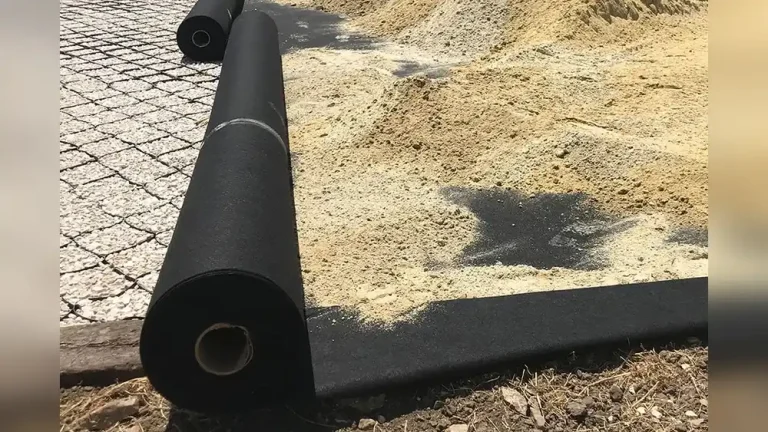
- Landscape fabric rolls
- Scissors or utility knife
- Landscape staples or U-shaped pins (galvanized steel preferred)
- Measuring tape, chalk line, or marker
- Rake and shovel
- Organic mulch (such as straw or wood chips)
Installation Steps
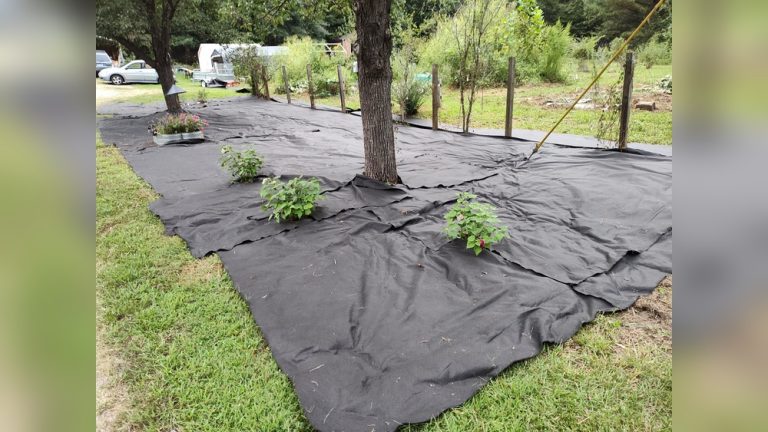
- Level and Smooth the Soil: Rake the bed flat, removing stones or debris that could tear the fabric.
- Cut and Lay the Fabric: Unroll fabric over the prepared bed, allowing a 2–4 inch overlap at seams. Extend 2–3 inches beyond the bed edges.
- Anchor Securely: Pin the fabric every 12–18 inches along edges and seams using landscape staples. Extra pins at corners and curves prevent wind lift.
- Cut Planting Holes: Use scissors or a sharp knife to cut X-shaped or circular openings just large enough for the root ball of each plant. Minimize hole size to reduce weed infiltration.
- Plant Carefully: Gently pull back flaps, insert transplants, and press soil firmly around roots. Replace fabric flaps to cover exposed soil.
- Apply Organic Mulch: Spread a 2–3 inch layer of straw, shredded leaves, or untreated wood chips over the fabric. This protects the fabric from UV damage, maintains moisture, and enhances aesthetics.
Post-installation Checklist
- Inspect all edges to ensure there are no gaps for weeds to emerge.
- Confirm all staples are flush with the ground to prevent tripping or equipment snags.
- Water thoroughly after planting to settle soil and encourage root establishment.
Safety Reminders
- Wear gloves and a mask if cutting synthetic fabrics to avoid inhaling dust or fibers.
- Store unused fabric away from sunlight and moisture to extend its usable life.

Credit: www.vevor.com
Managing Your Vegetable Garden With Landscape Fabric
Once installed, landscape fabric alters the dynamics of your garden bed. Ongoing management ensures that both crops and soil remain healthy, productive, and safe for food production.
Watering And Irrigation Strategies
Although quality landscape fabric is permeable, its presence changes how water enters the soil. Consider the following:
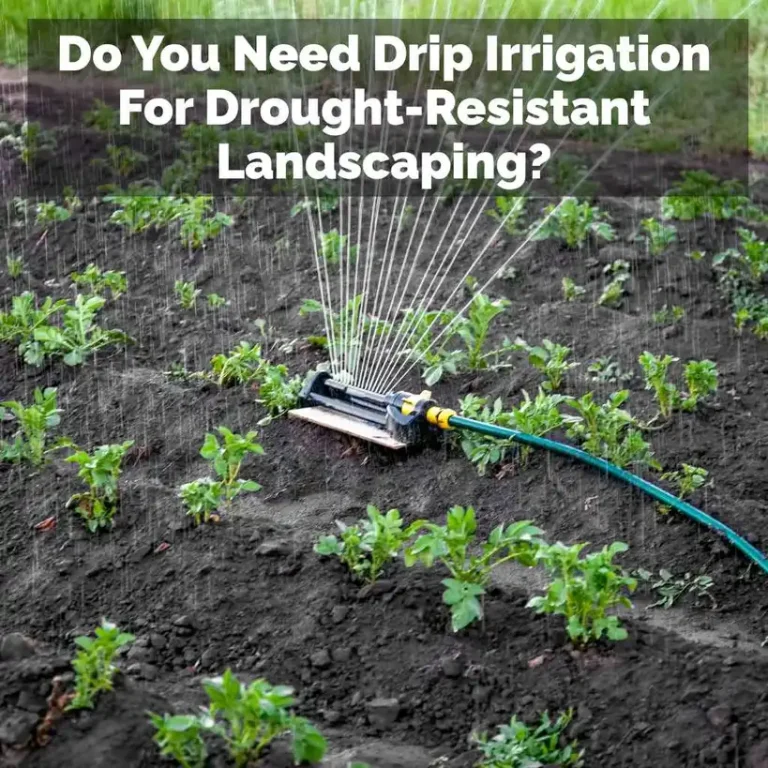
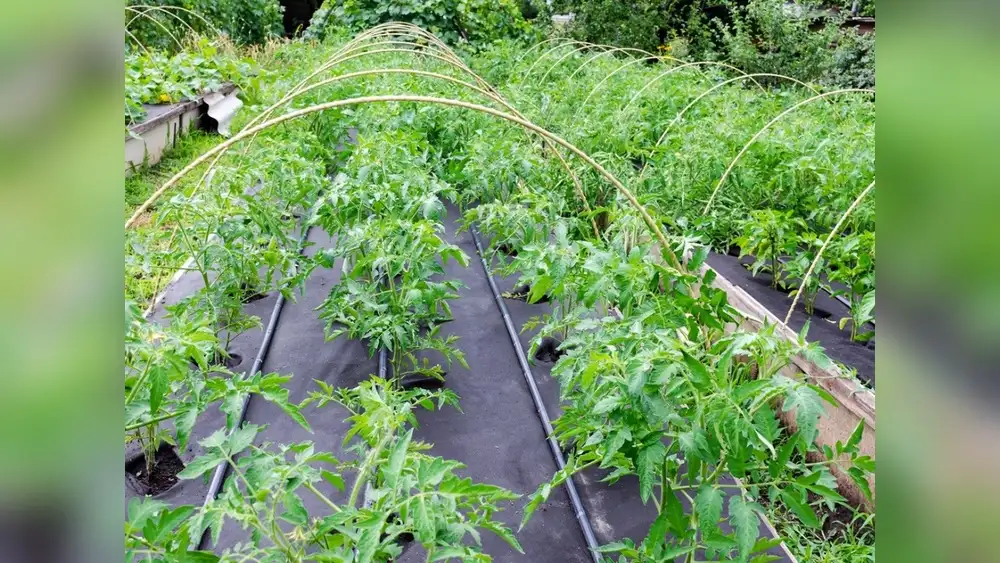
- Drip irrigation: Install drip lines or soaker hoses beneath the fabric for even, efficient moisture delivery directly to roots.
- Overhead watering: Acceptable with permeable fabrics, but may cause pooling if fabric is clogged with mulch or debris.
- Monitor soil moisture with a probe or by lifting a fabric corner.
Fertilizing With Fabric In Place
- Apply granular organic fertilizers before fabric installation.
- For in-season feeding, use liquid fertilizers applied through planting holes.
- Avoid high-salt synthetic fertilizers, which can accumulate on the fabric surface and burn seedlings.
Weed And Pest Management
While landscape fabric suppresses most weeds, some persistent species can invade through planting holes or seams. Strategies include:
- Hand-pulling any emerging weeds immediately.
- Inspecting seams and patching any tears or gaps promptly.
- Rotating crops and repositioning fabric annually in high-disease areas to break pest cycles.
Pests such as slugs and voles may shelter under fabric. Regularly check beneath the fabric edges, and use organic controls if necessary.
Maintenance And Seasonal Care
- Remove organic mulch in late fall to inspect and clean the fabric.
- Brush off debris and check for damage or degradation.
- If using biodegradable fabric, till remnants into soil or compost any fully decomposed material.
- Store reusable fabric rolls indoors over winter to maximize lifespan.
Pros And Cons: Landscape Fabric Vs. Alternative Weed Barriers
Understanding the advantages and drawbacks of landscape fabric compared to other weed control methods helps gardeners make informed decisions tailored to their unique circumstances.
Benefits Of Landscape Fabric
- Reduces weed competition without frequent hand-weeding.
- Conserves soil moisture, lowering irrigation needs by up to 25% (University of Minnesota Extension).
- Moderates soil temperature, benefiting early and late-season crops.
- Improves crop cleanliness by preventing soil splash onto vegetables.
- Decreases disease pressure by reducing leaf contact with wet soil.
Drawbacks And Risks
- May inhibit soil microbial activity and earthworm movement if misused.
- Can accumulate microplastics if degraded by UV exposure or tillage (ScienceDirect).
- Initial cost is higher than organic mulches.
- Requires precise installation and maintenance to avoid weed breakthrough.
- Potential for heat buildup in hot climates, stressing crops.
Organic Mulch And Living Groundcovers
Organic mulches (straw, wood chips, compost) or living mulches (clover, vetch) offer alternatives with their own pros and cons:
| Weed Barrier | Weed Control | Soil Health Impact | Food Safety | Maintenance |
|---|---|---|---|---|
| Landscape Fabric | High | Neutral/Negative (if misused) | High (if certified) | Medium |
| Organic Mulch | Medium | Positive | High | Low/Medium |
| Living Groundcover | Low/Medium | Highly Positive | High | High |
| Plastic Sheeting | Very High | Negative | Low | Medium |
How To Decide
- Use landscape fabric in high-weed-pressure beds, for crops that benefit from warmer soils, or where labor is limited.
- Opt for organic mulch or living groundcovers in permanent beds, pollinator gardens, or where soil biodiversity is a priority.
- Avoid plastic sheeting in edible gardens due to food safety and soil health risks.
Real-world Examples And Case Studies
To illustrate the impact of landscape fabric in vegetable gardens, consider these real-world scenarios.
Case Study 1: Small-scale Urban Farm
Urban Roots Farm in St. Paul, MN, implemented woven polypropylene landscape fabric in raised vegetable beds to combat persistent bindweed and quackgrass. By following best practices—using food-safe, UV-resistant fabric, anchoring with steel staples, and topping with straw mulch—they achieved:
- 80% reduction in hand-weeding labor
- 25% increase in carrot and beet yields
- No detectable microplastic contamination in soil after three seasons (confirmed by local extension lab)
Their experience demonstrates that, when chosen and managed correctly, landscape fabric can boost productivity and maintain food safety in urban settings.
Case Study 2: Community Garden Plot
A community garden in Sacramento, CA, used biodegradable jute fabric for annual tomato and pepper beds. After one season, the fabric had decomposed, adding organic matter to the soil. Participants noted:
- Fewer weeds compared to neighboring plots with straw mulch alone
- Improved soil moisture retention, reducing summer irrigation
- Need to reapply fabric each season, but no plastic waste generated
This approach balanced weed control with soil health and environmental sustainability.
Case Study 3: Commercial Market Grower
A 2-acre organic farm in Ohio trialed non-woven polypropylene fabric in sweet corn rows and compared it to traditional black plastic mulch. Findings included:
- Slightly lower soil temperatures under fabric vs. plastic (beneficial during heat waves)
- Similar weed suppression, but better water infiltration and no standing water
- Fabric reused for three seasons with no decline in performance
This data supports the use of landscape fabric as a more sustainable, food-safe alternative to plastic sheeting in row crop production.
Maximizing Safety And Soil Health With Landscape Fabric
Using landscape fabric in vegetable gardens can be both effective and safe, but only when integrated thoughtfully into a holistic management plan. Here’s how to safeguard crops, gardeners, and the environment.
Selecting Food-safe Materials
- Always verify FDA or USDA food-contact approval for synthetic fabrics.
- Choose natural fiber or certified biodegradable options for organic gardens.
- Avoid colored or treated fabrics unless manufacturer provides safety documentation.
Preventing Soil And Crop Contamination
- Apply a thick organic mulch over fabric to minimize UV degradation and plastic particle release.
- Do not till synthetic fabric remnants into soil—remove and dispose of all plastic at season’s end.
- Rotate fabric location annually if possible to prevent disease buildup and compaction.
Enhancing Soil Life
- Use landscape fabric selectively, not as a permanent barrier in perennial beds.
- Periodically lift fabric between seasons to aerate soil and allow earthworm activity.
- Consider alternating seasons with organic mulch to maintain soil microbial diversity.
Monitoring For Problems
- Check regularly for weed breakthrough, fabric tears, or signs of overheating.
- Test soil annually for organic matter content and biological activity.
- If using fabric long-term, monitor for microplastic residues using extension services or soil labs.
Compliance With Organic Standards
For certified organic production, consult the USDA National Organic Program guidelines and your certifier to ensure all materials and practices comply (USDA Organic).
Troubleshooting Common Issues
Despite your best efforts, issues can arise when using landscape fabric in a vegetable garden. Here’s how to address the most frequent challenges.
Weeds Growing Through Or Around Fabric
- Ensure all seams are overlapped and pinned.
- Use pre-emergent organic herbicides in planting holes if needed.
- Replace or patch torn fabric promptly.
Poor Water Infiltration
- Check for clogging from organic mulch or silt; gently sweep or hose off fabric.
- Switch to a more permeable fabric if drainage remains problematic.
Overheating And Root Stress
- In hot climates, select lighter-colored or reflective fabric to reduce soil temperature.
- Increase organic mulch thickness to insulate roots and moderate heat.
Reduced Soil Fertility
- Supplement with foliar feeding or liquid organic fertilizers during the growing season.
- Rotate between fabric and organic mulch years to rebuild soil organic matter.
Pest Problems
- Monitor edges for slug or vole activity; use traps or barriers as needed.
- Remove mulch and inspect fabric regularly to disrupt pest habitat.
Frequently Asked Questions
What Is The Safest Type Of Landscape Fabric For Vegetable Gardens?
The safest options are UV-stabilized, food-grade woven polypropylene or biodegradable natural fiber fabrics like jute or coir. Always check for certifications such as FDA food-contact approval, and avoid recycled plastics of unknown origin. For organic gardens, biodegradable fabrics are often preferred.
Can Landscape Fabric Cause Microplastic Contamination In My Soil Or Crops?
If synthetic fabric is UV-degraded, tilled into soil, or left exposed, it can break down into microplastics. To minimize risk, always cover with organic mulch, remove fabric at the end of its usable life, and never till plastic fabric remnants into the soil. Biodegradable fabrics eliminate this concern.
Will Using Landscape Fabric Affect Soil Health And Beneficial Organisms?
Landscape fabric may reduce earthworm activity and limit organic matter integration if used continuously. Periodic removal, use of biodegradable options, and alternating with organic mulches can help maintain soil microbial health and biodiversity.
How Do I Fertilize My Vegetable Garden When Using Landscape Fabric?
Apply granular or slow-release fertilizer before laying fabric. For midseason needs, use liquid feeds applied through planting holes. Avoid high-salt synthetic fertilizers, as these can build up on the fabric and damage plants.
Is Landscape Fabric Better Than Organic Mulch For Controlling Weeds?
Landscape fabric provides more consistent weed suppression than mulch alone, especially in high-pressure situations. However, organic mulch improves soil health and is more sustainable in the long term. Many gardeners achieve the best results by combining fabric and mulch.
Best Practices And Advanced Tips For Long-term Success
Optimizing the use of landscape fabric in your vegetable garden requires a blend of science, observation, and adaptation. Here are proven strategies for maximizing benefits while minimizing drawbacks.
Combine Fabric With Mulch For Superior Results
A 2–3 inch layer of organic mulch atop landscape fabric reduces UV exposure, prevents weed germination in planting holes, and boosts soil moisture retention. Studies by the University of Florida IFAS show this combination can cut labor by 50% over fabric alone (UF IFAS).
Use Fabric Selectively For Problem Areas
Deploy landscape fabric in beds plagued by perennial weeds, or where early-season warmth is needed for crops like melons or peppers. For low-weed or permanent beds, rely more on mulch or cover crops.
Rotate And Rest Soil
Alternate years of fabric use with years of organic mulch or cover cropping to maintain soil health. This reduces compaction, supports beneficial soil life, and prevents disease buildup.
Invest In Quality Materials
Choose commercial-grade, UV-stabilized fabric—it lasts longer, resists tearing, and is less likely to leach chemicals. Avoid bargain brands with unknown fillers or dyes.
Maintain A Clean Edge
Keep fabric edges neat and well-pinned. Overlap seams and avoid leaving loose ends, which invite weeds and pests.
Dispose Responsibly
At end of life, bag and dispose of synthetic fabric as solid waste—never burn or compost it. For biodegradable fabrics, till or compost as appropriate once fully broken down.
Resources For Further Learning
For those who want to dive deeper into the science and best practices behind landscape fabric in vegetable gardening, the following authoritative resources are recommended:
- Clemson University Home & Garden Information Center
- University of Minnesota Extension
- USDA Organic Program
- UF IFAS: Mulching Vegetables
- UC ANR: Weed Management in Organic Vegetable Production
- ScienceDirect: Microplastics in Agricultural Soils
Thoughtful, safe use of landscape fabric can streamline your vegetable gardening, protect your harvest, and support a more productive, sustainable plot. By understanding the strengths and limitations of various fabrics, following careful installation and management practices, and prioritizing soil health, you’ll enjoy weed-free beds and robust, healthy crops for years to come.