What a Landscape Gardener Does When Given Instructions
Landscape gardening is both an art and a science, transforming outdoor spaces into beautiful, functional environments. When a landscape gardener receives instructions, their role extends far beyond simply planting shrubs or mowing lawns. They interpret client visions, assess technical requirements, and orchestrate a complex process that involves design, planning, execution, and ongoing maintenance. Their expertise ensures that each project not only meets aesthetic goals but also complies with environmental standards, safety regulations, and practical needs.
Understanding what a landscape gardener does when given instructions is essential for homeowners, property managers, and businesses seeking to enhance outdoor spaces. This article delves deep into the step-by-step journey of a landscape gardener, from initial consultation to final walkthrough, highlighting the skills, tools, and strategies they deploy.
With real-world examples, data-driven insights, and actionable tips, you’ll gain a comprehensive view of how these professionals turn instructions into flourishing landscapes.
Key Takeaways
- Landscape gardeners interpret and translate client instructions into actionable plans.
- The process includes site assessment, design development, project planning, execution, and maintenance.
- Effective communication and project management are crucial for successful outcomes.
- Real-world examples demonstrate how landscape gardeners solve complex challenges.
- Comparison tables illustrate differences between DIY and professional approaches.
- The article covers frequently asked questions to clarify common misconceptions.
Understanding The Role Of A Landscape Gardener
The profession of landscape gardening has evolved significantly, encompassing a wide range of responsibilities and skill sets. When given instructions, a landscape gardener must blend creativity with technical expertise to deliver a cohesive, sustainable solution.
Interpretation Of Instructions
One of the fundamental tasks is the interpretation of client instructions. Whether the instructions are detailed or vague, the landscape gardener must clarify expectations, identify priorities, and resolve ambiguities.
- Active listening: Engaging with clients to understand their needs, lifestyle, budget, and preferences. This often includes observing non-verbal cues and asking open-ended questions to draw out deeper insights.
- Clarification: Asking targeted questions to uncover hidden requirements or constraints. For example, a client may not mention pets, but a good gardener will ask if there are animals that need safe, non-toxic plants or durable play areas.
- Documentation: Creating a written brief that captures all aspects of the instructions. This document serves as a reference point for both the client and the landscape gardener throughout the project.
For instance, a client may request a “low-maintenance garden with native plants.” The gardener must determine the specific types of native plants, define what “low-maintenance” means for the client, and consider local climate conditions. They might ask whether the client is comfortable with seasonal color changes, prefers evergreen species, or has allergies to certain plant types. They may also discuss the client’s willingness to use automated irrigation or organic pest control.
Site Assessment And Analysis
Before any work begins, a thorough site assessment is essential. This step includes:
- Soil testing: Analyzing soil composition, structure, drainage, and fertility to select suitable plants. Soil pH, nutrient levels, and the presence of contaminants are all considered. Gardeners may send samples to a lab for detailed analysis or use onsite test kits.
- Drainage evaluation: Identifying potential waterlogging, runoff, or erosion issues. For example, sloped sites may require terracing or retaining walls, while low-lying areas might benefit from rain gardens or French drains.
- Sunlight mapping: Charting areas of full sun, partial shade, and deep shade. This may involve using sunlight calculators or simply observing the site at different times of day to understand microclimates.
- Existing features: Documenting trees, structures, and underground utilities. This helps avoid costly mistakes such as damaging irrigation lines or mature trees with deep roots.
Site analysis may also include checking for wildlife habitats, invasive species, or protected plants that must be preserved. According to the US Environmental Protection Agency, proper site analysis is crucial for green infrastructure and sustainable landscaping, reducing future maintenance costs and environmental impact.
Design Development
Once instructions are clear and the site is assessed, the gardener develops a design plan. This may involve:
- Concept sketches: Visual representations of proposed layouts, often including bubble diagrams to show spatial relationships before finalizing details.
- Plant selection: Choosing species based on site conditions, aesthetics, and maintenance needs. Gardeners may create mood boards or sample palettes to help clients visualize textures and colors.
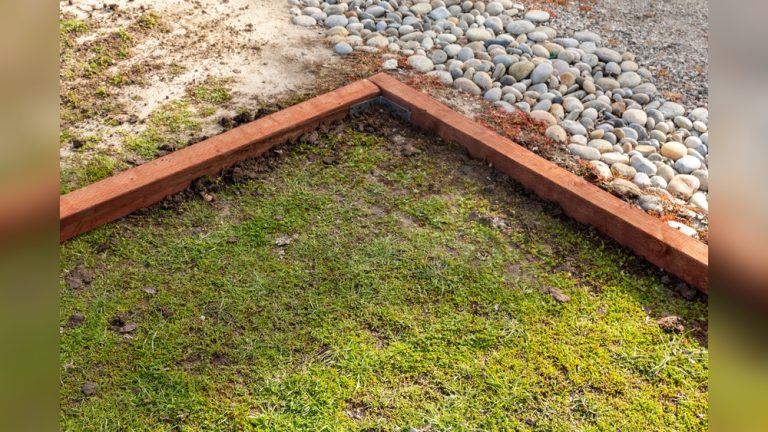
- Material sourcing: Selecting hardscape elements like paving, edging, lighting, fencing, water features, or pergolas. The choice of materials can impact the sustainability, durability, and maintenance needs of the finished space.
Landscape gardeners often use CAD software or hand-drawn plans to communicate their vision. During this phase, they may propose alternative solutions based on their expertise—for example, swapping out high-maintenance lawns for drought-resistant groundcovers or suggesting permeable pavers to improve drainage.
The design phase is collaborative, with feedback loops to refine ideas and ensure alignment with client instructions. Mock-ups or 3D renderings can help clients better understand the proposed changes before approving the final plan.
Project Planning And Resource Management
A successful landscape project depends on effective planning and resource allocation. This includes:
- Scheduling: Creating a timeline for each stage of the project, accounting for plant availability, seasonal constraints, and weather risks. For example, tree planting is typically scheduled for early spring or fall.
- Budgeting: Estimating costs and allocating funds for labor, materials, and contingencies. Detailed budgets help prevent cost overruns and ensure transparency.
- Permitting: Ensuring compliance with local zoning laws, building codes, and environmental regulations, and obtaining necessary permits. This may include submitting plans to city officials or homeowners’ associations for review.
Landscape gardeners may coordinate with subcontractors (e. g. , electricians for lighting, masons for stonework), suppliers for timely delivery of materials, and municipal authorities to streamline the process and avoid delays. They also plan for logistics such as site access for heavy machinery and storage of materials.
Execution And Installation
The actual transformation of the outdoor space is the culmination of prior steps. Landscape gardeners oversee:
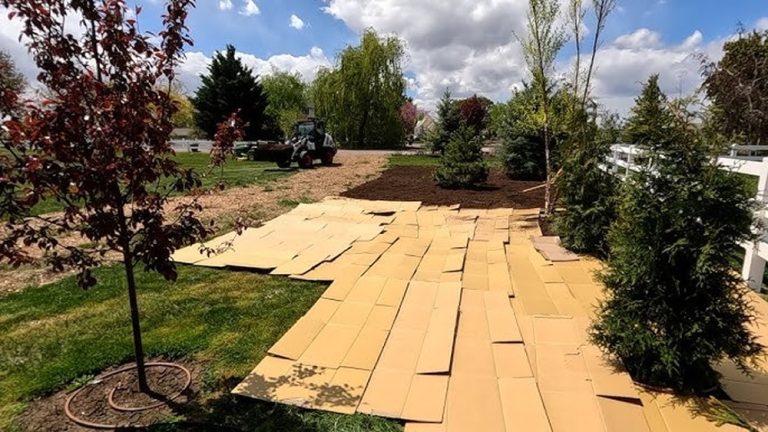
- Site preparation: Clearing, grading, and amending soil as needed. This may involve removing old turf, weeds, debris, or even existing hardscapes. Soil amendments (compost, sand, lime) are added to optimize conditions for new plantings.
- Planting: Installing trees, shrubs, flowers, and turf according to the design. This step requires knowledge of planting depths, spacing, and companion planting to ensure long-term health and growth.
- Hardscape construction: Building patios, retaining walls, pathways, decks, fences, ponds, and other features. Professional installation ensures durability and safety.
- Irrigation and lighting: Integrating systems for water management and nighttime aesthetics. Drip irrigation and smart controllers are often recommended for efficiency, while low-voltage LED lighting enhances usability and security.
Quality control is paramount during installation. Gardeners monitor progress, address unforeseen challenges such as hidden rocks or unexpected grading issues, and ensure each element meets the standards outlined in the instructions. They may adjust plant placement on-site to account for microclimates or visual balance.
Ongoing Maintenance And Client Support
After installation, the landscape gardener provides guidance on maintenance. Services may include:
- Seasonal care: Pruning, fertilizing, mulching, and pest management tailored to the specific plant palette and local climate.
- Irrigation checks: Monitoring and adjusting water systems, flushing drip lines, and calibrating controllers.
- Follow-up visits: Inspecting plant health, checking for disease or pests, and addressing client concerns. Some gardeners provide a maintenance schedule or calendar to help clients keep their landscapes thriving.
This holistic approach guarantees long-term success and client satisfaction. Professional gardeners also train clients or their staff on proper mowing heights, pruning techniques, and how to recognize early signs of trouble.
Step-by-step Process: From Instructions To Implementation
A landscape gardener’s workflow is methodical, ensuring that every project runs smoothly and meets client expectations.
Initial Consultation
- Meeting with clients: Discussing vision, needs, and preferences. This may take place at the property to allow for a more meaningful discussion.
- Site walk-through: Observing current conditions, identifying problems (e.g., poor drainage, lack of privacy), and taking notes or photographs.
- Budget discussion: Establishing financial parameters and clarifying what is achievable within the client’s means. Gardeners may suggest phasing a project if the budget is tight.
Detailed Site Analysis
- Surveying land: Measuring dimensions, noting elevations, and marking out existing structures, trees, and boundaries. Accurate measurements are essential for planning and cost estimation.
- Testing soil: Determining pH, texture, compaction, and organic content. This helps inform plant selection and soil amendment strategies.
- Mapping utilities: Locating water, gas, electrical lines, septic tanks, and irrigation systems to prevent accidental damage during installation.
Design Creation
- Drafting plans: Creating sketches and digital renderings that show not only plant locations but also sightlines, pathways, and focal points.
- Selecting plants and materials: Matching choices to site analysis, climate, maintenance requirements, and client preferences.
- Presenting design: Sharing ideas with clients for approval, often with cost estimates and mood boards to help visualize the finished space. Revisions are incorporated based on feedback.
Project Planning
- Timeline creation: Scheduling tasks and milestones, taking into account plant delivery times, weather, and the availability of subcontractors.
- Resource allocation: Assigning labor, sourcing materials, and arranging for equipment rentals or deliveries.
- Risk assessment: Identifying potential issues (e.g., invasive weeds, poor drainage, neighborhood restrictions) and preparing solutions or contingency plans.
Execution
- Site preparation: Clearing debris, leveling ground, and preparing beds or foundations.
- Installation: Planting, building, and integrating systems such as irrigation, lighting, and drainage.
- Quality control: Inspecting each phase for adherence to instructions, making adjustments as needed, and documenting progress with photos or checklists.
Post-completion Support
- Maintenance guidance: Providing care instructions, seasonal checklists, and scheduling follow-up visits or maintenance contracts.
- Client education: Teaching best practices for plant health, pest management, fertilization, and landscape longevity.
Comparing Diy Vs Professional Landscape Gardening
Many homeowners debate whether to hire a professional landscape gardener or attempt a DIY approach. The following table highlights key differences:
| Aspect | DIY Approach | Professional Gardener |
|---|---|---|
| Expertise | Limited, may lack technical skills | Extensive horticultural and design knowledge |
| Time Investment | High, requires personal effort | Managed efficiently by a team |
| Quality Control | Variable, prone to mistakes | Consistent, professional standards |
| Cost | Lower upfront, potential for costly errors | Higher upfront, fewer long-term issues |
| Design Complexity | Basic layouts | Advanced, customized designs |
| Compliance | Risk of violating regulations | Ensures legal and environmental compliance |
DIY projects can be rewarding and cost-effective for small spaces or simple tasks such as planting annuals or installing mulch. However, larger or more complex projects (such as grading, irrigation, or integrated lighting) typically require professional expertise to avoid costly mistakes and ensure compliance with local codes.
According to the American Society of Landscape Architects, professional landscaping increases property value by up to 15%, while poorly executed DIY projects can diminish curb appeal and lead to expensive repairs. Professional gardeners also bring liability insurance, warranties, and established supplier relationships, reducing risk for the client.
Communication And Collaboration With Clients
Effective communication is the backbone of a successful landscaping project. Landscape gardeners must foster a collaborative relationship with clients to ensure instructions are properly understood and executed.
Building Rapport And Trust
- Active engagement: Listening to client concerns and preferences. This includes being available for questions, responding promptly, and showing empathy for the client’s goals and constraints.
- Transparency: Providing clear information about costs, timelines, and potential challenges. Gardeners often share itemized quotes, sample contracts, and references from past clients.
- Regular updates: Sharing progress reports and inviting feedback. Regular site meetings or email updates keep clients informed and involved.
Clients appreciate gardeners who are responsive and proactive, addressing issues before they escalate. For example, notifying a client about a weather delay and proposing alternative solutions builds confidence and trust.
Managing Expectations
Landscape gardeners must set realistic expectations regarding outcomes, maintenance requirements, and potential limitations. This includes:
- Visual aids: Using 3D models, mood boards, or sketches to show anticipated results and minimize misunderstandings.
- Site visits: Inviting clients to inspect progress during key stages, such as after hardscaping but before planting.
- Written agreements: Outlining responsibilities, guarantees, payment schedules, and contingency plans for unforeseen issues.
Clients are less likely to be disappointed when they understand what is achievable within their budget and timeframe.
Resolving Conflicts
Disputes may arise over design choices, budget overruns, or timeline delays. Successful gardeners employ:
- Conflict resolution skills: Mediation, compromise, and creative problem-solving. For example, offering alternative materials if a preferred option is unavailable.
- Documentation: Keeping detailed records, including change orders, emails, and photographs, to support decisions and maintain accountability.
A collaborative, solutions-focused approach helps maintain positive client relationships.
Collaborative Design Process
Clients are increasingly involved in the design phase. Gardeners often host workshops or use online platforms to gather input and refine plans collaboratively. For example, online project management tools allow clients to review designs, approve changes, and track progress in real time. This participatory approach leads to higher satisfaction and more personalized results.
Technical Skills And Tools Used By Landscape Gardeners
Landscape gardening requires a diverse toolkit, both in terms of equipment and knowledge.
Horticultural Expertise
- Plant identification: Recognizing species suitable for local conditions, including native, ornamental, and invasive plants.
- Soil science: Understanding amendments, fertilizers, and soil structure to optimize plant health.
- Pest management: Diagnosing and treating infestations or diseases with integrated pest management (IPM) strategies.
According to Royal Horticultural Society, gardeners must stay updated on best practices, new plant varieties, and evolving pest threats to ensure healthy, thriving landscapes. Continuing education and certifications are common in the profession.
Design And Planning Tools
- CAD software: Used for precise layouts, renderings, and 3D visualizations, enabling better communication with clients and contractors.
- Measuring instruments: Laser levels, tape measures, GPS devices, and even drones for aerial mapping of large properties.
- Project management software: Scheduling and tracking progress, assigning tasks, and managing budgets.
These tools streamline the process, reduce errors, and enhance the final outcome.
Construction And Installation Equipment
- Excavators: For major earthworks, such as grading, digging ponds, or installing retaining walls.
- Hand tools: Shovels, rakes, pruners, trowels, and hoes for planting and detailed work.
- Power tools: Lawn mowers, hedge trimmers, rototillers, chainsaws, and leaf blowers for efficient maintenance and installation.
Gardeners also use specialized equipment such as soil augers, sod cutters, and compactors for specific tasks.
Safety And Compliance Tools
- Personal protective equipment (PPE): Gloves, goggles, boots, ear protection, and high-visibility clothing to ensure safety on-site.
- Permit applications: Ensuring legal compliance for structures, tree removals, or water features.
- Environmental monitoring: Checking for protected species, hazardous materials, or sensitive habitats before work begins.
The landscape gardener’s toolkit is tailored to each project, ensuring efficiency, safety, and environmental stewardship.
Real-world Examples And Case Studies
Examining real-world projects reveals the depth of skill and adaptability required by landscape gardeners.
Residential Garden Transformation
A family in Portland, Oregon wanted a backyard suitable for children and pets, with native plants and sustainable features. The landscape gardener:
- Conducted a soil test and found poor drainage, which would have led to plant failure and muddy play areas.
- Designed raised beds with drought-tolerant species, such as Oregon grape and red flowering currant, and incorporated permeable pathways.
- Installed a permeable patio for safe play, using recycled materials to reduce environmental impact.
- Added a native wildflower meadow and a vegetable patch for family activities.
- Educated the family on maintenance techniques, including mulching, seasonal pruning, and water-wise gardening.
Result: The garden flourished, requiring minimal upkeep and providing a safe environment for play. The family enjoyed lower water bills and increased biodiversity, with more pollinators visiting the space.
Commercial Property Enhancement
A tech company in Austin, Texas sought a modern outdoor break area. The gardener:
- Assessed sunlight patterns for optimal seating placement, ensuring comfort during hot Texas afternoons.
- Selected low-allergen plants to accommodate employee health needs, using species such as ferns and ornamental grasses.
- Installed smart irrigation systems to minimize water use, including rain sensors and drip emitters.
- Coordinated with architects for seamless integration with building entrances and existing patios.
- Added Wi-Fi-enabled outdoor lighting and charging stations to support remote work.
Result: Employee satisfaction increased, and the property’s value rose by over $50,000. The garden became a popular spot for meetings, relaxation, and corporate events.
Public Park Revitalization
A city council commissioned the rejuvenation of a neglected urban park. The landscape gardener:
- Conducted community workshops to gather input from residents, ensuring the design met diverse needs.
- Mapped existing trees and protected habitats, integrating them into the new plan.
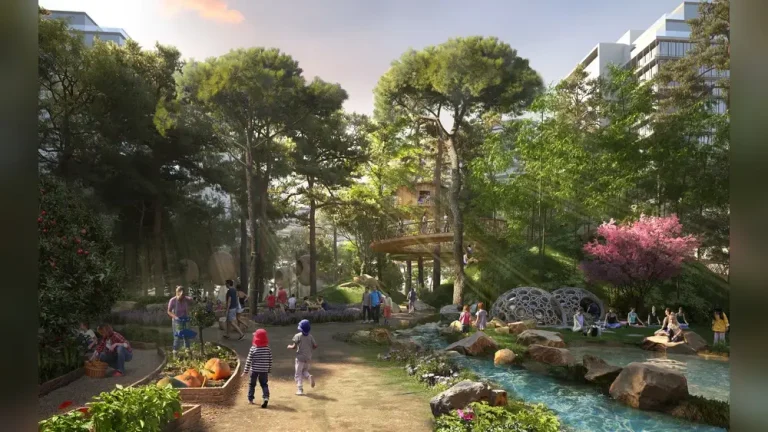
- Designed a multi-use layout with walking trails, native plant zones, pollinator gardens, and accessible play areas.
- Implemented erosion control and improved drainage with bioswales and rain gardens.
- Partnered with local schools for educational programs and volunteer maintenance days.
Result: Park usage tripled, local biodiversity improved, and the park became a model for sustainable urban green spaces.
Sustainability And Environmental Considerations
Landscape gardeners increasingly focus on sustainable practices, aligning with global environmental goals.
Water Conservation
- Drip irrigation: Reduces water waste by delivering moisture directly to roots, resulting in healthier plants and lower utility bills.
- Rain gardens: Absorb runoff and filter pollutants, protecting local waterways from erosion and contamination.
- Rainwater harvesting: Collecting and reusing rainwater for irrigation.
According to EPA WaterSense, efficient landscaping can cut outdoor water use by up to 50%. Gardeners may also use drought-resistant turf or artificial lawns in areas with severe water restrictions.
Soil Health
- Composting: Enhances soil fertility and reduces landfill waste by recycling plant debris and kitchen scraps.
- Mulching: Retains moisture, suppresses weeds, and moderates soil temperature, reducing the need for chemical herbicides.
Healthy soil is the foundation of a sustainable landscape, supporting plant health and reducing the need for synthetic fertilizers.
Native And Adaptive Planting
- Selecting native species: Reduces maintenance, supports local wildlife, and increases resilience to pests and diseases.
- Adaptive planting: Using resilient species to withstand climate change impacts such as drought or extreme temperatures.
Native plants often require less water, fertilizer, and pest control, making them an environmentally sound choice.
Integrated Pest Management
- Biological controls: Introducing beneficial insects such as ladybugs or predatory nematodes to control pests naturally.
- Minimal pesticide use: Prioritizing organic solutions and targeted applications to minimize environmental harm.
Landscape gardeners play a vital role in promoting ecological health and resilience, educating clients about the benefits of sustainable practices and helping communities achieve green certification or biodiversity goals.
Challenges And Solutions In Landscape Gardening
Despite their expertise, landscape gardeners face numerous challenges.
Weather And Climate Issues
- Unpredictable weather: Heavy rain, drought, storms, or extreme temperatures can disrupt schedules, damage plants, and delay installations.
- Solution: Flexible project planning, insurance, and selection of hardy plants that can withstand local climate extremes. Gardeners may also install temporary protection for sensitive plants during heatwaves or frosts.
Budget Constraints
- Limited funds: Clients may want more than their budget allows, leading to difficult decisions about priorities.
- Solution: Prioritizing essential features, proposing cost-effective alternatives, and phasing projects over several seasons. Transparent communication about costs helps manage expectations.
Regulatory Compliance
- Permitting delays: Navigating local laws, environmental regulations, or homeowners’ association rules can be time-consuming and complex.
- Solution: Staying informed about current regulations, maintaining good relationships with authorities, and preparing all necessary documentation in advance.
Client Changes And Scope Creep
- Last-minute changes: Clients may alter instructions mid-project, impacting cost and timeline.
- Solution: Clear contracts, documented change orders, and proactive communication about the implications of changes. Gardeners may recommend design freezes at certain milestones to minimize disruption.
The ability to adapt and problem-solve is what distinguishes successful landscape gardeners from their peers. Ongoing professional development, networking, and experience all contribute to effective solutions.
Data-driven Insights: Landscape Gardening Trends
Landscape gardening is shaped by evolving trends and market demands.
Popular Plant Types
According to a survey by the National Gardening Association, top choices for US gardens in 2026 were:
| Plant Type | Popularity (%) | Maintenance Level |
|---|---|---|
| Succulents | 32 | Low |
| Native Grasses | 27 | Medium |
| Herbs | 18 | Low |
| Flowering Perennials | 13 | Medium |
| Trees | 10 | High |
Succulents and herbs are especially popular for their drought tolerance and low upkeep, while native grasses are used for both ornamental and environmental benefits.
Smart Technology Integration
- Automated irrigation systems: Increase efficiency, reduce labor, and optimize water use. Systems can be controlled via smartphone apps for convenience.
- LED lighting: Enhances night aesthetics with minimal energy use and long lifespans. Color-changing options allow for dynamic outdoor environments.
- Robotic mowers: Becoming more common in large residential or commercial landscapes.
According to Houzz Landscaping Trends Report, 65% of homeowners now prioritize smart features in outdoor design, seeking convenience and sustainability.
Increasing Demand For Edible Gardens
- Fruit trees and vegetable beds: Popular for sustainability, food security, and educational value for children.
- Raised beds: Improve accessibility, especially for seniors or those with mobility challenges, and enhance soil quality.
Gardeners are responding with innovative designs that combine beauty, function, and productivity, such as integrating edible plants into ornamental borders or creating “food forests. ”
Landscape gardeners adapt to these trends, offering innovative solutions tailored to client instructions and the unique characteristics of each site.
Frequently Asked Questions
What Qualifications Does A Landscape Gardener Need?
Most professional landscape gardeners have formal training in horticulture, landscape design, or related fields. Certifications from organizations like the National Association of Landscape Professionals are highly valued. Practical experience and a portfolio of completed projects are essential for demonstrating expertise.
Apprenticeships and ongoing professional development are also important, as the industry continually evolves with new technologies, plant varieties, and sustainability standards.
How Long Does A Typical Landscape Gardening Project Take?
The timeline depends on project scope, site conditions, and weather. Small residential gardens may take 1–2 weeks, while larger commercial or public projects can span 2–6 months. Detailed planning and clear instructions help minimize delays. Factors such as plant delivery times, permitting, and unexpected site issues can impact the schedule.
Can Landscape Gardeners Help With Ongoing Maintenance?
Yes, many offer ongoing maintenance services such as pruning, fertilizing, pest control, and irrigation system checks. Maintenance contracts are common, ensuring landscapes remain healthy and attractive year-round. Some gardeners also provide seasonal planting, mulching, and winterization services.
What Is The Cost Of Hiring A Landscape Gardener?
Costs vary widely, but the average price for professional landscaping in the US ranges from $3,000 to $15,000 for residential projects, depending on complexity. Commercial and public spaces often have higher budgets. Transparent quoting and detailed breakdowns are standard practice. Clients should request multiple quotes and check references to ensure value and quality.
How Do Landscape Gardeners Handle Changes To Instructions During A Project?
Professionals use change orders to document and approve any modifications. This process ensures clarity and prevents misunderstandings. Effective communication is key to accommodating changes while maintaining project quality and timelines. Clients are encouraged to discuss potential changes as early as possible to minimize disruption.
When given instructions, a landscape gardener embarks on a meticulous journey of interpretation, planning, and execution. Their multifaceted expertise transforms visions into vibrant, functional outdoor spaces. Whether navigating complex regulations, collaborating with clients, or integrating sustainable practices, these professionals elevate landscapes through creativity, precision, and commitment.
By understanding their workflow and skillset, clients can make informed choices and achieve lasting, beautiful results.