How Landscaping Can Complement Your Business Architecture
You’ve put so much thought into your business building. The walls, the windows, the whole design. But what about outside?
For a related topic, Should You Hire A Landscaping Business Consultant? gives readers a useful next step.
The space around your building matters a lot. It’s the first thing people see. It sets a mood.
It can even help your business look and feel better. Think of your building’s outside as its handshake with the world. Good landscaping makes that handshake warm and welcoming.
Bad landscaping? Not so much.
Strategic landscaping can greatly enhance your business architecture by improving its visual appeal, creating a more welcoming atmosphere, boosting employee well-being, and reinforcing your brand identity. It’s about making the entire property an asset.
The Big More Than Just Pretty Plants
Landscaping for a business is different from a home garden. It’s not just about pretty flowers. It’s about how the green space works with your building.
It’s about how it works for the people who visit and work there. It also says something about your company. It’s part of your brand.
It can create a specific feeling. This feeling can be professional. It can be modern.
It can be environmentally friendly. It can also be practical.
Think about a law office. You might want something that looks very solid and serious. Maybe neat hedges and clean lines.
Think about a tech startup. You might want something more modern and open. Maybe with open green spaces for employees.
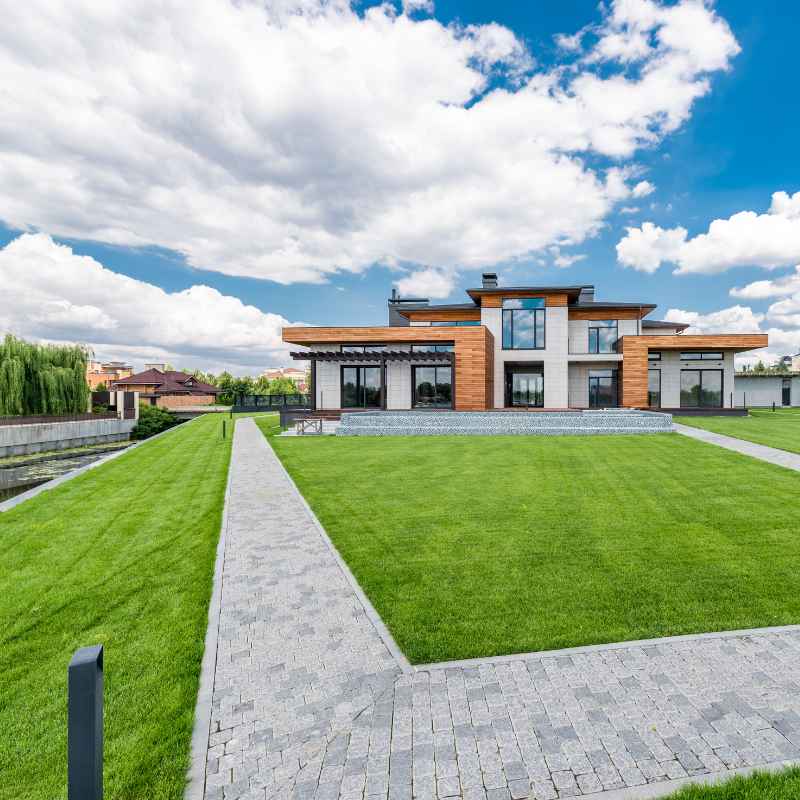
The landscaping should match the type of business. It should also match the style of the building itself. A modern glass building might look odd with very old-fashioned gardens.
They should flow together.
This connection between the building and its surroundings is key. It’s called architectural integration. Good landscaping doesn’t fight the building.
It joins it. It extends the building’s style. It uses the building’s lines and shapes as inspiration.
It makes the whole property feel like one cohesive piece. This is vital for making a strong first impression. It’s also important for the people inside.
Happy people work better.

My Own “Green” Moment
I remember visiting a small accounting firm once. Their office building was nice enough. It was clean and functional.
But the outside was just… sad. A patchy lawn, a few sad-looking shrubs by the door, and a cracked concrete path. It felt neglected.
Honestly, I felt a little less confident about handing over my tax documents. It made me wonder if they paid as much attention to detail inside.
Then, a few months later, I had to go back. They’d clearly done some work. The lawn was lush and green.
They had planted some colorful, hardy flowers that popped against the brick building. There were even a couple of well-placed benches under a small, shady tree. The entrance felt so much more inviting.
I walked in feeling more positive. It sounds small, but it really changed my perception of the place. It showed they cared.
About their clients. About their space.
Matching Building Styles with Landscape Themes
Different building styles ask for different landscaping approaches. It’s like dressing a person for an event. You wouldn’t wear a ball gown to a picnic.
And you wouldn’t wear shorts to a formal wedding. Your business building has a style. Your landscaping should be its best outfit.
Modern & Contemporary Buildings
These buildings often have clean lines, large glass windows, and minimalist designs. Think geometric shapes. For landscaping, you want to echo this.
Use straight lines in paths and beds. Choose plants with strong, simple forms. Grasses that sway are great.
Some sculptural trees work well. Think about water features with clean edges. Color palettes are often subtle.
Greens, grays, and whites are common. Avoid overly fussy or ornate plants.
Traditional & Classic Buildings
These buildings often have symmetry, pitched roofs, and more detailed architectural elements. They might be brick or stone. Landscaping here can be a bit softer.
Think about flowing beds and rounded shapes. Hedges that are neatly trimmed but not perfectly geometric fit well. Roses, hydrangeas, and hostas are good plant choices.
Classic trees like maples or oaks are suitable. You can incorporate more traditional garden features like stone paths or even a small fountain.
Industrial & Urban Buildings
These might be older brick buildings or new structures with exposed materials like concrete and metal. The landscaping needs to be tough. It also needs to bring some life to a harder environment.
Think about plants that can handle city pollution and tough conditions. Succulents and drought-tolerant plants are good. Vertical gardens or green walls can be striking.
Use sturdy materials like gravel or reclaimed wood for paths. This style can also embrace a more rugged, natural look.
Beyond Aesthetics: Practical Benefits of Smart Landscaping
It’s not just about looking good. Good landscaping does real work for your business. It’s an investment that pays off in many ways.
It can even save you money.
Enhanced Curb Appeal and Brand Image
This is the most obvious benefit. A well-maintained and thoughtfully designed landscape makes your business look more professional. It suggests care and attention to detail.
This can attract more customers. It can make visitors feel more welcome and comfortable. It tells people you value your property and, by extension, your services.
It becomes a silent salesperson. It helps build a positive brand reputation. This is especially true for businesses on busy streets.
Improved Employee Morale and Productivity
People spend a lot of time at work. Having a pleasant environment matters. Green spaces outside can be seen from inside.
They can offer a place for employees to step out for a break. This can reduce stress. It can boost creativity.
Studies show that access to nature, even just a view of it, improves mood. It can also lead to fewer sick days. Think about adding outdoor seating areas or even a small walking path.
This shows you care about your team’s well-being.
Environmental Advantages
Landscaping can help the environment. Trees and plants help clean the air. They reduce stormwater runoff.
This is when rain water picks up dirt and pollution. Plants absorb it. They can also help cool your building in the summer.
This means less air conditioning use. Choosing native plants is a great idea. They need less water and care.
They also support local wildlife. This shows your business is socially responsible.
Increased Property Value
A beautifully landscaped property is more attractive to buyers or tenants. It adds value to your real estate. Well-maintained outdoor spaces suggest good management and care.
This makes the entire property seem more desirable. It’s a tangible asset that can improve your balance sheet. The initial investment can lead to a good return over time.
Wayfinding and Site Navigation
Landscaping can help guide people. Clear pathways lined with plants lead visitors to the entrance. Distinctive planting beds can mark different areas.
This is useful for larger properties. It helps people find their way without feeling lost. It can also make deliveries easier.
It makes the site feel more organized and user-friendly.
Design Elements to Consider
When you plan your business landscape, think about these key parts. They all work together.
Entryway Design
This is your business’s welcome mat. Make it count. It should be clear where to enter.
It should feel inviting. Use plants, lighting, and paving to draw attention to the main door. Ensure it’s accessible for everyone.
This includes ramps and smooth surfaces if needed. A well-designed entry sets a positive tone right away.
Plant Selection
Choose plants that fit your climate. They should also fit your building’s style. Think about maintenance needs.
Some plants need a lot of pruning. Others need constant watering. Native plants are often a good choice.
They are hardy and support local ecosystems. Consider trees for shade. They cool the area and the building.
Shrubs can define spaces. Flowers add color and appeal. Varying heights and textures makes the landscape more interesting.
Hardscaping
This includes things like paths, patios, and walls. These are the solid parts of your landscape. They should complement your building materials.
Brick paths can work with brick buildings. Stone can look good with stone or concrete. Use materials that are durable.
They need to stand up to foot traffic and weather. Good hardscaping provides structure. It defines spaces.
It creates usable areas for people.
Lighting
Lighting is crucial, especially for businesses. It enhances safety. It also makes your property look good at night.
Path lights guide visitors. Accent lights highlight key features like trees or architectural details. Security lighting deters crime.
It also makes people feel safer. Consider energy-efficient options like LED lights. Proper lighting can extend the use of outdoor areas.
Water Features
A fountain, pond, or even a simple water wall can add a lot. Water features are calming. They create a focal point.
They can also help mask noise. However, they require maintenance. They can also be expensive.
Ensure they fit the overall style. A modern building might suit a sleek, minimalist water feature. A traditional building might look good with a more natural pond.
Signage Integration
Your business signs are part of the landscape. They should be visible. They should also be well-integrated.
Consider placing signs within attractive planting beds. Use lighting to illuminate them at night. The style of your signage should match your building and landscape.
It’s all part of your brand presentation.
Real-World Context: Landscaping in Action
Let’s look at how businesses use landscaping in different ways. It’s not a one-size-fits-all approach.
Office Parks
In office parks, landscaping often aims for a professional, calming atmosphere. Think rows of trees along driveways. They provide shade and a sense of order.
Neatly trimmed hedges and green lawns are common. Small seating areas with benches allow employees breaks outside. Sometimes, there are walking paths connecting buildings.
The focus is on creating a pleasant, productive work environment. It also helps differentiate one company’s building from another.
Retail Centers
For retail businesses, landscaping is about drawing people in. It needs to be eye-catching and inviting. Brightly colored flowers near entrances can attract attention.
Planters with seasonal displays add appeal. Good lighting helps people feel safe walking to and from their cars. Clear, attractive pathways lead shoppers to entrances.
Sometimes, landscaping is used to create a sense of place or theme for the center. Think of outdoor dining areas with attractive planting.
Healthcare Facilities
Hospitals and clinics often use healing gardens. These spaces are designed for patient recovery and visitor comfort. They focus on natural elements and a sense of peace.
Accessible paths, comfortable seating, and soothing plants are key. Water features can add a calming sound. The goal is to reduce stress and promote well-being.
It shows a caring approach to patient care.
Industrial Sites
Even industrial sites can benefit from landscaping. While function often comes first, green spaces can improve the look. This is important for community relations.
Buffer zones with trees and shrubs can help reduce noise and visual impact. Native plants that require little maintenance are often used. This helps make the site look more integrated into its surroundings.
It shows a commitment to the local environment.
What This Means for Your Business
So, what’s the takeaway for you? Your business’s outdoor space is more than just grass and trees. It’s a powerful tool.
It shapes how people see your company. It impacts how your employees feel.
When is it “Normal”?
It’s normal for businesses to have some level of landscaping. Even a simple, well-kept lawn with a few bushes is normal. Having clear paths and a visible entrance is also normal.
Having plants that are cared for suggests a healthy business. Seasonal flowers are a nice touch that most people expect.
When Should You Worry?
You should worry if your landscaping looks neglected. This means overgrown weeds. It means dead plants.
It means cracked or unsafe paths. It means poor lighting. It sends a signal that your business might also be neglected.
It can make people hesitant to do business with you. It can make employees feel undervalued. Safety hazards are also a big concern.
Simple Checks You Can Do
Walk around your property. Do the paths look safe? Are the plants healthy?
Is the entrance welcoming? Is your signage clear and visible? Is the lighting adequate?
Are there any obvious areas that look messy or uncared for? These simple checks can highlight areas that need attention. They are often quick fixes that make a big difference.
Quick Tips for Better Business Landscaping
You don’t always need a huge budget to improve your landscape. Here are some ideas.
- Regular Maintenance: Keep grass cut. Trim hedges. Weed beds. This is the most important step.
- Seasonal Color: Add colorful annual flowers in spring and summer. Use hardy mums in the fall. This keeps things looking fresh.
- Clear Pathways: Ensure all walkways are clear of debris and in good repair.
- Strategic Lighting: Add or improve lighting at entrances and along paths for safety and appearance.
- Container Plants: Use large pots with attractive plants near the entrance. They are easy to move and change.
- Native Plants: Choose plants native to your area. They need less water and care. They also support local wildlife.
- Mulch is Your Friend: Apply mulch to garden beds. It helps retain moisture, suppress weeds, and looks neat.
- Welcome Mat: A clean, attractive welcome mat at the main entrance is a small but effective touch.
Frequently Asked Questions
How much does business landscaping usually cost?
The cost varies a lot. It depends on the size of your property. It depends on the complexity of the design.
It depends on the plants and materials you choose. Simple maintenance might be a few hundred dollars a month. A full redesign with hardscaping could be tens of thousands of dollars.
It’s best to get quotes from several landscaping professionals.
What are the most low-maintenance plants for a business?
Low-maintenance plants are often native species. They are adapted to your local climate. Succulents and ornamental grasses are also good choices.
Plants like Hostas, Sedum, and hardy shrubs such as Junipers or Spirea are often recommended. Always check with a local nursery for the best options in your specific region.
Can landscaping really help my business make more money?
Yes, it can. Attractive landscaping can draw in more customers. It can make your business seem more trustworthy and professional.
This can lead to more sales. Happy employees are also more productive, which benefits the business. A better brand image can also lead to higher customer loyalty.
What is “curb appeal” in a business context?
Curb appeal refers to the overall attractiveness of your business’s exterior. It’s what people see from the street. Good curb appeal makes your business look inviting and well-cared for.
It includes the building’s appearance, signage, and especially the landscaping. It’s the first impression you make.
How often should business landscaping be maintained?
This depends on your landscape design. Most businesses need regular maintenance. This might include weekly or bi-weekly visits during the growing season.
Tasks like mowing, weeding, and pruning are important. Seasonal cleanups in spring and fall are also often needed. Some elements, like mulching or adding seasonal flowers, might be done once or twice a year.
Are there any regulations I need to know about for business landscaping?
Yes, some cities or towns have landscaping ordinances. These might relate to things like required green space, tree preservation, or storm water management. It’s a good idea to check with your local planning department.
They can tell you about any specific rules you need to follow for commercial properties.
Conclusion: Your Landscape is Your Silent Partner
Your business architecture extends beyond its walls. The landscaping you choose is a vital part of its story. It speaks volumes before anyone even steps inside.
By thoughtfully integrating your outdoor spaces, you create a more welcoming, productive, and valuable business. It’s an investment that truly grows.